Product Launch Day Checklist: Everything You Need Ready
Why a Product Launch Checklist Is Non-Negotiable
Launch day is chaos managed. Dozens of moving parts need to come together simultaneously — emails need to send, ads need to go live, the website needs to handle traffic, customer support needs to be ready and your team needs to know exactly what to do and when. A product launch checklist transforms this chaos into a systematic process where nothing falls through the cracks.
The cost of a missed checklist item can be enormous. A broken checkout flow means lost revenue for every hour it goes undetected. A forgotten tracking pixel means you cannot attribute conversions to the channels that drove them. A missing customer support script means your team fumbles the first interactions with new customers, damaging the impression your launch should be building.
In Singapore’s market, where competition is intense and consumers have high expectations, a flawless launch experience signals professionalism and builds trust from the very first interaction. This checklist covers every critical element, from the technical infrastructure that keeps your site running to the marketing activations that drive traffic and the operational systems that convert visitors into customers.
Print this out, share it with your team and work through it methodically in the week leading up to your launch. On the day itself, you want to be executing and monitoring, not scrambling to set things up.
One Week Before Launch: Final Preparations
The week before launch is for verification, not creation. If you are still producing major assets or making strategic decisions at this point, your launch is not ready. Push it back. A delayed launch is better than a botched one.

Team Alignment
Hold a launch readiness meeting with every person involved in the launch. Walk through the timeline, confirm each person’s responsibilities and identify any blockers. Distribute the final launch day schedule — who does what, at what time, using which tools. Confirm that everyone has access to the platforms and tools they need.
Establish your launch day communication channel. A dedicated Slack channel, WhatsApp group or Microsoft Teams chat where the team can share real-time updates, flag issues and celebrate wins. Define escalation paths: if something goes wrong with the website, who fixes it? If a major media outlet calls with questions, who responds?
Asset Review
Review every asset that will go live on launch day. Read every email, check every social media post, test every landing page link. Look for typos, broken links, incorrect pricing, outdated information and inconsistent messaging. Have someone who was not involved in creating the assets do a fresh review — they will catch things the creator missed.
Verify that all visual assets (social media graphics, email headers, ad creatives) are correctly sized for each platform. A stretched image or a cropped headline undermines the professional impression you are trying to create.
Dry Run
Conduct a dry run of your launch sequence. Trigger your email campaigns in test mode. Preview your social media posts in scheduling tools. Click through every link on your landing page. Complete a test purchase or sign-up. Check that confirmation emails, receipts and welcome sequences fire correctly. A dry run reveals problems you can fix before they affect real customers.
Website and Technical Checklist
Your website is the foundation of your launch. If it fails, everything fails. Work through this checklist methodically.
Performance and Uptime
Load-test your website to ensure it can handle expected traffic. If you anticipate a significant traffic spike, confirm that your hosting can scale. For Singapore-based hosting, ensure your server is in the Asia-Pacific region for fast load times. Contact your hosting provider to alert them about expected traffic volume.
Check page load speed using Google PageSpeed Insights. Your landing page should load in under three seconds on mobile. In Singapore, where mobile usage exceeds 90 percent of web traffic, a slow mobile experience will cost you conversions.
Checkout and Conversion Flow
Complete a full purchase or sign-up from start to finish. Test on desktop, mobile (iOS and Android) and tablet. Verify that payment processing works for all accepted methods — credit cards, PayNow, GrabPay or any other Singapore-specific payment options you support. Check that SGD pricing displays correctly, GST is calculated properly and receipts are generated.
Test edge cases: what happens if someone tries to purchase with an expired card? What if they enter an invalid promo code? What if they abandon the cart and return later? Each scenario should be handled gracefully with clear error messages and recovery paths.
Landing Page Verification
Confirm that your product landing page is live and accessible at the correct URL. Check that all copy is final and approved, calls to action are prominent and functional, product descriptions are accurate, pricing is correct, terms and conditions are linked and accessible, and privacy policy is up to date (critical for PDPA compliance in Singapore).
SEO Essentials
Ensure your landing page has proper meta titles and descriptions, canonical URLs, structured data markup and an XML sitemap entry. If you are launching at a new URL, submit it to Google Search Console for indexing. While SEO is a long-term channel, getting the technical foundations right on day one prevents problems later.
Marketing Channel Activation Checklist
Every marketing channel needs to be loaded and ready to fire on launch day. Prepare everything in advance so activation is a matter of clicking “publish” or “send,” not last-minute creation.
Email Marketing
Verify that your launch announcement email is drafted, reviewed and scheduled. Check the subject line, preview text, from name and reply-to address. Segment your list appropriately — waitlist subscribers, existing customers and general newsletter subscribers may receive different versions. Test the email across major clients (Gmail, Outlook, Apple Mail) to ensure rendering is correct.
Prepare a follow-up email for 24 to 48 hours after launch, targeting people who opened but did not click, and people who clicked but did not convert. Have these ready to go so you are not writing emails under launch-day pressure.
Social Media
Schedule all launch day social posts across your platforms. Prepare multiple pieces of content — you should post three to five times on launch day across your channels, not just once. Prepare a bank of response templates for common comments and questions. Assign a team member to monitor and respond to social engagement in real time.
If you are working with influencers, confirm their posting schedule. Send them final product links, discount codes and any last-minute messaging updates. A social media marketing partner can manage this coordination while your team focuses on other launch activities.
Paid Advertising
Set up all Google Ads and social media ad campaigns in advance. Set them to paused and confirm the activation time with your team. Verify that targeting, budgets, bid strategies and creative are all correct. Check that tracking pixels are properly installed on your landing page and conversion pages. Prepare backup ad creatives in case your primary creatives are rejected during review.
For Singapore campaigns, set your geographic targeting precisely. Include Singapore as a location target and exclude surrounding countries unless you are intentionally targeting a regional audience. Set your ad schedule to align with peak engagement times.
Content Marketing
If you have prepared launch-related blog posts, product guides or resource pages, schedule them for publication on launch day. Ensure internal links between your new content and your product landing page are in place. Share these content pieces through your email and social channels throughout launch week to drive sustained traffic.
PR and Media Checklist
Earned media coverage can amplify your launch significantly, but it requires careful coordination.

Press Materials
Prepare a complete press kit containing your media release, high-resolution product images, founder headshots, company background information, key statistics and data points, and quotes from founders or executives. Host the press kit online and include the link in all media communications.
Your media release should follow standard format: a compelling headline, a Singapore dateline, a clear lead paragraph that answers who, what, when, where and why, supporting paragraphs with detail and quotes, and a boilerplate company description. Have it proofread by someone outside your team.
Media Outreach
If you are using an embargo strategy, confirm with each journalist that they understand the embargo date and time. Send a reminder the day before launch. For non-embargoed outreach, send your media release early on launch morning — before 9:00 AM Singapore time — so journalists have the full working day to consider coverage.
Prepare a list of talking points for media interviews. If a journalist calls wanting to speak with your founder, you want to be ready immediately, not scrambling to prepare. Anticipate tough questions about pricing, competition and market viability and prepare honest, confident answers.
Media Monitoring
Set up Google Alerts for your product name, brand name and key team members. Use social listening tools to monitor mentions across social platforms. Track all media coverage in a shared document — you will need this for post-launch reporting and for amplifying coverage through your own channels.
Customer Support and Operations Checklist
Your first customers are your most important. Their experience shapes reviews, word-of-mouth and your brand reputation. Customer support must be exceptional on launch day.
Support Team Preparation
Brief your customer support team thoroughly on the product. They should know features, pricing, common use cases, known limitations and how to handle returns or refunds. Prepare a comprehensive FAQ document and response templates for the most likely enquiries.
Extend support hours on launch day and launch week. If your normal support hours are 9:00 AM to 6:00 PM SGT, consider extending to 8:00 AM to 10:00 PM during the first week. Ensure you have enough staff to handle the volume — launch day enquiry volumes are typically three to five times normal levels.
Fulfilment and Logistics
For physical products, confirm that inventory is in place and ready to ship. Verify your fulfilment process end to end — from order received to shipping label generated to package dispatched. In Singapore, customers expect fast delivery (same-day or next-day for local orders). Confirm your logistics partner can meet these expectations during a high-volume period.
For digital products, test the delivery mechanism. Can users access their purchase immediately? Are download links working? Are account creation and onboarding flows smooth? Any friction in the post-purchase experience dampens the excitement of the purchase itself.
Returns and Refund Policy
Ensure your returns and refund policy is clearly stated on your website and in purchase confirmation emails. Train your support team on the process. In Singapore, the Consumers Association of Singapore (CASE) provides guidelines on fair trading practices — ensure your policy complies.
Analytics and Tracking Checklist
If you cannot measure it, you cannot optimise it. Your analytics infrastructure needs to be solid before launch day — you will not get a second chance to capture this data.
Website Analytics
Verify that Google Analytics 4 (or your preferred analytics platform) is properly installed on every page of your site, including your landing page, checkout pages and confirmation pages. Set up conversion events for key actions: purchase, sign-up, add to cart, email capture and any other meaningful interactions.
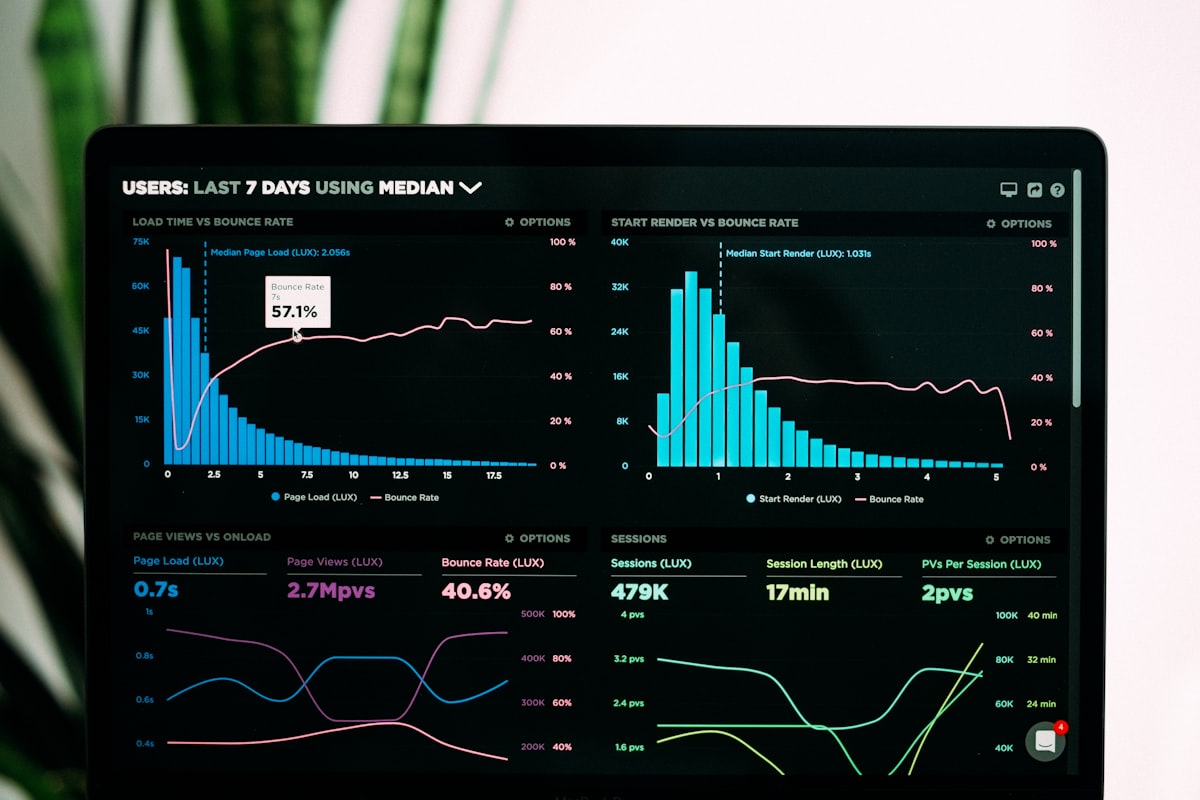
Create a launch day dashboard that shows real-time traffic, traffic sources, conversion rate and revenue. Having this visible on a shared screen during launch day keeps the team informed and helps you spot problems quickly.
Campaign Tracking
Ensure every link in your launch emails, social posts and ads uses UTM parameters. This allows you to attribute traffic and conversions to specific campaigns, channels and content pieces. Use a consistent naming convention — for example, utm_source=email, utm_medium=launch_announcement, utm_campaign=product_launch_2026.
Verify that your Facebook Pixel, Google Ads conversion tracking, LinkedIn Insight Tag and any other platform-specific tracking codes are firing correctly. Use browser extensions like Facebook Pixel Helper and Google Tag Assistant to verify installation.
Reporting Framework
Prepare your post-launch reporting template before launch day. Define the metrics you will report on, the time periods you will analyse and the stakeholders who will receive the report. This way, you can start populating the report as data comes in rather than figuring out the structure after the fact. A comprehensive digital marketing strategy includes these measurement frameworks from the outset.
Contingency Planning Checklist
Things will go wrong on launch day. The question is not whether problems will arise, but how quickly you can resolve them. Contingency planning turns potential disasters into manageable hiccups.
Technical Failures
Prepare for your website going down under traffic. Have your hosting provider’s emergency support number saved. Know how to activate a CDN or scale your server resources. Prepare a simple maintenance page that captures email addresses so you do not lose interested visitors during downtime.
Prepare for payment processing failures. Know your payment gateway’s support process. Have an alternative payment method ready if possible. Prepare a customer communication template: “We are experiencing high demand and our payment system is temporarily overwhelmed. Your order is important to us — please try again in 15 minutes or contact us at [email].”
Marketing Failures
Prepare for ad disapprovals. Platform ad review can be unpredictable — have backup creatives that take a more conservative approach. Prepare for email deliverability issues. If your launch email lands in spam for a significant portion of your list, have a follow-up email ready to send from an alternative sending domain.
Prepare for negative social media responses. Not everyone will be excited about your launch. Have a social media response protocol for handling criticism, complaints and trolling. Designate one person as the final decision-maker on whether and how to respond to negative comments.
Team Availability
Identify a backup for every critical role. If your lead developer is unreachable on launch morning, who takes over? If your social media manager falls ill, who has access to the accounts and knows the posting schedule? Document access credentials (securely) and ensure at least two people can perform every critical function.
Launch Day Hour-by-Hour Schedule
A structured schedule keeps your team synchronised throughout launch day. Adapt this template to your specific launch and time zone (all times in SGT).
Early Morning (7:00–9:00 AM)
7:00 AM — Team check-in via designated communication channel. Confirm all systems are operational. 7:30 AM — Send media release to non-embargoed journalists. 8:00 AM — Activate paid ad campaigns. Publish launch blog post. 8:30 AM — Send launch announcement email to your waitlist and subscriber list. 9:00 AM — Publish first social media posts across all platforms. Begin active social media monitoring.
Mid-Morning to Afternoon (9:00 AM–3:00 PM)
9:00 AM — Monitor initial traffic, ad performance and email metrics. Flag any anomalies. 10:00 AM — Team status update. Share early numbers, address any issues. 11:00 AM — Publish second wave of social media content. 12:00 PM — Lunch-hour social push targeting Singapore’s peak mobile usage period. 1:00 PM — Mid-day performance check. Adjust ad budgets if needed. 2:00 PM — Publish third wave of social content. Share any media coverage through your channels.
Afternoon to Evening (3:00–9:00 PM)
3:00 PM — Afternoon team status update. Review full-day metrics so far. 5:00 PM — Evening commute social media push. 6:00 PM — Send follow-up email to subscribers who opened but did not convert. 7:00 PM — Final social media engagement push. 9:00 PM — End-of-day team debrief. Share day-one results. Identify priorities for day two.
Frequently Asked Questions
How far in advance should I complete this checklist?
Aim to have every item checked off 48 hours before launch day. This gives you a full day as a buffer to fix any last-minute issues. The pre-launch week items should be addressed seven to five days before launch. Technical and asset verification should be complete three days out. The final 48 hours should be for dry runs and quiet confidence, not frantic preparation.
What is the most commonly overlooked item on a product launch checklist?
Analytics tracking. Teams invest heavily in creating ads, emails and landing pages but forget to verify that tracking is properly configured. On launch day, they realise they cannot attribute conversions to specific channels, which makes post-launch optimisation significantly harder. Always test your tracking setup during the dry run.
Should I have a physical war room for launch day?
If your team is co-located, a physical war room with shared screens showing real-time dashboards is highly effective. It enables faster communication and quicker decision-making. If your team is remote or hybrid, a virtual war room — a persistent video call or dedicated Slack channel with regular check-ins — serves the same purpose. The key is constant, low-friction communication throughout the day.
What time should I launch in Singapore?
For B2C products, launch between 8:00 and 9:00 AM SGT. This catches the morning commute audience, gives you the full working day for media pickup and allows evening engagement when people are browsing at home. For B2B products, 9:00 to 10:00 AM SGT works well, aligning with the start of the business day. Avoid launching after 3:00 PM — you lose half the day’s potential exposure.
How do I handle a launch day crisis?
Stay calm and follow your contingency plan. Designate one person as the crisis lead who makes decisions. Communicate transparently with your audience — if your site is down, acknowledge it on social media and provide an estimated resolution time. Focus on solving the problem, not assigning blame. Most launch day crises are resolved within one to two hours if the team is prepared.
Do I need different checklists for different types of products?
The core checklist applies universally, but emphasis shifts by product type. Physical product launches require more focus on fulfilment and logistics. Digital product launches emphasise onboarding and user experience. Service launches focus on booking systems and consultation availability. SaaS launches need particular attention to server capacity and user onboarding flows. Adapt the checklist to your specific needs.
How many people do I need for a successful launch day?
At minimum, you need four functions covered: marketing and communications, technical and website, customer support and leadership or decision-making. In a startup, this might be four people or even two people covering multiple roles. In a larger company, each function might have a team. The critical factor is not team size but clarity of responsibilities — everyone must know exactly what they are doing and when.
Should I plan anything for the day after launch?
Absolutely. Day two is often underestimated. Plan follow-up emails for non-converters, fresh social media content, responses to any media coverage and a team debrief to review day-one performance. The momentum from launch day needs to be actively sustained — it will not carry itself. Prepare day-two and day-three activities before launch day so they are ready to execute.
What if we discover a major bug on launch morning?
It depends on the severity. If the bug prevents purchases or sign-ups, delay the launch until it is fixed — even if that means pushing back by hours or a day. Communicate the delay transparently. If the bug is cosmetic or affects a non-critical feature, proceed with the launch and fix it as quickly as possible. Have your development team on standby for the full launch day to handle exactly these situations.
How do I know if my launch was successful?
Refer to the KPIs you defined during your pre-launch planning. Measure actual performance against your minimum, target and stretch goals across metrics like revenue, sign-ups, traffic, media coverage and customer feedback. Conduct a formal review two weeks after launch and again at the 90-day mark. Success is not just a launch-day spike — it is sustained performance in the weeks and months that follow.