PR and Media Relations in Singapore: Build Coverage as a Foreign Brand
Earning media coverage in Singapore is one of the most powerful ways for a foreign brand to establish credibility, build awareness and gain the trust of local consumers. Unlike paid advertising, earned media carries an implicit third-party endorsement that resonates deeply with Singaporean audiences who are discerning and well-informed.
However, PR media relations Singapore foreign brands face unique challenges. The media landscape is compact, journalists are inundated with pitches, and cultural sensitivity is paramount. This guide provides a comprehensive roadmap for building effective media relations in Singapore — from understanding the media ecosystem to crafting pitches, managing events and handling crisis communications.
Understanding Singapore’s Media Landscape
Singapore’s media environment is concentrated, professional and government-regulated. Understanding its structure is the first step toward effective PR media relations Singapore foreign brands strategies.
Major Media Outlets
SPH Media Trust publishes Singapore’s most influential newspapers, including The Straits Times, The Business Times, Lianhe Zaobao (Chinese-language) and Berita Harian (Malay-language). Mediacorp operates the primary free-to-air television and radio networks alongside the CNA (Channel NewsAsia) digital platform, which has significant regional reach. These two groups dominate the mainstream media landscape.
Digital and Online Media
A vibrant ecosystem of digital media outlets complements the traditional publishers. Mothership, The Smart Local, RICE Media, Vulcan Post and Tech in Asia cover news, lifestyle, technology and business from distinctly Singaporean angles. These outlets often have highly engaged audiences and can be more accessible to foreign brands than the major newspapers.
Trade and Industry Publications
Depending on your sector, trade publications may be more relevant than general media. Marketing Interactive, Campaign Asia, The Edge Singapore, PropertyGuru News, HardwareZone and other niche outlets serve specific professional communities. Coverage in these publications reaches decision-makers directly.
Broadcast and Podcast Media
Radio stations under Mediacorp and SPH Media offer interview slots and feature segments that can amplify brand stories. The Singapore podcast scene has grown significantly, with shows covering business, technology, lifestyle and culture attracting dedicated audiences. Podcast appearances are an underutilised PR opportunity for many foreign brands.
Building Journalist Relationships
In a compact media market like Singapore, relationships matter enormously. Journalists receive hundreds of pitches weekly and prioritise sources they know and trust.

Research Before You Reach Out
Before contacting any journalist, thoroughly research their beat, recent articles and areas of interest. Generic mass emails are immediately deleted. Personalised outreach that references the journalist’s recent work and explains why your story aligns with their beat will always receive more attention.
Start With Value, Not Requests
The most effective PR professionals lead with value. Offer exclusive data, expert commentary on trending topics or access to industry insights before asking for coverage. Position your brand as a useful resource that can help journalists do their jobs better, and coverage will follow naturally.
Attend Industry Events
Singapore hosts numerous industry conferences, media briefings and networking events throughout the year. Events like Singapore Media Festival, Innovfest Unbound and various Chamber of Commerce gatherings provide opportunities to meet journalists informally. Face-to-face relationships remain the strongest foundation for effective media relations.
Respect Cultural Norms
Singaporean business culture values professionalism, punctuality and respect for hierarchy. Follow up on pitches politely but do not be overly aggressive. Avoid calling journalists repeatedly or showing up unannounced. Social media direct messages can be effective for initial contact with digital-first journalists, but email remains the standard channel for mainstream media.
Crafting Effective Media Pitches
A well-crafted pitch is the difference between securing coverage and being ignored. Foreign brands must adapt their pitching approach to Singapore’s media environment.
Lead With the Local Angle
Singaporean media outlets cover stories that are relevant to their local audience. A global product launch announcement is rarely newsworthy on its own. Instead, frame your pitch around the Singapore-specific angle: how your product or service addresses a local need, your investment in the Singapore market, partnership with a local entity or relevance to a current national conversation.
Keep It Concise
Journalists are time-poor. Your pitch email should be no more than three to four paragraphs. Lead with the most newsworthy element, provide essential context and include a clear call to action (interview availability, product demo, embargo details). Attach a fact sheet or press release as a separate document rather than embedding it in the email body.
Offer Exclusives Strategically
Offering an exclusive — where one outlet gets the story first — is a powerful incentive in a competitive media market. Use exclusives for your most important announcements and offer them to the outlet most aligned with your target audience. For broader stories, a simultaneous release to multiple outlets is more appropriate.
Prepare Supporting Materials
Have a press kit ready that includes a concise press release, high-resolution images, key executive bios, brand fact sheet and relevant data points. Making it easy for journalists to write their story increases the likelihood of coverage. A professionally designed press kit also signals that your brand takes the Singapore market seriously. A strong branding foundation makes all press materials more impactful.
Press Events and Media Launches
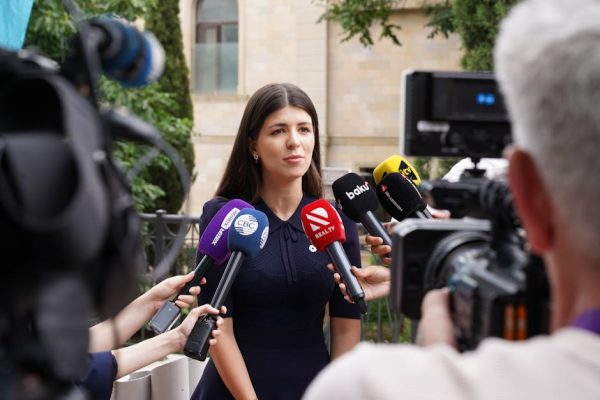
Well-executed press events can generate concentrated media coverage and build relationships simultaneously. Singapore’s central location and excellent event infrastructure make it an ideal venue for regional media launches.
Types of Media Events
Common formats include product launch events, press conferences, media roundtables (small-group briefings), experiential previews and exclusive media dinners. The format should match the story — a major market entry warrants a press conference, while an ongoing relationship-building effort might call for intimate media roundtables.
Venue and Logistics
Choose a venue that reflects your brand positioning. Hotels such as Marina Bay Sands, The Fullerton and Raffles offer prestigious settings. Co-working spaces and restaurants work well for more casual formats. Ensure the venue is centrally located and easily accessible by public transport — Singapore journalists rarely travel long distances for media events.
Timing Considerations
Avoid scheduling events during major holidays (Chinese New Year, Hari Raya, Deepavali), national events (National Day period in August) or competing industry events. Tuesday to Thursday mornings are generally the best times for media attendance. Allow at least three weeks of lead time for invitations.
Follow-Up Protocol
After the event, send a thank-you email with a press kit, high-resolution photos from the event and any additional information promised during conversations. Follow up individually with journalists who attended but have not yet published to offer additional support or interview opportunities.
Digital PR and Online Coverage
Digital PR extends beyond traditional media to encompass online publications, blogs, social media mentions and backlink acquisition. For foreign brands, digital PR also serves important SEO objectives.

Online Publications and Blogs
Singapore’s digital media ecosystem includes numerous online-only publications that command significant readership. Securing coverage or guest contributions on sites like Mothership, The Smart Local or Vulcan Post can drive substantial traffic and brand awareness. These outlets often have faster turnaround times and more flexible editorial approaches than traditional media.
Link Building Through PR
Every piece of online coverage that includes a link to your website contributes to your domain authority and search rankings. When pitching digital outlets, ensure your press materials include your website URL and relevant landing pages. A coordinated approach between your PR and digital marketing teams maximises the SEO value of earned media.
Social Media Amplification
Amplify media coverage through your brand’s social media channels. Share articles, tag journalists and outlets, and create social-native content that summarises key coverage. This extends the reach of earned media and strengthens journalist relationships by demonstrating that you value their work. Effective social media marketing ensures coverage reaches beyond the outlet’s own audience.
Thought Leadership Content
Contributing opinion pieces, guest articles and expert commentary to relevant publications positions your brand leaders as industry authorities. The Business Times, CNA, Marketing Interactive and LinkedIn all accept contributed content. Thought leadership is particularly effective for B2B brands and professional services.
Crisis Communications
No brand is immune to crisis situations. Having a crisis communications plan prepared before entering the Singapore market is essential, not optional.
Common Crisis Scenarios
Potential crises for foreign brands in Singapore include product recalls, data breaches, negative social media incidents, employee controversies, regulatory issues and environmental or social responsibility failures. Singapore’s connected population means that negative stories can amplify rapidly through social media and messaging apps.
Preparing a Crisis Communications Plan
Develop a crisis plan that includes a designated spokesperson, pre-approved holding statements, a notification protocol and a media response workflow. Identify potential risks specific to your industry and prepare scenario-based response templates. Test the plan through tabletop exercises before you need it.
Responding to a Crisis
Speed is critical in Singapore’s fast-moving media environment. Aim to issue an initial response within two to four hours of a crisis emerging. Be transparent, take responsibility where appropriate and outline concrete steps you are taking to address the situation. Stonewalling or deflecting will intensify media scrutiny and public criticism.
Post-Crisis Recovery
After the immediate crisis has passed, focus on rebuilding trust through consistent positive actions and communications. Media follow-up stories on remedial actions, customer outreach and structural changes demonstrate accountability. A well-managed crisis can actually strengthen a brand’s reputation if handled with integrity.
Measuring PR Success
Effective PR measurement goes beyond counting press clippings. Modern PR measurement combines quantitative and qualitative metrics.
Quantitative Metrics
Track the number of media placements, estimated readership or reach, share of voice relative to competitors, website traffic from media referrals, domain authority improvements and social media mentions. These metrics provide a baseline understanding of PR output.
Qualitative Metrics
Assess the quality of coverage — whether key messages were included, whether tone was positive or neutral, the prominence of placement (headline vs brief mention) and the credibility of the outlet. A single in-depth feature in The Business Times may be worth more than a dozen brief mentions in minor outlets.
Business Impact
The ultimate measure of PR success is its contribution to business outcomes. Track correlations between media coverage and website traffic, lead generation, sales enquiries, partnership opportunities and brand perception metrics. While attribution is never perfect for earned media, directional data helps justify PR investment. A content marketing approach that integrates PR coverage into the broader marketing funnel strengthens attribution.
Working With a PR Agency in Singapore
Foreign brands without established media relationships in Singapore should seriously consider engaging a local PR agency.

What a Local Agency Brings
A Singapore-based PR agency provides established journalist relationships, understanding of local media preferences, cultural sensitivity, on-the-ground event management capability and crisis response readiness. These advantages are extremely difficult to replicate from a foreign headquarters.
Choosing the Right Agency
Evaluate agencies based on their experience with foreign brands in your industry, the strength of their media contacts, their understanding of digital PR and their crisis management track record. Ask for references from international clients and request case studies that demonstrate measurable results.
Fee Structures
PR agencies in Singapore typically charge monthly retainers ranging from SGD 5,000 to SGD 25,000, depending on scope, seniority of the team assigned and the volume of activity. Project-based fees are available for specific campaigns or events. Ensure the scope of work clearly defines deliverables, reporting frequency and escalation procedures.
Integration With Your Marketing Team
PR should not operate in isolation. Ensure your agency integrates with your broader marketing efforts — coordinating messaging, sharing content assets and aligning on campaign timing. The most effective foreign brand launches in Singapore feature tight coordination between PR, paid advertising and digital marketing teams.
Frequently Asked Questions
How do foreign brands get media coverage in Singapore?
Foreign brands can earn media coverage by crafting pitches with strong local angles, building journalist relationships, offering exclusive stories, contributing thought leadership content and hosting well-organised press events. Working with a local PR agency significantly improves coverage outcomes.
What are the main media outlets in Singapore?
Major outlets include The Straits Times, The Business Times, CNA (Channel NewsAsia), Lianhe Zaobao and Mediacorp broadcast networks. Key digital outlets include Mothership, The Smart Local, Vulcan Post and RICE Media. Trade publications cover specific industries.
How much does PR cost in Singapore?
PR agency retainers in Singapore typically range from SGD 5,000 to SGD 25,000 per month, depending on scope and agency calibre. Project-based fees for specific events or campaigns are also available.
Is English the main media language in Singapore?
English is the dominant media language for business and mainstream coverage. However, Chinese-language media (Lianhe Zaobao, Shin Min Daily News) reaches a significant audience. Malay and Tamil-language media serve their respective communities.
How far in advance should I plan a press event in Singapore?
Plan at least three to four weeks in advance for standard media events and six to eight weeks for major launches. Avoid scheduling during public holidays, National Day period and major competing events.
What makes a strong media pitch for Singapore journalists?
A strong pitch leads with a compelling local angle, is concise (three to four paragraphs), demonstrates knowledge of the journalist’s beat, offers something newsworthy or exclusive and includes easy access to supporting materials and spokespeople.
How do I handle a PR crisis in Singapore?
Respond quickly (within two to four hours), be transparent and take responsibility where appropriate. Issue a clear statement addressing the situation and outline concrete remedial steps. Avoid stonewalling — Singapore’s media and public respond negatively to brands that appear evasive.
Can digital PR help with SEO in Singapore?
Yes, digital PR that earns backlinks from authoritative Singapore media outlets directly improves domain authority and search rankings. Coordinating PR efforts with your SEO strategy maximises the compounding value of earned media.
Should I use the same PR strategy in Singapore as in my home market?
No. Singapore’s media landscape, cultural context and journalist expectations differ from most Western markets. Localise your PR strategy, adapt messaging to local interests and work with partners who understand Singapore’s unique media environment.
How long does it take to build media presence in Singapore?
Building meaningful media presence typically takes three to six months of consistent effort. Initial coverage may come within weeks if you have a strong news angle, but sustained visibility requires ongoing relationship building and a steady stream of newsworthy stories.