How Much Does Podcast Production Cost in Singapore?
Table of Contents
Podcast Production Cost Overview
Podcasting has become one of Singapore’s fastest-growing content channels. Business leaders use it for thought leadership, brands use it to build loyal audiences, and consultancies use it to attract inbound enquiries. Yet many organisations delay launching because they have no clear picture of what the investment actually looks like. Understanding podcast production cost Singapore ranges helps you budget realistically and choose the right production model for your goals.
The short answer is that the range is wide. At the DIY end, you can record and publish a professional-sounding podcast for under SGD 500 in one-time equipment costs and minimal ongoing spend. At the premium end, a fully produced episode with studio recording, professional editing, show notes, transcription, and social media assets can cost SGD 800 to SGD 2,500. The right level depends on your audience expectations, the time you can commit, and whether the podcast serves as a lead-generation tool or a brand-building exercise.
The most significant variable is not equipment or software; it is labour. If you value your own time at SGD 100 per hour and a self-edited episode takes three hours to finish, the “free” editing costs SGD 300 in opportunity cost. Factoring in that hidden cost often makes the case for outsourcing stronger than business owners initially assume. Whether you produce in-house or engage a specialist, the podcast should sit within a broader content marketing strategy so that every episode feeds multiple channels and maximises return on investment.
Recording Equipment Costs
Audio quality matters from episode one. Listeners who encounter poor sound in the first thirty seconds typically abandon the episode, so your equipment investment directly affects retention. The good news is that achieving broadcast-quality audio does not require a massive outlay.
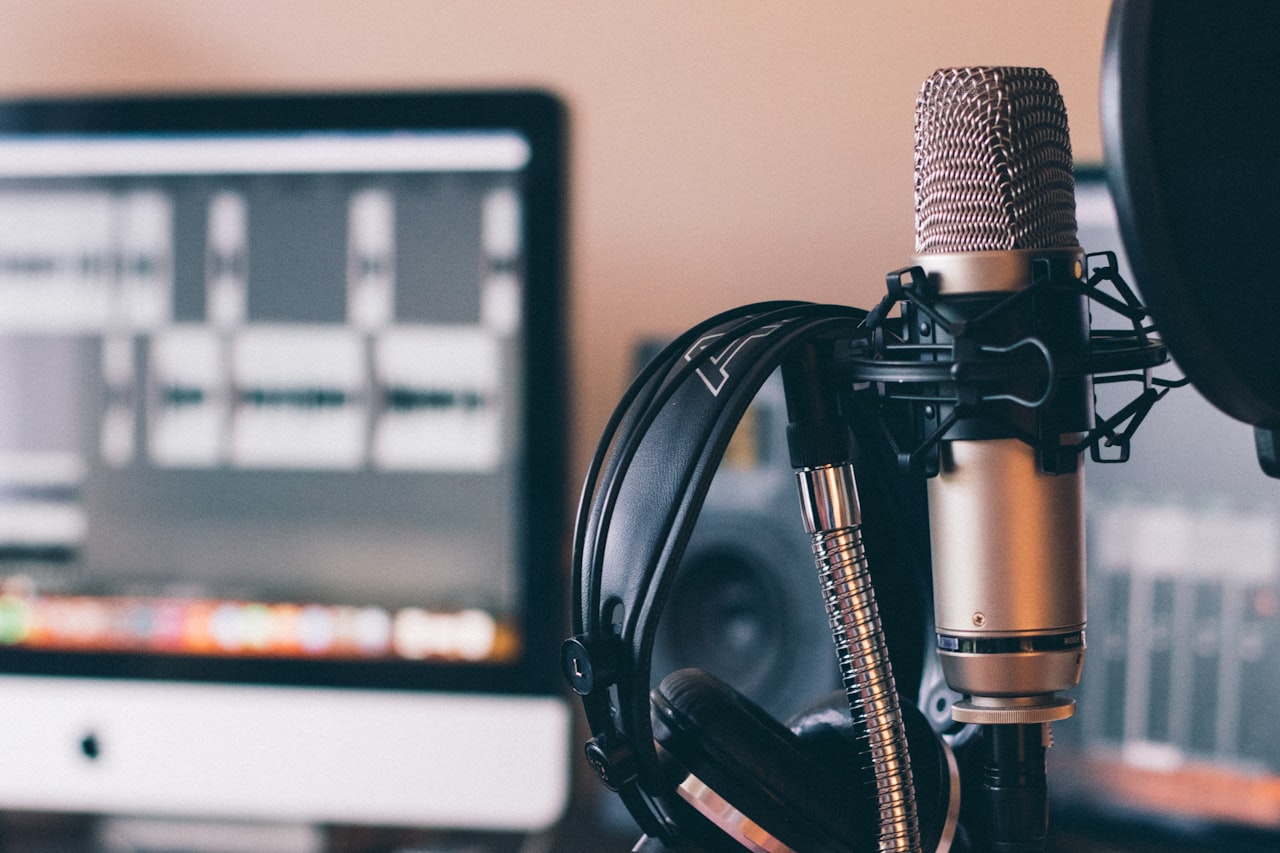
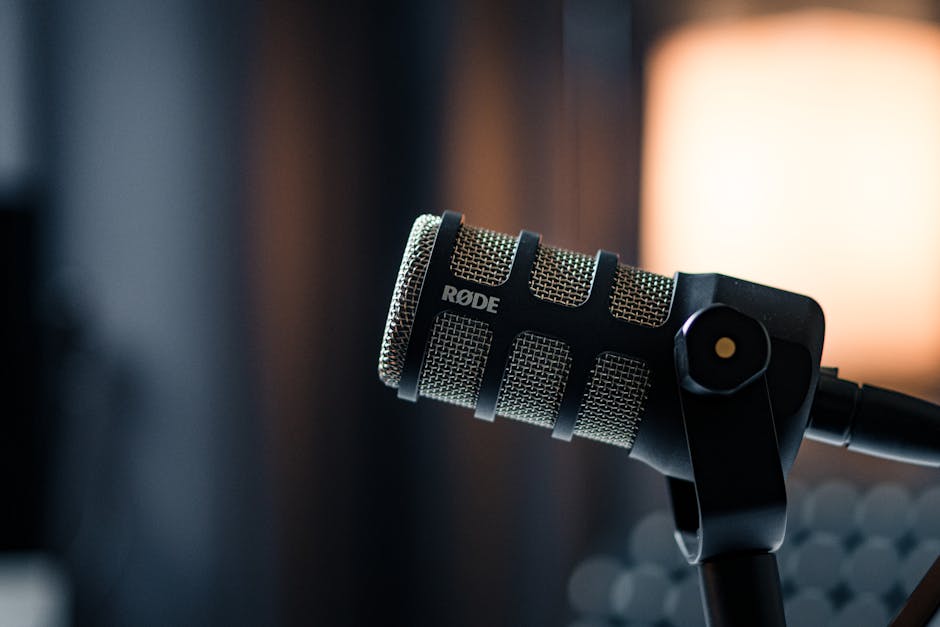
A basic setup covering a USB microphone, pop filter, and headphones costs SGD 150 to SGD 350. Models such as the Audio-Technica ATR2100x or Samson Q2U, both available from Singapore retailers for SGD 100 to SGD 180, deliver audio quality that is more than adequate for distribution on Spotify and Apple Podcasts. An intermediate setup with an XLR microphone, audio interface, boom arm, and acoustic treatment sits at SGD 500 to SGD 1,500. Professional broadcast-quality rigs with studio monitors and full acoustic treatment range from SGD 2,000 to SGD 5,000.
The single most impactful upgrade for Singapore-based podcasters is acoustic treatment, not a better microphone. High-rise apartments and open-plan offices create challenging echo and ambient noise. Basic foam panels or a portable isolation shield at SGD 50 to SGD 300 improve audio quality more dramatically than upgrading from a good USB microphone to an expensive condenser. For video podcasts destined for YouTube, add a quality camera, lighting, and backdrop at SGD 500 to SGD 2,000 on top of your audio setup.
Studio Rental in Singapore
If your home or office environment is not conducive to recording, Singapore’s growing number of podcast studios offer a convenient alternative. Basic podcast rooms with one to two microphones and headphones start at SGD 40 to SGD 80 per hour. Standard studios with professional microphones, multi-track recording, and monitoring run SGD 80 to SGD 150. Premium studios with broadcast-quality equipment, full soundproofing, and an included engineer cost SGD 150 to SGD 300. Video podcast studios with camera setups, lighting, and multi-angle recording range from SGD 150 to SGD 400 per hour.
Most recording sessions last one to two hours, enough for a thirty-to-sixty-minute episode with setup time and retakes. At standard rates, expect SGD 80 to SGD 300 per session. Studios often offer package deals for regular users, typically 15 to 20 per cent off for ten-session bundles. Monthly memberships at co-working spaces with podcast rooms, such as JustCo or WeWork locations, range from SGD 200 to SGD 500 for unlimited or semi-unlimited access. If you plan weekly episodes, a membership quickly pays for itself compared to per-session bookings.
Editing and Post-Production Costs
Editing transforms a raw recording into a polished, listenable episode. The process includes removing mistakes and dead air, balancing audio levels, applying noise reduction, inserting intro and outro music, and exporting the final file for distribution.
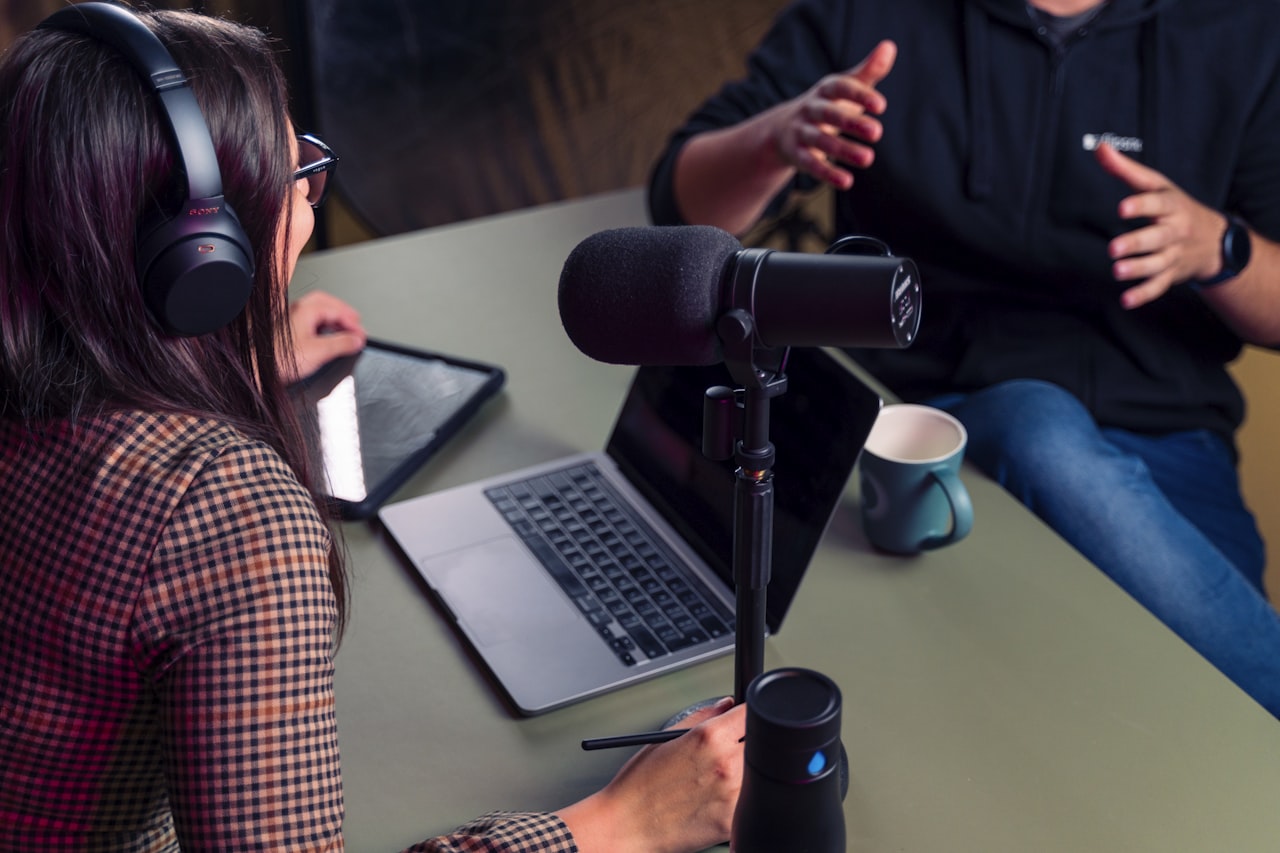
Basic cleanup covering noise reduction, level balancing, and intro/outro insertion costs SGD 80 to SGD 150 per episode with a two-to-three-day turnaround. Standard editing that adds content refinement, pacing improvements, and smooth transitions runs SGD 150 to SGD 350. Premium editing with sound design, multiple music beds, effects, and full mastering sits at SGD 350 to SGD 800. Full production packages that bundle studio recording with comprehensive post-production range from SGD 500 to SGD 1,500.
Podcast editors in Singapore typically charge per episode rather than per hour, which simplifies budgeting. Rates scale with raw recording length: a sixty-minute episode costs roughly 50 per cent more to edit than a thirty-minute one. For DIY editing, free tools like Audacity or GarageBand handle the basics, while Descript at SGD 30 to SGD 50 per month offers AI-powered transcript-based editing that accelerates the workflow considerably.
Intro and outro music is a one-time cost. Stock tracks from Epidemic Sound or Artlist cost SGD 15 to SGD 50 with podcast licensing. Custom-composed music from a Singapore musician runs SGD 300 to SGD 1,500 but gives your show a distinctive sonic identity that no competitor can replicate.
Hosting and Distribution
A podcast hosting platform stores your audio files and generates the RSS feed that distributes episodes to Apple Podcasts, Spotify, Amazon Music, and other listening apps. Hosting is a recurring monthly expense that scales with your needs.
Free options exist. Spotify for Podcasters (formerly Anchor) provides unlimited storage, basic analytics, and easy Spotify integration at no cost. For most new podcasters, this is a perfectly adequate starting point. Paid platforms offer enhanced analytics, monetisation tools, and customer support. Buzzsprout costs SGD 16 to SGD 35 per month, Transistor and Captivate sit at SGD 25 to SGD 100, and Libsyn ranges from SGD 7 to SGD 75 depending on storage requirements.
Distribution to major platforms is handled automatically through your RSS feed. Initial setup requires submitting your feed to each directory once, a process that takes fifteen to thirty minutes and is free. After that, new episodes appear everywhere within hours of publishing. Annual hosting plans typically save 15 to 25 per cent compared to monthly billing, so commit annually once you are confident in your publishing cadence.
DIY vs Professional Production
The choice between doing it yourself and outsourcing production hinges on budget, available time, and quality expectations. DIY production keeps per-episode costs to SGD 50 to SGD 150 in direct expenses but demands three to six hours of your time per episode for recording, editing, writing show notes, and promotion. Professional production raises per-episode spend to SGD 500 to SGD 2,500 but limits your time commitment to one to two hours of recording, with the production partner handling everything else.
For individual podcasters and small teams testing the concept, DIY is the sensible starting point. Invest SGD 200 to SGD 500 in equipment, learn basic editing, and focus your energy on compelling content. You can upgrade to professional production later once you have validated the concept and built an audience. For businesses using podcasts as a strategic digital marketing channel, where consistent quality and regular publishing are non-negotiable, professional production is worth the premium. At SGD 500 to SGD 1,500 per episode, it remains more affordable than corporate video production and delivers ongoing brand, SEO, and audience-building value.
Tips for Managing Your Podcast Budget
Batch your recording sessions. Recording three to four episodes in a single studio visit cuts per-episode studio costs by 50 to 75 per cent and reduces scheduling overhead. Most two-hour sessions can yield three interview episodes or four solo segments.
Repurpose every episode aggressively. A single recording can produce a blog post from the show notes, five to eight social media clips, an email newsletter segment, quote graphics, and a full YouTube video. This multiplier effect makes podcasting one of the most cost-efficient content production methods available. For businesses running a content marketing programme, the podcast serves as a content engine that feeds every other channel.
Use AI tools where appropriate. AI transcription from Descript or Otter.ai runs SGD 10 to SGD 30 per month and produces 85 to 95 per cent accurate transcripts that require light manual review. AI-generated show notes and AI-assisted editing cut production time significantly without sacrificing quality.
Start simple and upgrade incrementally. Many successful podcasts were launched with equipment costing less than SGD 300. Prove the concept, attract listeners, and reinvest as the show demonstrates measurable business value. Spending heavily on production before validating your topic and audience is the most common budgeting mistake new podcasters in Singapore make.
Frequently Asked Questions
How much does it cost to start a podcast in Singapore?
You can launch for as little as SGD 200 to SGD 500, covering a USB microphone, headphones, a pop filter, and basic acoustic treatment. Free editing software and free hosting handle production and distribution. Your main investment is time, typically four to eight hours per episode as you learn the workflow.
How much does professional podcast editing cost per episode?
Professional editing in Singapore ranges from SGD 80 for basic cleanup to SGD 800 for premium sound design and mastering. Standard editing with content refinement costs SGD 150 to SGD 350. Rates scale with raw recording length, so shorter episodes cost less to produce.
Do I need a studio to record a podcast?
No. Many successful shows are recorded at home or in office meeting rooms. The key requirements are a quiet space, basic acoustic treatment to reduce echo, and a decent microphone. Studios become worthwhile for multi-host recordings, guest interviews, and video podcast formats where controlled conditions improve quality noticeably.
How often should I publish podcast episodes?
Consistency matters more than frequency. A fortnightly show published reliably every two weeks is more effective than a weekly show that appears erratically. For businesses, fortnightly or monthly episodes balance quality with workload. Costs scale linearly with frequency.
Can a podcast generate revenue for my business?
Podcasts generate revenue both directly, through sponsorships and advertising, and indirectly, through brand building, thought leadership, and lead generation. Direct monetisation requires a meaningful audience, typically one thousand or more downloads per episode, and takes six to twelve months to develop. Indirect value, including inbound enquiries and client retention, often exceeds direct monetisation for Singapore businesses.
What is the true cost of a DIY podcast?
Direct expenses average SGD 30 to SGD 150 per episode, but the hidden cost is your time. If each episode requires four hours of work and you value your time at SGD 100 per hour, the effective cost is SGD 430 to SGD 550. This narrows the gap with mid-range professional production significantly.
Which hosting platform is best for beginners?
Spotify for Podcasters is the most accessible free option, offering unlimited storage and automatic distribution. If you want better analytics and monetisation features, Buzzsprout and Podbean offer affordable paid plans starting from SGD 12 to SGD 16 per month.
How long does it take to produce a single episode?
From research to published episode, allow two to five hours for DIY production and one to two hours of your time with professional production. Studio recording itself typically takes one to two hours per episode, with editing, show notes, and promotion adding two to four hours of additional labour.