Part of our Marketing Costs & Pricing guide →
Packaging design is far more than making a product look attractive on the shelf. In Singapore’s fiercely competitive retail environment—where consumers make purchasing decisions in seconds—your packaging is often the single most important touchpoint between your brand and a potential customer. Getting it right can transform a product’s fortunes; getting it wrong can sink a launch before it starts.
Yet many Singapore businesses struggle to budget accurately for packaging design. The costs vary dramatically depending on whether you need a simple label refresh or a completely custom structural design, whether you are working with a solo freelancer or a full-service graphic design agency, and whether your product falls under the Singapore Food Agency’s (SFA) strict labelling requirements. Without clarity on these variables, businesses either underspend and end up with packaging that fails to compete, or overspend on features they do not need.
This article provides a thorough breakdown of packaging design costs in Singapore for 2026. We cover every stage of the process—from concept development and structural design to prototyping, print-ready file preparation, and production supervision—with realistic SGD price ranges at each step. Whether you are launching a new F&B product, refreshing an existing FMCG brand, or developing luxury packaging for a premium product line, this guide will help you budget with confidence.
Packaging Design Cost Overview
Packaging design in Singapore can cost as little as $500 for a basic label design or as much as $50,000 or more for a full luxury packaging project with custom structural design, premium materials, and multiple prototyping rounds. The table below provides a high-level overview of costs by project type.
| Project Type | Cost Range (SGD) | What Is Included |
|---|---|---|
| Simple Label Design (single SKU) | $500–$2,000 | Label artwork, 2–3 revisions, print-ready file |
| Label Design (product range, 3–5 SKUs) | $2,000–$6,000 | Cohesive range design, templates, print-ready files |
| Standard Box/Pouch Design | $1,500–$5,000 | Surface graphics on existing structure, dieline adaptation |
| Custom Structural Design | $3,000–$12,000 | Custom dieline, structural engineering, 3D mockups |
| FMCG Full Package (5–10 SKUs) | $5,000–$20,000 | Range design, photography, compliance, print management |
| Luxury/Premium Packaging | $8,000–$50,000+ | Custom structure, special finishes, materials sourcing, prototyping |
These figures cover design fees only. Production costs—printing, materials, manufacturing—are separate and typically represent the larger ongoing expense. We address production-related costs in the prototyping section below.
Most packaging design projects in Singapore take between three and eight weeks from briefing to final print-ready files, with luxury and structurally complex projects taking longer. Rush timelines are possible but usually incur premiums of 25–50%.
Structural and Dieline Design Costs
Structural design refers to the three-dimensional form of the packaging—the shape of the box, the folding mechanism, the closure system, and the internal fitments that protect the product. This is distinct from the surface graphics and is often the most expensive component of a packaging project.
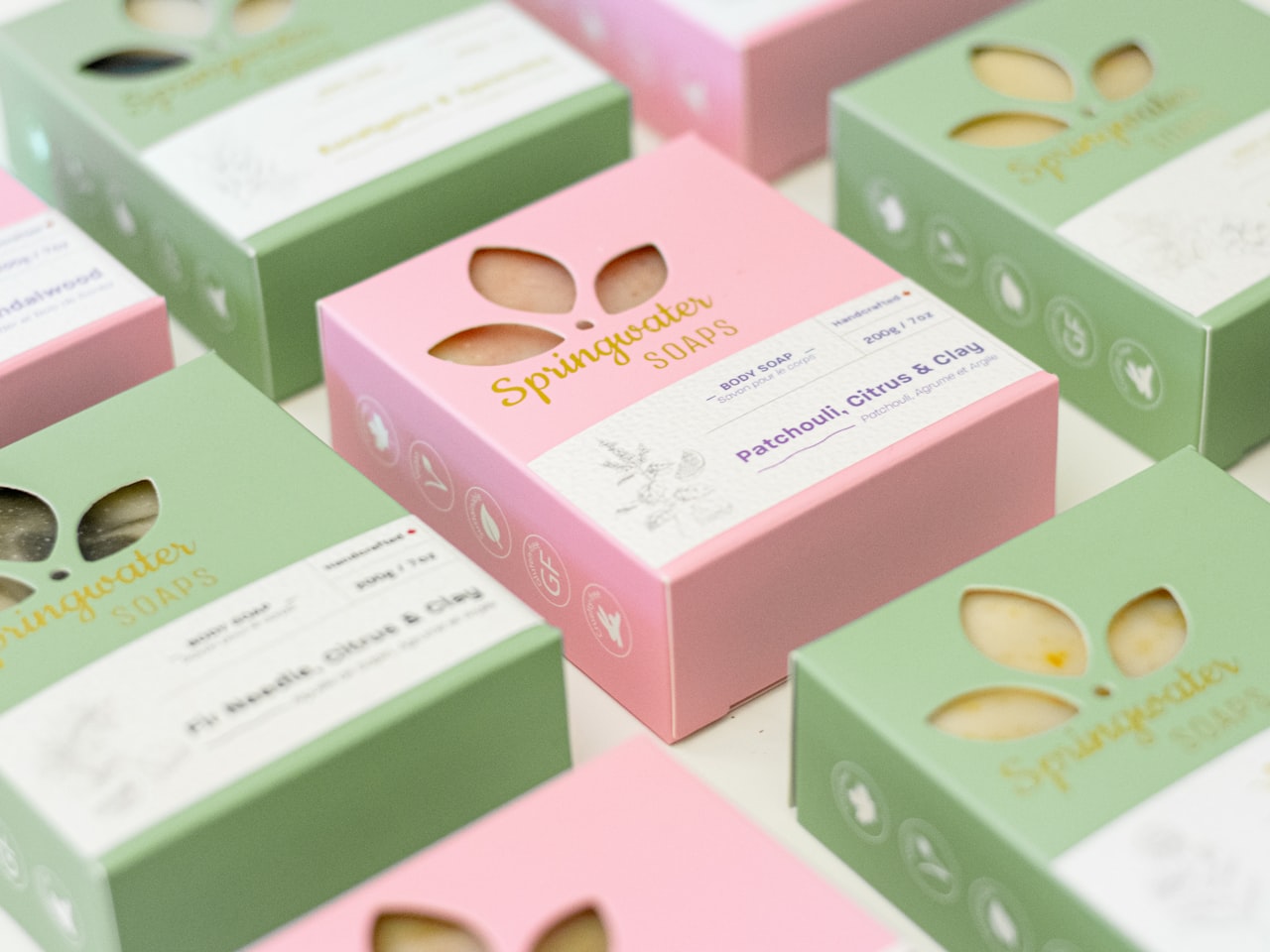
For many products, off-the-shelf structures are perfectly adequate. Standard tuck-end boxes, sleeve-and-tray configurations, and pillow boxes are available from packaging manufacturers with existing dielines. In these cases, the designer simply adapts the surface graphics to fit the pre-existing structure, which keeps costs between $1,000 and $3,000.
Custom structural design is necessary when your product has unusual dimensions, requires special protection, or when the packaging itself is a key part of the brand experience (unboxing experiences for e-commerce, gift sets, or premium products). Custom structural design in Singapore typically costs:
| Structural Complexity | Design Fee (SGD) | Timeline |
|---|---|---|
| Minor modification to standard dieline | $800–$2,000 | 1–2 weeks |
| Custom box with standard closure | $2,000–$5,000 | 2–3 weeks |
| Complex multi-component packaging | $5,000–$12,000 | 3–5 weeks |
| Innovative/patentable structure | $10,000–$25,000+ | 6–12 weeks |
Structural designers often work with CAD software and produce 3D renderings that allow you to visualise the final product before committing to physical prototypes. This step alone can save thousands of dollars by catching design issues early. Ensure your designer provides 3D mockups as part of the deliverables—most reputable firms in Singapore include this as standard.
Label and Surface Graphics Design
Surface graphics—the visual design applied to the packaging structure—is where your brand identity comes to life on the shelf. This encompasses typography, colour palette, imagery, patterns, information hierarchy, and regulatory text placement.
The cost of surface graphics design depends largely on the complexity of the visual design and the number of SKUs in the product range. A single-SKU label design for a straightforward product like a candle or a cleaning product might cost $500–$1,500, while a full FMCG range with food photography, nutritional information panels, and multilingual text can run $8,000–$20,000.
Key cost drivers for surface graphics include:
Photography and illustration. If your packaging requires custom product photography or original illustrations, budget an additional $1,000–$5,000 per asset. Stock photography is cheaper but less distinctive, and some products (particularly food and beverages) benefit enormously from professional photography. A good food photographer in Singapore charges $1,500–$4,000 per half-day shoot.
Number of SKUs. Most designers offer decreasing per-SKU rates as the range grows. The first SKU carries the full design development cost, while subsequent variants (different flavours, sizes, or colours) typically cost 30–60% of the first SKU’s design fee because they follow the established template.
Revision rounds. Most designers include two to three rounds of revisions in their quoted fee. Additional revision rounds are typically billed at $100–$300 per round per SKU. To minimise revision costs, provide a comprehensive brief upfront and consolidate feedback from all stakeholders before submitting revision requests.
Print-ready file preparation. This is the technical process of preparing files for the printer, including colour separation, bleed setup, barcode placement, and pre-flight checks. Some designers include this in their fee; others charge $200–$500 per SKU. Always confirm what format the final files will be delivered in (typically PDF/X-1a or AI/EPS with outlined fonts) and ensure they match your printer’s specifications.
Food Packaging and SFA Requirements
Food and beverage packaging in Singapore carries additional design complexity due to the Singapore Food Agency’s (SFA) labelling requirements. Non-compliance can result in product recalls, fines, and significant brand damage, so working with a designer who understands these regulations is essential.
Key SFA requirements that affect packaging design include mandatory ingredient listing in descending order of proportion, allergen declarations, nutritional information panels (mandatory for most pre-packaged foods), country of origin, net weight/volume, and storage instructions. Products marketed with health claims must comply with additional regulations.
The design cost premium for food packaging compliance is typically 15–30% above standard packaging design, reflecting the additional layout complexity, the need for accurate nutritional information panel formatting, and the designer’s regulatory knowledge. Budget approximately:
| Food Packaging Element | Additional Cost (SGD) |
|---|---|
| Nutritional Information Panel design and layout | $200–$600 per SKU |
| Allergen declaration integration | $100–$300 per SKU |
| Multilingual text (English + Mandarin/Malay/Tamil) | $300–$800 per SKU per language |
| Halal certification mark placement | $50–$150 per SKU |
| Regulatory review and compliance check | $500–$1,500 per range |
If you are launching a food product in Singapore for the first time, consider engaging a food regulatory consultant alongside your packaging designer. These consultants (typically charging $1,000–$3,000 for a compliance review) ensure your labelling meets all SFA requirements before you invest in printing.
Singapore’s Nutri-Grade labelling system for beverages is another consideration. Beverages that receive a C or D grade must display the Nutri-Grade mark prominently, which affects design layout and may require adjustments to your visual hierarchy.
Luxury and Premium Packaging Costs
Luxury packaging occupies the premium end of the market and is characterised by bespoke structural design, high-quality materials, and special finishing techniques. In Singapore, this category serves industries including jewellery, cosmetics, premium spirits, high-end electronics, and luxury gifting.
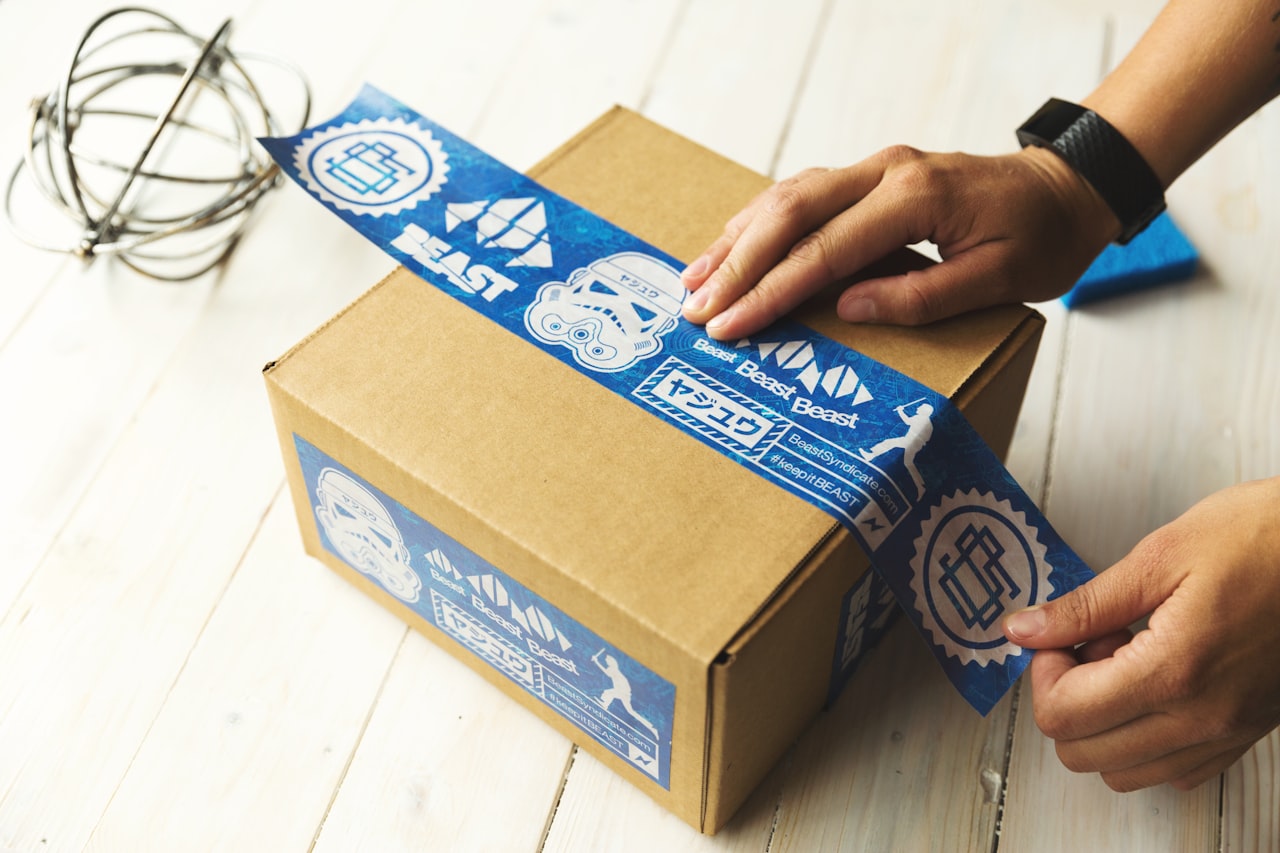
The costs are substantially higher than standard packaging because every element is elevated. Where a standard box might use 300gsm card with CMYK printing, luxury packaging might employ rigid board wrapped in specialty paper with hot foil stamping, embossing, spot UV coating, and magnetic closures. The design process is more intensive, prototyping is more expensive, and minimum production quantities are often higher due to tooling costs.
| Luxury Packaging Component | Cost Range (SGD) |
|---|---|
| Concept development and design | $5,000–$15,000 |
| Custom rigid box structure | $3,000–$10,000 (design only) |
| Materials sourcing and specification | $1,000–$3,000 |
| Prototype (per iteration) | $500–$3,000 |
| Special finishes specification (foiling, embossing, UV) | $1,000–$4,000 |
| Production supervision | $1,500–$5,000 |
| Total luxury project (design through to production-ready) | $12,000–$50,000+ |
When briefing a designer for luxury packaging, invest time in the materials exploration phase. Request physical samples of papers, boards, and finishing techniques before committing to a direction. Many Singapore-based designers maintain relationships with specialty paper suppliers and can arrange sample kits for $200–$500, which is money well spent to avoid costly material choices that do not look or feel as expected.
Freelancer vs Agency Pricing
The choice between a freelance packaging designer and a design agency significantly affects both cost and the type of service you receive.
Freelance designers in Singapore typically charge $50–$120 per hour for packaging design work. They are best suited for simpler projects—label designs, surface graphics for standard structures, or range extensions where the design language is already established. Total project costs with freelancers typically range from $500 for basic labels to $8,000 for more complex packaging designs. The trade-off is that freelancers may lack expertise in structural design, production management, or regulatory compliance, and their capacity is limited to one person’s bandwidth.
Design agencies charge $120–$300 per hour and typically offer a more comprehensive service. A good packaging design agency brings together graphic designers, structural designers, production specialists, and project managers. They can handle everything from initial concept through to print supervision, and they often have established relationships with printers and manufacturers that can save you money on production. Agency projects typically start at $3,000 and can reach $50,000 or more for large-scale luxury projects.
For businesses launching their first product, an agency engagement is often worth the premium because of the guidance provided throughout the process. For established brands with clear guidelines and straightforward design needs, a freelancer can deliver excellent results at a lower cost. If you need broader marketing support alongside packaging design, an integrated agency can ensure your packaging aligns with your wider brand and digital presence.
Prototyping and Production Costs
Prototyping bridges the gap between digital design and physical reality. In Singapore, prototyping options range from basic digital printing mockups to fully finished samples that replicate the final production packaging.
Digital mockups (3D renderings) are included in most design fees and are useful for stakeholder presentations and e-commerce product images. However, they cannot replicate the tactile experience of physical packaging.
Basic physical prototypes are produced using digital printing on similar (but not identical) materials to the final production run. These cost $100–$500 per unit and are useful for checking dimensions, structure, and general visual impact. Turnaround in Singapore is typically 3–5 working days.
Production-quality prototypes replicate the final packaging as closely as possible, including correct materials, finishes, and colours. These require tooling for die-cutting and are more expensive: $500–$3,000 per prototype depending on complexity. They take 2–4 weeks and are essential before committing to a full production run, especially for luxury packaging.
Production costs (the actual manufacturing of packaging at volume) vary enormously based on materials, quantities, and finishing techniques. As a rough guide for common packaging types in Singapore:
| Packaging Type | Unit Cost at 1,000 units (SGD) | Unit Cost at 10,000 units (SGD) |
|---|---|---|
| Printed label (adhesive) | $0.10–$0.40 | $0.03–$0.15 |
| Folding carton (standard box) | $0.80–$2.50 | $0.30–$1.00 |
| Flexible pouch (stand-up) | $0.50–$1.80 | $0.20–$0.70 |
| Rigid box (luxury) | $5.00–$20.00 | $2.50–$10.00 |
| Glass bottle with label | $1.50–$5.00 | $0.80–$2.50 |
Most Singapore-based packaging designers can recommend reliable local and regional printers. Many food and consumer goods companies source production from Malaysia, China, or Thailand to reduce costs, while luxury brands often prefer local or Japanese manufacturers for superior quality control. Your designer should be able to advise on the best production route for your specific needs and budget.
Tips for Managing Packaging Design Budgets
Invest in the brief. The most common cause of budget overruns in packaging design is an unclear brief that leads to multiple rounds of revisions. Spend time creating a detailed brief that covers your brand positioning, target audience, competitive landscape, regulatory requirements, and production constraints before engaging a designer.
Design for the range, not just the product. If you plan to expand your product line, invest upfront in a design system that accommodates future SKUs. This modular approach costs 20–30% more initially but saves significantly when you add new products because each subsequent SKU can be produced faster and at lower design cost.
Get production quotes early. Engage printers and manufacturers during the design process, not after. This ensures your designer creates something that can be produced within your unit-cost budget. There is no point designing packaging with gold foil stamping if your production budget only supports CMYK printing.
Consider sustainability. Sustainable packaging is increasingly important to Singaporean consumers and may become a regulatory requirement. Designing for recyclability or reduced material use from the outset is less expensive than retrofitting sustainability into an existing design. Many Singapore printers now offer FSC-certified papers and biodegradable materials at modest premiums of 10–20% over conventional options.
For businesses that need packaging design as part of a broader brand launch, consider working with an agency that offers integrated branding and web design services to ensure consistency across all touchpoints.
Frequently Asked Questions
How much does a simple product label design cost in Singapore?
A simple product label design in Singapore typically costs $500–$2,000 for a single SKU. This includes concept development, two to three rounds of revisions, and a print-ready file. For a range of three to five products sharing a consistent design language, expect to pay $2,000–$6,000 total. The cost increases if you require custom illustrations, professional photography, or multilingual text.
Do I need to hire separate designers for structural and graphic design?
Not necessarily. Many packaging design agencies in Singapore offer both structural and surface graphic design as integrated services. However, if you are working with a freelance graphic designer, you may need to engage a separate structural designer or packaging engineer for custom box structures. Agencies are generally more efficient for projects that require both disciplines because they manage the coordination internally.
How long does a typical packaging design project take?
A simple label design can be completed in one to two weeks. Standard packaging design (surface graphics on an existing structure) typically takes three to four weeks. Custom structural design with surface graphics takes four to eight weeks. Luxury packaging projects with multiple prototyping rounds can take eight to twelve weeks or longer. These timelines assume prompt feedback from the client—delays in approvals can extend projects significantly.
What file formats should I receive from my packaging designer?
At minimum, you should receive print-ready PDF files (PDF/X-1a format) with correct bleed, trim marks, and colour profiles (typically CMYK with Pantone spot colours if applicable). You should also receive editable source files (Adobe Illustrator AI or EPS format) with all fonts outlined and images embedded or linked. For structural designs, request the dieline in a vector format. These files are your intellectual property—ensure your contract specifies full ownership transfer upon payment.
Can I use the same packaging design for both Singapore and export markets?
In many cases, yes—but with modifications. Different markets have different regulatory requirements for labelling, language, and certifications. The core visual design can remain consistent, but you will need to adapt regulatory panels, add translations, and potentially adjust certifications (Halal, kosher, organic) for each market. Designing a flexible template from the outset makes these adaptations cheaper. Budget an additional $300–$800 per SKU per market for localisation adaptations.