Nostalgia Marketing: How to Use Retro Appeal to Build Emotional Brand Connections
Table of Contents
- What Is Nostalgia Marketing and Why It Works
- The Psychology of Nostalgia in Consumer Behaviour
- Nostalgia Triggers for Singapore Audiences
- Strategies and Tactics for Nostalgia Campaigns
- Brand Heritage and Retro Design
- Digital Channels for Nostalgia Marketing
- Risks and Pitfalls to Avoid
- Frequently Asked Questions
What Is Nostalgia Marketing and Why It Works
Nostalgia marketing is a strategy that uses references to the past — cultural touchstones, retro aesthetics, discontinued products, or shared memories — to create emotional connections between brands and consumers. It works because nostalgia is one of the most powerful emotional triggers available to marketers. When people encounter something that reminds them of a positive past experience, they feel warmth, comfort, and a sense of belonging. These positive emotions transfer directly to the brand invoking them.
The commercial effectiveness of nostalgia marketing is well documented. Research published in the Journal of Consumer Research found that nostalgia increases willingness to pay, reduces price sensitivity, and strengthens brand loyalty. Consumers experiencing nostalgia are more likely to make impulse purchases and share content on social media. The emotional warmth created by nostalgic associations is a powerful counter to the rational, comparison-driven shopping behaviour that dominates online commerce.
In Singapore, nostalgia resonates particularly strongly because of the country’s rapid transformation over the past few decades. Entire neighbourhoods, food traditions, and cultural practices have changed dramatically within living memory. This creates a rich pool of shared nostalgia that brands can tap into, from childhood snacks and television programmes to kampung life and old-school kopitiams. A thoughtful branding approach that incorporates nostalgic elements can differentiate a brand in a crowded market where competitors focus exclusively on innovation and modernity.
The Psychology of Nostalgia in Consumer Behaviour
Nostalgia functions as a psychological resource that people draw on during times of uncertainty, loneliness, or stress. When the present feels overwhelming, memories of the past offer comfort and stability. This is why nostalgia marketing tends to be particularly effective during economic downturns, periods of rapid change, and cultural upheaval — precisely the conditions many consumers have experienced in recent years.
The emotion is not just pleasant — it is social. Nostalgic memories almost always involve other people: family, friends, classmates, or community. This social dimension means nostalgia reduces loneliness and strengthens feelings of social connection. When a brand triggers these feelings, consumers associate the brand with belonging and warmth. This association is far more durable than associations based on product features or price.
Interestingly, people do not need to have personally experienced something to feel nostalgic about it. “Vicarious nostalgia” allows consumers to feel warmth for eras they never lived through. A 25-year-old can feel nostalgic about 1980s aesthetics or 1990s music even if they were born after those decades ended. This expands the potential audience for nostalgic campaigns well beyond the generation that actually lived through the referenced period, making it a versatile strategy for reaching diverse age groups.
Nostalgia Triggers for Singapore Audiences
Effective nostalgia marketing requires understanding which cultural references resonate with your target audience. In Singapore, powerful nostalgia triggers include childhood snacks and drinks (Mamee Monster, Haw Flakes, Kickapoo, Green Spot), television programmes (Growing Up, Under One Roof, Phua Chu Kang), school experiences (PSLE stress, recess time, school canteen food), and neighbourhood icons (mama shops, provision shops, old hawker centres).
National experiences also serve as strong triggers. National Day celebrations, National Service memories for male Singaporeans, and shared milestones like the opening of the MRT or the 2015 jubilee create powerful collective nostalgia. HDB living — the void decks, playgrounds, and communal spaces — resonates across demographics because the majority of Singaporeans grew up in public housing.
Cultural festivals and food traditions offer rich material. Mooncake festivals at void decks, Chinese New Year shopping at Chinatown, Hari Raya bazaars at Geylang Serai, and Deepavali lights in Little India evoke specific sensory memories. Food nostalgia is especially potent in Singapore, where traditional recipes and disappearing hawker stalls tap into deep emotional currents. Brands that reference these touchstones authentically — not superficially — create genuine connections with Singapore audiences.
Strategies and Tactics for Nostalgia Campaigns
Product relaunches and limited editions are among the most direct nostalgia marketing tactics. Bringing back a discontinued product, flavour, or design generates excitement and media coverage. Singapore consumers respond enthusiastically to revivals — when familiar brands reintroduce classic products, the response is often overwhelming. The limited-time nature of these relaunches creates urgency, and the emotional connection drives purchasing decisions that transcend rational product evaluation.
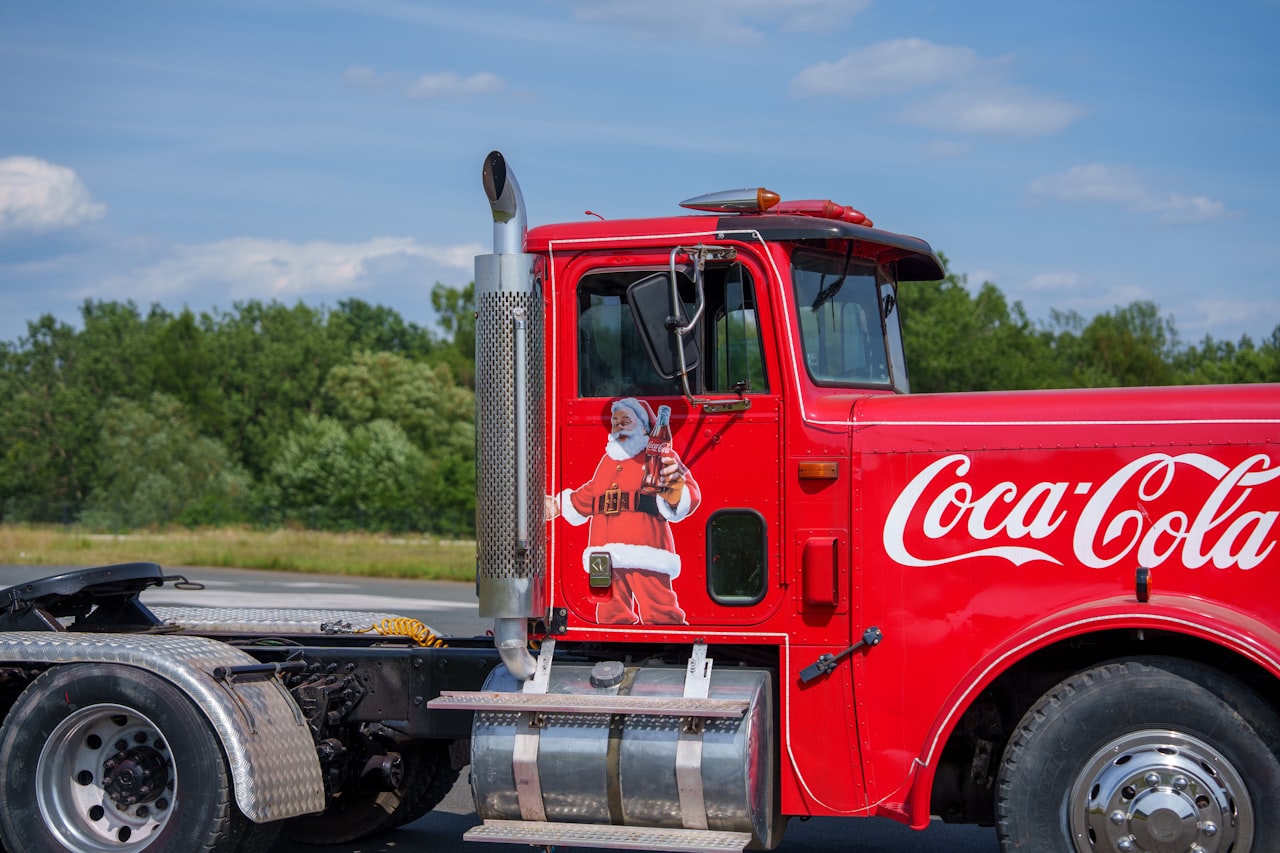
Retro packaging and design updates offer a subtler approach. Temporarily adopting vintage packaging for an existing product links it to positive associations from the past while signalling that the brand values its heritage. This tactic works particularly well for anniversary campaigns — “celebrating 30 years” with a heritage design creates a narrative of trust and longevity.
Storytelling campaigns that celebrate shared memories build community around your brand. Invite customers to share their own nostalgic memories related to your brand or industry through social media campaigns. User-generated content driven by nostalgia generates high engagement because people love sharing and reminiscing about positive memories. Create content series that document cultural changes — “then and now” comparisons, interviews with long-time customers, or explorations of how your industry has evolved in Singapore.
Brand Heritage and Retro Design
Brands with genuine heritage have a natural advantage in nostalgia marketing. If your business has been operating for decades, your history is a marketing asset. Archive materials, founding stories, milestone moments, and evolution of your products or services all provide content that resonates with long-time customers and communicates reliability to new ones.
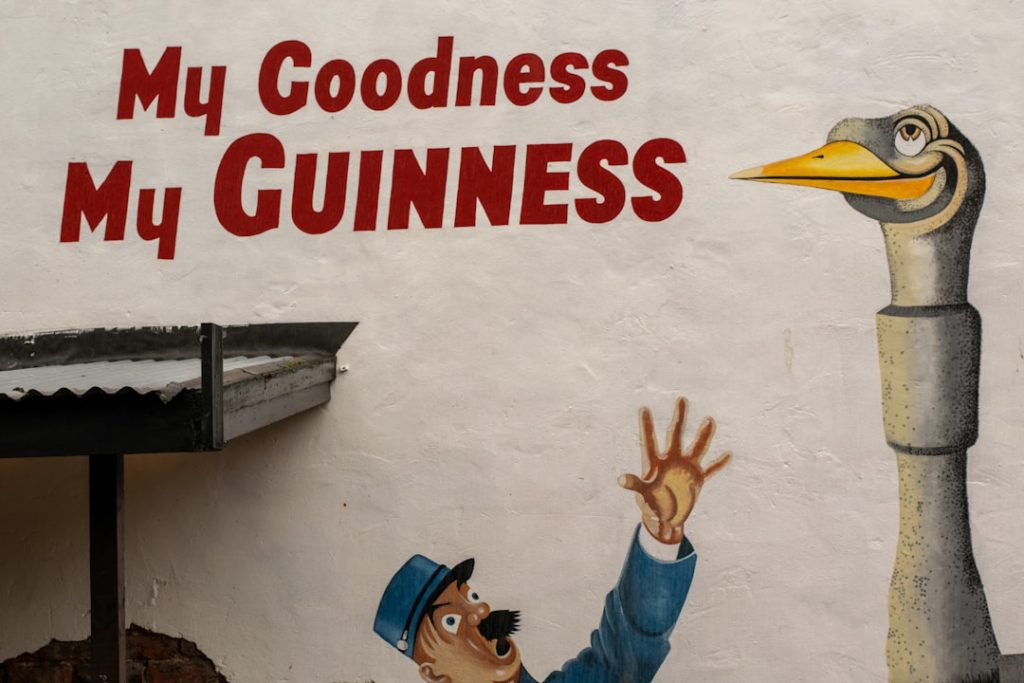
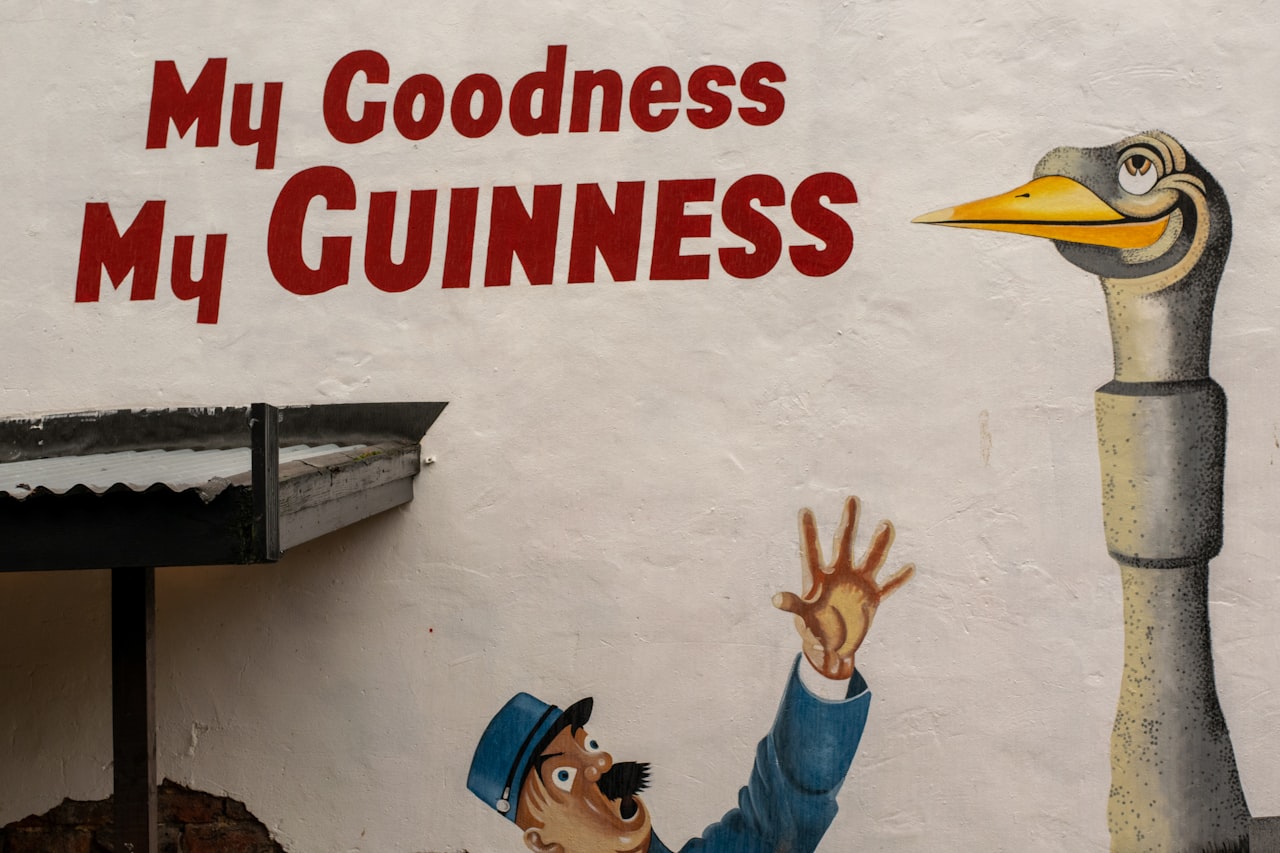
Retro design elements can be incorporated without fully reverting to vintage aesthetics. Use period-appropriate typography, colour palettes, or illustration styles as accents within a modern design framework. The goal is to evoke the feeling of a past era without looking dated. Many contemporary brands successfully blend retro elements with modern minimalism — think vintage-inspired logos, heritage colour schemes, or classic packaging shapes updated with contemporary materials.
For brands without their own heritage, collaborate with cultural institutions or heritage brands. Partner with a long-standing local brand for a co-branded product, sponsor heritage preservation initiatives, or support cultural events that celebrate Singapore’s past. These associations transfer nostalgic goodwill to your brand by proximity. Consider incorporating heritage elements into your content marketing strategy through articles, videos, or social media series that explore the cultural heritage of your industry or community.
Digital Channels for Nostalgia Marketing
Social media is the primary amplification channel for nostalgia campaigns. Nostalgic content generates exceptionally high engagement and sharing rates because people tag friends and family members who share the same memories. Facebook and Instagram are particularly effective for reaching millennials and Gen X with nostalgia content, while TikTok’s retro trend cycles make it ideal for reaching younger audiences with vintage aesthetics and sounds.
Create shareable content formats that invite participation: “only 90s kids remember this” posts, “what was your first [product]” polls, throwback Thursday series, and side-by-side then-and-now comparisons. Video content that recreates past experiences or revisits cultural touchstones performs particularly well. Music is a powerful nostalgic trigger — using period-appropriate songs or sound effects in video content amplifies the emotional response significantly.
Email marketing campaigns themed around nostalgia can re-engage dormant subscribers and drive conversions. Anniversary emails (“you have been a customer for 5 years — here is how things have changed”), seasonal throwback campaigns, and heritage-themed product launches all benefit from the emotional warmth nostalgia creates. On your website, a heritage section or brand story page that traces your evolution builds credibility and creates an emotional connection with visitors who are encountering your brand for the first time.
Risks and Pitfalls to Avoid
The biggest risk in nostalgia marketing is inauthenticity. Consumers detect insincere nostalgia immediately, and it generates backlash rather than connection. Do not reference cultural touchstones you do not genuinely understand, and do not exploit sensitive historical moments for commercial gain. If your brand has no authentic connection to the era or reference you are invoking, the campaign will feel forced.
Be careful with the era you reference. Not all aspects of the past are positive, and some references can inadvertently evoke negative associations. Avoid romanticising periods associated with inequality, hardship, or controversial social norms. In Singapore’s multicultural context, ensure that nostalgic references are inclusive and do not inadvertently exclude or offend any racial or cultural group.
Nostalgia fatigue is a real concern when the strategy is overused. If every campaign trades on the past, your brand may seem backward-looking and unable to innovate. Use nostalgia as one tool in your marketing toolkit, not the entire strategy. The most effective approach balances heritage appreciation with forward-looking innovation. A brand that honours its past while clearly investing in the future commands more respect and trust than one that relies entirely on emotional appeals to yesterday. Integrate nostalgia campaigns as seasonal or periodic elements within a broader digital marketing programme that includes contemporary messaging and forward-looking content.
Frequently Asked Questions
Which generations respond best to nostalgia marketing?
Every generation responds to nostalgia, but the triggers differ. Millennials (born 1981-1996) and Gen X (born 1965-1980) are currently the most responsive because they have enough life experience to feel genuine nostalgia while being active consumers. Gen Z also responds to nostalgia, often for eras they did not experience, driven by social media trend cycles that romanticise past decades.
How do I use nostalgia marketing if my brand is new?
New brands can leverage cultural nostalgia rather than brand heritage. Reference shared cultural memories, adopt retro design aesthetics, or create products inspired by the past. Collaborate with heritage brands, feature stories from older generations, or celebrate the history of your industry or community. Authenticity comes from genuine appreciation, not brand age.
Can nostalgia marketing work for B2B brands?
Yes, though the approach is more subtle. B2B nostalgia marketing might celebrate industry milestones, reference the evolution of professional tools and practices, or highlight long-standing client relationships. “How far we have come” narratives work well in B2B, particularly during company anniversaries or industry events.
How do I measure the effectiveness of nostalgia marketing campaigns?
Track engagement metrics (shares, comments, saves) alongside conversion metrics (sales, sign-ups, enquiries). Nostalgia campaigns typically over-index on engagement and social sharing, so capture these metrics specifically. Brand sentiment analysis through social listening tools can quantify the emotional impact. Compare conversion rates and average order values during nostalgia campaigns against baseline periods.
What industries benefit most from nostalgia marketing?
F&B, fashion, entertainment, automotive, and consumer packaged goods are natural fits because they have strong cultural associations and product histories. However, any industry with heritage or cultural significance can benefit. Financial services brands use heritage to signal stability, technology brands use throwbacks to highlight innovation, and retail brands use retro designs to stand out in crowded markets.
How often should I run nostalgia marketing campaigns?
One to two major nostalgia campaigns per year, supplemented by regular throwback content on social media, strikes the right balance. Tie major campaigns to anniversaries, cultural moments, or product milestones. Avoid making every campaign about the past — variety in your marketing approach keeps the audience engaged and prevents nostalgia fatigue.
Is there a risk of alienating younger audiences with nostalgia marketing?
Not if the campaign is well-executed. Younger audiences often find retro content fascinating and aspirational. The key is making the content accessible — do not assume knowledge of references that only older audiences would understand. Provide context that allows younger viewers to appreciate the reference even if they did not experience it firsthand.
Can nostalgia marketing work on a small budget?
Absolutely. Social media nostalgia content costs nothing to create and often generates high organic reach. Throwback posts, heritage stories, and customer memory campaigns require minimal production budget. Even packaging design nods to the past can be achieved within normal design budgets. Nostalgia marketing is one of the most budget-friendly strategies available because the emotional power comes from the reference itself, not production value.
How do I handle nostalgia for a brand that has evolved significantly?
Celebrate the evolution rather than pretending the past was better. Show the journey from then to now, acknowledging what made the past special while demonstrating how the brand has improved. “We have come a long way” messaging honours the past without disparaging the present. This approach appeals to long-time customers who remember the old days while assuring new customers that the brand continues to innovate.