Marketing Your MVP: Get Early Users Without Burning Cash
Table of Contents
- The MVP Marketing Mindset: Learning Over Revenue
- Identifying and Reaching Your Early Adopters
- Best Marketing Channels for MVP-Stage Products
- Crafting Messaging That Converts for Unfinished Products
- Building Feedback Loops Into Your Marketing
- When to Scale Marketing Beyond MVP
- Common MVP Marketing Mistakes to Avoid
- Frequently Asked Questions
The MVP Marketing Mindset: Learning Over Revenue
Your MVP marketing strategy has a fundamentally different objective from regular product marketing. You are not trying to maximise revenue or market share. You are trying to learn as fast as possible whether your product solves a real problem for real people, and how to communicate that value effectively.
This distinction matters because it changes every marketing decision you make. You do not need thousands of users. You need fifty to one hundred engaged users who will use your product actively and give you honest feedback. Quality of users matters infinitely more than quantity at this stage.
The biggest mistake founders make with MVP marketing is treating it like a product launch. They spend weeks crafting perfect ad campaigns, building elaborate funnels, and obsessing over brand consistency. Meanwhile, they could have sent fifty personal emails and had twenty conversations that taught them more than any campaign ever would.
In Singapore’s startup ecosystem, the temptation to look polished and professional from day one is particularly strong. Resist it. Your MVP marketing should be scrappy, personal, and focused entirely on getting your product into the hands of people who can tell you whether it works.
Identifying and Reaching Your Early Adopters
Early adopters are not just anyone willing to try something new. They are people who actively experience the problem your MVP addresses and are dissatisfied with current solutions. Finding these people is your first marketing task.

Start by mapping where your target users spend time online and offline. For B2B products in Singapore, this might be LinkedIn groups, industry Slack channels, co-working spaces like JTC LaunchPad or Block71, or specific Facebook groups. For B2C products, look at subreddits, HardwareZone forums, Telegram groups, and niche communities on social platforms.
Create a hit list of one hundred potential early adopters. These should be specific individuals or companies, not vague segments. Research each one enough to write a personalised outreach message that demonstrates you understand their situation. This manual approach does not scale, and that is exactly the point.
Leverage your personal and professional network aggressively. In Singapore’s compact business community, you are rarely more than two connections away from anyone. Ask for warm introductions. People are far more likely to try an unpolished product when it comes recommended by someone they trust.
Attend startup events, meetups, and industry conferences. Not to pitch from the stage, but to have one-on-one conversations. Ask people about their challenges before mentioning your product. If their problem aligns with your solution, offer them early access. The context of an in-person conversation makes people significantly more willing to try something new.
Consider offering your MVP for free or at a steep discount in exchange for commitment to provide feedback. The goal is learning, not revenue. A user who pays nothing but gives you detailed weekly feedback is worth more than ten paying customers who never respond to your emails.
Best Marketing Channels for MVP-Stage Products
Not every marketing channel makes sense at the MVP stage. You need channels with short feedback loops, low cost, and the ability to target specific user profiles. Here are the channels that work best.
Direct outreach via email and LinkedIn message is your highest-ROI channel at this stage. It costs nothing, you control exactly who sees your message, and the responses tell you instantly whether your positioning resonates. Aim for a response rate of fifteen to twenty percent. If you are below that, your messaging needs work, not your volume.
Online communities provide access to concentrated groups of your target users. Identify three to five communities where your ideal early adopters are active. Contribute valuable insights for two to three weeks before mentioning your product. When you do share it, frame it as a request for feedback rather than a sales pitch. Communities reward authenticity and punish self-promotion.
Content marketing through a simple blog or LinkedIn articles establishes credibility while attracting inbound interest. Write about the problem your MVP solves from a position of expertise. This content also serves as a long-term SEO asset that continues to drive traffic as your product matures.
Partnerships with complementary products or services can provide warm introductions to potential users. If your MVP integrates with an existing tool, reach out to that tool’s team about featuring you in their marketplace or newsletter. Many established companies are eager to highlight complementary solutions for their users.
Avoid paid advertising at the MVP stage unless you are specifically testing messaging variations. The feedback cycle from ads is too slow and too expensive for a product that is still changing weekly. Your budget is better spent on direct engagement and relationship building. For more on cost-effective marketing, read our guide on bootstrapped marketing strategies.
Crafting Messaging That Converts for Unfinished Products
Marketing an MVP requires honest, compelling messaging that acknowledges your product’s early stage while emphasising its unique value. This is a delicate balance, but it is achievable.
Lead with the problem, not the product. Your outreach and landing page should spend seventy percent of their space articulating the problem you solve and thirty percent on how your solution addresses it. Early adopters are motivated by pain relief, not feature lists.
Be transparent about your MVP status. Phrases like “early access,” “founding user,” and “beta programme” actually increase appeal for the right audience. Early adopters enjoy being part of something new and having influence over product direction. Frame your MVP stage as an exclusive opportunity, not an apology.
Focus on the one thing your MVP does better than alternatives. Every product, even an MVP, should have one clearly superior capability. Maybe it is speed, simplicity, a specific integration, or a unique approach to the problem. Make that single advantage the centrepiece of your messaging.
Use specific language rather than generic marketing speak. Instead of “streamline your workflow,” write “reduce your monthly report generation from three hours to fifteen minutes.” Specificity builds credibility, especially when your brand does not yet have recognition to lean on.
Create a simple landing page that converts visitors into users or waitlist subscribers. Keep it to one page with a clear headline, three to four bullet points of value, any social proof you have, and a single call-to-action. Professional web design helps, but clarity matters more than aesthetics at this stage.
Building Feedback Loops Into Your Marketing
At the MVP stage, marketing and product development should be the same conversation. Every marketing interaction is a research opportunity, and every piece of user feedback should inform your messaging.
Set up a systematic feedback collection process. Send a brief survey to every new user after their first week. Ask three questions: what problem brought you here, how well does the product solve it on a scale of one to ten, and what one thing would make you recommend it to a colleague? These three data points guide both product and marketing decisions.
Monitor how users describe your product in their own words. When early adopters explain your product to others, the language they use is often more compelling than anything your team could write. Incorporate their exact phrases into your marketing copy. This technique, sometimes called “voice of customer” research, is invaluable for refining messaging.
Track your activation metrics obsessively. What percentage of sign-ups actually use the core feature? Where do they drop off? If your marketing attracts users who sign up but never engage, you either have a targeting problem or an onboarding problem. Distinguish between the two before increasing your marketing spend.
Create a direct communication channel with your early users. A WhatsApp group, Telegram channel, or Slack workspace where you can ask questions and get real-time responses is worth more than any analytics dashboard. In Singapore, WhatsApp groups are particularly effective for maintaining ongoing dialogue with users.
Use your marketing experiments to test product hypotheses. If you are debating between two feature priorities, create two different landing page variations emphasising each feature and see which generates more sign-ups. This market-based validation is faster and cheaper than building both features and seeing which gets used.
When to Scale Marketing Beyond MVP
Knowing when to shift from MVP marketing to growth marketing is one of the most important decisions a startup makes. Scale too early and you burn cash acquiring users for a product that is not ready. Scale too late and you lose momentum to competitors.
Look for these signals that indicate readiness to scale. Your retention rate stabilises, meaning users who sign up continue to use the product after thirty days. Your Net Promoter Score exceeds forty. Users begin referring others without being prompted. You can articulate your value proposition in one sentence that consistently resonates.
Before scaling, document what works. Which outreach messages got the highest response rates? Which landing page variations converted best? Which channels produced the most engaged users? This documentation becomes the playbook your team or agency follows during the growth phase.
Transition gradually rather than switching overnight. Continue your direct outreach while layering in scalable channels like SEO for startups and targeted paid advertising. Monitor whether your conversion rates hold as you widen your targeting. A drop in conversion rate often signals that you are reaching beyond your core audience too quickly.
Consider working with a digital marketing agency at this transition point. Agencies bring expertise in scaling channels that would take months to develop in-house, and they can accelerate your growth during the critical window between MVP validation and market competition.
Common MVP Marketing Mistakes to Avoid
After working with numerous startups in Singapore, certain patterns of MVP marketing failure repeat consistently. Avoiding these mistakes puts you ahead of most founders.
Spending on brand identity before product validation is a common trap. A beautiful logo and comprehensive brand guidelines are meaningless if nobody wants your product. Invest in basic, clean startup branding and save the full brand development for after you have proven product-market fit.
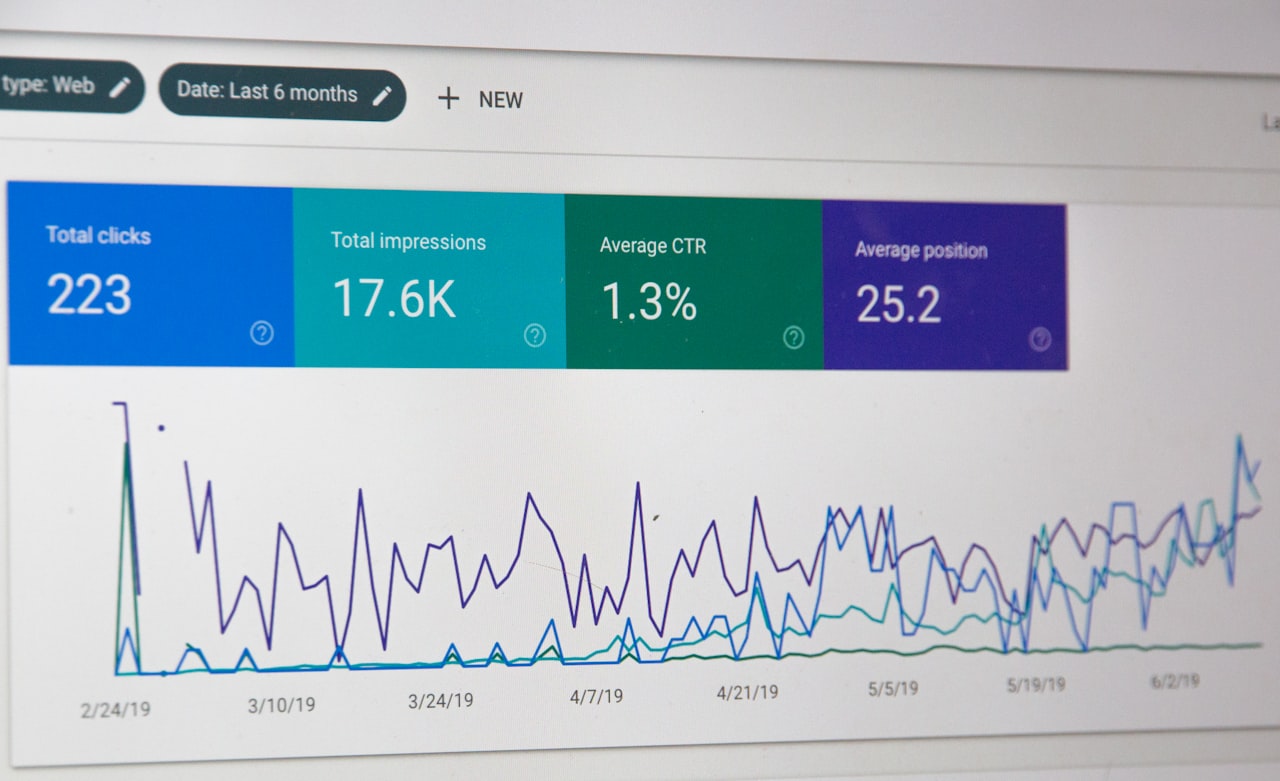
Optimising for vanity metrics instead of learning is equally dangerous. Thousands of website visitors or social media followers mean nothing if they are not converting to active users. Focus on metrics that indicate real engagement: activation rate, weekly active users, and user satisfaction scores.
Building complex marketing funnels prematurely wastes time and money. You do not need a seven-email nurture sequence, retargeting campaigns, and a content calendar when you have thirty users. Do things that do not scale. Send personal emails. Make phone calls. Meet people for coffee. These approaches give you richer feedback than any automated system.
Ignoring negative feedback is a fatal mistake. If early users tell you the product does not solve their problem well enough, more marketing will not fix that. Pause your acquisition efforts, address the product issues, and then resume. Marketing a product that does not work well enough is the fastest way to burn money and damage your reputation.
Trying to be everywhere at once spreads your limited resources too thin. Pick two to three channels maximum. Execute well on those. Only add new channels after you have exhausted the growth potential of your current ones or need to test fundamentally different audience segments.
Frequently Asked Questions
How many users does an MVP need to validate product-market fit?
There is no magic number, but fifty to one hundred active users who use your product regularly and can articulate the value it provides is a strong signal. Focus on engagement depth rather than user count. Ten users who cannot live without your product indicate stronger product-market fit than one thousand who signed up and forgot about it.
Should I charge for my MVP?
Charging even a small amount provides a stronger validation signal than free sign-ups because payment indicates real perceived value. However, if charging creates friction that prevents you from reaching your target user count, offer it free in exchange for committed feedback. The learning is more valuable than early revenue.
How do I market an MVP that is not visually polished?
Lead with the outcome, not the interface. Screenshots of a rough product can actually harm conversion. Instead, describe the transformation your product enables, share testimonials from beta users, and use diagrams or mockups that communicate the concept without exposing the unfinished interface.
What is the biggest MVP marketing mistake founders make?
Spending money on paid advertising before understanding their target audience and messaging. Paid ads amplify whatever you put into them. If your messaging is wrong, ads just burn cash faster. Perfect your positioning through direct conversations first, then consider paid channels to scale what works.
How long should the MVP marketing phase last?
Plan for three to six months of MVP marketing. If you have not found product-market fit signals within six months, the product likely needs a significant pivot rather than more marketing effort. Some startups find fit within weeks, while others require multiple iterations over several months.
Can I use a landing page to test my MVP idea before building it?
Absolutely. A well-crafted landing page describing your proposed solution with a sign-up form or “request access” button is one of the cheapest ways to validate demand. If you cannot drive meaningful sign-ups to a landing page, building the actual product would be premature.
How do I handle competition when marketing an MVP?
Do not position your MVP against established competitors. Instead, focus on a specific niche or use case that competitors underserve. Your advantage is agility and willingness to serve a focused market exceptionally well. Let competitors own the broad market while you dominate a narrow segment.
Should I invest in SEO during the MVP phase?
Start with foundational SEO work: optimise your landing page, set up Google Search Console, and publish two to four pieces of content targeting long-tail keywords in your niche. This low-effort investment starts building search visibility that pays dividends once you scale. Full SEO campaigns make more sense post-validation.