
Millennial Marketing in Singapore: Values, Channels and Buying Behaviour
Table of Contents
- Who Are Millennials in Singapore?
- Spending Habits and Financial Priorities
- Digital Channels That Reach Millennials
- Values-Driven Marketing Strategies
- Content Strategies for Millennials
- Marketing to the Sandwich Generation
- Loyalty and Retention Tactics
- Campaign Measurement and Optimisation
- Frequently Asked Questions
Who Are Millennials in Singapore?
Millennials — generally defined as those born between 1981 and 1996 — are Singapore’s largest and most economically active consumer segment. Now aged between 30 and 45, they occupy senior professional roles, run households, raise children and increasingly care for ageing parents. Understanding millennial marketing singapore is essential for any brand that wants to capture this high-value demographic.
In Singapore, millennials number approximately 1.2 million residents. They are the first generation to have grown up with the internet, adopting email, social media and smartphones during their formative years. Unlike Gen Z, who are digital natives, millennials are digital adapters — they remember life before the internet but transitioned seamlessly into the digital age.
A Multicultural, Highly Educated Cohort
Singaporean millennials are among the most educated generations in the nation’s history, with university graduation rates significantly higher than their parents’. Many have studied or worked abroad, giving them a cosmopolitan outlook while retaining strong ties to local culture. They switch effortlessly between English and mother tongue languages, and their cultural references span both Western and Asian influences.
This cohort experienced formative economic events — the 2008 global financial crisis during their early careers, rapid property price inflation and most recently, the COVID-19 pandemic. These experiences have shaped a generation that values financial security, career stability and purposeful consumption, while still seeking experiences and personal fulfilment.
Spending Habits and Financial Priorities
Millennials in Singapore represent peak spending power combined with growing financial responsibilities. They are the primary decision-makers for household purchases, from groceries and insurance to property and family holidays. Their spending patterns reveal a generation balancing aspiration with pragmatism.

Property and Big-Ticket Purchases
Housing is the single largest financial commitment for most Singaporean millennials. Whether navigating the BTO (Build-To-Order) system or the resale market, property decisions dominate their financial planning. Brands in financial services, home furnishing and renovation industries find a receptive audience among millennials actively setting up or upgrading their homes.
Experience Over Ownership
While millennials are willing to invest in property and essentials, they famously prioritise experiences over material possessions for discretionary spending. Travel, dining, wellness and cultural experiences consistently rank among their top spending categories. Brands that can frame products as experiences — or bundle products with experiential elements — perform well with this audience.
Value-Conscious but Not Cheap
Singaporean millennials are thorough researchers. Before making a purchase, they compare options, read reviews, check price-comparison sites and consult their social networks. They are willing to pay premium prices for quality, convenience and values alignment, but they expect transparency and justification for those premiums. Effective digital marketing for this audience must balance emotional appeal with rational persuasion.
Digital Channels That Reach Millennials
Millennials in Singapore maintain a broad digital presence across multiple platforms, making them accessible but also requiring a diversified channel strategy. Unlike Gen Z, whose attention concentrates heavily on TikTok, millennials spread their digital time more evenly.
Instagram: The Visual Hub
Instagram remains the most influential social platform for Singaporean millennials. They use it for lifestyle inspiration, brand discovery, product research and social connection. Both feed posts and Stories/Reels drive engagement, though Reels have become increasingly important as the platform pushes short-form video. Brands should maintain a strong Instagram presence with a mix of polished and authentic content.
Facebook: Still Relevant for Millennials
Unlike Gen Z, millennials in Singapore still actively use Facebook, particularly for groups, events and marketplace. Facebook Groups centred around parenting, property, food recommendations and hobby communities are thriving ecosystems where millennials seek and share advice. Brands can tap into these communities through strategic social media marketing.
YouTube and Podcasts
Millennials consume significantly more long-form content than Gen Z. YouTube is a primary platform for product reviews, tutorials, vlogs and educational content. Podcasts have also gained substantial traction, with Singaporean millennials tuning into shows covering personal finance, career development, parenting and local culture during commutes and workouts.
LinkedIn for Professional Engagement
As career-focused professionals, Singaporean millennials are active on LinkedIn. B2B brands and professional services firms find strong engagement on this platform. Thought leadership content, industry insights and career-related stories resonate particularly well.
Email Marketing: Underrated but Effective
Millennials are the last generation to have fully embraced email as a personal communication tool. Well-crafted email marketing campaigns — particularly those offering exclusive access, personalised recommendations or loyalty rewards — continue to deliver strong ROI for this demographic.
Values-Driven Marketing Strategies
Singaporean millennials care deeply about what brands stand for, not just what they sell. Values-driven marketing is not a nice-to-have — it is a strategic imperative for any brand serious about millennial marketing singapore.
Sustainability and Ethical Consumption
Millennials were the generation that brought sustainability into mainstream consumer consciousness. In Singapore, they actively seek out eco-friendly products, support local businesses with sustainable practices and are willing to modify their consumption habits to reduce environmental impact. Brands must back sustainability claims with evidence — millennials are sophisticated enough to distinguish genuine commitment from marketing spin.
Diversity and Inclusion
Singapore’s multicultural fabric makes diversity and inclusion particularly resonant. Millennials expect brands to represent Singapore’s diverse population authentically in their marketing — across ethnicity, body type, family structure and ability. Tokenistic representation is quickly called out, while genuine inclusion builds loyalty.
Mental Health and Wellbeing
The pandemic accelerated millennials’ focus on mental health and holistic wellbeing. Brands that acknowledge the pressures facing this generation — career demands, parenting, caregiving, financial stress — and offer genuine support or solutions build deep emotional connections. This extends to workplace culture for employer brands seeking to attract millennial talent.
A thoughtful branding strategy that integrates these values authentically will resonate far more deeply than surface-level campaigns.
Content Strategies for Millennials
Content marketing for millennials requires a different approach than for younger or older demographics. This generation appreciates depth, quality and utility — but also expects content to be engaging and visually appealing.

Educational Content That Solves Problems
Millennials actively seek content that helps them navigate life’s challenges. Financial planning guides, parenting tips, career advice, home renovation ideas and health information all perform well. Brands that position themselves as helpful resources — rather than just sellers — build trust and authority. Investing in content marketing that genuinely educates pays long-term dividends with this audience.
Storytelling and Narrative Content
Millennials respond to stories — brand origin stories, customer success stories, behind-the-scenes narratives and human interest pieces. They want to understand the people and purpose behind a brand. Video documentaries, long-form articles and podcast interviews are effective storytelling formats.
Video Content: Short and Long
While millennials engage with short-form video (Reels, Shorts), they are equally comfortable with longer formats. Product reviews, how-to tutorials, webinars and documentary-style content can run five to twenty minutes and still hold millennial attention — provided the content is genuinely valuable and well-produced.
Localised Content
Content that reflects Singaporean culture, concerns and aspirations outperforms generic global content. References to local food culture, the HDB experience, COE prices, CPF planning and the hawker centre lifestyle create immediate relevance and connection.
Marketing to the Sandwich Generation
One of the defining characteristics of Singaporean millennials is their role as the sandwich generation — simultaneously raising children and supporting ageing parents. This dual responsibility creates unique needs, pressures and marketing opportunities.
Family-Oriented Products and Services
Millennials in the sandwich generation are actively purchasing for three generations: their children, themselves and their parents. This makes them decision-makers for an extraordinarily wide range of products and services — from children’s education and healthcare to eldercare solutions and family insurance plans.
Time-Saving Solutions
Time is the scarcest resource for sandwich-generation millennials. Products and services that save time — meal delivery, household services, efficient financial tools, streamlined healthcare access — are highly valued. Marketing that emphasises convenience and time savings resonates deeply.
Emotional Messaging Around Family
Family is a powerful emotional lever for Singaporean millennials. Marketing that authentically portrays the joys and challenges of multi-generational family life — without being saccharine or stereotypical — creates strong emotional connections. Campaigns during cultural moments such as Chinese New Year, Hari Raya and Deepavali, which centre on family gatherings, are particularly effective.
Financial Planning and Security
The financial pressures of supporting multiple generations make financial planning content and products exceptionally relevant. Insurance, investment, CPF optimisation and estate planning are topics that millennial consumers actively seek information about.
Loyalty and Retention Tactics
Acquiring millennial customers is expensive. Retaining them is where the real value lies. Singaporean millennials can be fiercely loyal to brands that earn their trust, but they will switch without hesitation if they feel undervalued.
Loyalty Programmes That Offer Real Value
Millennials in Singapore are savvy about loyalty programmes. Points-based systems with meaningful redemption options, tiered rewards that recognise spending levels and exclusive member benefits all drive retention. However, programmes that are overly complicated or offer poor value will be abandoned quickly.
Personalisation at Scale
Millennials expect brands to know them. Personalised product recommendations, tailored email content, birthday rewards and browsing-based retargeting all signal that a brand values the individual relationship. The key is personalisation that feels helpful, not intrusive.
Community Building
Brands that build communities around shared interests or life stages create powerful retention loops. Parenting groups, fitness communities, food enthusiast forums and professional networks — whether on Facebook Groups, Telegram or proprietary platforms — keep millennials engaged between purchases.
Combining paid advertising for acquisition with strong retention strategies maximises customer lifetime value among millennial audiences.
Campaign Measurement and Optimisation
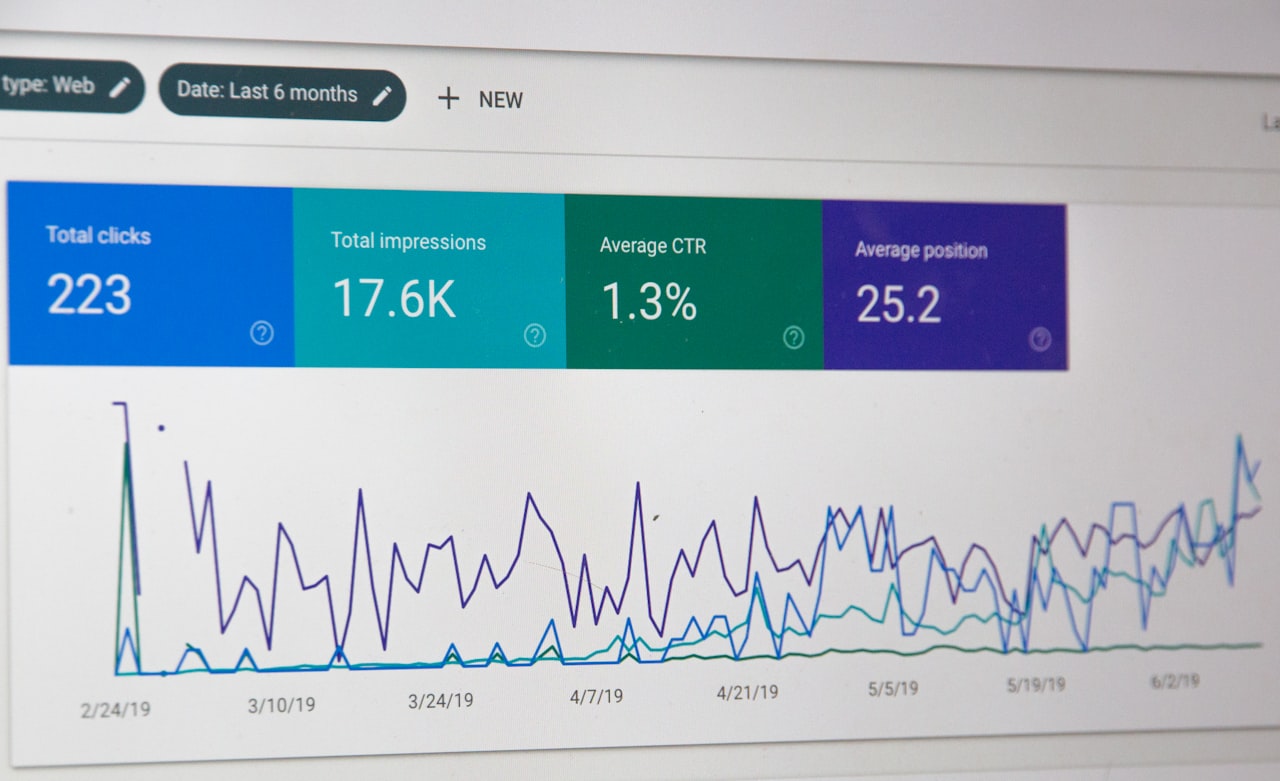
Measuring the effectiveness of millennial-targeted campaigns requires a balanced scorecard that captures both immediate performance and long-term brand building.
Key Performance Indicators
For direct response campaigns, track cost per acquisition, return on ad spend, conversion rate and average order value. For brand-building campaigns, monitor brand awareness, consideration, Net Promoter Score and social media sentiment. Millennials often research extensively before purchasing, so attribution windows should be longer than for impulse-driven Gen Z campaigns.
Multi-Touch Attribution
Millennials typically interact with a brand across multiple touchpoints before converting. A millennial might see an Instagram ad, read a blog post, compare prices on a review site, ask for recommendations in a Facebook Group and finally purchase via a branded search. Multi-touch attribution models — rather than last-click — provide a more accurate picture of channel effectiveness.
Customer Lifetime Value
Given millennials’ potential for long-term loyalty, customer lifetime value (CLV) is a critical metric. Brands should track CLV by acquisition channel and campaign to understand which marketing investments yield the most valuable long-term customers. A comprehensive SEO strategy often delivers the highest CLV among millennials, as organic search captures high-intent prospects at the moment of need.
A/B Testing and Iteration
Continuous testing of creative, messaging, offers and targeting is essential. Millennials’ preferences evolve as they progress through life stages, so what worked last year may not work today. Establish a rigorous testing framework and allocate budget for ongoing experimentation.
Frequently Asked Questions
What age range are millennials in Singapore?
Millennials are generally defined as those born between 1981 and 1996. In Singapore, this means they are currently aged between 30 and 45. They are the largest consumer segment in the workforce and hold significant household spending power.
What is the sandwich generation and why does it matter for marketing?
The sandwich generation refers to adults who simultaneously care for their ageing parents and their own children. Many Singaporean millennials fall into this category, making them decision-makers for products and services spanning three generations — from childcare and education to eldercare and healthcare.
Which social media platforms do Singaporean millennials use most?
Instagram is the leading platform, followed by Facebook, YouTube and LinkedIn. Unlike Gen Z, millennials still actively use Facebook, particularly for Groups and Marketplace. YouTube serves as both an entertainment and research platform, while LinkedIn is important for professional engagement.
Do millennials in Singapore still use Facebook?
Yes, Facebook remains relevant for Singaporean millennials. While they may not post as frequently as before, they actively participate in Facebook Groups, use Marketplace, follow brand pages and engage with events. It remains an effective advertising platform for reaching this demographic.
How do Singaporean millennials research before purchasing?
Millennials are thorough researchers. They typically consult multiple sources before making a purchase — including online reviews, social media, comparison websites, friend recommendations and brand websites. The research process can span days or weeks for significant purchases, making multi-touchpoint marketing essential.
What values matter most to millennial consumers in Singapore?
Sustainability, work-life balance, mental health awareness, diversity and inclusion, and ethical business practices are the values that resonate most strongly. Millennials support brands that authentically align with these values and are quick to disengage from those that do not.
Is email marketing effective for reaching millennials?
Yes, email marketing remains highly effective for Singaporean millennials. They are accustomed to email communication and respond well to personalised, value-driven email campaigns. Newsletters, exclusive offers, loyalty updates and educational content perform particularly well in email format.
How important is personalisation for millennial marketing?
Very important. Millennials expect brands to understand their preferences and deliver relevant experiences. Personalised product recommendations, tailored content, location-based offers and customised loyalty rewards all drive higher engagement and conversion rates.
What content formats work best for millennial audiences?
Millennials engage with a wide range of content formats, including long-form articles, video tutorials, podcasts, Instagram Reels, email newsletters and interactive tools. The common thread is that content must provide genuine value — whether educational, entertaining or inspirational. Quality and depth are valued over volume.
How do you measure the success of millennial marketing campaigns?
Use a balanced approach combining direct response metrics (conversion rate, ROAS, CPA) with brand health indicators (awareness, NPS, sentiment). Multi-touch attribution is essential given millennials’ complex purchase journeys. Customer lifetime value should be the ultimate north-star metric for this high-value demographic.