Marketing to Malay and Muslim Consumers in Singapore: Halal, Culture and Channels
Table of Contents
- Understanding the Malay and Muslim Consumer Community
- Halal Considerations: Beyond Food Certification
- Cultural Values That Influence Consumer Behaviour
- Digital Channels and Media Consumption Patterns
- Hari Raya and Festival Marketing
- Content and Messaging Strategies
- Advertising and Targeting Approaches
- Building Authentic Relationships
- Frequently Asked Questions
Understanding the Malay and Muslim Consumer Community
Marketing malay muslim consumers singapore requires a nuanced understanding of a community that is deeply woven into the nation’s cultural identity. Malays constitute approximately 13.5 per cent of Singapore’s resident population — the second-largest ethnic group — and the overwhelming majority of the community practises Islam. Additionally, Singapore’s Muslim population includes Indian Muslims, Arab Singaporeans, converts and Muslim expatriates from Indonesia, Malaysia and the wider Muslim world, expanding the addressable audience beyond ethnic Malays alone.
The Malay and Muslim community in Singapore is characterised by strong family bonds, deep religious faith, vibrant cultural traditions and an increasingly sophisticated consumer profile. Younger generations are digitally native, globally connected and confident in their identity — embracing both Islamic values and contemporary lifestyles. This combination creates a consumer segment that is culturally grounded yet commercially dynamic.
The economic significance of the halal economy should not be underestimated. Singapore positions itself as a global halal hub, and the domestic halal market encompasses food and beverages, cosmetics and personal care, pharmaceuticals, fashion, travel and financial services. Businesses that genuinely commit to serving this market — beyond superficial gestures — find a loyal, engaged and growing consumer base.
For brands developing a comprehensive digital marketing strategy, the Malay and Muslim consumer segment represents both a significant domestic market and a gateway to the broader Southeast Asian Muslim market spanning Malaysia, Indonesia and Brunei.
Halal Considerations: Beyond Food Certification
Halal Certification in Singapore
The Majlis Ugama Islam Singapura (MUIS) is the sole authority for halal certification in Singapore. A MUIS halal certificate is the gold standard of trust for Muslim consumers — it signals that a business has undergone rigorous inspection and meets Islamic dietary requirements. For F&B businesses, obtaining halal certification is the single most impactful step for attracting Muslim consumers. Without it, many Muslim consumers will simply not consider your establishment, regardless of how good your food or service may be.

The certification process covers ingredient sourcing, preparation methods, kitchen equipment, storage, staff training and cross-contamination prevention. It is thorough and ongoing, with regular audits. Businesses that invest in halal certification demonstrate genuine commitment rather than token inclusivity.
Muslim-Friendly vs Halal-Certified
Not all businesses can or need to obtain full halal certification. The concept of “Muslim-friendly” has emerged to describe businesses that accommodate Muslim consumers without being formally certified — for example, restaurants that offer clearly separated halal options, hotels that provide prayer facilities and travel operators that cater to Muslim dietary and prayer needs. Transparency is critical: never claim to be halal without certification, and clearly communicate what “Muslim-friendly” means in your specific context.
Halal Beyond Food
The halal economy extends well beyond food. Halal cosmetics and personal care products (free from animal-derived ingredients not slaughtered according to Islamic law, alcohol and other prohibited substances) represent a rapidly growing market. Halal pharmaceuticals, Islamic finance and takaful (Islamic insurance), modest fashion and halal tourism are all thriving sectors. Businesses in these categories that secure halal credentials access a dedicated, brand-loyal consumer base.
The Halal Supply Chain
Muslim consumers increasingly scrutinise the entire supply chain, not just the end product. Ingredients, manufacturing processes, logistics and storage all matter. A product may contain halal ingredients but lose its halal status through improper handling or storage alongside non-halal products. Marketing that communicates supply chain integrity — from source to shelf — builds confidence among informed Muslim consumers.
Cultural Values That Influence Consumer Behaviour
Faith and Religious Observance
Islam is central to the daily lives of Muslim consumers, influencing everything from dietary choices to financial decisions to time management (daily prayer times structure the day). Marketing that respects and accommodates religious practice builds trust. Practical considerations include being mindful of prayer times when scheduling events, avoiding scheduling activities during Friday midday prayers and being sensitive to fasting requirements during Ramadan.
Community and Gotong Royong
The Malay concept of gotong royong — mutual assistance and community cooperation — reflects a deeply communal cultural orientation. Consumer decisions are often influenced by community opinion, family advice and peer recommendations. Marketing that fosters community connection, supports communal activities and encourages sharing resonates with this value system. A thoughtful branding approach that embodies community values strengthens brand affinity.
Modesty and Appropriate Representation
Modesty is valued in both personal conduct and public presentation. Marketing materials should reflect this by featuring appropriately dressed individuals, avoiding overtly sexualised imagery and maintaining a respectful tone. This does not mean conservative or boring — Malay and Muslim consumers appreciate creativity, style and energy — but it does mean being mindful of cultural boundaries. Many Muslim women in Singapore wear the hijab, and representation in marketing imagery should reflect this reality.
Respect for Elders and Authority
Similar to many Asian cultures, Malay culture places high importance on respect for elders (known as “orang tua”). Marketing that features multi-generational families, acknowledges the role of parents and grandparents in decision-making and conveys respect for authority figures resonates deeply. Endorsements from respected community leaders, religious scholars and established professionals carry significant weight.
Adat and Cultural Tradition
Adat refers to Malay customs and cultural practices that coexist with Islamic principles. These include wedding customs (nikah and bersanding ceremonies), coming-of-age celebrations, cultural arts (batik, gamelan, silat) and traditional cuisine. Brands that understand and honour adat — incorporating cultural elements authentically rather than superficially — demonstrate genuine cultural respect.
Digital Channels and Media Consumption Patterns
TikTok and Short-form Video
The Malay community in Singapore has embraced TikTok with particular enthusiasm. Malay-language content creators are among the most followed in Singapore’s TikTok ecosystem, producing content across comedy, food, fashion, parenting, Islam and lifestyle categories. For brands, TikTok represents the most dynamic channel for reaching younger Malay and Muslim consumers. The platform’s algorithm-driven discovery makes it possible to reach new audiences organically through culturally relevant, entertaining content.
Instagram is widely used across Malay demographics for lifestyle, fashion, food and family content. Malay and Muslim influencers on Instagram cover diverse niches — from modest fashion and halal food reviews to parenting and fitness. The platform’s visual nature aligns well with the community’s appreciation for aesthetics and presentation. Effective social media marketing on Instagram requires authentic cultural representation and genuine community engagement.
Facebook and Community Groups
Facebook remains important for the Malay community, particularly for community groups, event promotion and marketplace activity. Groups such as “Resepi Masakan Melayu,” parenting communities and neighbourhood groups are highly active. Facebook is also the primary platform for many Malay small businesses, creating an ecosystem where community and commerce intersect naturally.
Telegram
Telegram has gained significant traction within the Malay and Muslim community in Singapore for group chats, deal sharing, religious content distribution and community organisation. Many mosques use Telegram channels for announcements and Islamic education. The platform’s channel and group features enable efficient community communication that marketers can leverage through partnerships and sponsored content.
Malay Media and Publications
Berita Harian (the Malay-language newspaper) remains an authoritative media source for the community. Suria (the Malay-language television channel), Warna 94.2FM and Ria 89.7FM serve the Malay audience through broadcast media. Digital-native Malay media platforms are growing, offering content that blends cultural relevance with contemporary topics. Advertising across these media channels ensures reach among Malay consumers who prefer content in their mother tongue.
YouTube
YouTube serves as an important platform for Malay-language content including cooking tutorials, Islamic lectures, cultural commentary and entertainment. Malay YouTubers in Singapore produce content that combines local cultural perspectives with global production standards. Long-form content on YouTube allows for deeper storytelling and more comprehensive product reviews than short-form social platforms.
Hari Raya and Festival Marketing
Ramadan: The Pre-festival Opportunity
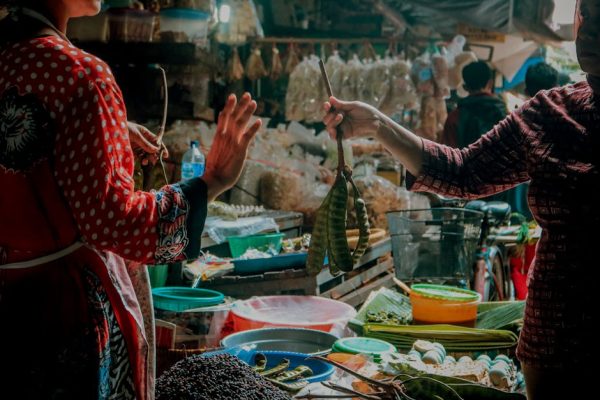
Ramadan — the month of fasting — is the most significant period in the Islamic calendar and represents a major marketing opportunity. During Ramadan, Muslim consumers increase spending on food (for iftar and sahur meals), clothing (in preparation for Hari Raya), home furnishings, gifts and charitable giving. The Ramadan bazaar tradition — now extending to both physical and online formats — creates a bustling commercial ecosystem.
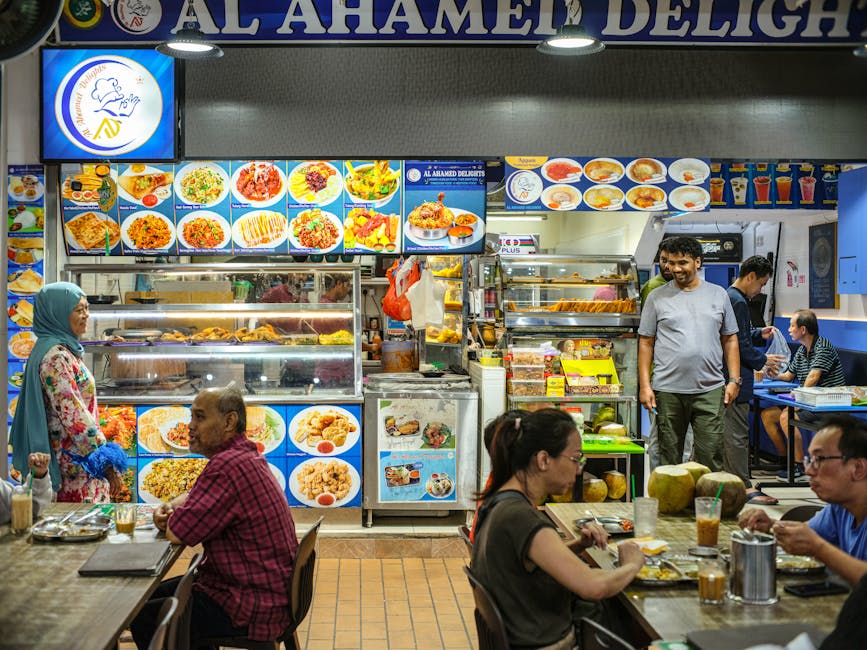
 Festival Marketing — Marketing to Malay and Muslim Consumers in Singapore: Halal, Culture and Channels” loading=”lazy” class=”wp-image-18107″>
Marketing during Ramadan must be handled with sensitivity and respect. The month is fundamentally about spiritual reflection, self-discipline and compassion. Campaigns that acknowledge these values whilst supporting the consumer’s Ramadan needs strike the right balance. Avoid purely commercial messaging; instead, incorporate themes of gratitude, generosity, family and community.
Hari Raya Aidilfitri
Hari Raya Aidilfitri marks the end of Ramadan and is the most significant celebration in the Malay and Muslim calendar. Preparations begin weeks before — shopping for new clothes (baju raya), renovating and decorating homes, preparing traditional foods (kueh, rendang, ketupat) and planning open house gatherings. This period rivals Chinese New Year in consumer spending intensity within the Malay community.
Hari Raya campaigns should be launched four to six weeks before the festival. Themes of forgiveness (seeking maaf, or pardon), family reunion, new beginnings and communal celebration resonate. Green, gold and traditional motifs are commonly associated with the festival, though contemporary interpretations are increasingly appreciated. Effective content marketing during this period weaves brand messaging into the cultural narrative of the celebration.
Hari Raya Haji
Hari Raya Haji (Eid al-Adha) commemorates the willingness of Ibrahim (Abraham) to sacrifice his son as an act of obedience to God. It is marked by special prayers, the korban (sacrifice) and acts of charity. While less commercially prominent than Hari Raya Aidilfitri, it remains an important occasion that marketers should acknowledge respectfully.
Other Significant Occasions
The Islamic New Year (Awal Muharram), the Prophet Muhammad’s birthday (Mawlid al-Nabi) and Israk and Mikraj are observed by the Muslim community. These are primarily spiritual occasions rather than commercial ones, but brands that acknowledge them through respectful social media posts or community engagement demonstrate genuine cultural awareness.
Content and Messaging Strategies
Authenticity Above All
The Malay and Muslim community in Singapore is acutely perceptive of inauthentic marketing. Brands that engage superficially — using Islamic imagery during Ramadan without any genuine commitment to the community — are quickly identified and criticised. Authenticity means consistent engagement year-round, not just during festivals. It means employing Malay and Muslim staff, genuinely understanding cultural values and investing in relationships rather than transactions.
Malay Language Content
While most Malay Singaporeans are fluent in English, content in Bahasa Melayu creates immediate cultural connection and signals respect for the community’s linguistic heritage. Bilingual campaigns — with English as the primary language and Malay incorporated in headlines, taglines or key messages — are often the most effective approach. Ensure all Malay-language content is reviewed by native speakers to avoid errors that undermine credibility.
Inclusive Representation
Marketing materials should authentically represent Malay and Muslim consumers. Feature hijab-wearing women alongside non-hijab-wearing women, represent diverse skin tones, include men in active parenting roles and show the community engaging in contemporary activities. Avoid tokenistic representation — a single hijab-wearing individual in an otherwise non-representative campaign feels performative rather than genuine.
Halal-first Messaging
For F&B and consumer goods brands, leading with your halal credentials immediately removes the primary barrier to consideration. Prominently display your MUIS halal certification logo, reference it in advertising copy and ensure it is easily verifiable. Muslim consumers often check halal status before evaluating any other aspect of your offering — if halal credentials are unclear, they move on without further consideration.
Values-aligned Storytelling
Stories that reflect Islamic and Malay cultural values — generosity, community, family, perseverance, faith and humility — create emotional connections. Campaigns featuring real community members, authentic scenarios and genuine cultural moments outperform polished but impersonal corporate messaging. User-generated content from Muslim customers provides powerful social proof.
Advertising and Targeting Approaches
Social Media Advertising
Facebook and Instagram advertising can target Malay and Muslim consumers through language preferences (Malay), interests (halal food, Islamic content, Hari Raya, modest fashion), connections to Muslim community pages and location targeting around mosques and Malay-concentrated areas. TikTok’s advertising platform offers interest-based targeting aligned with content categories popular within the community.
Google Ads for Halal and Cultural Keywords
Search campaigns targeting halal-related keywords capture high-intent traffic from Muslim consumers actively seeking products and services. Keywords such as “halal restaurant near me,” “Muslim-friendly hotel Singapore,” “halal catering Singapore” and “modest fashion Singapore” represent clear purchase intent. A well-optimised Google Ads campaign targeting these terms delivers strong returns.
Influencer and KOL Partnerships
Malay and Muslim influencers in Singapore have built large, engaged followings across TikTok, Instagram and YouTube. Partnering with these creators provides authentic access to the community through trusted voices. Select influencers whose values align with your brand, who genuinely use or would use your product and who create content that feels natural rather than scripted. Long-term partnerships are more effective than one-off sponsored posts.
Mosque and Community Partnerships
Singapore’s mosques serve as community hubs beyond their religious function. Many mosques have bulletin boards, newsletters, social media channels and community events that offer partnership opportunities. Approaching mosque administrators respectfully and proposing genuinely beneficial collaborations — sponsoring community iftar events, supporting educational programmes or contributing to charitable initiatives — builds brand visibility within a trusted environment.
SEO for the Malay and Muslim Market
Investing in SEO strategies that target Malay-language and halal-related search queries positions your brand for organic discovery. Create content that answers common questions from Muslim consumers — “is this product halal?”, “Muslim-friendly activities in Singapore,” “where to buy halal [product category]” — and optimise for both English and Malay search terms.
Building Authentic Relationships
Year-round Engagement
The most successful brands in the Malay and Muslim market maintain consistent engagement throughout the year, not just during Ramadan and Hari Raya. Regular content that reflects the community’s interests, acknowledgement of Islamic observances beyond major festivals and ongoing community participation demonstrate that your commitment is genuine and sustained.
Community Investment
Supporting causes that matter to the Malay and Muslim community — education, youth development, Islamic arts and culture, charitable giving and community welfare — creates positive brand associations that transcend commercial relationships. Zakat (Islamic charitable giving) season, community runs, mosque building fund contributions and educational sponsorships are meaningful engagement opportunities.
Feedback and Co-creation
Involve Malay and Muslim consumers in product development, campaign creation and service design. Advisory panels, focus groups, social media polls and community consultations ensure your offerings genuinely meet the community’s needs. Co-creation builds ownership and advocacy — consumers who feel their input shaped a product become its most passionate promoters.
Staff Training and Cultural Competence
Ensure your customer-facing staff understand basic Islamic practices and Malay cultural norms. Knowledge of halal requirements, awareness of prayer times, ability to greet customers appropriately (“Assalamualaikum”) and sensitivity to cultural boundaries all contribute to positive customer experiences. Staff training is an investment in service quality that directly impacts repeat patronage and word-of-mouth recommendations.
Crisis Management and Sensitivity
Issues relating to halal compliance, cultural insensitivity or perceived disrespect can escalate rapidly within the close-knit Malay and Muslim community. Have clear protocols for addressing concerns promptly and sincerely. Transparent communication, genuine apologies when mistakes occur and concrete corrective actions are essential for maintaining trust during challenging moments.
Frequently Asked Questions
How large is the Malay and Muslim consumer market in Singapore?
Malays constitute approximately 13.5 per cent of Singapore’s resident population, numbering roughly 540,000 citizens and permanent residents. When including Indian Muslims, other Muslim ethnic groups and Muslim expatriates, the total Muslim consumer population in Singapore is estimated at over 600,000 to 700,000. This community’s purchasing power spans all consumer categories, with particular strength in F&B, fashion, personal care, travel and financial services.
How do I get halal certification for my business in Singapore?
Halal certification in Singapore is administered exclusively by MUIS (Majlis Ugama Islam Singapura). The application process involves submitting documentation about your ingredients, preparation methods, equipment and staff training, followed by on-site inspections. The process typically takes several months and requires ongoing compliance. Visit the MUIS website for detailed application guidelines and fee structures specific to your business type.
Can I market to Muslim consumers without halal certification?
Yes, but with important caveats. You must never claim or imply halal status without certification. You can position your business as “Muslim-friendly” if you offer clearly separated halal-sourced options, provide prayer facilities or accommodate Muslim dietary needs. Transparency is essential — clearly communicate what you offer and do not offer so that Muslim consumers can make informed decisions.
When should I start my Hari Raya marketing campaign?
Begin Hari Raya marketing four to six weeks before the festival, with the Ramadan period itself being the peak engagement window. Early Ramadan is ideal for promoting food, fashion and home improvement products. Mid-Ramadan suits gift and travel promotions. The final two weeks before Hari Raya see the most intense purchasing activity, particularly for clothing, food preparation items and home decorations.
What are the biggest mistakes brands make when marketing to Malay and Muslim consumers?
Common mistakes include engaging only during Ramadan and disappearing the rest of the year, using halal messaging without proper certification, insensitive use of Islamic or Arabic calligraphy as mere decoration, failing to feature authentic representation in marketing materials, scheduling events during prayer times and treating the community as homogeneous without recognising internal diversity.
How important is the Malay language in marketing?
While virtually all Malay Singaporeans speak English fluently, incorporating Bahasa Melayu in marketing creates cultural connection and demonstrates respect. This is particularly effective during festivals, in community-oriented campaigns and when targeting older demographics. Bilingual campaigns that use English primarily with Malay headlines or taglines often achieve the strongest engagement.
What social media platforms are most effective for reaching Malay and Muslim consumers?
TikTok has emerged as the most dynamic platform, with strong organic reach within the Malay community. Instagram is essential for lifestyle, fashion and food content. Facebook remains important for community groups and older demographics. Telegram is increasingly used for community communication and deal sharing. YouTube serves long-form content needs, particularly for cooking, Islamic education and cultural content.
How do I handle Ramadan marketing sensitively?
Respect the spiritual nature of the month by avoiding purely commercial messaging. Acknowledge themes of reflection, gratitude, community and generosity. Be mindful of fasting hours when scheduling food-related content. Support the community through charitable initiatives or iftar sponsorships. Ensure any imagery and messaging reflects the solemnity and joy of the month rather than trivialising it for commercial gain.
What is modest fashion and how can brands participate?
Modest fashion refers to clothing that provides greater coverage whilst remaining stylish and contemporary. It is a global movement driven largely by Muslim women but embraced across cultures. Brands can participate by offering modest fashion options (longer hemlines, higher necklines, looser silhouettes, hijab-compatible designs), featuring hijab-wearing models in campaigns and creating content that celebrates modest style. Singapore has a thriving modest fashion scene with local designers and influencers.
Should I work with Malay and Muslim influencers for my campaigns?
Partnering with Malay and Muslim influencers is one of the most effective strategies for reaching this community authentically. Choose influencers whose values align with your brand, who have genuine engagement (not just follower counts) and who can represent your product naturally. Provide creative freedom and ensure the partnership respects both the influencer’s values and the community’s cultural expectations. Long-term ambassador relationships outperform isolated sponsored posts.