Marketing to Indian Consumers in Singapore: Culture, Channels and Strategy
Table of Contents
- The Indian Consumer Landscape in Singapore
- Cultural Nuances That Shape Consumer Behaviour
- Digital Channels and Media Consumption
- Festival Marketing and Seasonal Opportunities
- Messaging Strategies That Connect
- Food, Lifestyle and Community Marketing
- Advertising Tactics and Targeting
- Building Trust and Long-term Loyalty
- Frequently Asked Questions
The Indian Consumer Landscape in Singapore
Marketing indian consumers singapore effectively requires appreciating the scale and diversity of this community. Indians constitute approximately 9 per cent of Singapore’s resident population — the third-largest ethnic group — and the community has been an integral part of Singapore’s social fabric since the nation’s founding. Beyond Singaporean Indians, the city-state is home to a substantial and growing population of Indian nationals on employment passes, particularly in the technology, financial services and professional services sectors.
The Indian community in Singapore is remarkably diverse. It encompasses Tamil, Malayalam, Hindi, Telugu, Punjabi, Bengali, Gujarati and numerous other linguistic and cultural groups, each with distinct traditions, dietary preferences and consumer behaviours. Treating this community as a monolith is one of the most common mistakes marketers make. A Tamil Singaporean whose family has been in the country for generations has very different media habits and cultural reference points from a recently arrived Hindi-speaking tech professional from Bengaluru.
Economically, Indians in Singapore span the full spectrum — from blue-collar workers in construction and services to some of the highest-earning professionals in finance and technology. The professional Indian expat segment, in particular, represents significant purchasing power, with household incomes often exceeding national averages. This affluent, educated and digitally connected demographic is actively targeted by financial services, luxury goods, education, travel and premium lifestyle brands.
For businesses developing a comprehensive digital marketing strategy, understanding the Indian consumer segment is not optional — it is essential for capturing a meaningful share of Singapore’s consumer market.
Cultural Nuances That Shape Consumer Behaviour
Family-Centric Decision Making
Indian consumer behaviour is profoundly influenced by family dynamics. Major purchases — property, vehicles, education, insurance, even dining and holiday decisions — often involve consultation with extended family members. Marketing that acknowledges and appeals to family values resonates strongly. Campaigns featuring multi-generational family scenarios, messaging about providing for loved ones and offers designed for family groups all align with this cultural orientation.
The Role of Tradition and Modernity
Indian consumers in Singapore navigate a dynamic tension between traditional values and contemporary aspirations. Many maintain strong connections to cultural and religious traditions whilst fully embracing modern lifestyles and technology. Effective marketing honours this duality — acknowledging heritage without being patronising, celebrating modernity without dismissing tradition. Brands that position themselves at this intersection find strong resonance.
Value Consciousness and Quality
Indian consumers are characteristically value-conscious, which is not synonymous with being price-sensitive. They are willing to pay premium prices for products and services they perceive as genuinely superior, but they expect clear justification for that premium. Detailed product information, transparent pricing, comparative value propositions and tangible proof of quality all appeal to this analytical approach to purchasing. A well-developed branding strategy that communicates quality and value is fundamental.
Vegetarianism and Dietary Considerations
A significant proportion of Indian consumers follow vegetarian diets, and many observe dietary restrictions related to religious practice — including avoiding beef (Hindus), pork (Muslims) and alcohol. For F&B businesses, clearly labelling vegetarian, vegan and dietary-restriction-friendly options is essential. Marketing that demonstrates awareness and respect for these dietary needs builds immediate trust and removes a common barrier to patronage.
Auspicious Timing and Numerology
Many Indian consumers consider auspicious dates and times when making significant purchases or starting new ventures. Property transactions, vehicle purchases and business launches are often timed according to the Hindu calendar. Marketers who understand this can align major promotions and product launches with auspicious periods, and should be sensitive about scheduling events or deadlines during inauspicious times.
Digital Channels and Media Consumption
WhatsApp as a Primary Channel
WhatsApp is the dominant communication platform for Indian consumers in Singapore, mirroring its overwhelming dominance in India itself. Beyond personal messaging, WhatsApp serves as a community platform, news distribution channel and increasingly a commerce tool. WhatsApp groups for Indian communities in Singapore — organised by neighbourhood, interest, profession or cultural background — are vital hubs for recommendations and information sharing.
For businesses, WhatsApp Business offers opportunities for customer service, order management, promotional broadcasts and personalised communication. The platform’s end-to-end encryption and familiar interface make it a trusted channel for sensitive communications such as appointment confirmations, payment reminders and personalised offers.
YouTube and Video Content
Indian consumers are among the world’s most avid YouTube users. In Singapore, YouTube serves multiple functions — entertainment, education, news, cooking tutorials and product reviews. Tamil, Hindi and English-language content all find audiences. For marketers, YouTube offers both organic content opportunities and sophisticated advertising targeting, making it an excellent channel for content marketing aimed at Indian consumers.
Instagram and Facebook
Instagram is popular among younger Indian consumers for lifestyle, fashion, food and travel content. Facebook remains important for community groups and event promotion, particularly among older demographics. Both platforms offer advertising targeting options that can reach Indian consumers based on language preferences, cultural interests and community affiliations.
Indian Media and Publications
Tamil Murasu (a Tamil-language newspaper) and various online Indian media platforms serve the Singaporean Indian community. The Hindu and Times of India are read by Indian expats seeking news from home. Advertising in these publications reaches a targeted, engaged audience. Table-specific programmes on Vasantham (the Tamil-language television channel) and Tamil radio stations also offer traditional media reach.
LinkedIn for Professional Services
India has the second-largest LinkedIn user base globally, and Indian professionals in Singapore are highly active on the platform. For B2B services, recruitment, professional development, financial services and education providers, LinkedIn is an essential channel. Thought leadership content, sponsored posts and InMail campaigns targeting Indian professionals by job title, industry and company deliver strong engagement.
Festival Marketing and Seasonal Opportunities
Deepavali (Diwali)
Deepavali, the Festival of Lights, is the most significant marketing occasion for reaching Indian consumers. Celebrations typically span several weeks, with increased spending on clothing, jewellery, sweets, home décor, gifts and personal grooming. Little India transforms into a vibrant shopping destination, and consumer sentiment is overwhelmingly positive. Deepavali campaigns should begin at least four to six weeks before the festival, incorporating themes of light, renewal, prosperity and family togetherness.
Pongal and Tamil New Year
Pongal (a harvest festival in January) and Tamil New Year (in April) are significant occasions for the Tamil community, which forms the largest Indian ethnic subgroup in Singapore. These festivals present opportunities for F&B promotions, cultural events and community-oriented campaigns. Marketing that acknowledges these occasions demonstrates cultural knowledge beyond the mainstream.
Thaipusam
Thaipusam is a Hindu festival of profound spiritual significance, marked by processions, devotional activities and acts of faith. Marketing during Thaipusam requires particular sensitivity — this is not an occasion for commercial promotion but rather an opportunity for brands to demonstrate respect and awareness. Tasteful acknowledgement through social media posts or community support is appropriate; overt sales promotions are not.
Wedding Season
Indian weddings are elaborate, multi-day celebrations involving significant expenditure on venues, catering, clothing, jewellery, photography, decorations and hospitality. The wedding season — typically concentrated in auspicious months — presents major opportunities for businesses in these categories. Marketing that understands the complexity and importance of Indian wedding planning speaks directly to a high-value purchasing occasion.
National Day and Racial Harmony
Singapore’s National Day and Racial Harmony Day are meaningful occasions for Indian Singaporeans who take pride in their dual identity. Campaigns that celebrate Singapore’s multicultural heritage and the Indian community’s contributions to the nation generate positive sentiment and strong engagement.
Messaging Strategies That Connect
Emotional Storytelling
Indian consumers are highly responsive to emotional storytelling. Advertisements that tell compelling stories about family, ambition, sacrifice, success and community connection generate powerful engagement. The tradition of rich narrative in Indian culture — from Bollywood to literature to oral traditions — means that Indian consumers appreciate and expect brands to tell meaningful stories. Effective social media marketing taps into these narrative traditions.
Aspirational but Relatable
Messaging that is aspirational yet grounded in reality resonates strongly. Indian consumers are driven by the desire to improve their family’s circumstances and achieve success, but they are sceptical of claims that seem disconnected from everyday experience. Feature real customers, genuine testimonials and achievable aspirations rather than unrealistic lifestyle portrayals.
Respect for Elders and Authority
Indian culture places great value on respect for elders and authoritative expertise. Endorsements from respected professionals, academic credentials, industry awards and expert opinions carry significant weight. Marketing that positions your brand as a trusted authority — backed by credible expertise and institutional respect — aligns with this cultural value.
Bilingual and Multilingual Communication
While most Indian consumers in Singapore are comfortable with English, incorporating Tamil, Hindi or other Indian languages in your marketing creates immediate cultural connection. Even simple gestures — a Tamil greeting during Deepavali, a Hindi tagline in a targeted campaign — signal respect and cultural awareness that differentiate your brand.
Community and Collective Identity
Indian consumers have a strong sense of community identity. Marketing that acknowledges and celebrates the Indian community’s role in Singapore — its contributions, achievements and cultural richness — generates goodwill and brand affinity. Sponsoring community events, supporting Indian cultural organisations and partnering with community leaders builds genuine relationships.
Food, Lifestyle and Community Marketing
The Centrality of Food
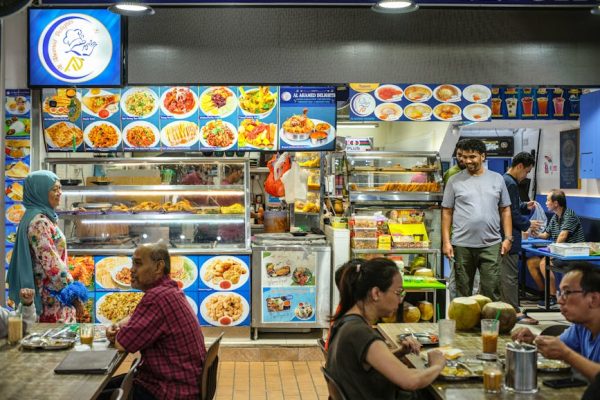
Food is central to Indian culture and plays a vital role in social gatherings, celebrations, religious observances and daily life. Indian cuisine in Singapore spans the full spectrum — from traditional Tamil, North Indian and Kerala cuisines to modern fusion interpretations. F&B businesses can engage Indian consumers through authentic flavour offerings, vegetarian menus, festival specials and cooking content that honours culinary traditions.
Little India as a Marketing Hub
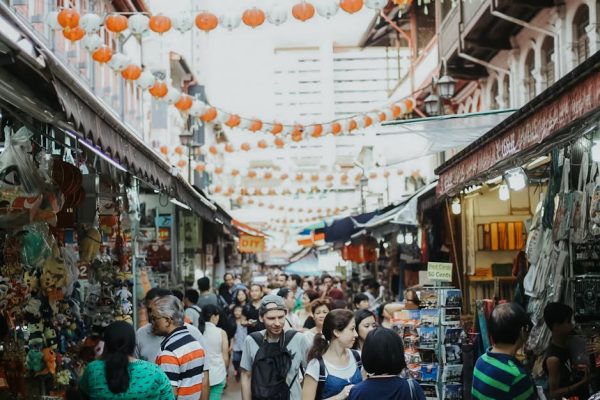
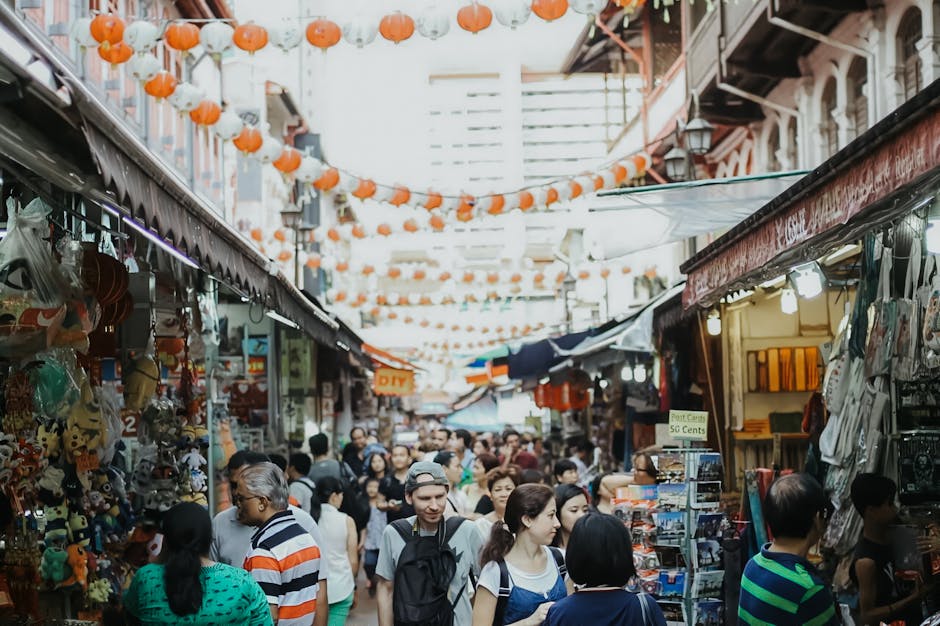
Little India is both a cultural precinct and a commercial hub that attracts Indian consumers from across Singapore, as well as tourists. Businesses located in or near Little India benefit from natural foot traffic during festivals and weekends. For businesses elsewhere, creating associations with Little India through events, pop-ups or partnerships with established Little India businesses extends cultural credibility.
Temples and Community Centres
Hindu temples and Indian community centres serve as gathering points where information and recommendations flow organically. Respectful community engagement — sponsoring temple events, supporting cultural programmes or advertising in community newsletters — reaches Indian consumers in a trusted context. This is not about commercialising religious spaces but about genuine community participation.
Fitness, Wellness and Ayurveda
Indian wellness traditions, including yoga, Ayurveda and traditional medicine, have global appeal and particular resonance with Indian consumers. Wellness brands, fitness studios, healthcare providers and beauty brands that incorporate or acknowledge Indian wellness philosophies connect with this audience on a cultural level whilst also appealing to the broader market.
Advertising Tactics and Targeting
Google Ads Targeting
Effective Google Ads campaigns targeting Indian consumers can leverage language targeting (Tamil, Hindi), interest-based targeting (Indian cuisine, Bollywood, cricket), location targeting (Little India, areas with high Indian populations such as Serangoon) and keyword targeting for culturally specific search terms. Combining these parameters creates highly focused campaigns with strong relevance.
Facebook and Instagram Advertising
Meta’s advertising platform allows targeting based on Indian language preferences, cultural interests (Bollywood, Indian cricket, Deepavali), connection to Indian community pages and demographic characteristics. Carousel ads showcasing products in culturally relevant contexts and video ads with emotional storytelling are particularly effective formats for reaching Indian consumers on these platforms.
Programmatic and Display Targeting
Programmatic advertising platforms enable contextual targeting on Indian media websites, language-based targeting and behavioural targeting based on browsing patterns associated with Indian consumer interests. Display campaigns on Tamil Murasu’s digital platforms, Indian entertainment websites and Bollywood streaming services reach engaged Indian audiences.
Radio and Traditional Media
Tamil-language radio stations (Oli 96.8FM) and television programming on Mediacorp’s Vasantham channel remain effective for reaching older Indian Singaporean demographics. While younger audiences have shifted predominantly to digital platforms, traditional media still carries authority and reach among consumers aged 40 and above, making it valuable for a comprehensive marketing mix.
Building Trust and Long-term Loyalty
Consistency and Reliability
Indian consumers place enormous value on consistent, reliable service. Once trust is established, they become exceptionally loyal customers and enthusiastic advocates. However, a single negative experience can be difficult to overcome, as word-of-mouth within the community spreads rapidly. Prioritise service consistency, transparent communication and proactive problem resolution to build and maintain trust.

Word-of-Mouth and Referrals
Recommendations from family and friends are the most trusted form of marketing for Indian consumers. Implement referral programmes, incentivise reviews and make sharing easy. When an Indian customer recommends your business to their community, that endorsement carries more weight than any paid advertisement. Nurture your existing Indian customers as brand ambassadors through exceptional service and recognition.
Loyalty Programmes and Rewards
Indian consumers appreciate structured loyalty and rewards programmes that deliver tangible value. Points-based systems, tiered membership, exclusive access and family-inclusive rewards all resonate. The key is ensuring that rewards are achievable and genuinely valuable — token gestures are quickly recognised and dismissed, whilst meaningful rewards build lasting loyalty.
Community Engagement and CSR
Supporting causes that matter to the Indian community — education, cultural preservation, charitable giving (particularly during festivals) and community development — creates positive brand associations that transcend commercial transactions. Indian consumers prefer to patronise businesses that demonstrate social responsibility and community commitment. Engaging in authentic search engine optimisation that highlights your community involvement can also attract values-driven consumers organically.
Frequently Asked Questions
How large is the Indian consumer market in Singapore?
Indians constitute approximately 9 per cent of Singapore’s resident population, numbering roughly 360,000 citizens and permanent residents. Additionally, tens of thousands of Indian nationals reside in Singapore on employment and other passes. When accounting for the broader South Asian community (including Sri Lankan, Bangladeshi and Nepali residents), the addressable market expands further. Collectively, this demographic represents significant purchasing power across multiple sectors.
What languages should I use when marketing to Indian consumers?
English is understood and used by virtually all Indian consumers in Singapore. Tamil is the most widely spoken Indian language in Singapore and is one of the four official languages. Hindi is common among Indian expats from North India. For maximum impact, use English as the primary language with Tamil or Hindi incorporated for cultural connection during festivals and targeted campaigns. Always ensure translations are verified by native speakers.
Is Deepavali the only festival I should market around?
While Deepavali is the most commercially significant occasion, the Indian festive calendar is rich with opportunities. Pongal (January), Tamil New Year (April), Thaipusam (January-February), Navratri (September-October), Onam (August-September) and various regional festivals present additional touchpoints. The key is authenticity — only mark festivals you can represent respectfully and accurately.
How important is vegetarian and dietary accommodation?
Extremely important. A significant proportion of Indian consumers are vegetarian, and many observe additional dietary restrictions during religious occasions. For F&B businesses, clearly marked vegetarian options and awareness of dietary requirements are essential. Even non-F&B businesses should consider dietary needs when catering corporate events, client meetings or promotional gatherings that may include Indian attendees.
What social media platforms are most effective for reaching Indian consumers?
WhatsApp is the dominant communication and community platform. YouTube is essential for video content. Instagram reaches younger demographics effectively. Facebook remains important for community groups and event promotion. LinkedIn is crucial for reaching Indian professionals. Emerging platforms popular in India, such as ShareChat and Moj, may have smaller but engaged audiences among Indian expats in Singapore.
How do I avoid cultural stereotyping in my marketing?
Avoid reducing Indian culture to a handful of clichés — not all Indian consumers are the same. Represent diverse Indian perspectives, avoid caricatured imagery (overly bright colours, stock imagery of namaste poses), use authentic language, consult Indian community members or cultural advisors when developing campaigns and prioritise genuine cultural understanding over superficial token gestures.
Should I use Bollywood references in my marketing?
Bollywood resonates strongly with many Indian consumers, particularly for entertainment, lifestyle and youth-oriented brands. However, not all Indian consumers identify with Bollywood — Tamil cinema (Kollywood), Malayalam cinema (Mollywood) and other regional film industries have devoted followers. Use Bollywood references judiciously and consider the specific Indian demographic you are targeting.
What are the biggest mistakes brands make when marketing to Indian consumers?
Common mistakes include treating all Indian consumers as one homogeneous group, using poor-quality Tamil or Hindi translations, insensitive handling of religious and cultural imagery, ignoring vegetarian and dietary needs, timing campaigns around inauspicious dates, and relying on stereotypes rather than genuine cultural understanding. Investing in cultural consultation and community feedback helps avoid these pitfalls.
How can I reach Indian consumers in specific areas of Singapore?
Indian communities are concentrated in certain areas: Little India and Serangoon for both residents and cultural activity, Jurong and Woodlands for heartland communities, and CBD and East Coast for professionals. Location-based digital advertising, local community partnerships and area-specific SEO targeting can help you reach Indian consumers in specific neighbourhoods.
What is the role of cricket in marketing to Indian consumers?
Cricket occupies a unique position in Indian culture — it is not merely a sport but a national passion. Major cricket events (IPL, Cricket World Cup, India versus rival nations) generate enormous engagement. Brands can leverage cricket through screening events, themed promotions, fantasy league sponsorships and social media content tied to match days. Cricket-related marketing consistently delivers high engagement among Indian male consumers in particular.