Marketing for Opticians: How to Grow Your Optical Practice in Singapore in 2026
Why Optical Shop Marketing Matters
The optical retail market in Singapore is competitive. Between established chains, independent boutique opticians, and the growing presence of online eyewear retailers, standing out requires more than a good shopfront location and word-of-mouth referrals.
Optical shop marketing presents unique challenges. You are simultaneously a healthcare provider and a retail business — your marketing must speak to both clinical eye care and fashionable eyewear without compromising either.
The typical customer journey starts online, even when the final purchase happens in-store. People search for opticians near them, compare frame styles on Instagram, and research lens technologies before booking an eye exam. If your practice is not visible at these touchpoints, you are losing patients to competitors who are.
A well-executed digital marketing strategy connects your optical practice to the right patients at the right moment — when they notice their vision has changed, when their spectacles prescription expires, or when they simply want a new pair of frames. This guide covers the strategies that work specifically for opticians in Singapore’s market.
Local SEO for Opticians
Most optical purchases happen within a short distance of the customer’s home or workplace. People search for “optician near me,” “eye test near Tampines,” or “spectacles shop Orchard Road.” Local SEO ensures your practice appears in these location-based searches.

Your Google Business Profile is your most valuable local marketing asset. Optimise it with these specifics:
- Primary category: “Optician” or “Eye Care Centre” depending on which best describes your practice
- Secondary categories: Add “Optometrist,” “Contact Lens Supplier,” or “Sunglasses Store” as relevant
- Services: List every service — comprehensive eye examinations, contact lens fitting, spectacle lens dispensing, myopia management, and any specialised services
- Products: Add your key eyewear brands as products with descriptions and price ranges
- Attributes: Set relevant attributes like accessibility features, payment methods, and appointment requirements
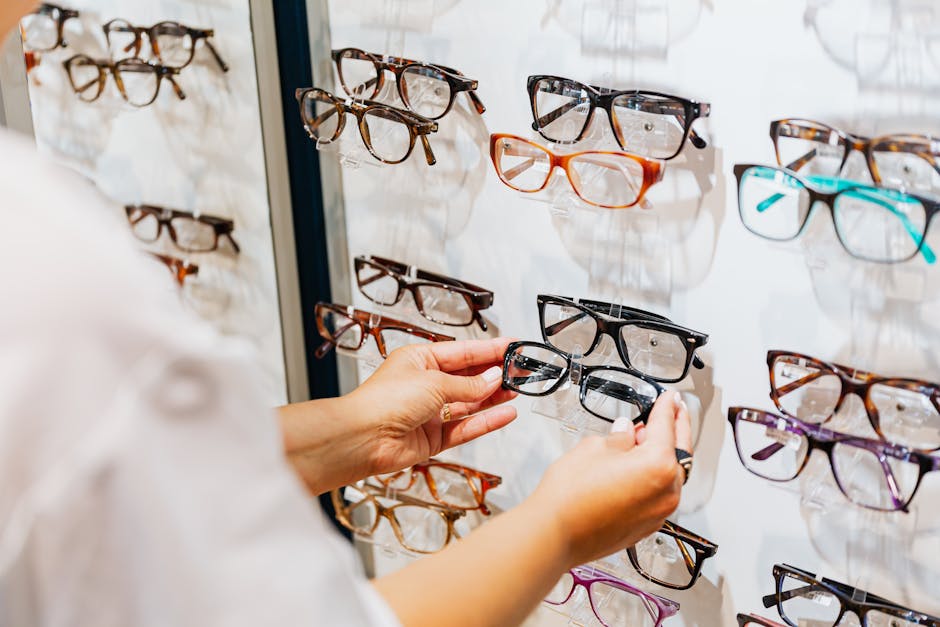
- Photos: Upload high-quality photos of your shop interior, frame displays, examination equipment, and team members
Reviews are critical for opticians. Potential patients want to know about the thoroughness of your eye examinations, the quality of your frame selection, and your after-sales service. Encourage satisfied patients to leave detailed Google reviews by sending a review request via SMS after their appointment. Reviews that mention specific services (“thorough eye exam,” “great selection of Japanese frames,” “patient and knowledgeable optometrist”) provide valuable keyword signals.
If you operate multiple outlets, each location needs its own Google Business Profile and a dedicated location page on your website. Each location page should include the specific address, opening hours, directions (including the nearest MRT station), the team at that outlet, and the brands available at that location.
For practices in shopping centres, include the mall name and unit number in your listings. Searches like “optician at Westgate” or “spectacle shop VivoCity” are common in Singapore, and having the mall name in your profile helps you rank for these queries.
Social Media Marketing for Optical Shops
Eyewear is inherently visual, which makes social media marketing a natural fit for optical shops. Instagram, Facebook, and TikTok each serve different purposes in your social media strategy.
Instagram is your primary platform for showcasing frames and building brand aesthetics. Effective Instagram content for opticians includes:
- Flat-lay and styled photos of new frame arrivals
- Try-on videos featuring different face shapes and frame styles
- Behind-the-scenes content of lens crafting or frame adjustments
- Patient transformations — before and after new spectacles (with permission)
- Educational Reels about lens technologies, blue light, or myopia management
- Carousel posts comparing frame materials, lens coatings, or brands
Facebook remains important for reaching the 35-plus demographic in Singapore, which represents a significant portion of optical customers — particularly those requiring progressive lenses or managing age-related vision changes. Use Facebook for community engagement, event promotion, appointment booking, and targeted advertising.
TikTok is increasingly relevant for reaching younger Singaporeans. Short-form video content about frame trends, optical myths, and eye health tips performs well. Content that educates while entertaining — such as “3 signs you need new glasses” or “how to choose frames for your face shape” — generates engagement and brand awareness among the under-35 segment.
Consistency matters more than frequency. Posting three times a week with quality content outperforms daily posts with filler. Develop a content calendar that balances product showcases, educational content, patient stories, and promotional posts.
E-Commerce Strategy for Eyewear
Online eyewear sales are growing in Singapore. While many customers still prefer to try frames in-store, having an e-commerce presence captures a segment of buyers who prefer the convenience of online shopping and expands your reach beyond your physical location.
There are several approaches to e-commerce for opticians:
Full online store: List your frame inventory online with the option to purchase. This requires virtual try-on technology, a robust return policy, and a system for capturing prescription details. It is the most resource-intensive approach but offers the greatest revenue potential.
Browse-and-book model: Showcase your frame collection online and allow customers to reserve frames for in-store try-on. This drives foot traffic while providing the online browsing experience customers expect. It is a practical middle ground for smaller practices.
Contact lens subscription: Offer online subscription services for contact lens replacements. Once a patient’s prescription is established through an in-store exam, subsequent lens orders can be fulfilled online with automatic delivery schedules. This model generates predictable recurring revenue.
Accessories and lens care: Sell cleaning solutions, cases, chains, and lens care products online. These items do not require fitting or prescription verification, making them straightforward to sell through e-commerce.
Whichever model you choose, your e-commerce platform must be mobile-optimised. The majority of browsing happens on smartphones, and a clunky mobile experience will cost you sales. Invest in professional product photography — eyewear is a fashion purchase, and image quality directly affects conversion rates.
Search engine optimisation for your e-commerce pages should target product-specific queries: “round titanium spectacles Singapore,” “daily disposable contact lenses price,” or specific brand searches like “Lindberg frames Singapore.” Each product category page should be optimised for a relevant keyword cluster.
Patient Retention and Loyalty Marketing
Acquiring a new optical patient costs significantly more than retaining an existing one. Yet many optical practices invest heavily in attracting new patients while neglecting the customers they already have. Retention marketing turns one-time buyers into lifelong patients.

Build a retention system around these elements:
Prescription renewal reminders: Eye examination prescriptions in Singapore typically remain valid for one to two years. Set up automated email or SMS reminders as patients approach their renewal date. A simple message — “It’s been 18 months since your last eye examination. Book your check-up to keep your prescription current” — is effective and welcomed.
Annual eye health campaigns: Use World Sight Day (October) and other eye health awareness events to re-engage your patient database. Offer complimentary eye pressure checks or discounted comprehensive examinations during these periods.
Birthday and anniversary offers: Send personalised offers on patients’ birthdays or on the anniversary of their first visit. A modest discount on a second pair of spectacles or a complimentary lens cleaning kit costs little but reinforces the relationship.
Loyalty programmes: Implement a points-based or tiered loyalty programme. Patients who return for regular examinations, purchase multiple pairs, or refer friends should be rewarded. Frame the programme around eye health benefits rather than pure discounts — “Members receive priority booking and complimentary digital retinal imaging with every exam.”
Email newsletters: Send monthly or quarterly newsletters with genuine value — new frame arrivals, eye health tips, lens technology updates, and exclusive member offers. Segment your email list based on patient type (contact lens wearers, progressive lens users, children’s eyewear) to send relevant content rather than generic blasts.
Track your patient retention rate and average lifetime value. These metrics tell you whether your retention marketing is working and help you calculate how much you can afford to spend on acquiring new patients.
Paid Advertising for Optical Practices
Paid advertising accelerates your marketing results while your organic strategies build momentum. For opticians in Singapore, two channels deliver the strongest returns: Google Ads and social media advertising.
Google Search Ads capture high-intent searchers. Target keywords like “eye test near me,” “spectacles Singapore,” and “contact lens fitting.” Use location targeting to show ads only to people near your practice. Set up call extensions so mobile searchers can phone directly from the ad. Track both online bookings and phone calls as conversions.
Google Display Ads work well for remarketing — showing ads to people who visited your website but did not book an appointment. A display ad reminding someone about the frames they viewed can bring them back to complete the purchase or booking.
Facebook and Instagram Ads excel at awareness and consideration-stage marketing. Use these platforms to showcase new frame collections, promote seasonal offers, and reach people whose current spectacles prescription may be due for renewal. Lookalike audiences based on your existing patient database help you find similar potential customers.
Budget allocation matters. Most optical practices in Singapore should allocate 50-60% of their paid advertising budget to Google Search Ads (highest intent), 20-30% to social media advertising (awareness and engagement), and 10-20% to remarketing (recovering lost opportunities).
Measure return on ad spend (ROAS) by tracking not just immediate conversions but patient lifetime value. A Google Ad that costs $50 to acquire a patient who spends $800 on progressive lenses and returns every two years is highly profitable, even if the initial cost-per-click seems high.
Content Marketing and Patient Education
Content marketing positions your practice as a trusted authority in eye care. When people search for information about vision problems, lens options, or eye health, your content should provide the answers — and naturally introduce your services as the solution.
High-performing content topics for opticians in Singapore include:
- Myopia management: Singapore has one of the highest myopia rates globally. Content about managing children’s myopia, atropine eye drops, orthokeratology, and myopia control lenses addresses a concern that affects most Singaporean parents
- Lens technology comparisons: Guides comparing progressive lenses, blue light filtering, photochromic lenses, and lens coatings help patients make informed decisions and establish your expertise
- Digital eye strain: With Singapore’s screen-heavy work culture, content about managing digital eye strain, the 20-20-20 rule, and appropriate eyewear for prolonged screen use resonates strongly
- Contact lens guides: First-time contact lens wearer guides, daily vs monthly comparison, and care instructions serve a practical need and attract search traffic
- Frame selection guides: Content about choosing frames for different face shapes, materials comparison (acetate vs titanium vs TR90), and trend guides provide value while showcasing your expertise and inventory
Integrate your content with your broader healthcare marketing approach. Eye care content must be accurate and evidence-based. Cite reputable sources like the Singapore National Eye Centre or the Singapore Optometric Association. Avoid making clinical claims that overstep your scope of practice.
Video content is particularly effective for opticians. A two-minute video explaining how progressive lenses work or demonstrating a contact lens insertion technique provides more value than a written guide alone. Publish these videos on YouTube and embed them in your blog posts for dual search visibility.
Healthcare Marketing Compliance
Opticians in Singapore operate within a regulated healthcare environment. Your marketing must comply with the guidelines set by the Ministry of Health (MOH) and the Optometrists and Opticians Board. Non-compliance risks regulatory action and reputational damage.

Key compliance considerations for optical shop marketing:
- Claims and representations: Avoid making unsubstantiated health claims about products or treatments. Statements like “cures myopia” or “eliminates eye strain” are problematic. Use evidence-based language and cite clinical studies where appropriate
- Patient testimonials: Be cautious with how patient testimonials are used in marketing. They should not imply guaranteed outcomes or make comparative claims about other practitioners
- Pricing transparency: If you advertise prices, ensure they are accurate and not misleading. “From $X” pricing should reflect genuinely available options, not loss-leader bait
- Professional qualifications: When marketing optometric services, clearly identify the qualifications of your practitioners. Do not imply medical capabilities beyond your scope of practice
- Promotional offers: Discounts and promotions are permissible but should not compromise the standard of care. Avoid framing clinical services (eye examinations) as free add-ons that could devalue the professional service
Consult with a healthcare marketing specialist if you are unsure about compliance. The cost of expert guidance is minimal compared to the risk of regulatory issues.
Frequently Asked Questions
How much should an optical shop spend on marketing?
Most successful optical practices in Singapore allocate between 5% and 10% of their annual revenue to marketing. New practices or those entering competitive markets may need to invest closer to 12-15% in their first two years to build awareness. Established practices with strong word-of-mouth can operate at the lower end. The key is to track return on investment for each channel and shift budget towards what generates the highest return in terms of new patient acquisition and existing patient retention.
Which social media platform is best for opticians?
Instagram is typically the most effective platform for opticians because eyewear is a visual, fashion-adjacent product. However, the best platform depends on your target demographic. If your practice specialises in progressive lenses and serves a primarily 45-plus clientele, Facebook may deliver better results. For children’s eyewear and myopia management marketing, reaching parents through Facebook groups and targeted ads is often more effective than Instagram. A pragmatic approach is to focus on one or two platforms and do them well rather than spreading efforts across every channel.
Should I sell eyewear online or keep it in-store only?
A hybrid approach works best for most optical practices in Singapore. Showcase your frame collection online and allow customers to browse, save favourites, and book in-store try-on appointments. Sell items that do not require fitting — contact lenses for existing patients, cleaning solutions, and accessories — through a simple e-commerce setup. Full online spectacle sales with prescription lenses require significant investment in virtual try-on technology and a flexible return policy. Start with the browse-and-book model and expand based on demand.
How can I compete with large optical chains on marketing?
Independent opticians cannot outspend chains, but they can out-personalise them. Emphasise your personalised service, specialised expertise, curated frame selection (especially niche or independent brands not carried by chains), and the continuity of seeing the same optometrist at every visit. Local SEO is an equaliser — a well-optimised independent practice can outrank a chain outlet in the Google Map Pack for their specific neighbourhood. Build a strong review profile, create locally relevant content, and cultivate a distinct brand identity that chains cannot replicate.
How do I measure the success of my optical marketing?
Track these key metrics monthly: new patient appointments booked (and their source), revenue per patient visit, patient retention rate (percentage returning within two years), website traffic from organic search, Google Business Profile views and actions, social media engagement rate, and return on ad spend for paid campaigns. The most important metric is cost per new patient acquisition compared to patient lifetime value. If your average patient spends $600 per visit and returns every two years, you can calculate exactly how much you can invest to acquire each new patient profitably.