Marketing for Jewellery: Strategies for Luxury Brand Growth in Singapore
Singapore is one of the most concentrated luxury markets in Southeast Asia. Jewellery brands — from heritage houses with Orchard Road boutiques to independent designers selling through e-commerce — compete for the attention of affluent, digitally connected consumers. The challenge is not simply reaching these buyers. It is earning their trust, communicating craftsmanship, and justifying premium price points in a market saturated with options.
Jewellery marketing requires a fundamentally different mindset from most consumer goods. The purchase cycle is longer, the emotional stakes are higher, and the visual standards are unforgiving. A poorly lit product photograph or a generic social media caption can undermine months of brand-building. This guide covers the strategies that actually move the needle for jewellery brands in Singapore, from Instagram to influencer marketing to e-commerce SEO and beyond.
Why Jewellery Marketing Demands a Different Approach
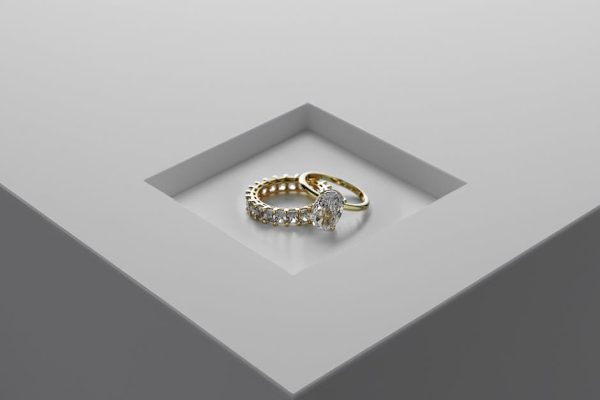
Jewellery is not an impulse purchase for most consumers. A buyer considering a $3,000 engagement ring or a $500 pair of earrings will research, compare, and deliberate before committing. This extended decision-making process means your marketing must work across multiple touchpoints, nurturing interest over weeks or months rather than converting on a single ad click.
Several factors make jewellery marketing distinct from other product categories:
- High price sensitivity — Consumers need to feel confident in the value they are receiving, which demands transparency around materials, provenance, and craftsmanship.
- Emotional decision-making — Jewellery is tied to milestones: engagements, anniversaries, graduations, and self-celebration. Marketing must tap into these emotional drivers without being manipulative.
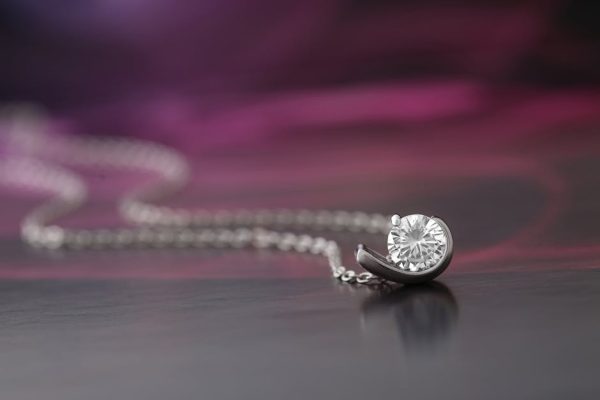
- Visual-first evaluation — Buyers judge jewellery by how it looks, how it catches light, and how it appears on skin. Photography and video quality are non-negotiable.
- Trust barriers — Online jewellery purchases carry inherent risk. Buyers worry about authenticity, quality, and whether the piece will match their expectations.
A luxury marketing agency with experience in high-value product categories understands these dynamics. Generic digital marketing playbooks do not account for the nuances of selling precious items to discerning buyers.
Instagram and Visual Storytelling
Instagram remains the dominant platform for jewellery marketing in Singapore. The visual format is tailor-made for showcasing fine details, and the platform’s shopping features allow brands to reduce friction between discovery and purchase. But posting product photos with price tags is not a strategy — it is a catalogue.
Effective Instagram marketing for jewellery requires a layered content approach:
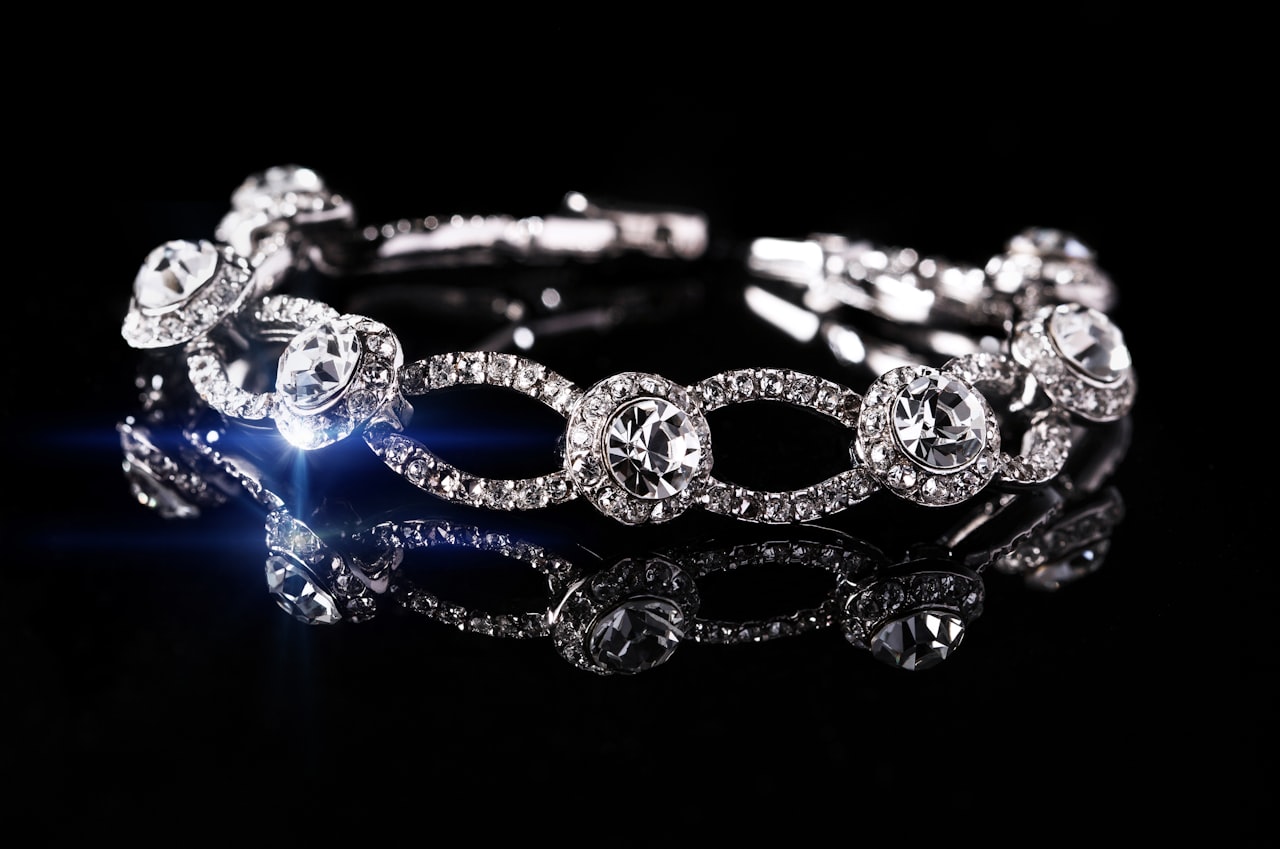
Product photography that sells. Invest in professional photography that shows each piece in multiple contexts: on a plain background for detail shots, on a model for scale and styling, and in lifestyle settings for aspirational appeal. Flat lays work for certain collections, but jewellery needs movement — Reels and carousel posts that show how a bracelet catches light or how a pendant sits at different neckline heights.
Behind-the-scenes content. Show the making of your pieces. Workshop footage, stone selection, hand-finishing techniques — this content communicates craftsmanship and justifies premium pricing. It also humanises your brand in a category that can feel impersonal.
Styling guides and education. Help your audience understand how to wear your pieces. Layer necklaces of different lengths, mix metals, pair statement earrings with specific hairstyles. Educational content builds authority and keeps your audience engaged between purchase cycles.
User-generated content. Encourage customers to share photos wearing your jewellery. Reposting real customers creates social proof and shows your pieces in authentic settings rather than staged shoots. Create a branded hashtag and actively engage with posts that use it.
For deeper guidance on building a presence on the platform, see our resource on Instagram marketing in Singapore.
Influencer Partnerships That Build Credibility
Influencer marketing is particularly effective for jewellery because consumers trust personal recommendations for high-value purchases. However, the wrong partnership can damage your brand more than no partnership at all. A jewellery brand collaborating with an influencer known for fast fashion sends contradictory signals about quality and exclusivity.
Here is how to approach influencer partnerships for jewellery brands:
Prioritise alignment over reach. A micro-influencer with 8,000 followers who genuinely loves fine jewellery and has an audience that matches your buyer profile will outperform a mega-influencer with 500,000 followers who promotes a different product category every week. Look at engagement rates, audience demographics, and content quality rather than follower counts.
Long-term ambassadorships over one-off posts. A single Instagram Story wearing your ring will generate minimal impact. A six-month partnership where the influencer regularly features your pieces, shares styling tips, and documents their genuine relationship with your brand builds credible association. This is especially important in Singapore’s tight-knit influencer community, where audiences notice inconsistency.
Give creative freedom within brand guidelines. Provide the influencer with your pieces and key messaging points, but let them create content in their own voice and style. Over-scripted sponsored posts feel inauthentic and perform poorly with engaged audiences.
Track beyond vanity metrics. Measure influencer campaigns by website traffic, enquiry volume, and actual sales — not likes and comments alone. Use unique discount codes or UTM-tagged links to attribute results accurately.
Singapore-based jewellery brands should consider partnering with lifestyle influencers who attend events, style shoots, and social gatherings where jewellery is naturally visible. Wedding influencers are an obvious fit for bridal collections, while corporate professionals can showcase everyday luxury pieces.
E-Commerce SEO for Jewellery Brands
Many jewellery brands invest heavily in paid advertising while neglecting search engine optimisation. This is a strategic mistake. When a buyer in Singapore searches for “lab-grown diamond engagement ring Singapore” or “gold bangle bracelet 916,” they are signalling clear purchase intent. Ranking for these terms delivers qualified traffic at zero marginal cost per click.
E-commerce SEO for jewellery involves several layers:
Product page optimisation. Each product page should have a unique, descriptive title tag, a compelling meta description, and structured body copy that includes material specifications, dimensions, and care instructions. Use schema markup for products, including price, availability, and review ratings, to enhance search result appearance.
Category page architecture. Build well-structured category pages for each product type (rings, necklaces, earrings, bracelets), material (gold, silver, platinum, gemstones), and occasion (engagement, wedding, anniversary, gifts). These pages should feature introductory copy that naturally incorporates target keywords, followed by product listings with filterable attributes.
Long-tail keyword targeting. Jewellery searches are often highly specific. Buyers search for “cushion cut moissanite ring rose gold” or “freshwater pearl earrings drop style.” Create product pages and content that capture these precise queries. Long-tail terms typically have lower competition and higher conversion rates.
Technical SEO fundamentals. Jewellery sites are image-heavy, which creates performance challenges. Compress images without sacrificing quality, implement lazy loading, use a content delivery network, and ensure your site loads quickly on mobile devices. Google’s Core Web Vitals directly affect rankings, and slow-loading product pages also increase bounce rates.
Content that supports product pages. Blog posts about engagement ring buying guides, gemstone education, jewellery care tips, and trend reports attract top-of-funnel traffic and build topical authority. Internal links from these articles to relevant product pages pass authority and guide readers toward purchase.
Experiential Retail and Omnichannel Marketing
Despite the growth of online jewellery sales, the physical retail experience remains critical in Singapore. Consumers want to see how a piece looks on their hand, feel its weight, and assess its sparkle under different lighting. The most effective jewellery marketing strategies bridge online discovery with offline experience.
Private viewing appointments. Offer personalised viewing sessions for high-value pieces. Promote these through email marketing and social media, targeting customers who have browsed specific collections online. The exclusivity of a private appointment reinforces luxury positioning.
Pop-up experiences. Partner with complementary luxury brands — fashion boutiques, lifestyle stores, or hotel lobbies — for limited-time installations. Pop-ups generate buzz, attract new audiences, and provide content opportunities for social media.
Virtual try-on technology. Augmented reality try-on tools allow online shoppers to visualise how a ring or necklace looks on them before committing to a purchase. This technology reduces purchase hesitation and return rates, particularly for e-commerce-first brands.
Unified customer data. Ensure that customer interactions across your website, social media, email, and retail store are connected. A customer who browses engagement rings on your website and then visits your showroom should be recognised and served accordingly. CRM systems that unify online and offline data enable personalised follow-ups and prevent disjointed experiences.
The goal is to create a seamless journey where digital marketing drives foot traffic and in-store experiences reinforce online engagement. Neither channel should operate in isolation.
Content Marketing and Brand Storytelling
Jewellery brands that invest in content marketing build lasting competitive advantages. While paid ads stop delivering the moment you pause spending, valuable content continues to attract and convert customers indefinitely.
Origin and craftsmanship stories. Document where your materials come from, how your pieces are designed and crafted, and who the artisans are behind each collection. Provenance stories are especially important for brands emphasising ethical sourcing or local craftsmanship.
Gift guides and occasion content. Create comprehensive guides for common jewellery-buying occasions: engagement rings, wedding anniversary gifts by year, Valentine’s Day selections, Mother’s Day picks, and graduation presents. These pages capture seasonal search traffic and serve as shareable resources.
Gemstone and material education. Buyers want to understand what they are purchasing. Articles explaining the 4Cs of diamonds, the difference between natural and lab-grown stones, karat variations in gold, and how to evaluate gemstone quality position your brand as a trusted authority.
Customer stories and testimonials. Feature real customers sharing why they chose your brand for their engagement, anniversary, or other milestone. Video testimonials are particularly powerful for jewellery because they show genuine emotional reactions.
Trend analysis. Publish seasonal trend reports covering emerging styles, popular metals, and shifting consumer preferences. This positions your brand at the forefront of the category and attracts press coverage and backlinks from lifestyle publications.
In Singapore’s competitive luxury marketing landscape, content is the differentiator between brands that feel like generic retailers and those that feel like trusted advisors.
Paid Advertising for Jewellery
Paid advertising accelerates results while organic channels build momentum. For jewellery brands, the key is matching ad formats and targeting to the purchase funnel stage.
Google Shopping ads. These are essential for e-commerce jewellery brands. Shopping ads display product images, prices, and reviews directly in search results, capturing high-intent buyers. Optimise your product feed with detailed titles, accurate attributes, and competitive pricing information.
Google Search ads. Target high-intent keywords such as “buy engagement ring Singapore,” “custom jewellery design,” and branded competitor terms. Use ad extensions to highlight unique selling points: free sizing, lifetime warranty, certified diamonds, or interest-free payment plans.
Meta (Facebook and Instagram) ads. Use visually rich ad formats — carousel ads showcasing a collection, video ads demonstrating craftsmanship, and dynamic product ads retargeting website visitors. Lookalike audiences based on existing customers are effective for prospecting, while retargeting campaigns recapture visitors who viewed products without purchasing.
Pinterest ads. Pinterest is an underutilised channel for jewellery in Singapore. Users actively search for jewellery inspiration, engagement ring ideas, and styling tips. Promoted pins can capture this intent and drive traffic to your product pages.
Retargeting sequences. Given the long consideration cycle for jewellery, retargeting is critical. Build sequences that show different messaging over time: product highlights immediately after a visit, social proof and reviews a few days later, and a limited-time offer or personalised consultation invitation after a week.
Measuring Success in Jewellery Marketing
Jewellery marketing measurement must account for the extended purchase cycle and the interplay between online and offline channels. Standard last-click attribution significantly undervalues awareness and consideration touchpoints.
Key metrics to track:
- Revenue by channel — Attribute sales to the channels and campaigns that initiated and assisted the purchase journey.
- Customer acquisition cost (CAC) — Calculate the total marketing spend required to acquire each new customer, segmented by channel.
- Average order value (AOV) — Monitor whether your marketing is attracting the right customer segment. If AOV is declining, your targeting may be too broad.
- Return on ad spend (ROAS) — Track both immediate and delayed ROAS, allowing for the typical 14-30 day consideration window for jewellery purchases.
- Email list growth and engagement — A growing, engaged email list is a leading indicator of future revenue for jewellery brands.
- Organic search visibility — Track keyword rankings, organic traffic, and organic revenue over time.
Set up proper conversion tracking with appropriate attribution windows. For jewellery, a 28-day click-through and 7-day view-through window better reflects the real purchase journey than default settings.
Frequently Asked Questions
What is the most effective marketing channel for jewellery brands in Singapore?
Instagram consistently delivers the strongest results for jewellery brands due to its visual format and shopping integration. However, the most effective approach combines Instagram for brand awareness, Google Search for capturing purchase intent, and email marketing for nurturing leads through the consideration phase. No single channel works in isolation for high-value purchases.
How much should a jewellery brand spend on marketing?
Jewellery brands in Singapore typically allocate between 10 and 20 per cent of revenue to marketing, with emerging brands leaning toward the higher end to build awareness. The split between paid and organic investment should shift toward organic over time as your content library and search rankings mature. Start with a budget that allows meaningful testing across at least two channels before spreading too thin.
Should jewellery brands focus on e-commerce or physical retail marketing?
Both. The distinction between online and offline is increasingly irrelevant for jewellery consumers. Most buyers research online and purchase in-store, or discover a brand through social media and complete the purchase on the website. Your marketing should create a seamless omnichannel experience that supports both paths to purchase.
How do jewellery brands build trust with online buyers?
Trust is built through a combination of professional product photography from multiple angles, detailed material specifications, transparent pricing, genuine customer reviews, clear return policies, and third-party certifications (such as GIA for diamonds). Behind-the-scenes content showing your workshop and team also humanises the brand and reduces perceived risk.
Is influencer marketing worth the investment for smaller jewellery brands?
Yes, provided you work with the right partners. Micro-influencers with engaged audiences in the lifestyle and fashion space can deliver strong results for smaller jewellery brands at a fraction of the cost of celebrity partnerships. Focus on long-term relationships with influencers who genuinely appreciate your pieces rather than one-off sponsored posts that lack authenticity.