
Part of our Marketing by Industry & Audience guide →
Why Accounting Firms Need Marketing
Most accounting firms in Singapore have relied on referrals and word-of-mouth for decades. While these channels remain valuable, they are insufficient for sustained growth in 2026. The accounting industry is increasingly competitive, with over 1,000 registered public accounting firms and thousands more bookkeeping and corporate services providers in Singapore.
Business owners researching accounting services now start with Google. They search for “accounting firm Singapore,” “bookkeeping services for SME,” or “tax filing services.” If your firm does not appear in these search results, you are invisible to a growing segment of potential clients who do not rely on personal recommendations.
The landscape has shifted. Platforms like Osome, Sleek, and Lanturn have invested heavily in digital marketing, capturing market share from traditional firms. Accounting firm marketing is not about flashy campaigns — it is about making your expertise visible to the right audience at the right time.
A well-rounded digital marketing strategy helps accounting firms build visibility, establish authority, and generate consistent enquiries beyond what referrals alone can deliver.
SEO for Accounting Firms
Search engine optimisation is the most sustainable client acquisition channel for accounting firms. When your website ranks for relevant keywords, you receive a steady stream of enquiries from business owners actively looking for accounting services.

Core transactional keywords to target:
- “accounting firm Singapore”
- “bookkeeping services Singapore”
- “tax filing services Singapore”
- “corporate secretary services”
- “GST registration services”
- “audit services Singapore”
- “payroll services Singapore”
- “company incorporation Singapore”
Each service your firm offers should have a dedicated, optimised page. Your corporate tax page should cover what is included, your process, pricing (or at minimum a starting price), and why your firm is the right choice. Generic pages that list all services on a single page miss the opportunity to rank for specific, high-intent keywords.
Informational keywords capture business owners earlier in their decision-making process:
- “how to register a company in Singapore”
- “Singapore corporate tax rate”
- “GST registration threshold Singapore”
- “annual return filing deadline Singapore”
- “IRAS tax filing guide”
- “Xero vs QuickBooks for Singapore SME”
These informational queries attract business owners who may not need an accountant today but will in the near future. By answering their questions comprehensively, you build trust and brand familiarity.
For a deeper dive into strategies specific to your industry, refer to our SEO guide for accounting firms. Investing in professional SEO services can accelerate your ranking progress and ensure your strategy is technically sound from the start.
Local SEO matters for accounting firms that serve local SMEs. Optimise your Google Business Profile, collect client reviews, and create content targeting location-specific terms like “accountant near Raffles Place” or “bookkeeping firm in Jurong.” Many small business owners prefer working with a nearby accounting firm for face-to-face meetings.
LinkedIn Marketing Strategy
LinkedIn is the most effective social media platform for accounting firms. Your target audience — business owners, CFOs, finance managers, and entrepreneurs — is active on LinkedIn. A strategic presence on this platform builds your professional brand and generates qualified leads.
LinkedIn marketing for accounting firms goes beyond posting occasionally. It requires a systematic approach covering personal branding, content publishing, engagement, and outreach.
Personal branding for partners and directors:
- Optimise personal LinkedIn profiles with professional photos and compelling headlines
- Position partners as thought leaders, not just service providers
- Share insights on regulatory changes, tax planning strategies, and business advisory topics
- Engage with connections’ posts genuinely with substantive insights
Company page strategy:
- Maintain a complete, professional company page with regular updates
- Share a mix of educational content, firm news, and industry commentary
- Encourage team members to share company content to amplify reach
Content that performs well on LinkedIn for accounting firms:
- Regulatory updates and what they mean for businesses (Budget announcements, IRAS changes)
- Tax-saving tips with practical examples
- Common accounting mistakes SMEs make and how to avoid them
- Case studies showing how you helped a client (with permission)
LinkedIn outreach can generate leads directly. Identify target companies by size, industry, and location. Connect with decision-makers with a personalised note and nurture the relationship with valuable content before making any service-related approach.
Content Marketing That Builds Authority
Accounting is a trust-based profession. Clients entrust you with their financial information and compliance obligations. Content marketing demonstrates your expertise, builds trust, and differentiates your firm from competitors who rely solely on credentials.
Blog content strategy:
Publish regular, in-depth articles addressing the questions your clients and prospects actually ask. Common topics include:
- Step-by-step guides for regulatory compliance (GST filing, annual returns, XBRL filing)
- Tax planning strategies for different business types (sole proprietors, partnerships, private limited companies)
- Software comparisons and recommendations (Xero, QuickBooks, MYOB)
- Business structure advice (sole proprietorship vs Pte Ltd)
- Industry-specific accounting tips (F&B, e-commerce, professional services)
- Regulatory change explainers (Budget announcements, new IRAS guidelines)
Downloadable resources serve as lead magnets. Create guides like a “Singapore Tax Filing Checklist for SMEs” or “Year-End Closing Checklist for Small Businesses” that visitors can download in exchange for their email address. These resources capture contact information and initiate relationships that can be nurtured through email marketing.
Webinars and online workshops position your firm’s partners as experts while generating leads. Host quarterly webinars on timely topics — tax planning before year-end, Budget implications for SMEs, GST changes. Record sessions and repurpose them as blog content and social media posts.
Approaching marketing with the mindset of a professional services firm ensures your content maintains the credibility and trustworthiness that clients expect from their accountants.
Referral Programme Strategy
Referrals remain the highest-converting lead source for accounting firms. A formal referral programme turns ad-hoc recommendations into a systematic growth engine.

Client referral programme:
- Make it easy for clients to refer. Provide a simple referral link or form on your website.
- Offer meaningful incentives. A discount on the referring client’s next invoice, a cash reward, or a charitable donation in their name are common approaches. Ensure any incentive complies with professional conduct rules.
- Time your ask strategically. Request referrals after positive interactions — a successful audit completion, a significant tax saving, or positive feedback on your service.
- Follow up on referrals promptly. Nothing discourages future referrals faster than slow response to a referred lead.
Professional referral partnerships:
- Lawyers: Corporate lawyers frequently need to recommend accounting firms to clients incorporating companies, restructuring, or handling M&A transactions.
- Financial advisers: Insurance agents and wealth managers encounter clients who need accounting support for their businesses.
- Business consultants: Management consultants and startup advisers regularly refer clients for accounting and tax services.
- Company secretarial firms: Firms that provide corporate secretarial services but not accounting can be valuable referral partners.
Build these relationships deliberately. Meet potential referral partners, explain your services and ideal client profile, and offer reciprocal referrals.
Online review management amplifies word-of-mouth digitally. Encourage satisfied clients to leave Google reviews. Reviews also improve your local SEO rankings, creating a virtuous cycle of visibility and trust.
Tax Season Campaign Planning
Tax season is the most important marketing period for accounting firms. Search demand spikes, business owners feel urgency, and the need for professional help is most acute. Planning your campaigns around this period maximises your marketing return.
Singapore’s key tax deadlines and marketing windows:
- November to January: Year-end financial closing. Many businesses need help preparing their accounts. Start marketing year-end services in October.
- January to March: GST filing deadlines, annual return preparation. High demand for compliance services.
- April to November: Corporate tax filing (Form C/Form C-S). The filing deadline is 30 November, but preparation begins months earlier. Start your tax filing campaign in March or April.
- April: Personal income tax filing deadline (18 April). Relevant if your firm serves individual clients or sole proprietors.
Tax season marketing tactics:
- Google Ads: Increase your ad budget for tax-related keywords during peak filing periods. Keywords like “corporate tax filing Singapore” and “Form C filing service” spike in search volume from August to November.
- Content marketing: Publish timely articles like “Singapore Corporate Tax Filing Guide 2026” and “Common Form C-S Mistakes to Avoid.”
- Email campaigns: Send targeted emails reminding clients of upcoming deadlines and offering early-bird rates for filing services.
- LinkedIn campaigns: Share tax tips, deadline reminders, and case studies during peak season.
- Promotional offers: First-year discounts for new clients, bundled services, and referral bonuses during tax season can drive new client acquisition.
Plan your tax season campaigns at least two months before the peak period. When the season hits, your team will be busy serving clients — marketing should already be running on autopilot.
Email Marketing for Accountants
Email marketing keeps your firm visible to clients and prospects between transactions. For accounting firms, email is particularly effective because the services you provide are recurring — clients need you at regular intervals throughout the year.
Client email communications:
- Monthly newsletter: Share regulatory updates, tax tips, and business insights. Keep it concise and focused on information your clients can use.
- Deadline reminders: Automated emails reminding clients of upcoming filing deadlines and compliance dates.
- Regulatory change alerts: When IRAS announces changes or the Budget introduces tax modifications, send a timely alert explaining the impact.
- Service cross-sell: If a client uses your bookkeeping service but not your tax filing, a well-timed email explaining the benefits of consolidated services can generate additional revenue.
Prospect nurture sequences should include a welcome series for new subscribers, educational content covering common accounting challenges, case study emails, and seasonal offers timed to tax deadlines. Segment your list by client type, service used, and industry — segmented emails dramatically outperform one-size-fits-all blasts.
For B2B marketing in Singapore, email remains one of the highest-ROI channels. The key is consistency, relevance, and genuine value in every email you send. One helpful email per month is better than four promotional ones.
Measuring Marketing Performance
Accounting firms, of all businesses, should appreciate the importance of measuring return on investment. Yet many firms invest in marketing without tracking what is actually working. Set up proper measurement from day one.
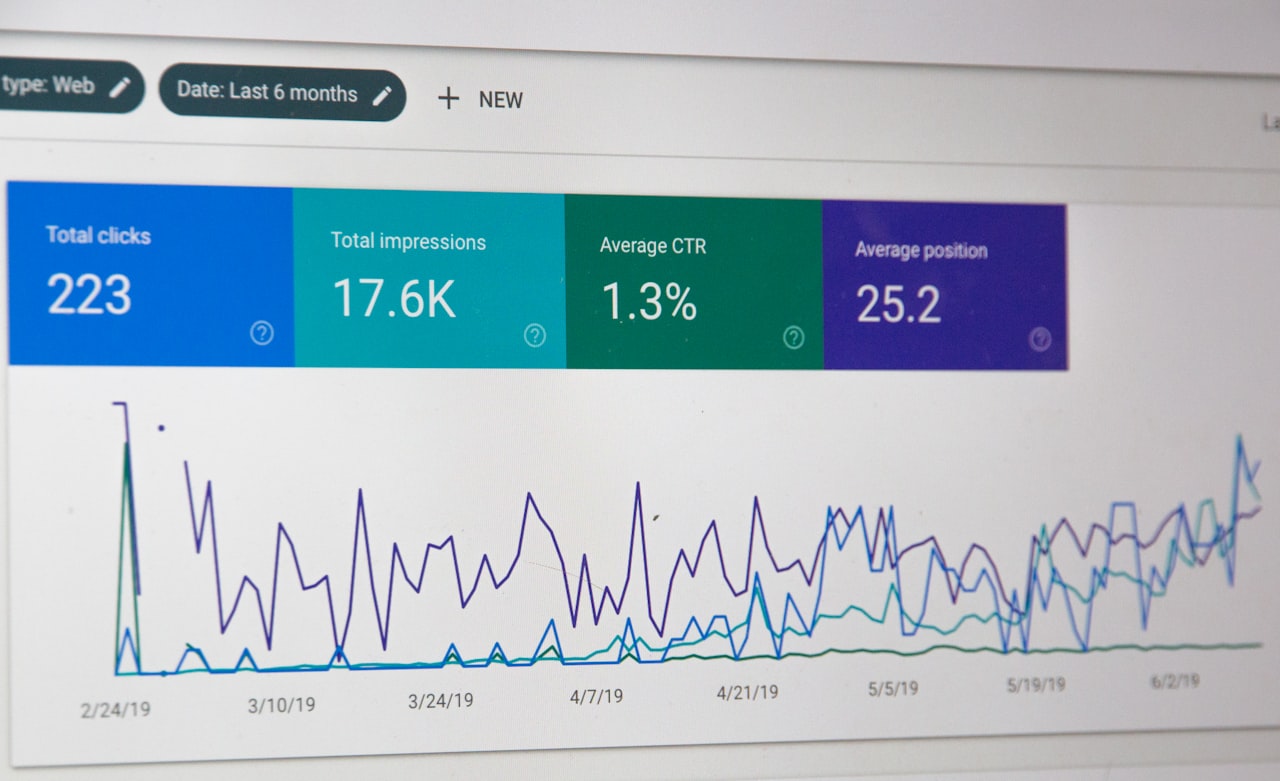
Key metrics to track:
- Website traffic by source: How many visitors come from organic search, paid ads, social media, email, and referral links? This tells you which channels are driving awareness.
- Enquiry volume and source: Track every enquiry — phone call, contact form submission, email, WhatsApp message — and attribute it to a marketing channel. Use UTM parameters, call tracking, and form tracking to maintain accurate attribution.
- Cost per enquiry: Calculate the cost of generating each enquiry by channel. This reveals which channels are most cost-effective.
- Enquiry-to-client conversion rate: What percentage of enquiries become paying clients? Track this by source to identify which channels produce the highest-quality leads.
- Client lifetime value: Accounting clients tend to stay for years. A client acquired for $200 in ad spend who pays $3,000 annually for five years represents an excellent return.
- Revenue by marketing source: The ultimate metric — how much revenue does each marketing channel generate? Track this over 12 months to account for the sales cycle.
Tools for measurement:
- Google Analytics for website traffic and user behaviour
- Google Search Console for organic search performance
- CRM system (HubSpot, Zoho, or similar) for lead tracking
- Call tracking software for phone enquiry attribution
Review your marketing performance monthly. Identify what is working and allocate more budget there. Identify what is not working and either fix it or redirect those resources. For accounting firms, a typical enquiry-to-client conversion rate is 20 to 40 per cent. If your rate falls below this range, the issue may be with your sales process rather than your marketing.
Google Ads for Accounting Services
Search ads catch prospects at the moment of need: someone typing “GST registration service Singapore” or “change accounting firm Singapore” wants help now. Clicks in this sector are expensive, so structure matters:
- Separate campaigns by service: corporate secretarial, bookkeeping, tax advisory, audit and GST registration, each with its own ad copy and landing page.
- Avoid broad terms: “accountant Singapore” is costly and attracts unqualified traffic. Use phrase and exact match on commercial-intent keywords.
- Never send ads to the homepage: each service landing page needs a clear value proposition, relevant client testimonials, your credentials (ISCA membership and ACRA registration details) and a short enquiry form.
- Budget for the season: raise spend by 30 to 50 per cent around filing peaks, then shift to remarketing and awareness in quieter months.
Even at these click prices, the maths usually works: a single SME client on annual accounting and tax can be worth S$3,000 to S$15,000 a year in fees.
Accounting & Corporate Secretarial CPC in Singapore: October 2026 data
Accounting & Corporate Secretarial keywords average S$5.70–S$31.14 per click at the top of Google (#3 of 22 industries). Google forecasts S$20.28 average CPC for November 2026 if you bid to win.
Priciest services: Payroll services S$92.05, Corporate secretarial S$50.04, Company incorporation S$34.97.
- “register company singapore”: S$4.55–S$28.14 (3,600 searches/mo)
- “accounting firm singapore”: S$4.76–S$18.45 (880 searches/mo)
- “audit firm singapore”: S$4.76–S$18.45 (880 searches/mo)
Source: Marketing Agency Singapore’s Singapore Google Ads CPC Index, built from Google Ads API data and updated monthly. Full breakdown, history and forecast →
Marketing Within ISCA and ACRA Rules
Accounting marketing in Singapore sits under the ISCA Ethics Pronouncements and the Accountants Act, which are stricter than general advertising norms.
For public accountants, ACRA’s Code of Professional Conduct and Ethics (R115.2) bars exaggerated claims about services, qualifications or experience, and disparaging references or unsubstantiated comparisons to the work of others; promotional material should be factual, dignified and in good taste. Testimonials and case studies must be used carefully — while not explicitly banned, they must not be misleading or imply guaranteed outcomes. Avoid fee comparisons that disparage other firms; ACRA’s Code notes that quoting a lower fee is not in itself unethical. If you offer incorporation, registered address or company secretary services, you must be registered with ACRA under the Corporate Service Providers Act 2024.
In practice, your website and ads should explain services and demonstrate expertise rather than make competitive claims. “Singapore’s best accounting firm” or “cheapest audit services” are both non-compliant and weak marketing. Lead with specific capabilities, team qualifications, industry specialisations and client outcomes described factually. The same applies to partners posting on LinkedIn: frame content as educational rather than promotional.
Frequently Asked Questions
Are accounting firms allowed to advertise on social media in Singapore?
Yes, as long as the content follows ISCA guidelines and, for public accountants, ACRA’s Code of Professional Conduct and Ethics. Keep posts factual and professional, avoid claims of superiority or guaranteed outcomes, and don’t run disparaging fee comparisons. Educational content, thought leadership and plain service descriptions are all fine.
How much should an accounting firm spend on marketing?
Most accounting firms in Singapore should allocate 5 to 10 per cent of their revenue to marketing. For a firm generating $500,000 in annual revenue, this means $25,000 to $50,000 per year. New firms or those aggressively pursuing growth may invest closer to 10 to 15 per cent. The budget should cover website maintenance, SEO, content creation, Google Ads, LinkedIn activity, and email marketing. Start with the channels that offer the most immediate returns — typically Google Ads and SEO — and expand as you validate results.
Which marketing channel works best for accounting firms?
No single channel works best in isolation. SEO delivers the most sustainable long-term results, generating consistent enquiries from business owners actively searching for accounting services. LinkedIn is the most effective social media platform for professional services. Google Ads provides immediate visibility during peak periods like tax season. Email marketing excels at nurturing existing contacts and clients. Referral programmes produce the highest-converting leads. The optimal approach combines all these channels into an integrated strategy where each channel reinforces the others.
How can a small accounting firm compete with larger firms online?
Specialisation is the small firm’s greatest advantage. Rather than trying to rank for broad terms like “accounting firm Singapore” where large firms dominate, focus on a niche: a specific industry (F&B, e-commerce, healthcare), a specific service (GST advisory, startup accounting), or a specific client type (sole proprietors, freelancers). Create deep, authoritative content within your niche. Your specificity signals expertise that generalist firms cannot match. Small firms can also compete on responsiveness, personal service, and agility — advantages worth highlighting in your marketing.
Is it worth investing in SEO for an accounting firm?
Absolutely. Accounting services are expensive, recurring engagements. A single client acquired through SEO may generate tens of thousands of dollars in revenue over their lifetime. Even if SEO takes six to twelve months to deliver meaningful results, the compounding nature of organic traffic makes it one of the most cost-effective acquisition channels over time. Consider that ranking for “bookkeeping services Singapore” could generate 20 to 50 enquiries per month indefinitely, without ongoing ad spend. The initial investment in SEO pays for itself many times over.
How do I generate leads during off-peak periods outside tax season?
Off-peak periods are opportunities to capture clients preparing for the next deadline cycle. Focus on services that are not tied to tax season: company incorporation, bookkeeping setup, advisory services, and financial planning. Create content addressing business planning, cash flow management, and growth strategies that resonate year-round. Run LinkedIn campaigns targeting startups and growing businesses that need accounting support. Offer free consultations or accounting health checks to attract new leads. Use off-peak months to build your content library, strengthen your SEO, and develop referral partnerships — investments that pay dividends when peak season returns.