
Table of Contents
What Is Marketing Collateral?
Marketing collateral refers to the collection of media and materials used to support the sales and marketing of a product or service. It encompasses everything from brochures and business cards to digital whitepapers and social media templates — any branded material that communicates your value proposition and helps move prospects toward a purchasing decision.
Understanding the different marketing collateral types and when to use each is fundamental to building an effective marketing toolkit. The right collateral, deployed at the right stage of the customer journey, can dramatically accelerate conversions. The wrong collateral — or outdated, poorly designed materials — can undermine even the strongest sales efforts.
For Singapore businesses operating in a competitive market, professional marketing collateral is not optional. Whether you are pitching to corporate clients, exhibiting at a trade show, or nurturing leads through a digital funnel, the quality and relevance of your materials directly reflect your brand’s credibility and professionalism.
Digital Marketing Collateral Types
Digital collateral has become the primary format for most marketing interactions, particularly as more business communication moves online.

Website: Your website is your most important piece of marketing collateral. It is the hub that all other materials point to and often the first place prospects evaluate your business. A well-designed, well-structured website serves as the foundation of your entire collateral ecosystem.
Blog articles and content: Educational content that demonstrates expertise, addresses customer questions, and supports SEO visibility. Blog content serves as top-of-funnel collateral that attracts prospects in the awareness stage.
Whitepapers and e-books: In-depth, research-backed documents that explore a topic comprehensively. Whitepapers are particularly effective in B2B marketing — they establish thought leadership and serve as lead magnets when gated behind a form. Typical length is 2,000 to 5,000 words with supporting data, charts, and actionable takeaways.
Case studies: Detailed accounts of how your product or service solved a specific client’s problem. Case studies are powerful mid-to-bottom funnel collateral because they provide social proof and demonstrate real-world results. Structure them as situation, challenge, solution, results.
Infographics: Visual representations of data, processes, or concepts that communicate complex information quickly. Infographics are highly shareable on social media and effective for summarising research findings or explaining multi-step processes.
Email templates: Pre-designed email formats for campaigns, nurturing sequences, and transactional communications. Consistent, professionally designed email templates maintain brand coherence across all email touchpoints.
Social media templates: Branded templates for social media posts, stories, and advertisements. These ensure visual consistency across platforms while enabling rapid content creation.
Video content: Product demos, explainer videos, customer testimonials, and brand videos. Video collateral is increasingly important as platforms prioritise video content and audiences prefer visual formats.
Print Marketing Collateral Types
Despite the digital shift, print collateral remains relevant in Singapore’s business environment, particularly for face-to-face interactions, events, and premium brand experiences.
Business cards: Still essential in Singapore’s business culture, where exchanging name cards is a standard professional greeting. Invest in quality card stock, clean design, and accurate information. A poorly designed business card creates a negative first impression.
Brochures and flyers: Tri-fold brochures and single-page flyers provide a tangible overview of your products or services. They are useful for trade shows, meetings, retail environments, and mail distribution. Design for quick scanning — clear headlines, bullet points, and prominent calls to action.
Company profiles: A comprehensive document presenting your company’s history, capabilities, team, and portfolio. Essential for B2B businesses in Singapore, where company profiles are frequently requested during procurement and tender processes. Keep profiles updated annually at minimum.
Product catalogues: Detailed listings of your product range with specifications, pricing, and ordering information. Catalogues serve both as marketing tools and practical reference documents for buyers. Digital versions (PDFs or online catalogues) extend their utility.
Presentation folders: Branded folders that hold printed materials during meetings and presentations. They add a professional touch to client meetings and keep documents organised. Include a business card slot for convenience.
Signage and banners: Pull-up banners, wall signage, and directional signs for events, trade shows, and office environments. These are high-visibility collateral that reinforces brand presence in physical spaces.
Sales Enablement Collateral
Sales enablement collateral specifically supports the sales team in moving prospects through the decision-making process. These materials bridge the gap between marketing’s lead generation and sales’ closing activities.

Sales presentations: Professional slide decks that sales teams use in client meetings. The best sales presentations are modular — individual slides or sections can be rearranged based on the specific prospect’s needs and interests. Include company overview, problem framing, solution description, case studies, and next steps.
Proposal templates: Standardised templates that maintain professional consistency across all proposals while allowing customisation for each prospect. Templates should include sections for executive summary, scope of work, methodology, timeline, pricing, and terms.
Product sheets and one-pagers: Single-page summaries of individual products or services. These quick-reference documents help sales teams provide relevant information during conversations and leave-behinds. Each one-pager should focus on benefits, key features, and differentiators.
Comparison charts: Side-by-side comparisons of your offerings versus competitors or different tier options within your own product line. Comparison collateral helps prospects make informed decisions and positions your strengths against competitive alternatives.
ROI calculators and assessment tools: Interactive tools that help prospects quantify the potential value of your solution. A marketing agency might offer a “website performance assessment” or a “digital marketing ROI calculator” that simultaneously provides value to the prospect and qualifies them as a lead.
Testimonial collections: Curated compilations of customer testimonials, reviews, and endorsements that sales teams can share during the decision-making process. Organise testimonials by industry, use case, and company size so sales can share the most relevant proof points for each prospect.
Design Principles for Effective Collateral
Regardless of the specific marketing collateral types you create, several design principles apply universally.
Brand consistency: Every piece of collateral should be instantly recognisable as belonging to your brand. Consistent use of logos, colours, typography, imagery style, and tone of voice builds recognition and trust. Develop a brand style guide and ensure all collateral creators follow it strictly.
Visual hierarchy: Guide the reader’s eye from the most important information to the least. Use size, colour, and positioning to establish hierarchy. Headlines should be larger than body text, calls to action should be visually prominent, and white space should prevent visual clutter.
Readability: Choose fonts that are easy to read across all sizes and formats. Body text should be at least 10pt in print and 16px on screen. Maintain adequate contrast between text and background colours. Break long text into short paragraphs, bullet points, and subheadings.
Professional photography and graphics: High-quality visuals elevate all collateral. Avoid generic stock photography that looks artificial or has been used by hundreds of other companies. Invest in original photography where possible, and select stock imagery carefully for authenticity and relevance.
Mobile-friendly design: Any digital collateral must work on mobile devices. PDFs should be designed for comfortable reading on phone screens. Emails must be responsive. Landing pages should load quickly and display correctly across devices.
Accessibility: Design for accessibility by ensuring sufficient colour contrast, using alt text for images, maintaining logical reading order, and providing text alternatives for visual content. Accessible design is not just ethical — it expands your reach to all potential customers.
Creating Collateral That Actually Converts
Beautiful design alone does not convert. Effective collateral combines design with strategic content and clear calls to action.
Focus on benefits, not features: Customers care about outcomes, not specifications. Instead of “Our software has 256-bit encryption,” say “Your data is protected by bank-grade security.” Translate every feature into the benefit it delivers to the customer.
Include social proof: Testimonials, client logos, case study results, awards, and certifications build credibility throughout your collateral. Place social proof near calls to action where it can reinforce the decision to engage.
Clear calls to action: Every piece of collateral should have a specific next step. A brochure should direct to your website. A whitepaper should encourage a consultation booking. A case study should include a “Get similar results” CTA. Make the next step obvious and easy.
Match collateral to buying stage: Awareness-stage prospects need educational content (blog posts, infographics). Consideration-stage prospects need evaluative content (case studies, comparison guides). Decision-stage prospects need confidence-building content (testimonials, proposals, demos). Serving the wrong content at the wrong stage slows the buying process.
Personalise where possible: Generic, one-size-fits-all collateral underperforms personalised materials. Customise proposals for each prospect. Create industry-specific versions of case studies and whitepapers. Use marketing automation to deliver the most relevant digital collateral based on a lead’s behaviour and profile.
Your collateral should work in concert with your broader digital marketing strategy — driving website traffic, generating leads, and supporting the sales process at every touchpoint.
Organising and Managing Your Collateral Library
As your collateral library grows, organisation and maintenance become critical. Outdated, inconsistent, or hard-to-find materials undermine marketing and sales effectiveness.
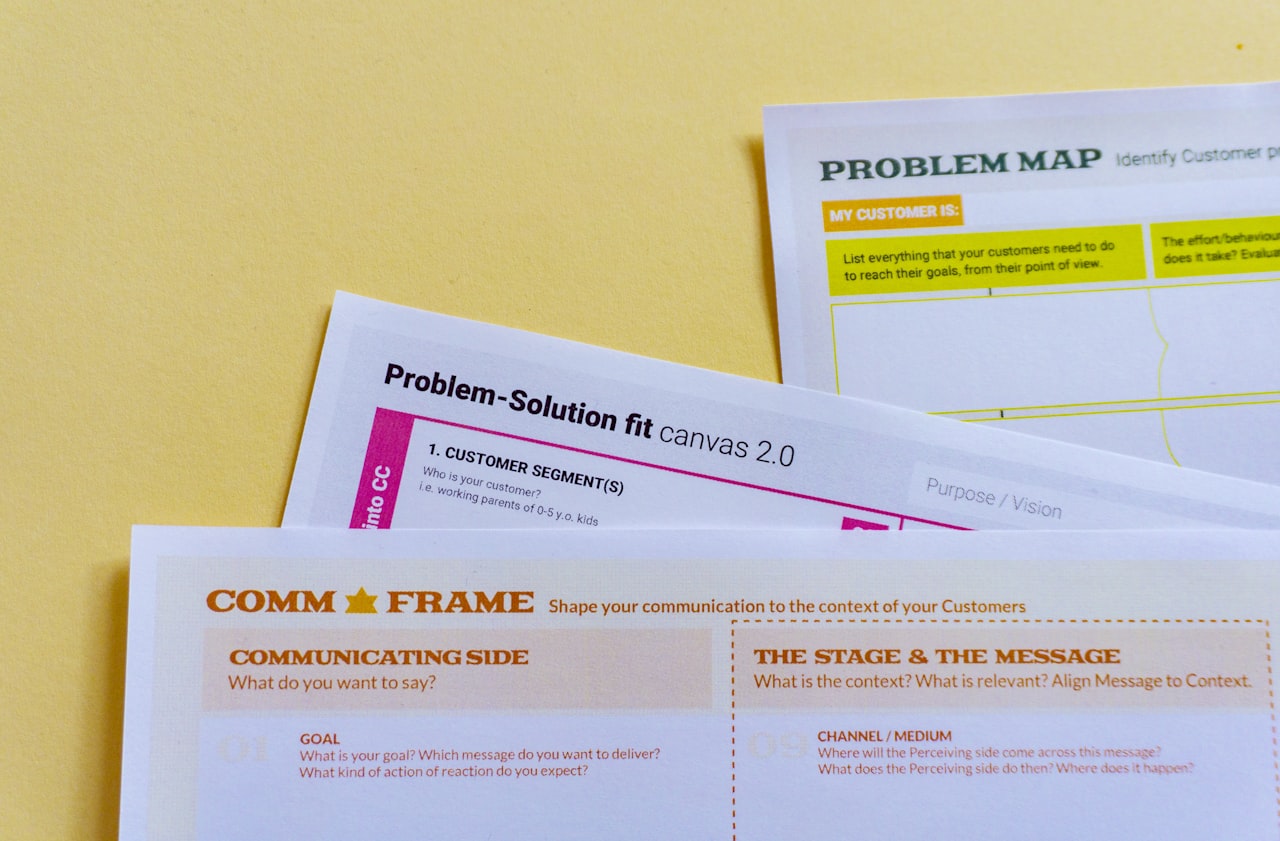
Central repository: Store all collateral in a single, accessible location — a shared drive, a digital asset management platform, or a brand portal. Ensure sales, marketing, and any external partners can find and access the latest versions easily.
Version control: Implement clear naming conventions and version numbering. Archive outdated versions rather than deleting them (you may need to reference them). Include “Last updated” dates on all collateral so users can verify currency.
Regular audits: Review your entire collateral library quarterly. Identify materials that are outdated, off-brand, or no longer relevant. Update or retire them promptly. An outdated brochure quoting last year’s statistics damages credibility.
Usage tracking: Monitor which collateral pieces are most frequently used by sales, which generate the most downloads, and which correlate with closed deals. This data guides future collateral investment — create more of what works and retire what does not.
Templates and brand guidelines: Provide editable templates and comprehensive brand guidelines so team members can create new collateral that maintains brand consistency. This is especially important for large teams or when working with external agencies and freelancers.
Feedback loops: Create channels for sales teams to provide feedback on collateral effectiveness. Sales representatives interact with prospects daily and have firsthand insight into what collateral helps close deals and what falls flat. This feedback should directly inform your content planning process.
Frequently Asked Questions
What is marketing collateral?
Marketing collateral refers to any branded media or materials used to promote and support the sales of a product or service. This includes digital formats (websites, e-books, email templates, social media graphics) and print formats (brochures, business cards, company profiles, product catalogues).
What are the most important types of marketing collateral?
The most important types depend on your business, but universally essential collateral includes a professional website, business cards, a company presentation deck, case studies, and product or service one-pagers. B2B businesses should also prioritise whitepapers and proposal templates.
How often should marketing collateral be updated?
Review all collateral quarterly and update as needed. At minimum, refresh collateral annually to ensure statistics, pricing, team information, and visual design remain current. Major brand changes or product launches require immediate collateral updates.
Should I prioritise digital or print collateral?
For most Singapore businesses, digital collateral should be the priority because it reaches more people, costs less to produce and distribute, and can be updated easily. Print collateral remains important for face-to-face interactions, events, and industries where tangible materials carry weight (luxury goods, property, professional services).
How do I measure the effectiveness of marketing collateral?
Track digital collateral through download rates, page views, time on page, and conversion rates. For sales collateral, measure usage rates (how often sales teams use each piece) and correlation with deal progression. Survey sales teams for qualitative feedback on what works in client interactions.
What makes a good case study?
A good case study includes a clear description of the client’s situation and challenge, the solution you provided, specific measurable results, and a client testimonial. Use the situation-challenge-solution-results framework and include concrete numbers wherever possible.
How much should I invest in marketing collateral design?
Investment varies widely. A comprehensive collateral set for a Singapore SME — including website, business cards, brochure, presentation deck, and digital templates — might cost SGD 5,000 to 20,000 depending on scope and design quality. Ongoing content creation (case studies, blog posts, whitepapers) requires additional monthly investment.
Can I create marketing collateral in-house?
Yes, with the right tools and brand guidelines. Platforms like Canva, Adobe Express, and Figma enable non-designers to create on-brand collateral from templates. However, foundational materials (brand identity, website, key presentation decks) typically benefit from professional design expertise.
What is the difference between marketing collateral and sales collateral?
Marketing collateral supports broader marketing objectives like awareness and lead generation (blog posts, social media, infographics). Sales collateral specifically supports the sales process (proposals, product sheets, comparison charts). In practice, the categories overlap — case studies and presentations serve both marketing and sales purposes.
How do I ensure brand consistency across all collateral?
Develop comprehensive brand guidelines covering logo usage, colours, typography, imagery style, and tone of voice. Create templates for common collateral types. Centralise collateral storage so everyone accesses the latest versions. Assign a brand steward who reviews all new materials before distribution.