Loyalty Programme Guide: How to Design a Rewards Programme That Retains Customers
Table of Contents
Why Loyalty Programmes Matter for Singapore Businesses
A well-designed loyalty programme Singapore businesses can implement serves a straightforward commercial purpose: it increases the frequency and value of customer purchases while reducing the likelihood of customers switching to competitors. In Singapore’s compact, competitive market, where consumers have abundant choice and switching costs are low, a loyalty programme creates a tangible reason to keep coming back.
The economics are compelling. Acquiring a new customer costs five to seven times more than retaining an existing one. Loyal customers spend 67 per cent more on average than new customers, and they are more likely to refer others. A loyalty programme Singapore strategy that increases retention by even 5 per cent can boost profitability by 25-95 per cent, depending on the industry and margin structure.
Singapore consumers are familiar with and receptive to loyalty programmes. From GrabRewards and KrisFlyer to coffee stamp cards at neighbourhood cafes, rewards programmes are part of everyday consumer behaviour here. The key differentiator is not whether you have a programme, but how well it is designed, how easy it is to use, and how genuinely valuable the rewards feel. A poorly designed programme wastes money and can actively annoy customers, so getting the fundamentals right is essential.
Types of Loyalty Programmes
Points-based programmes are the most common format. Customers earn points for purchases, which they redeem for rewards. This model is flexible, easy to understand, and works across most business types. The challenge is setting point values that feel meaningful without eroding margins. A common structure in Singapore retail is one point per dollar spent, with rewards starting at 100-200 points.
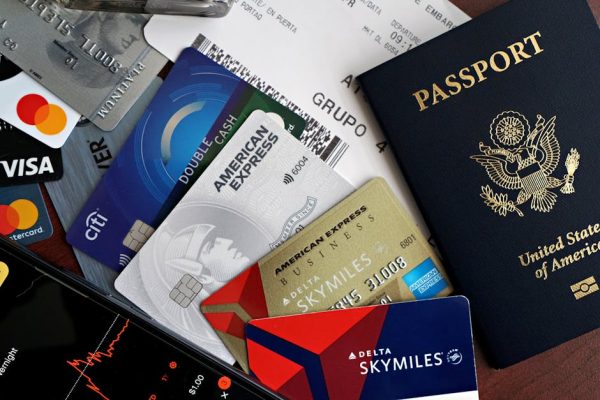
Tier-based programmes add status levels that unlock progressively better benefits. This model works well for businesses with repeat purchases, such as airlines, hotels, and high-frequency retail. The psychological power of tiers lies in the status motivation — customers actively increase spending to reach or maintain a tier. Singapore consumers respond well to tier-based programmes because status signalling is culturally relevant.
Cashback programmes offer a percentage of each purchase back as credit toward future purchases. They are simple to understand and feel immediately valuable. Stamp or punch-card programmes (buy nine, get one free) work for businesses with relatively uniform transactions, like cafes and quick-service restaurants. Paid membership programmes, where customers pay an upfront fee for ongoing benefits, are growing in popularity — think Amazon Prime or Costco. These work when the perceived value of benefits significantly exceeds the membership fee.
Designing Your Reward Structure
Your reward structure must balance three objectives: attracting participation, encouraging repeat behaviour, and maintaining profitability. Start by calculating your reward budget as a percentage of revenue. Most successful programmes allocate 1-5 per cent of revenue to rewards. At 3 per cent of revenue, a business turning over S$1 million annually has S$30,000 per year for rewards.
Rewards should feel attainable but aspirational. If a customer needs to spend S$10,000 before redeeming a S$10 voucher, the programme will feel pointless. Conversely, if rewards come too easily, they devalue your offering and erode margins. A good rule of thumb is that a regular customer should be able to earn their first reward within two to three visits or purchases. This creates the positive reinforcement loop that drives programme engagement.
Offer a mix of reward types. Monetary rewards (discounts, cashback, free products) drive transactions. Experiential rewards (early access, exclusive events, personalised services) build emotional connection. The most effective programmes combine both. Consider partner rewards as well — collaborating with complementary businesses to offer cross-brand rewards expands the value of your programme without additional cost. A restaurant might partner with a nearby cinema, or a fitness studio might partner with a health food brand.
Technology and Platforms
Modern loyalty programmes run on dedicated technology platforms that handle point tracking, reward fulfilment, member communication, and analytics. For small businesses, simple solutions like Loyverse, Stamp Me, or CandyBar provide mobile-based stamp cards and basic point systems starting from free to S$50 per month.
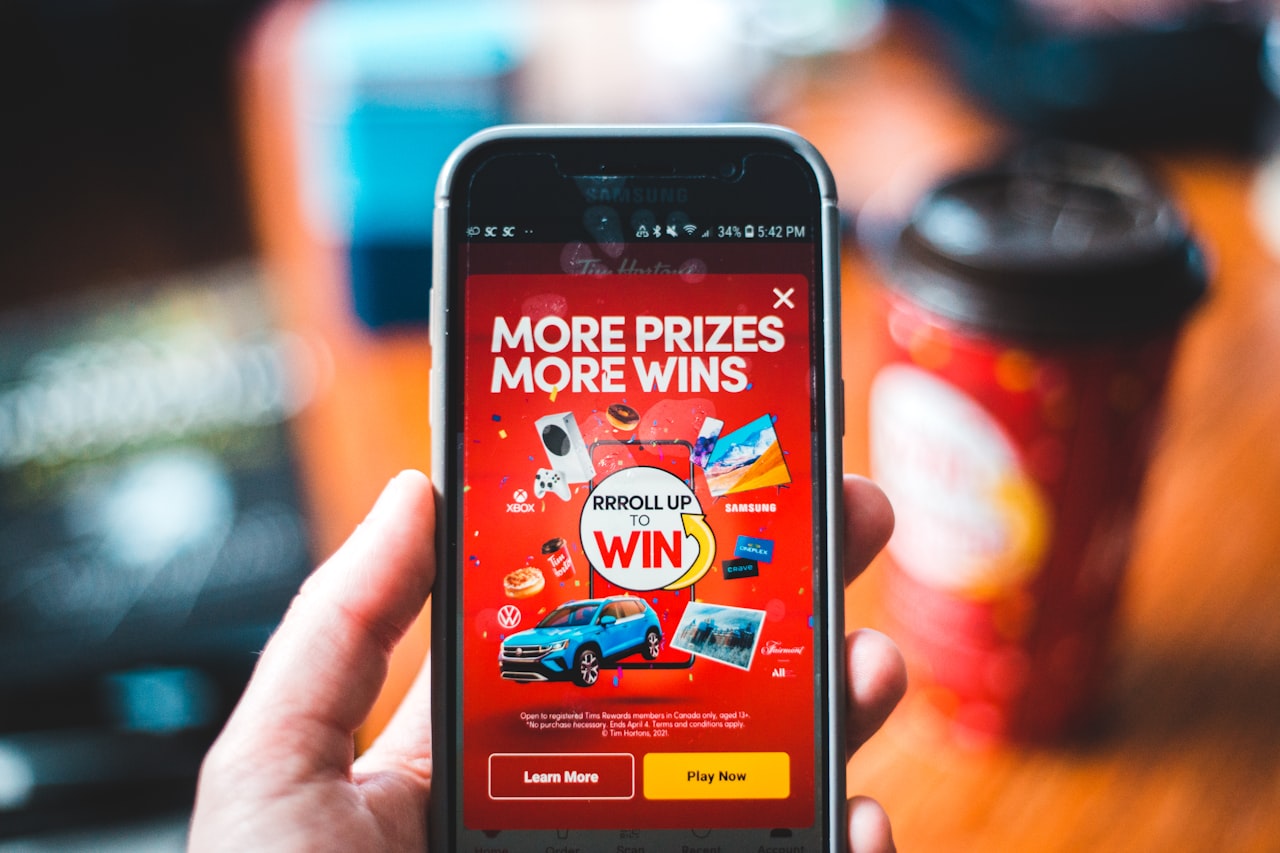
Mid-market solutions like Smile.io, LoyaltyLion, and Yotpo integrate with e-commerce platforms (Shopify, WooCommerce) and offer points, tiers, referrals, and detailed analytics. Pricing ranges from S$100-500 per month depending on features and member volume. These platforms are suitable for e-commerce businesses and multi-location retailers.
Enterprise solutions like Antavo, Comarch, and Capillary Technologies offer fully customisable programmes with advanced segmentation, AI-driven personalisation, and omnichannel integration. These start at S$1,000+ per month and require implementation support. For most Singapore SMEs, a mid-market platform provides the best balance of capability and cost. Whichever platform you choose, ensure it integrates with your POS system, website, and email marketing tools for a seamless experience across all customer touchpoints.
Launching and Promoting Your Programme
A loyalty programme is only valuable if customers join and use it. Plan your launch as a marketing campaign in its own right. Set a target for member sign-ups within the first 90 days and work backward to determine the promotional activities needed to hit that target. A realistic benchmark is enrolling 20-30 per cent of your existing customer base within the first three months.
Staff training is critical. Frontline staff must understand the programme, believe in its value, and actively invite customers to join. In-store signage, point-of-sale prompts, and receipt messaging should all promote the programme. For online businesses, promote sign-up across your website, checkout flow, and post-purchase emails. Consider offering bonus sign-up points or an immediate reward for joining to accelerate early enrolment.
Use your existing email marketing list to announce the programme to current customers. Social media posts, website banners, and in-app notifications drive awareness. For the first month, consider a launch promotion such as double points or an exclusive reward for early members. Monitor enrolment rates weekly and adjust promotional intensity as needed. The goal is to build critical mass quickly, because a programme with many active members generates its own momentum through social proof and word of mouth.
Engagement and Personalisation
Enrolment is just the beginning. The real challenge is keeping members active and engaged over time. Inactive members represent sunk cost with no return. Send regular point balance reminders, reward availability notifications, and personalised offers based on purchase history. Gamification elements like bonus challenges (“earn triple points this weekend”), progress bars showing how close a member is to the next reward, and surprise-and-delight moments keep the programme feeling dynamic.
Personalisation significantly improves programme engagement. Use purchase data to send relevant offers — a customer who buys coffee every morning should receive offers related to coffee, not tea. Segment your member base by tier, purchase frequency, average spend, and product preferences, then tailor communications to each segment. A gold-tier member should receive a different experience than a new member.
Celebrate member milestones: birthdays, membership anniversaries, and tier upgrades. These moments create emotional connection and demonstrate that your brand values the individual relationship. In Singapore, birthday rewards are particularly effective and have become an expected benefit of loyalty programme membership. A personalised birthday offer with a generous reward drives both goodwill and redemption activity, which in turn drives a visit or purchase.
Measuring Programme Success
Track programme performance across three dimensions: participation, behaviour change, and financial return. Participation metrics include enrolment rate, active member percentage (members who earned or redeemed in the past 90 days), and point redemption rate. A healthy programme has 40-60 per cent of members active and a point redemption rate of 60-80 per cent.
Behaviour change metrics compare member behaviour to non-member behaviour. Measure purchase frequency, average transaction value, customer lifetime value, and retention rate for members versus non-members. The lift across these metrics represents the incremental value your programme generates. If members spend 25 per cent more and have double the retention rate of non-members, that is the programme’s contribution to your bottom line.
Financial return is calculated by comparing the incremental revenue from member behaviour change against programme costs (technology, rewards, operational overhead). A well-designed programme should deliver a positive ROI within 12-18 months. Build a dashboard that tracks these metrics monthly and report to stakeholders quarterly. If metrics trend downward, it signals the need for programme refresh — new rewards, adjusted earning rates, or better engagement campaigns. Integrate your loyalty programme analytics with your broader marketing analytics to understand how the programme interacts with other channels and campaigns.
Frequently Asked Questions
How much does it cost to launch a loyalty programme in Singapore?
A basic digital loyalty programme can be launched for as little as S$50-200 per month using platforms like Stamp Me or CandyBar. Mid-range solutions cost S$200-500 per month. Enterprise programmes with custom development start at S$10,000-50,000 for setup plus ongoing platform costs. Factor in reward costs (1-5 per cent of revenue) and marketing costs for programme promotion.
Should small businesses have loyalty programmes?
Yes, provided the programme is simple and relevant. A cafe, salon, or retail shop can run an effective stamp-card style programme with minimal technology investment. The key is choosing a format that fits your business model and customer behaviour. Even a simple “buy 10, get 1 free” programme drives repeat visits when executed consistently.
How do I prevent loyalty programme fraud?
Use digital platforms with authentication rather than physical cards that can be lost or duplicated. Require member identification at the point of redemption. Set limits on point earning per transaction and per day. Monitor for unusual patterns like rapid point accumulation or high-value redemptions by new members. Most modern loyalty platforms include built-in fraud detection features.
What rewards do Singapore consumers value most?
Singapore consumers consistently rank cashback and discounts as the most valued rewards, followed by free products, exclusive access, and partner rewards. Instant rewards (like immediate dollar-off discounts) are perceived as more valuable than deferred rewards (like points that take months to accumulate). Include a mix of instant and aspirational rewards for maximum effectiveness.
Should I charge a membership fee for my loyalty programme?
Paid programmes work only when the perceived value clearly exceeds the fee. If you can offer benefits worth five to ten times the membership cost, a paid model can work and actually drives higher engagement because members want to recoup their investment. For most Singapore SMEs, a free programme with optional paid premium tiers is the safest approach.
How often should I refresh my loyalty programme?
Review programme performance quarterly and make minor adjustments (new rewards, bonus promotions, seasonal offers) throughout the year. Major programme redesigns should happen every two to three years to prevent staleness. Always test changes with a subset of members before rolling out to the full base, as abrupt changes to earning or redemption rates can alienate loyal members.
Can loyalty programme data help with marketing decisions?
Absolutely. Loyalty programme data reveals individual purchase histories, preferences, and behaviour patterns that are invaluable for marketing personalisation. Use this data to segment customers, personalise email campaigns, optimise product assortment, and inform promotional strategy. The data from a well-run loyalty programme is often the most valuable customer insight source a business has.
What is a good enrolment rate for a loyalty programme?
Aim to enrol 30-50 per cent of your customer base within the first year, with 40-60 per cent of enrolled members remaining active. Enrolment rates above 50 per cent indicate strong programme design and promotion. If enrolment is below 20 per cent, review the sign-up process for friction, the perceived value of rewards, and the effectiveness of staff in promoting the programme.
How do I handle loyalty programme points when customers return products?
Deduct the points earned on the returned items at the time of refund. If the customer has already redeemed those points, deduct from their current balance or create a negative balance that must be recovered before future redemptions. Include clear terms and conditions covering this scenario in your programme rules. Most loyalty platforms handle this automatically when integrated with your POS or e-commerce system.