Logistics Market Entry in Singapore: Free Trade Zones, Permits and Marketing
Singapore is one of the world’s most important logistics hubs. Positioned at the intersection of major East-West trade routes, the city-state handles a significant share of global container shipping, serves as a leading air cargo hub and provides advanced warehousing and distribution infrastructure that connects manufacturers and retailers across Asia-Pacific and beyond. Logistics market entry in Singapore offers foreign companies immediate access to a mature, efficient and well-regulated ecosystem.
This guide covers the regulatory framework, free trade zones, customs and permit requirements, warehousing options and B2B marketing strategies that foreign logistics companies need to succeed in Singapore’s competitive market.
Table of Contents
Singapore’s Logistics Market Overview
The logistics sector is a cornerstone of Singapore’s economy, contributing approximately eight per cent of GDP and employing over 200,000 workers. The country consistently ranks among the top nations in the World Bank’s Logistics Performance Index.
Port and Maritime Logistics
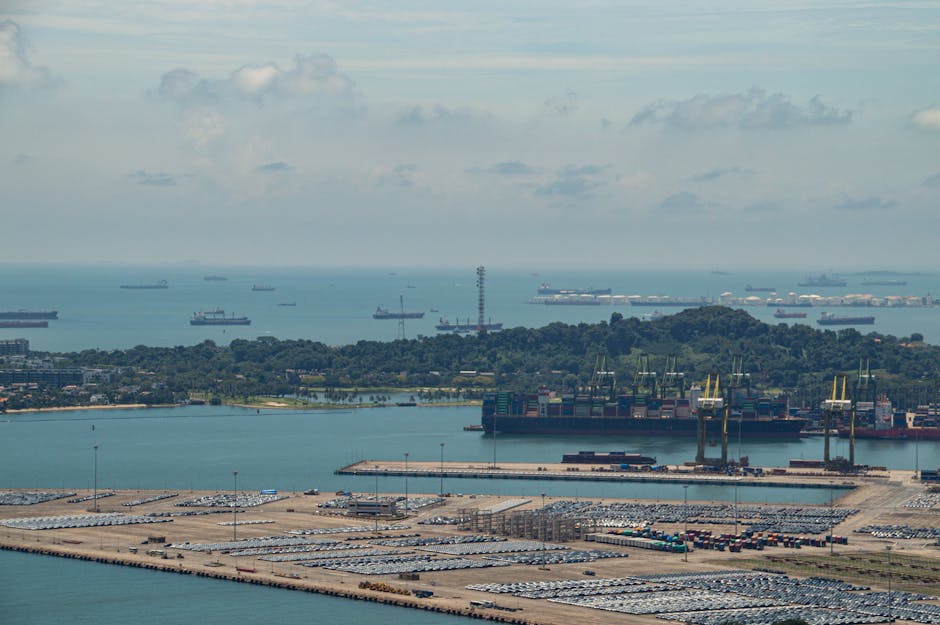
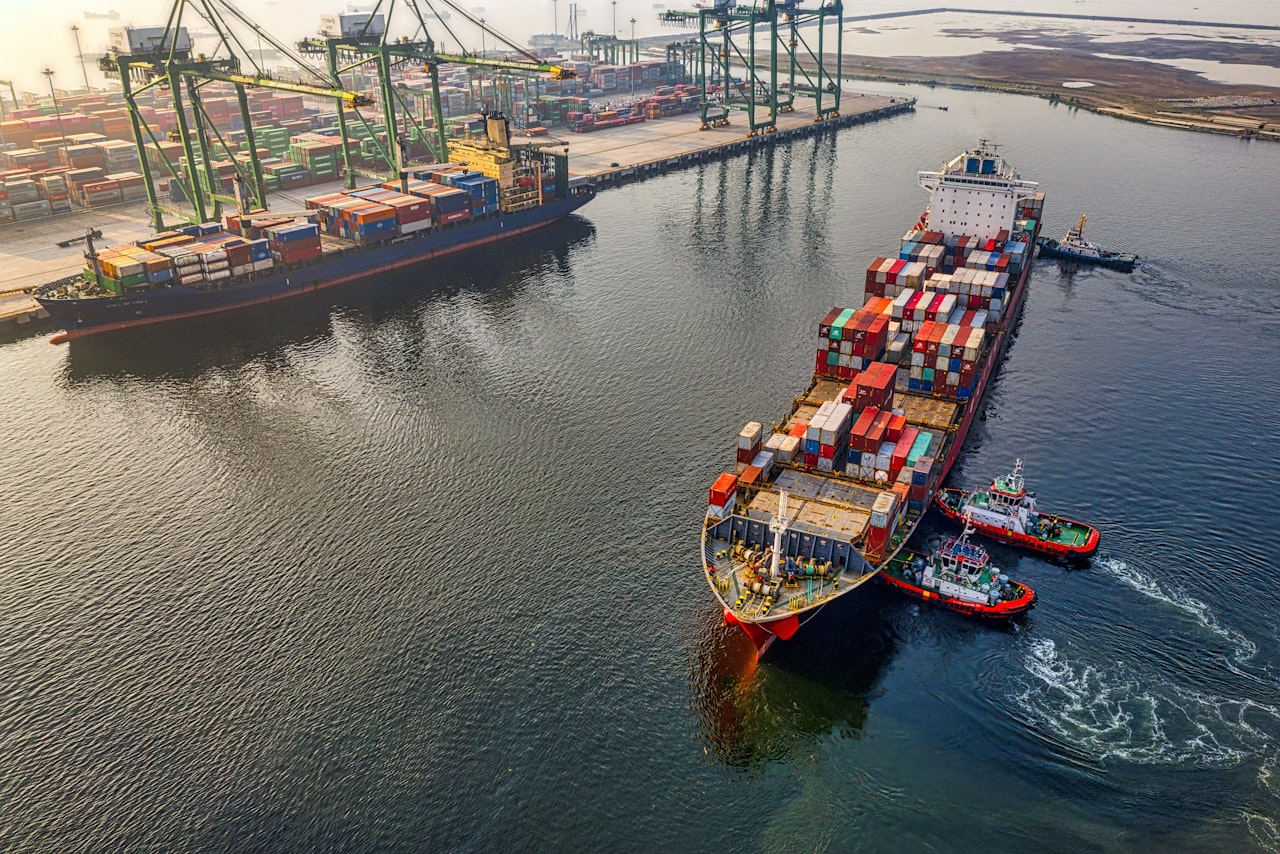
The Port of Singapore is the world’s second-busiest container port by throughput. It connects to more than 600 ports across 120 countries, with over 200 shipping lines offering services from Singapore. The ongoing development of the Tuas Mega Port — set to consolidate all container operations by the 2040s — will further strengthen Singapore’s maritime logistics capabilities.
Air Cargo and Express Logistics
Changi Airport is a premier air cargo hub, handling over two million tonnes of airfreight annually. The Changi Airfreight Centre and free trade zones within the airport facilitate rapid transhipment of high-value and time-sensitive goods. Major integrators including DHL, FedEx, UPS and TNT maintain substantial operations at Changi.
Third-Party and Fourth-Party Logistics
Singapore hosts the regional headquarters of many global 3PL and 4PL providers, including DHL Supply Chain, DB Schenker, Kuehne + Nagel, CEVA Logistics and Nippon Express. The market is competitive but continues to grow as e-commerce expansion and supply chain reconfiguration drive demand for sophisticated logistics services.
E-Commerce Logistics
The explosion of e-commerce in Southeast Asia has created significant demand for last-mile delivery, fulfilment centres and cross-border logistics solutions. Singapore serves as a regional e-commerce fulfilment hub, with companies like Ninja Van, J&T Express and Shopee Logistics building extensive networks from their Singapore bases.
Company Setup and Licensing
Logistics market entry in Singapore requires establishing a legal entity and obtaining relevant operational licences.
Company Registration
Foreign logistics companies typically incorporate a Singapore private limited company (Pte Ltd) through ACRA. The process takes one to two business days and requires at least one locally resident director. The standard corporate tax rate of 17 per cent applies, with start-up exemptions available for the first three years.
Logistics-Specific Licences
Depending on the scope of operations, logistics companies may need several licences:
- Customs broker licence: Required for companies providing customs brokerage and declaration services. Issued by Singapore Customs.
- Warehouse licence: Licensed warehouses enjoy GST suspension on imported goods stored within the facility. Applications are made to Singapore Customs.
- Dangerous goods licence: Companies handling hazardous materials require approval from SCDF, NEA and other relevant agencies.
- Transport operator licence: Freight forwarding and trucking operations require licensing from the Land Transport Authority (LTA) for vehicle registration and road use.
Industry Standards and Certifications
Logistics companies operating in Singapore benefit from industry certifications that build client confidence. Key certifications include ISO 9001 (quality management), ISO 14001 (environmental management), ISO 45001 (occupational health and safety) and GDP (Good Distribution Practice) for pharmaceutical logistics. TAPA (Transported Asset Protection Association) certification is important for high-value cargo handling.
Free Trade Zones and Bonded Facilities
Singapore’s free trade zones (FTZs) are a major competitive advantage for logistics companies, enabling efficient transhipment and distribution without immediate customs duty or GST obligations.
Singapore’s Free Trade Zones
There are currently several FTZs in Singapore:
- Changi Airport Free Trade Zone: Located within Changi Airport, catering to air cargo transhipment and consolidation.
- Jurong Port Free Trade Zone: Serving bulk and break-bulk cargo operations.
- Keppel Distripark and Pasir Panjang: Container and general cargo FTZ facilities adjacent to the main port terminals.
Benefits of FTZ Operations
Goods can be stored, consolidated, deconsolidated, repacked and re-exported within FTZs without payment of customs duties or GST. This is particularly advantageous for transhipment operations, where goods arrive from one country and are redistributed to multiple destinations. FTZ operations improve cash flow for logistics companies and their clients.
Licensed Warehouses
Beyond FTZs, companies can apply for licensed warehouse status from Singapore Customs. Licensed warehouses enjoy GST suspension on goods stored within the facility, similar to FTZ benefits but located outside the designated zones. This provides flexibility in warehouse location selection while retaining tax advantages.
Zero GST Warehouse Scheme
The Zero GST Warehouse Scheme allows approved companies to store imported goods in designated areas without paying GST. This scheme is particularly useful for companies involved in regional distribution, where goods are imported into Singapore for subsequent re-export to ASEAN and other markets.
Customs Procedures and Permits
Singapore’s customs procedures are highly efficient and predominantly digital, contributing to the country’s reputation for trade facilitation.
TradeNet System
All import, export and transhipment permit applications are processed through TradeNet, Singapore’s national single-window trade documentation system. TradeNet processes the majority of permit applications within minutes, enabling rapid cargo clearance. Companies must activate their Customs Account and appoint a declaring agent or apply for direct declaration rights.
Import and Export Permits
Permits are required for goods entering or leaving Singapore (excluding goods remaining within FTZs for transhipment). Standard permit fees are modest, and the system supports various permit types including in-payment permits, in-non-payment permits (for re-exports and FTZ movements), and transhipment permits.
Controlled and Strategic Goods
Certain goods require additional approvals from competent authorities:
- Food products: Singapore Food Agency (SFA) import permits.
- Pharmaceutical and health products: Health Sciences Authority (HSA) approvals.
- Strategic goods: Items with dual-use potential require permits under the Strategic Goods (Control) Act.
- Hazardous substances: NEA permits for chemicals and toxic industrial waste.
Trusted Trader Programmes
Singapore Customs operates trusted trader programmes, including the Secure Trade Partnership (STP) and STP-Plus, which provide cargo clearance facilitation, reduced inspections and mutual recognition with partner countries’ authorised economic operator (AEO) programmes. Achieving STP certification enhances operational efficiency and competitiveness.
Warehousing and Distribution Options
Singapore offers a range of warehousing options to suit different logistics business models, from basic storage to sophisticated fulfilment operations.
JTC Logistics Hubs
JTC Corporation develops and manages logistics infrastructure including warehouse and distribution facilities. Key locations include Jurong Logistics Hub, Airport Logistics Park of Singapore (ALPS) and Tuas. JTC facilities are purpose-built for logistics operations with features like high ceilings, heavy floor loading, dock levellers and drive-in ramps.
Private Warehouse Operators
Numerous private operators offer warehouse space ranging from basic ambient storage to temperature-controlled and cold chain facilities. Companies like Mapletree Logistics Trust, LOGOS and ESR manage large industrial and logistics portfolios. Private warehouses offer more flexibility in lease terms compared to JTC facilities.
Cold Chain and Temperature-Controlled Logistics
Singapore’s position as a food and pharmaceutical distribution hub drives strong demand for cold chain logistics. Temperature-controlled warehouses, cold rooms and GDP-compliant pharmaceutical storage facilities are available from specialist operators. The government supports cold chain development as part of Singapore’s food security strategy.
Fulfilment Centres
E-commerce fulfilment centres provide pick-and-pack, labelling, returns management and last-mile delivery coordination. Companies like Anchanto, aCommerce and various 3PL providers operate fulfilment centres serving Singapore and regional e-commerce markets.
Technology and Digital Logistics
Singapore is a leading centre for logistics technology innovation, with strong government support for digital transformation in the supply chain sector.
Supply Chain Digitalisation
The government’s Supply Chain Digitalisation initiative promotes adoption of electronic documentation, real-time tracking, data analytics and automation in logistics operations. The Networked Trade Platform (NTP) provides a digital infrastructure for trade and logistics information exchange.
Automation and Robotics
Singapore’s labour constraints drive investment in warehouse automation, autonomous vehicles for port operations and robotic process automation for documentation and compliance tasks. Grants are available through Enterprise Singapore and IMDA for logistics companies investing in automation technologies.
Blockchain and Digital Trade
Singapore has been at the forefront of digital trade documentation initiatives. Projects exploring blockchain-based bills of lading, smart contracts for trade finance and digital certificates of origin offer logistics companies opportunities to differentiate through technology adoption.
B2B Marketing for Logistics Companies
Logistics companies in Singapore operate in a competitive B2B environment where client acquisition depends on demonstrating reliability, capability and value. A strong digital marketing strategy differentiates your company from established incumbents.
Search Engine Optimisation
Procurement managers and supply chain directors search online for logistics providers, freight forwarders and warehousing solutions. Ranking for terms like “3PL provider Singapore,” “cold chain logistics Singapore” or “e-commerce fulfilment Singapore” captures high-intent traffic. A targeted SEO strategy ensures your company appears when prospects are actively sourcing logistics partners.
Content Marketing for B2B Logistics
Publishing supply chain insights, regulatory updates, case studies and industry analysis positions your company as a knowledgeable partner. A consistent content marketing programme builds trust over time and supports lead nurturing. Topics like customs procedure guides, FTZ benefits explanations and e-commerce logistics best practices attract and engage procurement professionals.
Google Ads for Lead Generation
Google Ads campaigns targeting logistics-specific keywords deliver qualified leads from companies actively searching for supply chain solutions. Search campaigns should be segmented by service type — freight forwarding, warehousing, fulfilment, customs brokerage — to ensure relevant ad copy and landing pages for each prospect segment.
LinkedIn and Professional Networking
LinkedIn is the primary platform for B2B marketing in logistics. Company page content, employee advocacy, thought leadership articles and targeted LinkedIn advertising reach supply chain decision-makers. A well-executed social media marketing strategy on LinkedIn complements SEO and content marketing efforts.
Website and Brand Identity
Your website must clearly communicate service capabilities, geographic coverage, certifications, technology infrastructure and customer testimonials. B2B logistics clients evaluate providers based on professionalism and credibility, and your digital presence is often the first evaluation point. Consistent branding across all digital and physical touchpoints reinforces trust.
For a comprehensive approach that integrates all B2B marketing channels, consider partnering with a digital marketing agency experienced in logistics and supply chain sector marketing.
Frequently Asked Questions
Do I need a specific licence to operate a logistics company in Singapore?
There is no single “logistics licence” in Singapore. However, specific activities require specific licences — customs brokerage requires a customs broker licence, warehousing may require a warehouse licence from Singapore Customs, and transport operations require LTA vehicle registration. The licences you need depend on your service scope.
What are the benefits of operating in a Free Trade Zone?
FTZ operations allow goods to be stored, consolidated, repacked and re-exported without payment of customs duties or GST. This improves cash flow, reduces landed costs for transhipment cargo and simplifies documentation for regional distribution operations.
How much does warehouse space cost in Singapore?
Ambient warehouse space typically costs SGD 1.20 to SGD 2.50 per square foot per month, depending on location and facility specifications. Temperature-controlled and cold chain facilities command higher rates of SGD 3.00 to SGD 6.00 per square foot per month. Prices vary by location, with airport-adjacent and port-adjacent facilities at the higher end.
What is the Zero GST Warehouse Scheme?
The Zero GST Warehouse Scheme allows approved companies to import and store goods in designated warehouse areas without paying GST. GST is payable only when goods are released into the local market. Goods re-exported from the scheme are not subject to GST. This is particularly beneficial for regional distribution hub operations.
How do I register for TradeNet?
Companies must first activate a Customs Account with Singapore Customs. TradeNet access is obtained through authorised front-end solution providers such as CrimsonLogic, Kale Logistics Solutions or vCargo Cloud. Alternatively, companies can appoint licensed customs brokers to handle declarations on their behalf.
Can foreign logistics companies hire foreign workers?
Yes. Logistics companies can hire foreign workers under the Work Permit and S Pass schemes, subject to sector-specific dependency ratio ceilings and levy requirements. Senior management and specialist roles are filled through Employment Pass applications. The Fair Consideration Framework requires job advertising on MyCareersFuture before EP applications.
What government incentives are available for logistics companies?
The Economic Development Board offers incentives for logistics companies making significant investments in Singapore, including concessionary tax rates and grants for capability development. Enterprise Singapore provides grants for productivity improvement, technology adoption and internationalisation. The Productivity Solutions Grant supports adoption of pre-approved logistics technology solutions.
How important is cold chain capability in Singapore?
Cold chain logistics is increasingly important given Singapore’s role as a pharmaceutical distribution hub and the government’s food security agenda. Companies with GDP-compliant pharmaceutical cold chain capabilities and food-grade temperature-controlled logistics are well-positioned for growth in high-value segments.
What are the main challenges for foreign logistics companies entering Singapore?
Key challenges include intense competition from established global and regional players, relatively high operating costs (labour, land and utilities), labour constraints that necessitate investment in automation, and the need to quickly build local client relationships and a track record. However, Singapore’s market size and regional connectivity make it a worthwhile investment for companies with strong capabilities.
Is Singapore a good base for regional logistics operations?
Singapore is an excellent regional logistics hub due to its port and airport connectivity, FTZ infrastructure, FTA network, political stability and transparent regulatory environment. Many global logistics companies use Singapore as their Asia-Pacific or ASEAN headquarters, coordinating operations across the region from a central, well-connected base.