Livestream Marketing Guide: How to Sell Live in 2026
Livestreaming has evolved from a novelty format into a legitimate sales channel. In Southeast Asia, live commerce has grown at over 40 per cent annually since 2022. Singapore businesses that ignored it three years ago are now scrambling to build capabilities as competitors capture market share in real time.
Audiences under 40 increasingly prefer interactive, real-time content. Livestream marketing meets this preference in ways that static content and traditional e-commerce cannot. This guide covers platform selection, equipment, content strategy, engagement tactics, and the live commerce mechanics that drive actual sales.
The Livestream Marketing Landscape in 2026
The livestream marketing market in Southeast Asia has matured significantly. What started as influencer-driven entertainment has become a structured commercial channel with its own ecosystem of platforms, tools, talent, and performance metrics.
Market context in Singapore
Singapore’s live commerce market is smaller than China’s in absolute terms but growing rapidly in adoption rate. Shopee Live, TikTok Shop Live, and Instagram Live are the dominant platforms for consumer-facing livestream sales. LinkedIn Live and YouTube Live serve B2B and professional audiences. The Singapore consumer is digitally sophisticated, bilingual, and accustomed to cross-border e-commerce — all factors that favour livestream adoption.
Who is livestreaming
The earliest adopters in Singapore were beauty, fashion, and consumer electronics brands — categories with visual appeal and frequent product launches. By 2026, livestreaming has expanded to food and beverage, home and living, health supplements, financial services (educational content), real estate (virtual tours), automotive (launch events), and B2B companies (thought leadership and product demonstrations).
The convergence of content and commerce
Platforms have built native shopping features directly into the livestream experience — product cards, in-stream checkout, and real-time inventory displays. A pre-recorded video informs. A livestream sells — in the moment, while the audience is emotionally engaged and socially influenced by other viewers’ purchases. For a broader view of how this fits within social selling, our social commerce guide covers the full landscape.
Choosing the Right Livestream Platform
Platform selection is the first strategic decision in your livestream marketing programme. Each platform has distinct audience demographics, commerce features, and algorithmic behaviour.
TikTok Live and TikTok Shop
TikTok has invested heavily in live commerce infrastructure across Southeast Asia. TikTok Shop Live offers integrated product listing, in-stream purchases, flash sale mechanics, and affiliate commission structures. The audience skews younger (18–35) but is broadening. TikTok’s algorithm aggressively promotes live content to relevant audiences, making it possible to reach new viewers organically during broadcasts. Our TikTok marketing page provides details on building a presence on this platform.
Shopee Live
Shopee’s livestream feature is deeply integrated with its marketplace. Sellers can broadcast directly from their store pages, with product links, vouchers, and add-to-cart functionality built into the viewing experience. The advantage is access to Shopee’s massive existing buyer base — viewers are already in a shopping mindset. The limitation is that your livestream exists within Shopee’s ecosystem, giving you less brand control than standalone platforms.
Instagram Live
Instagram Live works well for brand building, community engagement, and lifestyle-oriented product showcasing. Shopping features are available but less developed than TikTok Shop or Shopee Live. The audience tends to be older (25–45) and more affluent than TikTok’s. Instagram Live is strongest for brands with established followings and for behind-the-scenes, interview, and educational content formats. For integration with broader social strategy, our social media marketing services cover cross-platform content planning.
YouTube Live and LinkedIn Live
YouTube Live offers the longest content lifespan — recordings remain searchable and discoverable. It works best for longer-format content and businesses building a video library. For video-first strategies, our video marketing guide covers YouTube alongside other channels. LinkedIn Live serves B2B audiences — thought leadership, product demonstrations, and corporate announcements. Commerce features are limited but lead generation potential is significant.
Multi-platform strategy
Many brands simulcast using StreamYard or Restream, but this dilutes engagement. Start with one platform where your audience is most concentrated, master it, then expand.
Equipment and Technical Setup
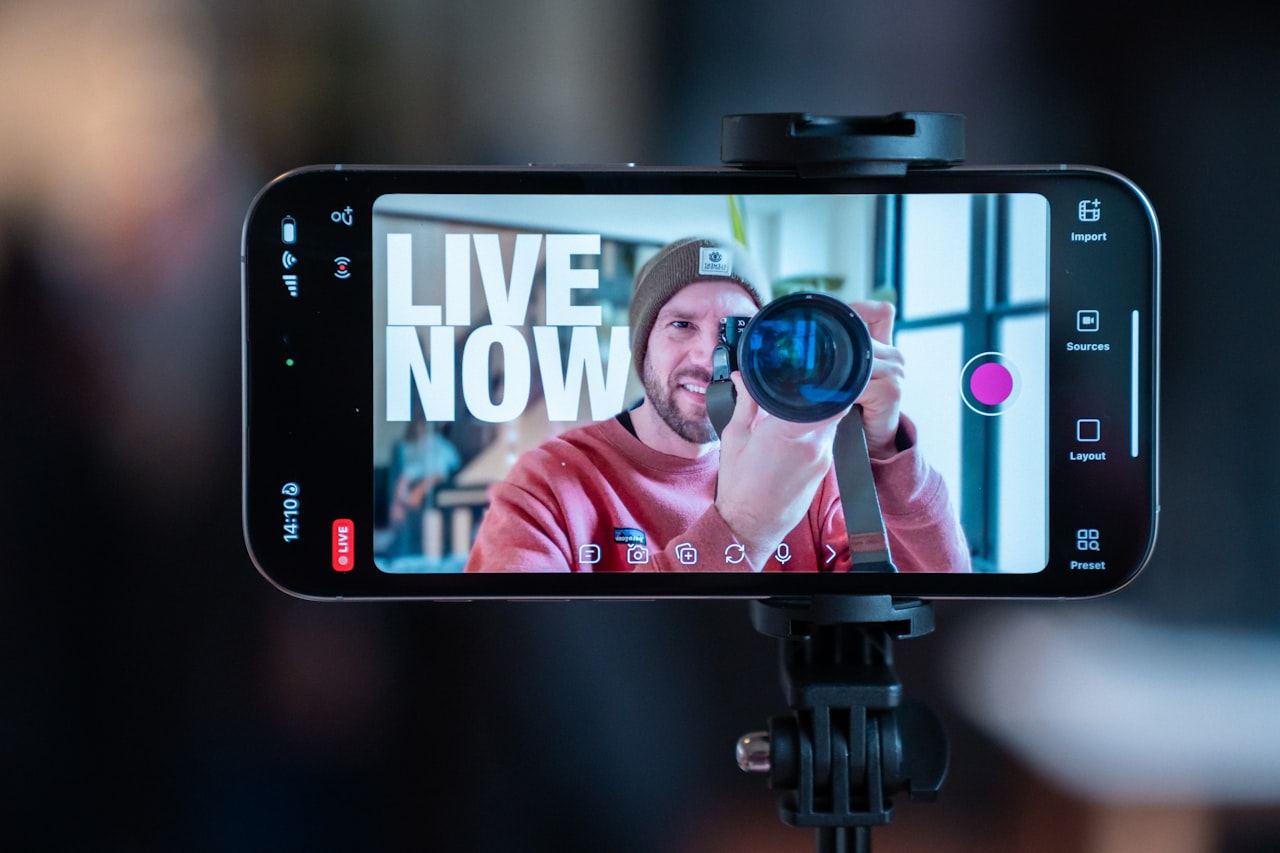
Professional livestream quality does not require a television studio budget, but it does require more than a smartphone propped against a stack of books. Here is the equipment hierarchy from minimum viable to professional grade.
Minimum viable setup ($200–$500)
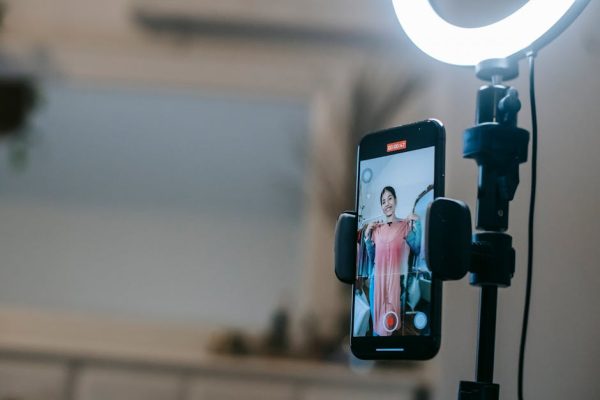
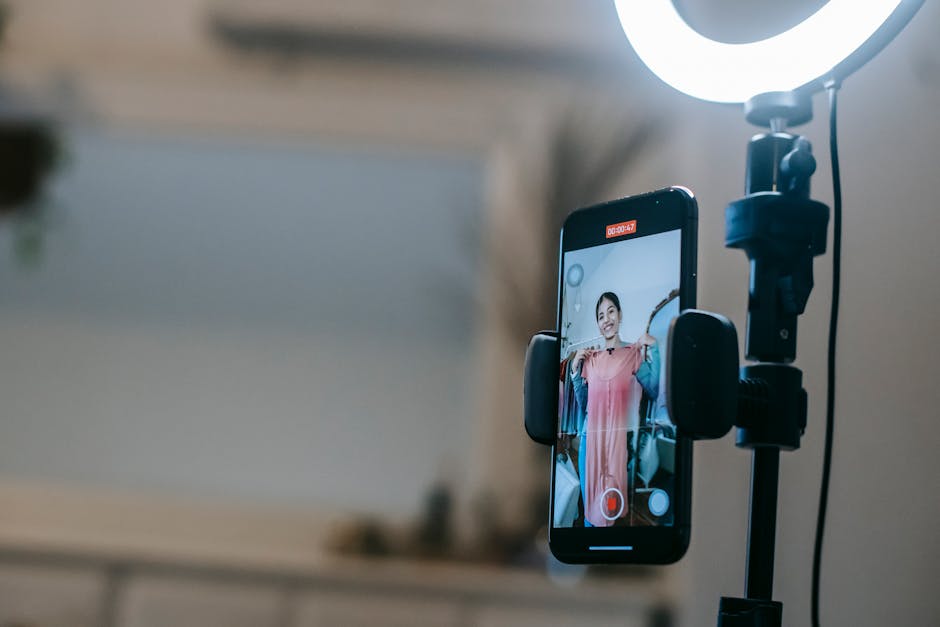
- Recent smartphone with a good front camera (iPhone 14 or newer, Samsung Galaxy S23 or newer)
- Ring light or LED panel ($50–$150)
- Phone tripod or desk mount ($20–$50)
- Clip-on lavalier microphone ($30–$80)
- Stable internet connection (minimum 10 Mbps upload speed)
This setup is sufficient for solo presenters doing product demonstrations, Q&A sessions, and casual brand content. It works well on TikTok and Instagram where audiences expect a more authentic, less polished aesthetic.
Intermediate setup ($1,000–$3,000)
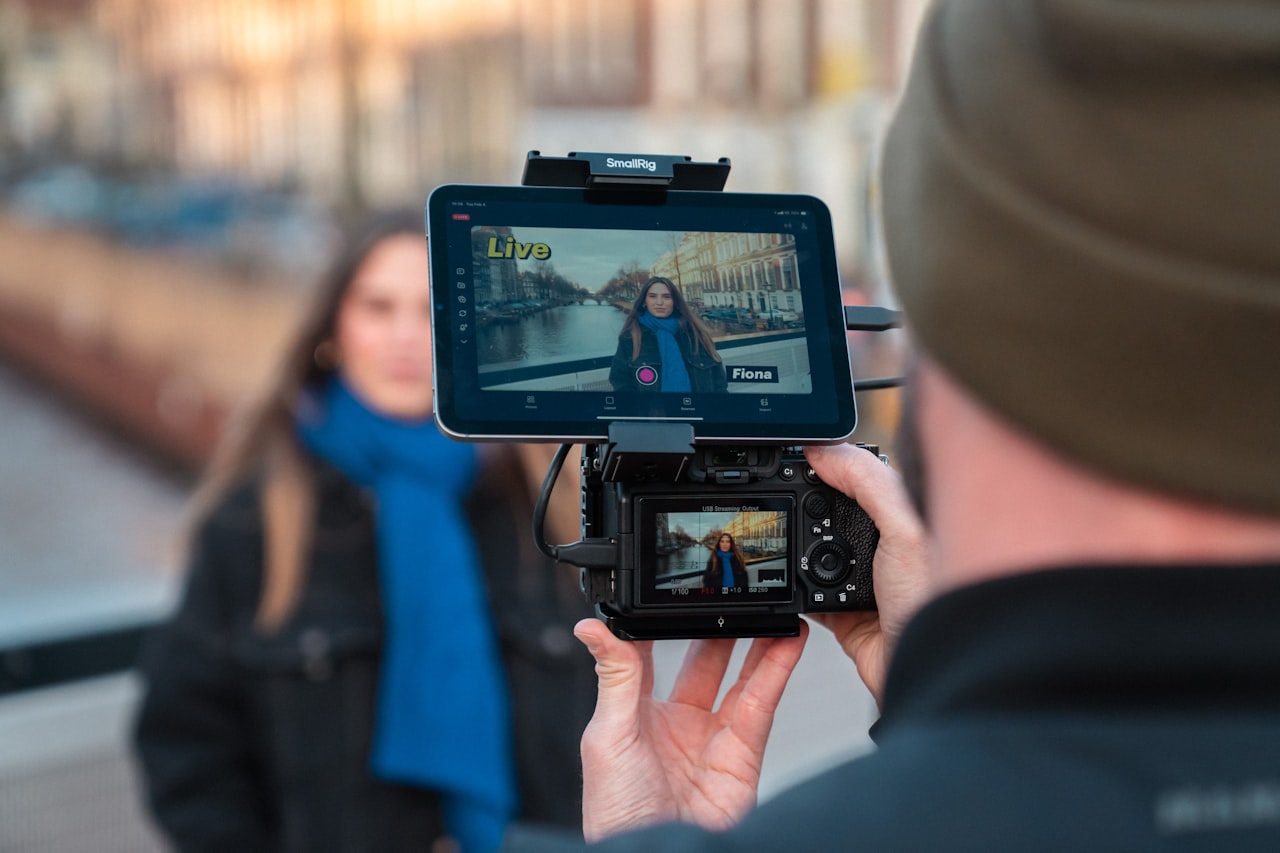
A mirrorless camera with capture card, two-point lighting, USB condenser or wireless lavalier microphone, streaming software (OBS Studio or StreamYard), and wired ethernet connection. This provides noticeably better quality for regular scheduled livestreams on YouTube and LinkedIn.
Professional setup ($5,000–$20,000)
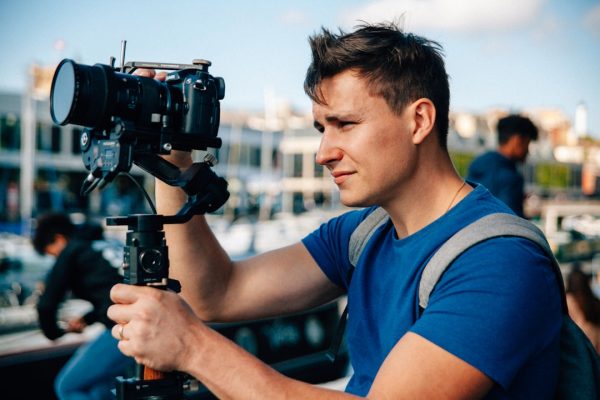
Multiple cameras with a video switcher, professional lighting and audio, custom set design, teleprompter, and a dedicated streaming computer. This level suits brands that livestream daily or generate significant live commerce revenue. Our livestream services include full production setup and talent coordination for professional-grade broadcasts.
Audio matters more than video
Viewers will tolerate slightly soft video quality. They will not tolerate poor audio. Echo, background noise, inconsistent volume, and muffled speech cause viewers to leave within seconds. Invest in audio first — a good microphone in a quiet, acoustically treated room improves perceived production quality more than any camera upgrade.
Livestream Content Strategy
Successful livestream marketing requires a content strategy, not just spontaneous broadcasting. Random, unplanned livestreams generate random, unreliable results.
Content formats that work
Product demonstrations: Showing products in use, answering questions in real time, and addressing objections live. This is the bread and butter of live commerce. Effective product demonstrations are conversational, not scripted — the presenter knows the products deeply and can improvise based on audience questions.
Behind-the-scenes: Factory tours, design processes, team introductions, and operational glimpses. This format builds trust and humanises your brand. It works particularly well for artisanal, handmade, and locally produced products where the production story is part of the value proposition.
Expert sessions and tutorials: Teaching your audience something valuable related to your product category. A skincare brand demonstrating routines. A cooking equipment brand hosting live cooking classes. A software company demonstrating workflow techniques. Educational content attracts viewers who may not be ready to buy but become customers over time.
Launch events: New product reveals, collection drops, and exclusive previews. Creating urgency and exclusivity around launches drives peak viewership and sales. Combine with limited-time offers to maximise conversion during the broadcast.
Guest collaborations: Hosting industry experts, influencers, or complementary brands. Choose guests whose audiences overlap with your target market but are not direct competitors.
Content calendar and promotion
Consistency matters more than frequency. A weekly stream at a predictable time builds loyalty more effectively than sporadic daily streams. Layer in monthly specials with bigger production and guest appearances, plus event-driven streams for launches and seasonal sales. Promote upcoming streams through email, social media, push notifications, and paid advertising for major broadcasts — a livestream without pre-promotion will have minimal viewership regardless of content quality.
Audience Engagement Tactics
The defining advantage of livestreaming over pre-recorded video is real-time interaction. Maximising engagement requires deliberate tactics, not just hoping viewers will participate.
Chat interaction
Acknowledge viewers by name when they comment. Answer questions promptly and substantively. React to comments visually and verbally — viewers who feel seen and heard stay longer and are more likely to purchase. If viewer volume is high, assign a team member to monitor chat and surface important questions to the presenter.
Polls and questions
Use platform polling features to involve viewers in decisions — “Which colour should we demo next?” or “What topic should we cover in next week’s stream?” Polls create participatory engagement and provide valuable audience insight.
Giveaways, urgency, and milestones
Periodic giveaways reward viewers for staying and encourage sharing. Flash deals with countdown timers create purchasing urgency — though overuse diminishes effectiveness. Celebrating viewer count milestones (“We just hit 500 viewers, so we are unlocking an extra discount”) gamifies the experience and encourages viewers to invite others.
Managing difficult situations
Have a moderation plan for inappropriate comments, a strategy for handling product criticism gracefully, and a technical backup plan. Authenticity in handling difficulties often builds more trust than a flawless broadcast.
Live Commerce: Selling During Livestreams
Live commerce — the integration of direct purchasing within livestream broadcasts — is where livestream marketing generates the most measurable ROI. Understanding the mechanics and tactics drives conversion.
Product pinning and cards
Most live commerce platforms allow presenters to “pin” products during the stream, displaying a product card with image, price, and add-to-cart button. Time your product pins to coincide with demonstrations and peak interest moments. Remove products that are not currently being discussed to avoid cluttering the viewing experience.
Pricing strategy for live commerce
Livestream-exclusive pricing is expected by experienced live commerce audiences. This does not mean slashing margins — it means creating bundles, adding gifts, or offering vouchers that are only available during the broadcast. The discount does not need to be dramatic. A 10–15 per cent livestream-exclusive offer or an added bonus item is often sufficient to convert viewers who are already interested.
Bundles, flash sales, and limited quantities
Bundles perform well because presenters can demonstrate how products work together, increasing average order value. Time-limited offers with real-time stock quantities (“Only 23 left”) combine urgency with social proof — particularly effective for Singapore audiences accustomed to flash sale culture. For integration with e-commerce strategy, our e-commerce marketing services cover the full spectrum of online selling tactics.
Order management and post-stream conversion
Ensure your fulfilment team is prepared for order surges — confirm stock levels and shipping logistics before broadcast. Not every viewer converts live, so replay streams with shoppable links intact, send follow-up messages to engaged non-buyers, and extend exclusive offers for 24–48 hours after broadcast.
Measuring Livestream Performance
Effective measurement transforms livestreaming from a content experiment into a data-driven marketing channel.
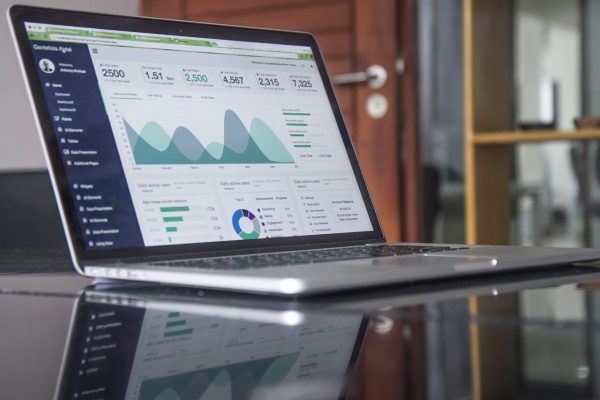
Key metrics to track
Viewership: Peak and average concurrent viewers, total unique viewers, average watch duration, and retention curves (when viewers join and leave).
Engagement: Comments per minute, unique commenter participation rate, shares, poll participation, and follower growth during the stream.
Commerce: Gross merchandise value (GMV), conversion rate, average order value, products sold per stream, and cost per acquisition if using paid promotion.
Benchmark against your own previous streams rather than industry averages — conversion rates vary enormously by product category and price point. Track trend lines and focus on improvement over time.
Scaling Your Livestream Operations
Once you have established a profitable livestream format, scaling requires operational investment in people, process, and technology.
Building a livestream team
Solo founder livestreams work at the start, but scaling requires specialised roles: host/presenter (on-camera talent), producer (technical management and product pinning), chat moderator, logistics coordinator (inventory and fulfilment), and content planner.
Presenter development and frequency
Invest in your host’s development — presentation skills, product knowledge, and audience management. Scale frequency gradually; moving from weekly to daily without proportional content investment leads to repetitive broadcasts. Add sessions only when your content pipeline and team capacity support it.
Cross-border expansion and integration
Singapore brands can use livestreaming to reach buyers across Southeast Asia. Cross-border live commerce requires language capability, market-specific product selection, and compliance with each market’s regulations. Integrate livestreaming with your broader marketing — repurpose content for social media, email, and website. For a holistic approach, our social media marketing services integrate livestream strategy with broader content programmes.
Frequently Asked Questions
How often should a business livestream for marketing purposes?
Start with once per week at a consistent day and time. This frequency is manageable for most teams and builds viewer habit formation. Increase to two to three times per week once you have a proven format, reliable content pipeline, and clear evidence that additional streams generate incremental revenue. Daily livestreaming is only sustainable for businesses with dedicated livestream teams and large product catalogues — primarily e-commerce brands with hundreds of SKUs.
Do I need a professional presenter or can I host livestreams myself?
Business owners and team members often make excellent livestream hosts because they have authentic product knowledge and passion. Professional presenters bring polish and audience management skills but may lack the genuine authority that comes from deep expertise. The best approach depends on your brand positioning — authentic and founder-led brands benefit from the owner hosting, while larger brands or those in competitive live commerce categories may benefit from trained presenters. Either way, basic presentation coaching improves performance significantly.
Which platform generates the most sales for live commerce in Singapore?
TikTok Shop Live and Shopee Live currently generate the highest live commerce volumes in Singapore. TikTok excels at reaching new audiences through algorithmic distribution. Shopee excels at converting existing marketplace shoppers. The best choice depends on your product category, target audience age, and whether you are focused on customer acquisition (TikTok) or conversion of existing interest (Shopee). Testing both platforms with identical offers reveals which performs better for your specific business.
What is the minimum budget to start livestream marketing?
You can start with under $500 — a smartphone, ring light, clip-on microphone, and free streaming software. The real investment is time, not equipment. Budget five to eight hours per week for a single weekly livestream (including preparation, broadcasting, and post-stream follow-up). As revenue from livestreaming grows, reinvest in better equipment, paid promotion to grow viewership, and eventually dedicated team members.
How do I handle negative comments or trolls during a livestream?
Assign a moderator to monitor chat — never rely on the presenter to manage moderation while hosting. Most platforms offer keyword blocking, user muting, and comment filtering tools. For genuine product criticism (as opposed to trolling), address it openly and honestly — transparent handling of criticism builds more trust than deleting comments. Have a documented moderation policy that distinguishes between constructive criticism (acknowledge and address), off-topic disruption (ignore or gently redirect), and abusive behaviour (mute or block immediately).