Live Streaming for Marketing: Engage Audiences in Real Time
Table of Contents
What Is Live Streaming Marketing
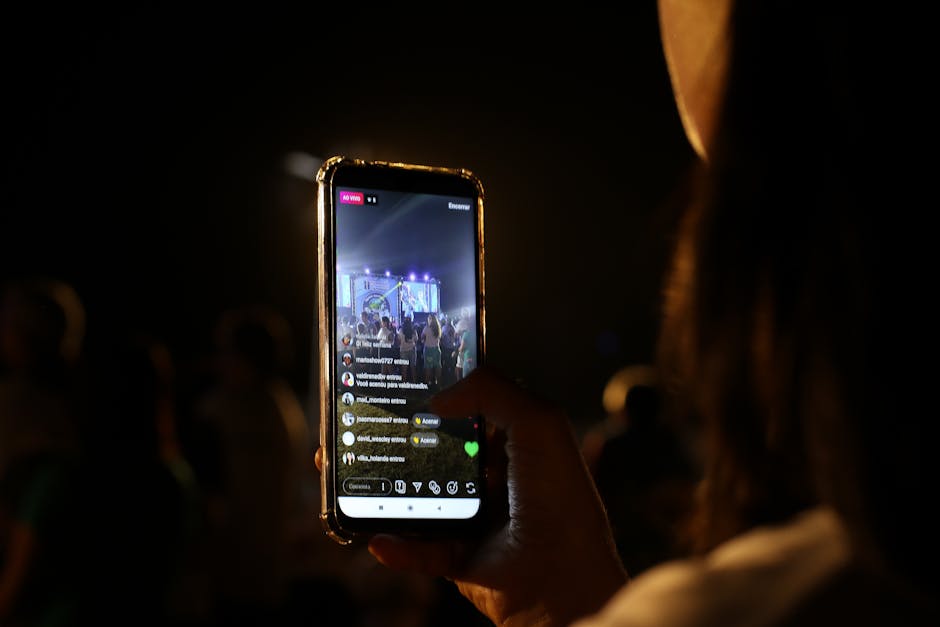
Live streaming marketing is the practice of broadcasting real-time video content to an online audience with the specific goal of promoting a brand, product or service. Unlike pre-recorded video, live streams create a two-way conversation between the brand and its viewers, making them one of the most interactive formats available to marketers today.
The format has matured well beyond casual behind-the-scenes clips. Brands now use live streams for product launches, Q&A sessions, virtual events, live commerce, tutorials and expert panels. In Southeast Asia, live commerce alone generated over USD 20 billion in gross merchandise value in 2025, with Singapore acting as a key hub for cross-border live selling.
What makes live streaming distinct from other video tactics covered in a broader digital marketing services strategy is immediacy. Viewers tune in because the content is happening now, and that urgency drives higher engagement rates than almost any other content format.
Why Live Streaming Works for Singapore Brands
Singapore has one of the highest smartphone penetration rates in the world, with over 97 percent of the population owning a smartphone. Mobile-first consumption habits mean that Singaporeans are already comfortable watching video on the go, and live streaming fits naturally into that behaviour.
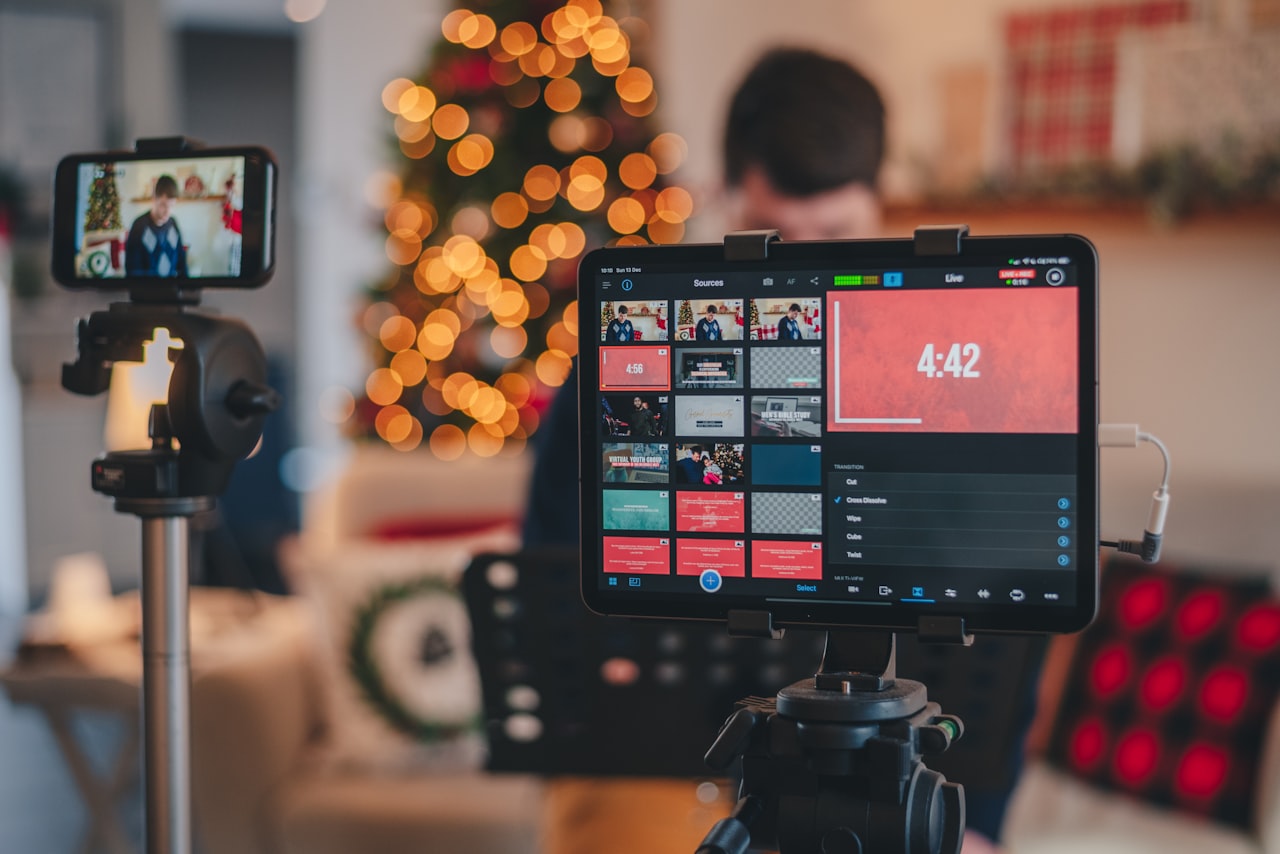
Several factors make the local market particularly well-suited for live streaming:
- Fast and reliable mobile data infrastructure across the island
- A multilingual population that responds well to personality-driven content in English, Mandarin and Malay
- Strong adoption of platforms like TikTok, Instagram, Facebook and Shopee Live
- A culture of deal-hunting that aligns perfectly with live commerce flash sales
- Proximity to regional markets in Malaysia, Indonesia and the Philippines for cross-border reach
For small and medium businesses, live streaming also levels the playing field. You do not need a massive production budget to go live. A smartphone, decent lighting and a compelling host can outperform a polished but impersonal brand video. This makes it an accessible addition to your social media marketing toolkit.
Choosing the Right Platform
Platform selection depends on your audience, your product and your goals. Here is how the major platforms compare for Singapore marketers:
TikTok Live: Best for reaching audiences under 35. TikTok’s algorithm can push your live stream to users who have never followed you, giving you organic discovery that other platforms struggle to match. TikTok Shop integration makes live commerce seamless.
Instagram Live: Ideal for lifestyle, fashion, beauty and food brands. The collaborative live feature lets you bring guests on screen, which is useful for influencer partnerships. Reach is largely limited to your existing followers and their networks.
Facebook Live: Still relevant for reaching older demographics in Singapore, particularly the 35-to-55 age group. Facebook Groups and Pages give you built-in communities to broadcast to, and the replay functionality keeps content discoverable.
Shopee Live and Lazada Live: Purpose-built for e-commerce. If you sell products on these marketplaces, their native live features let viewers add items to cart without leaving the stream. Conversion rates are significantly higher than social-first platforms.
YouTube Live: Best for longer-format streams like webinars, conferences and educational content. YouTube streams are indexed by Google, which means they can drive search traffic long after the broadcast ends. This ties directly into your video SEO strategy.
LinkedIn Live: Suited for B2B brands, professional services and thought leadership. Access is more restricted, but the audience quality for business topics is unmatched.
You do not need to be on every platform. Start with the one where your target audience already spends time, build a rhythm, and expand once you have a repeatable process.
Planning Your Live Stream Content
The biggest mistake brands make is going live without a plan. While spontaneity is part of the appeal, successful live streams follow a clear structure.
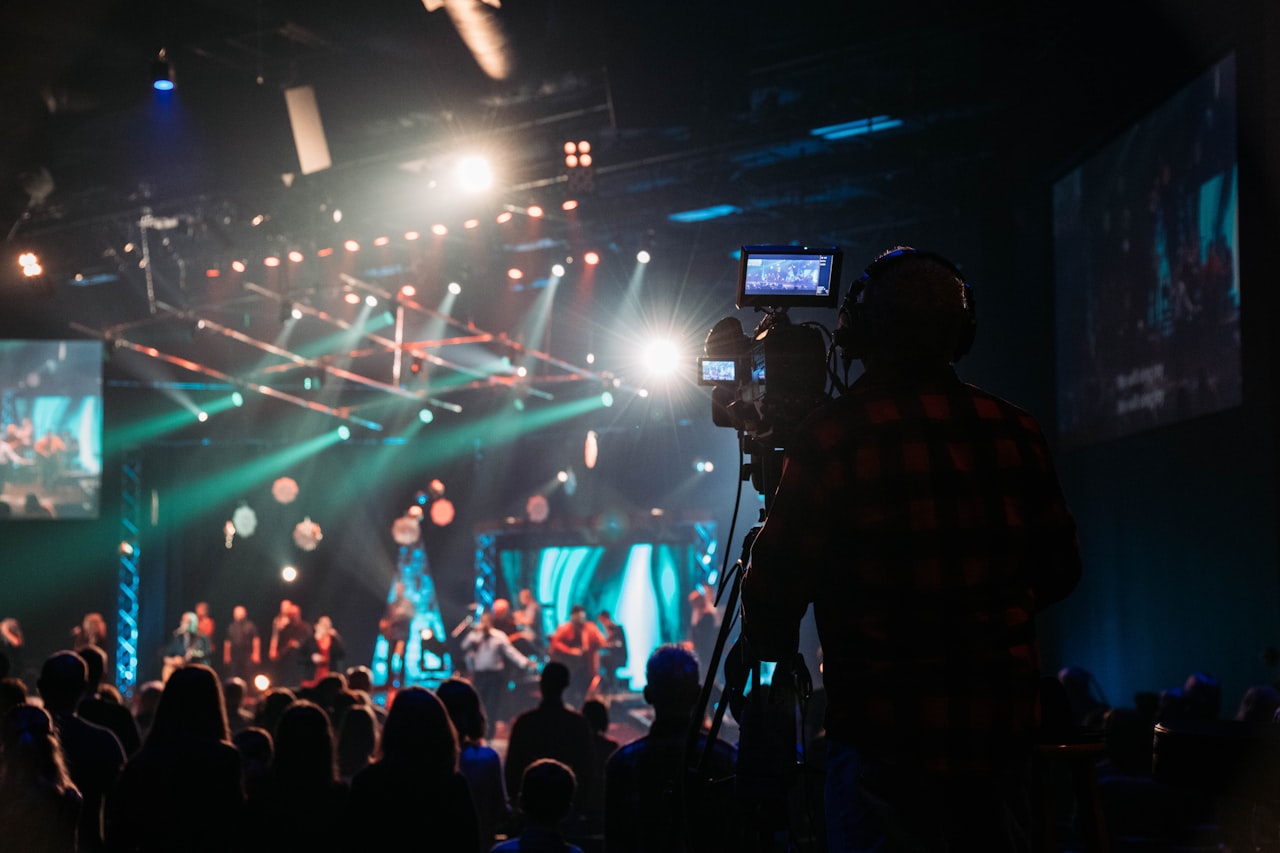
Start by defining the format. Common formats that perform well include:
- Product demonstrations: Show the product in action, answer viewer questions and offer a limited-time discount code
- Ask-me-anything sessions: Position a founder or expert to answer audience questions on a specific topic
- Behind-the-scenes tours: Walk viewers through your office, factory, kitchen or creative process
- Live tutorials: Teach viewers how to use your product or solve a problem related to your industry
- Guest interviews: Bring on an industry expert, partner brand or satisfied customer
- Flash sales and live commerce: Present products one by one with exclusive pricing for live viewers
For each stream, prepare an outline with three to five key talking points, a clear opening hook to retain viewers in the first 30 seconds, and a call to action you will repeat throughout the broadcast. Have a moderator managing the chat so the host can focus on delivering content.
Consistency matters more than frequency. A weekly 30-minute stream at a fixed time trains your audience to show up. This is the same principle that drives successful content marketing: reliability builds trust.
Technical Setup and Equipment
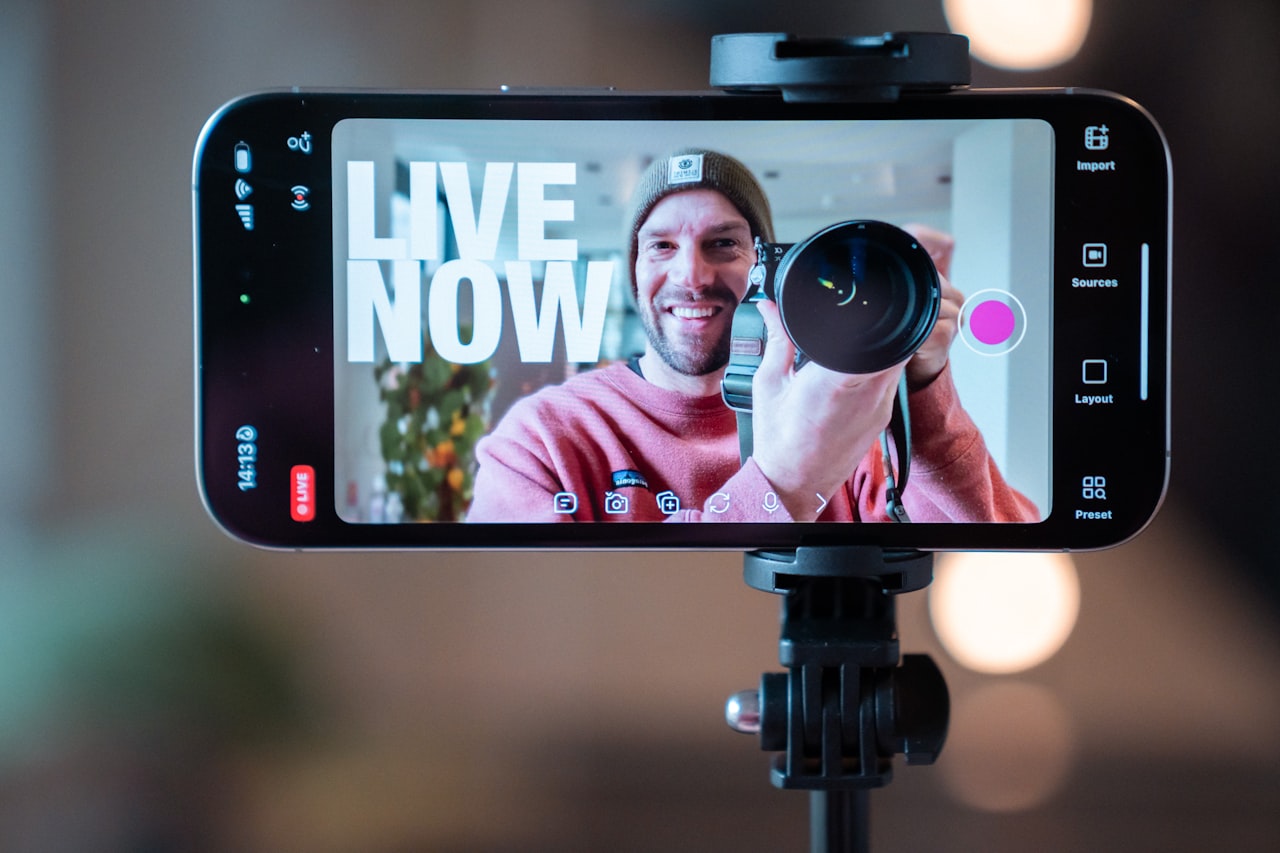
You can start with minimal gear, but the right setup improves production quality and viewer retention significantly.
Basic setup (under SGD 200):
- Smartphone with a front-facing camera capable of 1080p
- Ring light or two-point LED panel lighting
- Lavalier microphone or wired earbuds with a built-in mic
- Smartphone tripod or mount
Intermediate setup (SGD 500 to 1,500):
- Mirrorless camera or high-quality webcam
- USB condenser microphone
- Key light and fill light with diffusion
- Streaming software such as OBS Studio or Streamlabs
- Capture card if using a camera
Professional setup (SGD 2,000 and above):
- Multiple camera angles with a video switcher
- Professional audio mixer
- Branded overlays, lower thirds and transition graphics
- Dedicated streaming PC or hardware encoder
- Teleprompter for scripted segments
Audio quality matters more than video quality. Viewers will tolerate average visuals, but poor audio causes them to leave within seconds. Invest in a good microphone before upgrading your camera. Consider adding motion graphics to your overlays and transitions for a polished branded look.
Test your setup before every stream. Run a private test broadcast to check audio levels, lighting, framing and internet stability. Singapore’s fibre broadband is generally reliable, but always have a mobile data backup if you are streaming from a venue.
Promoting Your Stream Before, During and After
A live stream with no viewers delivers zero marketing value. Promotion is not optional.
Before the stream:
- Announce the stream at least three to five days in advance across all your channels
- Create a countdown post or story with the date, time and topic
- Send an email to your subscriber list with a calendar reminder link
- Post teaser content that hints at what viewers will learn or gain
- Collaborate with guests or partners to cross-promote to their audiences
During the stream:
- Open with energy and a hook that tells new viewers what they will get by staying
- Acknowledge viewers by name when they comment
- Ask questions to prompt chat activity, which boosts algorithmic visibility
- Drop your call to action every 10 to 15 minutes for viewers who join late
- Pin important comments or links
After the stream:
- Save the replay and share it as a regular post
- Clip the best 60-second moments as short-form videos for Reels, TikTok and Shorts
- Write a summary blog post with key takeaways
- Repurpose quotes and insights as social media graphics
- Email a recap to subscribers who missed the live broadcast
Repurposing is where the real value multiplies. A single one-hour live stream can generate a week’s worth of content across multiple platforms.
Measuring Live Stream ROI
Track these metrics to evaluate whether your live streams are delivering results:
Engagement metrics:
- Peak concurrent viewers
- Average watch time
- Comments, reactions and shares during the broadcast
- Chat participation rate (comments divided by viewers)
Growth metrics:
- New followers gained during and after the stream
- Email subscribers captured through stream-exclusive offers
- Replay views over the following seven days
Revenue metrics:
- Direct sales attributed to the stream (discount codes, affiliate links)
- Leads generated through call-to-action clicks
- Cost per acquisition compared to other channels
Most platforms provide native analytics for live broadcasts. Supplement these with UTM parameters on any links shared during the stream so you can track downstream behaviour in Google Analytics. If live streaming becomes a core part of your marketing mix, integrate it into your broader digital marketing strategy reporting dashboard.
Set benchmarks based on your first three to five streams, then aim for incremental improvement. Engagement rates of five to ten percent are considered strong for most industries. For live commerce, track your conversion rate from viewer to buyer, which typically ranges from one to five percent in Southeast Asia.
Frequently Asked Questions
How long should a marketing live stream be?
Aim for 30 to 60 minutes for most formats. Shorter streams do not give the algorithm enough time to push your content to new viewers, while streams over 90 minutes risk viewer fatigue. Live commerce sessions can run longer if you have a large product catalogue to showcase.
Do I need a professional host for live streams?
Not necessarily. Authenticity often outperforms polish. A founder, product expert or enthusiastic team member who knows the subject matter can be more engaging than a hired presenter. The key is confidence, energy and the ability to interact with the chat naturally.
What is the best time to go live in Singapore?
For consumer audiences, weekday evenings between 8pm and 10pm perform well. Lunchtime slots from 12pm to 1pm work for shorter streams. Weekend mornings suit lifestyle and family-oriented content. For B2B audiences, Tuesday to Thursday between 10am and 12pm tends to drive the highest attendance.
How do I handle negative comments during a live stream?
Assign a moderator to manage the chat. Genuine complaints should be acknowledged calmly and redirected to a private channel. Trolling can be ignored or the user can be muted. Never argue with a viewer on camera. Having a moderation plan in place before you go live prevents on-air panic.
Can I simulcast to multiple platforms at once?
Yes. Tools like Restream and StreamYard allow you to broadcast to multiple platforms simultaneously. This maximises reach, but you lose the ability to respond to platform-specific chat unless you have moderators assigned to each channel. Some platforms also penalise simulcast content in their algorithms.
What equipment do I need to start live streaming on a budget?
A smartphone, a ring light and a lavalier microphone are enough to start. Total cost is under SGD 200. Focus on good audio, stable internet and consistent lighting. Upgrade your setup as you see results and commit to a regular streaming schedule.
How do I increase viewership for my live streams?
Promote every stream at least three days in advance, go live at consistent times so your audience builds a habit, collaborate with guests who bring their own audience, and engage actively in chat to boost algorithmic distribution. Repurpose clips from previous streams as teasers for upcoming ones.
Is live streaming effective for B2B marketing in Singapore?
Yes, particularly for webinars, product demonstrations and expert panels. LinkedIn Live and YouTube Live are the strongest platforms for B2B. The key is delivering genuine expertise rather than a sales pitch. B2B live streams often generate high-quality leads because attendees self-select based on topic relevance.