LGBTQ+ Marketing in Singapore: Inclusive Campaigns in a Changing Landscape
Singapore’s social landscape is evolving. The repeal of Section 377A in 2022 marked a historic shift, and brands operating in the city-state are increasingly recognising the importance of inclusive marketing that speaks authentically to LGBTQ+ consumers. Yet navigating LGBTQ+ marketing in Singapore requires nuance — balancing brand values, cultural sensitivity and commercial strategy in a market where attitudes continue to develop.
This guide explores how businesses can approach LGBTQ+ marketing in Singapore thoughtfully and effectively, from understanding the local context to building campaigns that resonate with diverse audiences without alienating others.
Table of Contents
- Understanding the LGBTQ+ Landscape in Singapore
- The Business Case for Inclusive Marketing
- Navigating Cultural Context and Sensitivity
- Authentic Representation in Campaigns
- Digital Channels and Community Engagement
- Brand Positioning and Values Alignment
- Measuring the Impact of Inclusive Campaigns
- Frequently Asked Questions
Understanding the LGBTQ+ Landscape in Singapore
Singapore occupies a unique position in Southeast Asia when it comes to LGBTQ+ acceptance. The repeal of Section 377A decriminalised same-sex relations between men, signalling a meaningful legal and social milestone. However, the simultaneous constitutional amendment defining marriage as between a man and a woman reflects the government’s approach of balancing progressive and conservative values.
Shifting Public Attitudes
Surveys consistently show that younger Singaporeans hold more accepting views towards LGBTQ+ individuals. The Institute of Policy Studies found that acceptance has increased steadily over the past decade, particularly among those aged 18 to 35. This generational shift has direct implications for brands targeting younger demographics — inclusive messaging is not merely tolerated but often expected.
The Pink Dollar Economy
LGBTQ+ consumers in Singapore represent significant purchasing power. Many are dual-income households without children, with higher-than-average discretionary spending on dining, travel, fashion and lifestyle products. The annual Pink Dot event draws tens of thousands of attendees and corporate sponsors, demonstrating both community strength and commercial opportunity.
Regulatory Considerations
While homosexuality has been decriminalised, certain regulations remain relevant. The Infocomm Media Development Authority (IMDA) maintains content guidelines, and the Advertising Standards Authority of Singapore (ASAS) oversees advertising standards. Brands must ensure their campaigns comply with these frameworks while still communicating inclusively. Understanding where the regulatory boundaries lie is essential for any LGBTQ+ marketing in Singapore strategy.
The Business Case for Inclusive Marketing
Inclusive marketing is not simply a moral stance — it is a sound business strategy. Research from multiple markets consistently demonstrates that brands perceived as inclusive outperform those that are not, particularly among younger consumers.
Consumer Loyalty and Brand Affinity
LGBTQ+ consumers and their allies demonstrate strong brand loyalty towards companies that support inclusion. A study by Google found that 64 per cent of consumers took action after seeing an advertisement they considered diverse or inclusive. In Singapore’s competitive market, this loyalty translates directly into customer retention and lifetime value.
Talent Attraction and Employer Branding
Inclusive marketing extends beyond consumer-facing campaigns. Companies that demonstrate LGBTQ+ allyship attract a broader talent pool. In Singapore’s tight labour market, this advantage is significant. Many multinational corporations operating here — from banking to technology — actively promote inclusive workplace policies, and their external marketing reflects these values.
Market Differentiation
In a market where many brands still hesitate to address LGBTQ+ consumers directly, those that do can carve out a distinctive position. This is particularly relevant in sectors such as hospitality, beauty, fashion and lifestyle, where LGBTQ+ consumers are highly engaged. A well-executed digital marketing strategy that incorporates inclusive messaging can set a brand apart from competitors.
Navigating Cultural Context and Sensitivity
Singapore’s multicultural society — comprising Chinese, Malay, Indian and Eurasian communities alongside diverse religious traditions — means that LGBTQ+ marketing must be approached with considerable cultural awareness.
Balancing Inclusivity with Respect
Effective LGBTQ+ marketing in Singapore does not require brands to choose between inclusivity and cultural sensitivity. The most successful campaigns find ways to celebrate diversity without being confrontational. Subtle representation, normalised depictions and values-driven messaging often resonate more effectively than overt activism in the Singapore context.
Understanding Different Community Perspectives
Different segments of Singapore’s population hold varying views on LGBTQ+ issues. Brands must consider their target audience and the potential response across different communities. This does not mean avoiding LGBTQ+ marketing altogether — rather, it means being thoughtful about tone, placement and messaging.
Learning from Local Brands
Several Singapore-based brands have successfully navigated this terrain. Companies like Love, Bonito and local F&B establishments have incorporated inclusive messaging that feels natural rather than performative. International brands such as IKEA Singapore and Nike have also adapted their global inclusion campaigns for the local market. These examples offer valuable templates for others looking to enter this space.
Authentic Representation in Campaigns
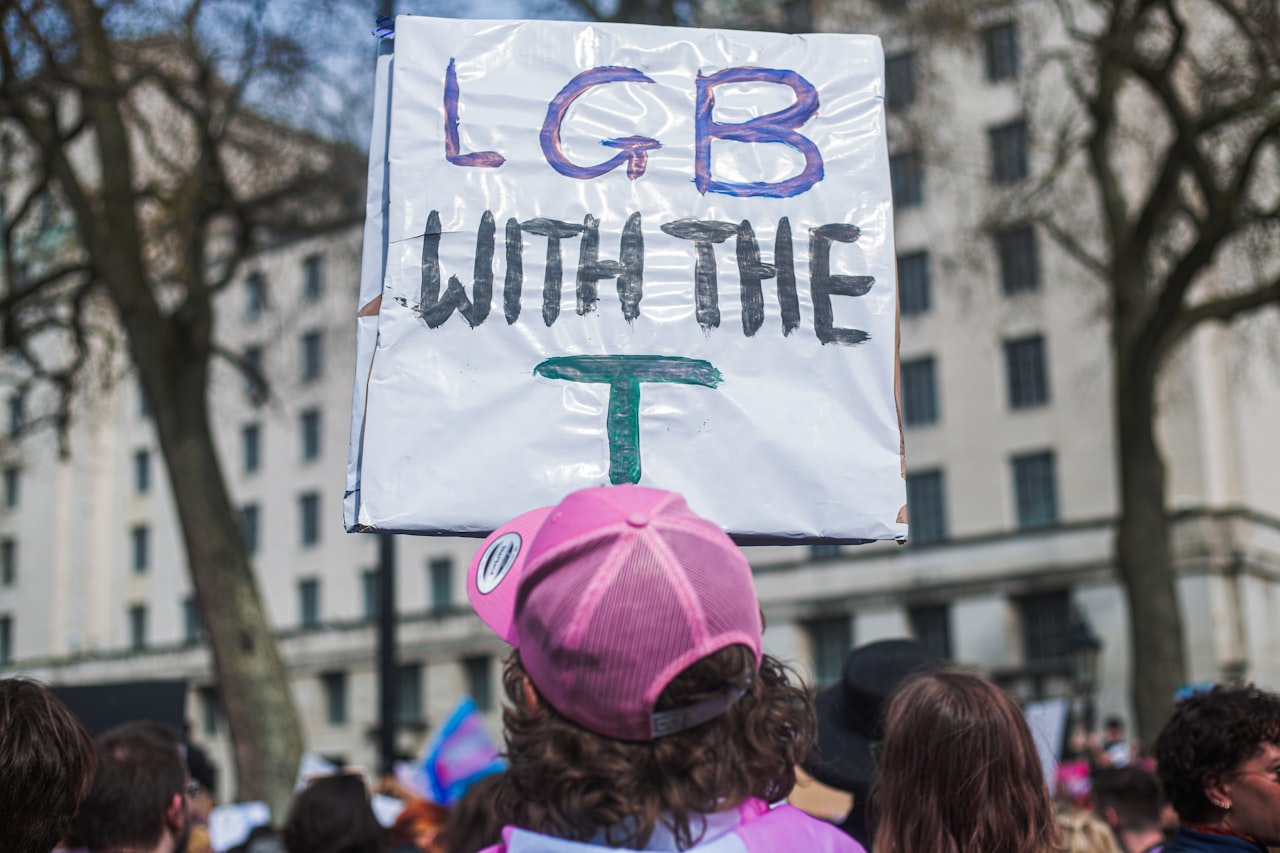
Authenticity is the single most critical factor in LGBTQ+ marketing. Consumers — both within and outside the community — can quickly identify performative allyship, and the backlash can be severe.
Moving Beyond Rainbow-Washing
Rainbow-washing — the practice of superficially adopting LGBTQ+ symbolism without genuine commitment — is increasingly scrutinised. Simply adding rainbow colours to a logo during Pride month while doing nothing else is no longer sufficient. Brands must demonstrate year-round commitment through policies, partnerships and consistent messaging.
Diverse Storytelling
The LGBTQ+ community is not monolithic. Effective campaigns recognise the diversity within the community — different genders, sexual orientations, ethnicities, ages and experiences. In Singapore, this means representing LGBTQ+ individuals across the city’s various cultural backgrounds. A content marketing approach that tells real stories from real people creates far deeper connections than generic inclusive imagery.
Collaborating with LGBTQ+ Creatives
Involving LGBTQ+ individuals in the creative process — as writers, designers, strategists and consultants — ensures that campaigns are authentic and avoid stereotypes. Singapore has a vibrant LGBTQ+ creative community, and brands can tap into this talent for more genuine representation.
Language and Terminology
Using appropriate, respectful language is fundamental. This includes using correct pronouns, avoiding outdated terminology and staying current with evolving language preferences. Brands should invest in education and sensitivity training for their marketing teams to ensure consistency across all communications.
Digital Channels and Community Engagement
Digital platforms are particularly effective for LGBTQ+ marketing in Singapore, offering both reach and the ability to target specific audiences with relevant messaging.
Social Media Strategy
Platforms like Instagram, TikTok and Twitter (X) are where LGBTQ+ communities in Singapore are most active. A thoughtful social media marketing strategy can build genuine connections through content that celebrates diversity, shares community stories and engages in meaningful conversations. User-generated content campaigns that invite LGBTQ+ individuals to share their experiences can be particularly powerful.
Influencer Partnerships
Singapore has a growing number of openly LGBTQ+ influencers and content creators across various niches — from fashion and beauty to food and travel. Partnering with these creators brings authenticity and reach. However, brands must ensure these partnerships are meaningful and long-term rather than tokenistic one-off collaborations.
Search and Discovery
Many LGBTQ+ consumers actively search for inclusive brands. Optimising your search engine presence with inclusive language and content ensures that consumers looking for LGBTQ+-friendly businesses can find you. This includes creating content that addresses the specific needs and interests of LGBTQ+ consumers in Singapore.
Community Partnerships
Engaging with LGBTQ+ community organisations, events and initiatives in Singapore demonstrates genuine commitment. Sponsoring Pink Dot, supporting LGBTQ+ charities or partnering with community groups builds credibility that advertising alone cannot achieve. These partnerships also provide valuable insights into the community’s needs and preferences.
Brand Positioning and Values Alignment
Successful LGBTQ+ marketing is rooted in genuine brand values rather than opportunistic campaigns. Brands must consider how inclusive marketing fits within their broader positioning and identity.
Developing an Inclusive Brand Identity
An inclusive brand identity goes beyond marketing campaigns. It encompasses everything from internal policies and hiring practices to customer service and product development. When a brand’s actions align with its messaging, the marketing becomes far more credible and effective.
Consistency Across Markets
For multinational brands operating in Singapore, consistency is key. Consumers notice when a brand champions LGBTQ+ rights in Western markets but goes silent in Asia. While messaging may need to be adapted for local cultural contexts, the underlying commitment to inclusion should remain consistent.
Handling Potential Backlash
Brands engaging in LGBTQ+ marketing should prepare for potential negative responses. Having a clear communications strategy, supportive leadership and a well-briefed social media team is essential. Importantly, brands should also prepare for the positive response — community members who feel seen and valued will become powerful advocates.
Long-Term Commitment Over Short-Term Campaigns
The most effective approach to LGBTQ+ marketing in Singapore is a sustained, year-round commitment rather than seasonal campaigns. Brands that support the community consistently — through employment policies, charitable giving, product inclusivity and ongoing communication — build far stronger relationships than those that appear only during Pride season.
Measuring the Impact of Inclusive Campaigns
Like any marketing initiative, LGBTQ+ inclusive campaigns should be measured against clear objectives to understand their effectiveness and inform future strategies.

Key Performance Indicators
Relevant metrics include brand sentiment analysis, engagement rates on inclusive content, website traffic from LGBTQ+-relevant keywords, customer acquisition from LGBTQ+ channels and overall brand perception scores. Using paid advertising platforms with appropriate targeting can also provide measurable data on campaign performance among specific demographics.
Social Listening and Sentiment Analysis
Monitoring social media conversations and online discussions provides real-time insight into how inclusive campaigns are being received. Tools that track mentions, sentiment and share of voice can help brands understand the impact of their messaging and adjust accordingly.
Community Feedback
Direct engagement with LGBTQ+ community members — through surveys, focus groups or advisory panels — provides qualitative insights that quantitative metrics cannot capture. This feedback is invaluable for refining campaigns and ensuring they remain authentic and relevant.
Benchmarking Against Industry Standards
Several frameworks exist for measuring corporate LGBTQ+ inclusion, including the Human Rights Campaign’s Corporate Equality Index and local equivalents. While these are primarily workplace-focused, they provide useful benchmarks for overall brand inclusivity that can inform marketing strategies.
Frequently Asked Questions
Is LGBTQ+ marketing legal in Singapore?
Yes, there are no laws prohibiting LGBTQ+ inclusive marketing in Singapore. However, brands should be mindful of IMDA content guidelines and ASAS advertising standards. The repeal of Section 377A in 2022 further affirmed that LGBTQ+ content is not inherently illegal, though certain content restrictions around broadcast media and public display remain.
Will LGBTQ+ marketing alienate conservative consumers?
Research suggests that well-executed inclusive marketing generally does not cause significant negative commercial impact. Most consumers who do not identify with the messaging simply overlook it, while those who feel represented become highly loyal. The key is to be authentic and respectful rather than provocative or divisive.
How do I start incorporating LGBTQ+ marketing without it feeling forced?
Begin by ensuring your internal policies and culture are genuinely inclusive. Then, incorporate diverse representation naturally into your existing marketing — showing LGBTQ+ individuals in everyday contexts rather than creating separate “LGBTQ+ campaigns.” Consult with community members and consider partnering with LGBTQ+ creators for guidance.
Should my brand participate in Pink Dot Singapore?
Participating in Pink Dot can demonstrate genuine support for the LGBTQ+ community. However, participation should be part of a broader inclusive strategy rather than a standalone gesture. If your brand has no other visible commitment to LGBTQ+ inclusion, sponsoring Pink Dot alone may be perceived as rainbow-washing.
What sectors benefit most from LGBTQ+ inclusive marketing in Singapore?
Hospitality, travel, fashion, beauty, food and beverage, entertainment and financial services tend to see the strongest returns from inclusive marketing. However, any sector can benefit — the key is understanding whether your target audience values inclusivity and tailoring your approach accordingly.
How do I avoid stereotypes in LGBTQ+ marketing?
Involve LGBTQ+ individuals in the creative process, conduct research within the community, avoid relying on clichés or tropes and represent the full diversity of LGBTQ+ identities. Showing LGBTQ+ people in everyday situations — at work, with family, enjoying hobbies — rather than only in overtly queer contexts helps normalise representation.
What is rainbow-washing and how do I avoid it?
Rainbow-washing is the superficial adoption of LGBTQ+ symbolism — such as adding rainbow colours to branding — without genuine commitment to LGBTQ+ inclusion. Avoid it by ensuring your brand’s actions match its messaging: implement inclusive workplace policies, support LGBTQ+ causes year-round, involve community members in decision-making and maintain consistent inclusive communication beyond Pride month.
How do cultural and religious sensitivities affect LGBTQ+ marketing in Singapore?
Singapore’s multicultural society includes communities with varying views on LGBTQ+ issues. Brands should be respectful of these differences while maintaining their commitment to inclusion. This often means choosing messaging that celebrates diversity and love without directly challenging specific cultural or religious viewpoints. The goal is to be inclusive without being exclusionary.
Can small businesses in Singapore benefit from LGBTQ+ inclusive marketing?
Absolutely. Small businesses can often build stronger personal connections with LGBTQ+ consumers through authentic, community-driven approaches. Simple actions like displaying inclusive signage, training staff in inclusive customer service and engaging with local LGBTQ+ communities can build significant loyalty and word-of-mouth referrals.
How is the LGBTQ+ consumer market expected to evolve in Singapore?
As younger, more accepting generations become the dominant consumer demographic, the importance of LGBTQ+ inclusive marketing will only increase. Brands that establish authentic relationships with the LGBTQ+ community now will be well-positioned for the future, while those that delay may find it harder to build credibility later.