Landing Page Design: Anatomy of a High-Converting Landing Page
Table of Contents
- What Is Landing Page Design and Why It Matters
- The Anatomy of a High-Converting Landing Page
- Designing the Hero Section for Maximum Impact
- Trust Signals and Social Proof That Work in Singapore
- CTA Design Principles That Drive Clicks
- Mobile-First Landing Page Design
- Common Landing Page Design Mistakes to Avoid
- Frequently Asked Questions
What Is Landing Page Design and Why It Matters
A well-crafted landing page design can mean the difference between a campaign that prints money and one that burns through your budget. Unlike regular website pages that serve multiple purposes, a landing page has one job: convert visitors into leads, subscribers or customers. Every element on the page should serve that singular goal.
For Singapore businesses running paid campaigns across Google, Facebook and LinkedIn, sending traffic to a generic homepage is one of the most expensive mistakes you can make. Studies consistently show that dedicated landing pages convert three to five times better than homepages. When you are paying SGD 3 to SGD 15 per click in competitive Singapore verticals, that difference compounds fast.
Landing page design is not just about aesthetics. It encompasses layout hierarchy, persuasion architecture, user experience flow and technical performance. A beautiful page that loads in six seconds on a 4G connection in an MRT tunnel is a failed page. A fast, clear page with a compelling offer will outperform a design-award contender every time.
Whether you are building pages for Google Ads campaigns or organic search funnels, understanding the core principles of conversion-focused design is essential. The rest of this guide breaks down each component so you can build pages that actually perform.
The Anatomy of a High-Converting Landing Page
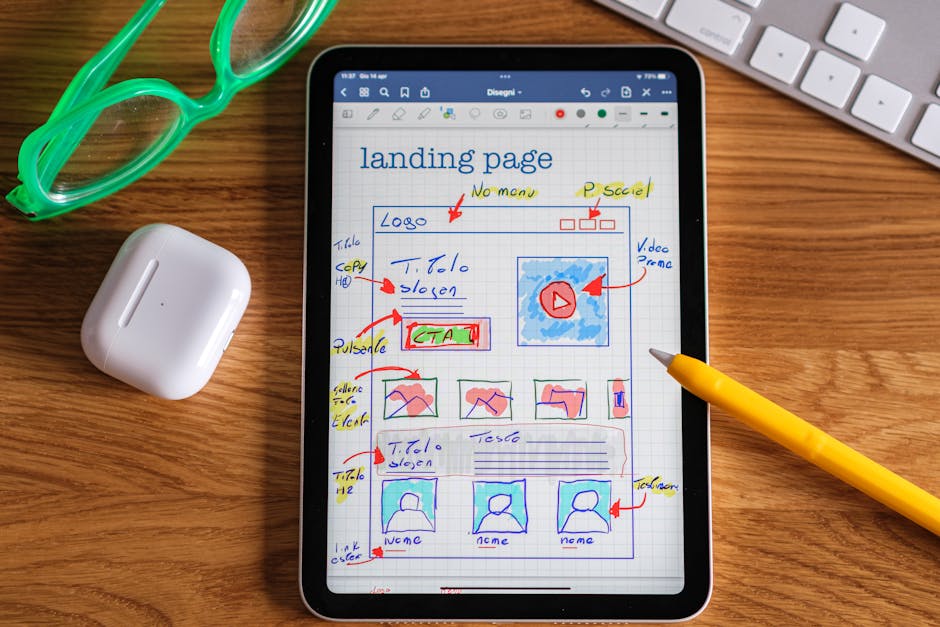
High-converting landing pages share a common structure regardless of industry. Think of it as a persuasion sequence that moves the visitor from attention to action. Here is the proven anatomy that consistently delivers results for Singapore businesses.
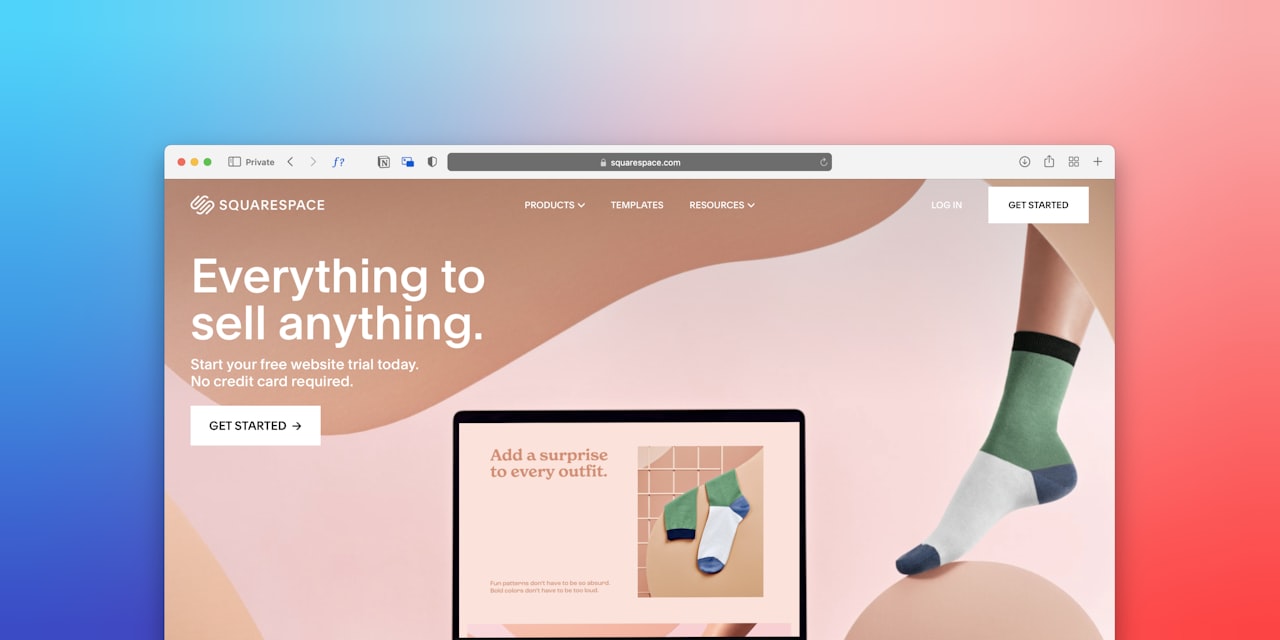
The first element is the hero section, which includes a headline, subheadline and primary call-to-action. This above-the-fold area must communicate your value proposition within three seconds. Visitors decide whether to stay or bounce based almost entirely on this section.
Below the hero sits the problem-agitation section. This is where you demonstrate that you understand the visitor’s pain point. For a Singapore audience, this means referencing local challenges: high rental costs eating into margins, competitive hiring landscapes, or the difficulty of standing out in a dense digital market.
Next comes the solution section where you present your offer as the answer. This is supported by a benefits-focused layout, typically using icons or short paragraphs that highlight three to five key advantages. Avoid feature dumps. Frame everything in terms of what the customer gains.
Social proof follows, including testimonials, client logos, case study snippets and trust badges. Then comes a detailed explanation or feature breakdown for visitors who need more information before converting. Finally, a strong closing CTA section with urgency or a risk-reversal element like a money-back guarantee.
This structure works for digital marketing campaigns across virtually every vertical. The specific content changes, but the architecture remains consistent because it mirrors how humans make decisions.
Designing the Hero Section for Maximum Impact
The hero section is your landing page’s first impression and often the only section many visitors will read carefully. Getting it right is non-negotiable. The hero must accomplish three things simultaneously: grab attention, communicate value and direct the eye toward your CTA.
Start with a headline that speaks directly to the visitor’s desired outcome. Generic headlines like “Welcome to Our Services” convert terribly. Specific headlines like “Cut Your Customer Acquisition Cost by 40% in 90 Days” give visitors a reason to keep reading. For Singapore markets, localising the headline with references to the local business environment increases relevance.
Your subheadline should expand on the headline with supporting detail. If the headline states the benefit, the subheadline explains how. Keep it to one or two sentences maximum. The combined headline and subheadline pair should form a complete value proposition that makes sense even without reading anything else on the page.
The primary CTA button should be visible without scrolling on both desktop and mobile. Use a contrasting colour that stands out from the page background. Button text should be action-oriented and specific. “Get My Free Audit” outperforms “Submit” every time. The CTA should also relate directly to the landing page copywriting throughout the rest of the page.
White space around the hero section is equally important. Cluttered hero sections overwhelm visitors and increase bounce rates. Give your headline room to breathe. Remove navigation menus, sidebars and any element that distracts from the primary conversion path.
Trust Signals and Social Proof That Work in Singapore
Singapore consumers are sophisticated and cautious. They research thoroughly before committing, especially for B2B purchases or high-value services. Your landing page must address this scepticism with carefully placed trust signals.
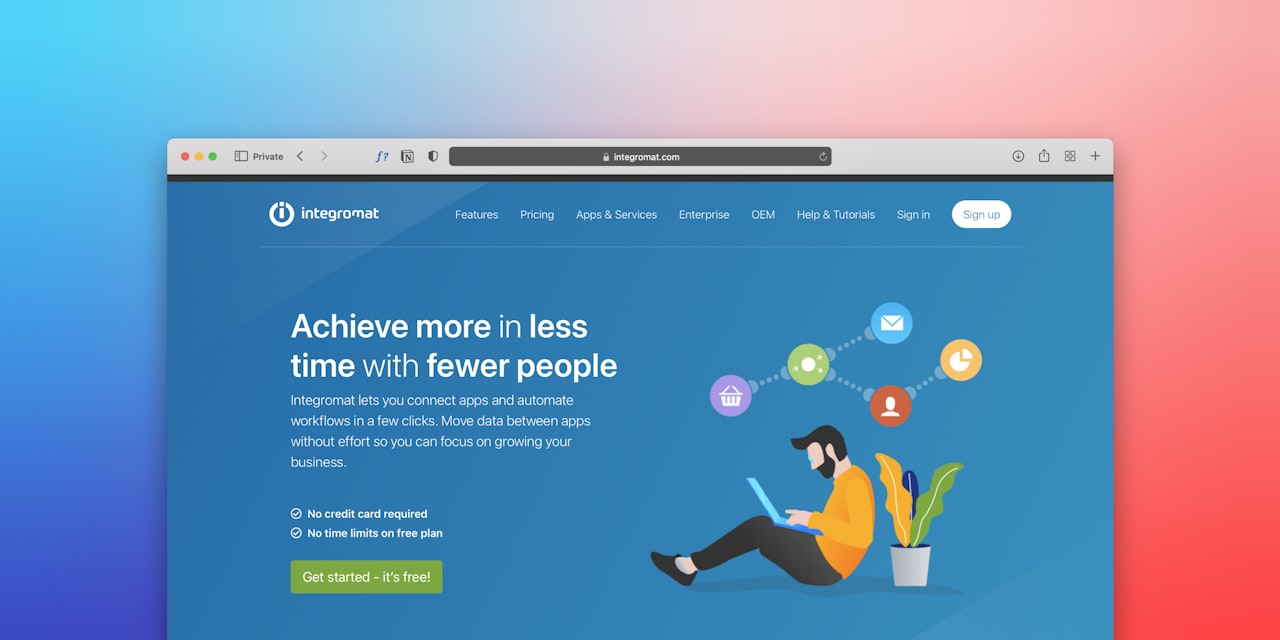
Client logos are the fastest form of social proof. If you have worked with recognisable Singapore brands, display their logos prominently. Even three to four logos can significantly boost credibility. Position them just below the hero section or near the CTA to reinforce trust at decision points.
Testimonials should be specific and results-oriented. “Great service” is meaningless. “They helped us increase our qualified leads by 200% in four months” is persuasive. Include the person’s full name, job title and company whenever possible. Singapore’s business community is tight-knit, and named testimonials carry more weight than anonymous ones.
Case study snippets work well for B2B landing pages. Include a brief before-and-after snapshot showing measurable results. Link to the full case study for visitors who want more detail, but keep the landing page snippet focused on the outcome.
Trust badges relevant to Singapore include government certifications, industry association memberships, Google Partner status and media mentions in local publications like The Straits Times, Business Times or Channel NewsAsia. Security badges from Norton, McAfee or SSL certificates are essential for pages that collect payment information.
Review scores from Google Business Profile, Clutch or other platforms add another layer of credibility. If you have strong ratings, display them. This is especially effective when paired with branding efforts that reinforce your market position.
CTA Design Principles That Drive Clicks
Your call-to-action is where design meets conversion. A poorly designed CTA can undermine even the most persuasive copy and the most beautiful page layout. CTA design involves colour, size, placement, text and surrounding context.
Colour contrast is the most critical visual factor. Your CTA button must stand out from everything else on the page. If your page uses blue tones, an orange or green button creates the necessary contrast. Avoid using the same colour as other elements on the page. The button should be the most visually prominent element in its section.
Size matters but bigger is not always better. The button should be large enough to tap easily on mobile, with a minimum touch target of 44 by 44 pixels. It should be proportional to the surrounding elements. An oversized button can feel aggressive, while a tiny button gets overlooked.
Placement follows reading patterns. For Western-style left-to-right layouts, CTAs positioned on the left or centre perform well above the fold. For longer pages, repeat your CTA after each major content section. Do not make visitors scroll back up to convert.
Directional cues guide the eye toward the CTA. These can be subtle, like a person in a photo looking toward the button, an arrow graphic, or simply the layout flow directing attention downward and rightward toward the action point.
Surrounding the CTA with micro-copy reduces friction. Phrases like “No credit card required,” “Free 30-day trial” or “Takes less than 2 minutes” address last-second objections. This technique is particularly effective for lead generation landing pages where form anxiety is a major barrier.
Mobile-First Landing Page Design
In Singapore, mobile traffic accounts for over 70% of web traffic. Designing your landing page for desktop first and then adapting for mobile is a recipe for poor performance. The mobile experience should be your primary design consideration.
Mobile-first design means single-column layouts, larger touch targets, shorter content blocks and streamlined forms. Every element must be thumb-friendly. Navigation should be minimal or removed entirely. The conversion path from headline to CTA should require as few scrolls as possible.
Page speed is even more critical on mobile. Aim for a Largest Contentful Paint under 2.5 seconds and a Time to Interactive under 3.5 seconds. Compress images, defer non-essential scripts and use modern formats like WebP. Test your page on actual mobile devices, not just browser simulators.
Forms on mobile should request minimal information. Every additional field reduces conversions by roughly 10%. For initial lead capture, name and email or phone number may be sufficient. You can qualify leads further in follow-up communications. Multi-step forms that break long forms into smaller chunks also perform better on mobile than single long forms.
Sticky CTAs that remain visible as visitors scroll can boost mobile conversions significantly. A fixed button at the bottom of the screen ensures the conversion opportunity is always one tap away. Test this against a standard layout to see which performs better for your specific audience.
For businesses investing in professional web design, ensuring that landing pages are built mobile-first from the ground up rather than retrofitted is essential for campaign success. Consider how your pages perform across various landing page builders on mobile devices.
Common Landing Page Design Mistakes to Avoid
Even experienced marketers make design mistakes that quietly kill conversions. Here are the most common pitfalls we see among Singapore businesses and how to fix them.
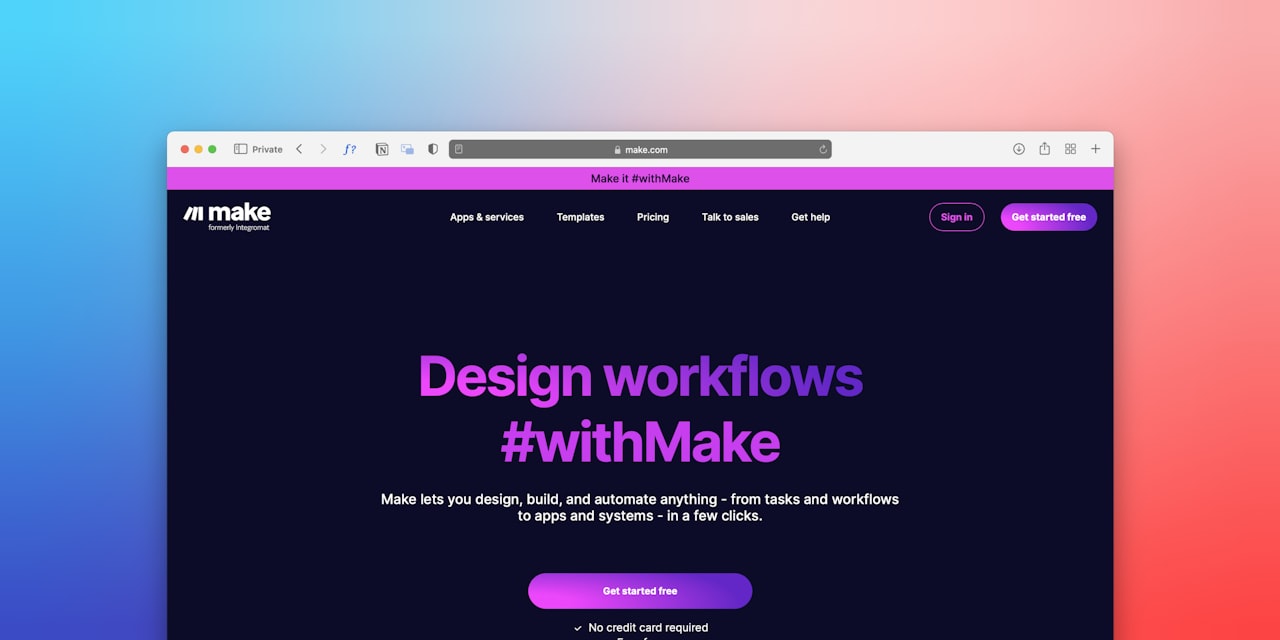
The first mistake is including too many CTAs or competing goals. A landing page should have one primary conversion action. If you are asking visitors to fill out a form, do not also ask them to follow you on social media, read your blog or explore other services. Multiple options create decision paralysis.
The second mistake is neglecting page load speed. Every additional second of load time reduces conversions by up to 20%. Large uncompressed images, excessive JavaScript and third-party scripts are common culprits. Audit your page speed regularly using Google PageSpeed Insights and address issues promptly.
The third mistake is using stock photography that feels generic. Singapore consumers can spot a stock photo instantly. If possible, use real photos of your team, office or actual results. Authentic visuals build trust faster than polished but impersonal stock images.
The fourth mistake is writing copy that focuses on features rather than benefits. Visitors do not care about your proprietary methodology or your 15 years of experience in isolation. They care about what those things mean for their results. Every feature should be translated into a customer benefit.
The fifth mistake is not testing. Too many businesses launch a landing page and never look at it again. Regular landing page testing is essential for continuous improvement. Even small changes to headlines, CTA colours or form fields can produce significant conversion lifts over time.
Finally, failing to match the landing page message to the ad that drives traffic is a major conversion killer. If your PPC landing page promises a free consultation but the page headline talks about pricing plans, visitors will bounce. Message match between ad and page is fundamental.
Frequently Asked Questions
What is the ideal length for a landing page?
There is no universal ideal length. Short pages work well for simple offers like ebook downloads or newsletter sign-ups. Longer pages perform better for high-value offers like enterprise software or professional services where visitors need more information before committing. Test different lengths to find what works for your specific offer and audience in Singapore.
How much does professional landing page design cost in Singapore?
Professional landing page design in Singapore typically ranges from SGD 1,500 to SGD 8,000 depending on complexity, custom functionality and whether copywriting is included. Template-based pages cost less, while fully custom designs with A/B testing setup and analytics integration cost more.
Should I remove the navigation menu from my landing page?
Yes, in most cases. Removing navigation keeps visitors focused on the conversion goal and eliminates exit paths. Studies show that removing navigation can increase conversions by 20% to 40%. The exception is brand awareness or educational content where visitors may benefit from exploring further.
How many form fields should a landing page have?
As few as possible for your initial conversion goal. For B2C lead capture, name and email are usually sufficient. For B2B, you might add company name and phone number. Each additional field typically reduces conversions by 5% to 10%. Qualify leads further through follow-up rather than lengthy upfront forms.
What is the most important element of a landing page?
The headline is the most important element because it determines whether visitors continue reading or bounce. A compelling headline that clearly communicates your value proposition and matches the visitor’s intent sets the foundation for everything else on the page.
Can I use the same landing page for Google Ads and Facebook Ads?
It is possible but not recommended. Google Ads visitors have high intent because they searched for something specific. Facebook Ads visitors are typically interrupted while browsing. These different mindsets require different messaging approaches, CTAs and page structures for optimal conversion rates.
How long does it take to design a landing page?
A professional landing page typically takes two to four weeks from strategy through design, development and testing. Rush projects can be completed in one week, but allow sufficient time for copywriting, design iterations and quality assurance to ensure the page performs well.
Do landing pages help with SEO?
Landing pages designed primarily for paid campaigns usually do not contribute significantly to SEO because they focus on conversion rather than content depth. However, SEO-focused landing pages that target specific keywords with substantial content can rank well and drive organic conversions simultaneously.