Klaviyo Automation Guide: E-commerce Flows That Drive Revenue
Klaviyo has established itself as the go-to marketing automation platform for e-commerce businesses. Its deep integration with Shopify, WooCommerce and other e-commerce platforms enables highly targeted, revenue-driving email and SMS flows that are difficult to replicate on general-purpose marketing tools.
This Klaviyo automation guide is designed for Singapore e-commerce businesses seeking to maximise customer lifetime value through automated flows. From welcome series and abandoned cart recovery to post-purchase nurturing and win-back campaigns, you will learn how to build the flows that generate the most revenue for online stores in the Singapore market.
Why Klaviyo for E-commerce Automation
Klaviyo was built specifically for e-commerce, and that focus shows in every feature. Unlike general-purpose email platforms, Klaviyo natively understands products, orders, cart behaviour and customer lifetime value — making it uniquely powerful for online retailers.
Deep E-commerce Platform Integration
Klaviyo’s integrations with Shopify, WooCommerce, BigCommerce and Magento go far beyond simple data syncing. The platform pulls real-time product data, order history, browse behaviour, cart contents and customer profiles directly into its automation engine. This means you can trigger flows based on specific products viewed, cart value thresholds, purchase frequency and dozens of other e-commerce-specific conditions.
Revenue Attribution
One of Klaviyo’s standout features is its revenue attribution model. Every email and SMS flow is tracked against actual revenue generated, giving you a clear picture of which automations are driving sales. For Singapore e-commerce businesses investing in digital marketing services, this level of attribution transparency is invaluable for optimising marketing spend.
Predictive Analytics
Klaviyo’s predictive analytics engine uses machine learning to forecast customer behaviour. It calculates predicted customer lifetime value, expected next order date, churn risk and gender probability. These predictions can be used as flow triggers and conditional splits, enabling sophisticated automations that anticipate customer needs rather than merely reacting to past behaviour.
Essential E-commerce Flows to Build First
When setting up Klaviyo for the first time, prioritise these foundational flows. They deliver the highest return on effort and form the backbone of any e-commerce automation strategy.
Welcome Series Flow
The welcome series is your first impression. It triggers when a new subscriber joins your email list, typically through a pop-up, footer form or dedicated landing page. A high-performing welcome series for Singapore e-commerce stores typically includes four to six emails over 10 to 14 days.
The first email should send immediately upon sign-up. Include a warm welcome, introduce your brand story and deliver any promised incentive (such as a discount code). The second email, sent two days later, should showcase your best-selling products or categories. The third email can feature customer reviews and social proof — particularly impactful for Singapore shoppers who rely heavily on peer recommendations. Subsequent emails can highlight your unique selling propositions, share behind-the-scenes content, or provide a final reminder about the welcome discount before it expires.
Abandoned Cart Flow
The abandoned cart flow is typically the highest-revenue automation in any e-commerce store. It triggers when a shopper adds items to their cart but does not complete the purchase. The first reminder should send within one to four hours, the second after 24 hours, and an optional third after 48 to 72 hours. Include product images, pricing and a direct link back to the cart to minimise friction.
Post-Purchase Thank You Flow
The post-purchase flow begins the moment an order is placed. Send an immediate thank-you email, followed by a shipping update when the order dispatches. A few days after delivery, send a product review request. One to two weeks later, recommend complementary products based on the purchase. This flow builds loyalty and encourages repeat purchases — critical for sustainable e-commerce growth.
Abandoned Cart and Browse Abandonment Flows
Cart and browse abandonment flows recover revenue that would otherwise be lost. For Singapore e-commerce businesses, where online shopping is widespread but competition is fierce, these flows are essential.
Optimising Abandoned Cart Timing
Timing is critical for abandoned cart emails. Research consistently shows that the first email should send within one to four hours of cart abandonment — long enough to avoid feeling intrusive, but soon enough that the purchase intent is still fresh. The second email at 24 hours serves as a gentle reminder. If you include a third email at 48 to 72 hours, consider adding an incentive such as free shipping or a small discount to push hesitant buyers over the line.
Dynamic Product Blocks
Klaviyo’s dynamic product blocks automatically populate abandoned cart emails with the exact items the shopper left behind — including product images, names, prices and quantities. This visual reminder is far more effective than a generic “You left something in your cart” message. For stores with large catalogues, dynamic blocks eliminate the need to create separate emails for every product combination.
Browse Abandonment Flow
Browse abandonment targets a broader audience than cart abandonment — it captures shoppers who viewed products but did not add them to their cart. This flow requires careful handling to avoid feeling intrusive. Send a single email four to six hours after the browse session ends, featuring the products viewed alongside similar recommendations. Keep the tone helpful (“Still browsing?”) rather than pushy. For Singapore shoppers accustomed to comparison shopping, browse abandonment emails serve as timely reminders rather than pressure tactics.
Price Drop and Back-in-Stock Alerts
Klaviyo supports automated price drop and back-in-stock notifications. When a product a customer has viewed or wishlisted drops in price, an automated email alerts them. Similarly, when an out-of-stock item becomes available again, subscribers who expressed interest receive an immediate notification. These flows capitalise on existing purchase intent and drive conversions with minimal effort. Pairing these alerts with a strong Google Ads strategy ensures you capture demand across multiple touchpoints.
Post-Purchase and Customer Loyalty Flows
Acquiring a new customer costs significantly more than retaining an existing one. Post-purchase flows are your most powerful tool for increasing customer lifetime value.
Product Review Request Flow
Timing the review request correctly increases response rates. Send the review request email five to seven days after delivery — enough time for the customer to use the product, but while the experience is still fresh. Include a direct link to your review platform and consider offering a small incentive (such as loyalty points or a discount on the next purchase) to encourage participation. Positive reviews serve double duty as social proof and SEO content.
Cross-Sell and Upsell Flows
Based on purchase history, Klaviyo can trigger cross-sell flows recommending complementary products. A customer who buys running shoes might receive recommendations for running socks, shoe care products or fitness accessories two weeks after their purchase. Use Klaviyo’s product recommendation engine to automate these suggestions based on purchase patterns across your entire customer base.
Replenishment Flow
For consumable products — skincare, supplements, food items, cleaning supplies — replenishment flows send a timely reminder when the customer is likely running low. Calculate the average consumption period for each product and trigger the reminder a few days before the expected reorder date. This automation is particularly effective for Singapore subscription and repeat-purchase businesses.
VIP and Loyalty Flows
Identify your highest-value customers using Klaviyo’s predicted lifetime value metric and create exclusive VIP flows. Offer early access to new products, exclusive discounts, personalised recommendations and birthday rewards. Recognising and rewarding loyal customers strengthens retention in Singapore’s competitive e-commerce landscape, where switching costs are low and alternatives are abundant.
Advanced Segmentation and Personalisation
Klaviyo’s segmentation engine is one of its greatest strengths. The platform allows you to create highly specific audience segments based on virtually any data point.
Behavioural Segments
Create segments based on customer actions — products viewed, categories browsed, emails opened, links clicked, purchases made and more. Behavioural segments enable hyper-targeted flows. For instance, a segment of customers who have viewed your premium product line three or more times without purchasing might receive a flow featuring premium product benefits, customer testimonials and a limited-time offer.
RFM Analysis
Recency, frequency and monetary (RFM) analysis segments customers based on how recently they purchased, how often they buy and how much they spend. Klaviyo makes RFM segmentation straightforward. Use these segments to tailor your automation strategy — frequent high-value buyers receive VIP treatment, while infrequent low-value buyers receive re-engagement campaigns with strong incentives.
Predictive Segments
Leverage Klaviyo’s predictive analytics to create segments based on future behaviour. Target customers with high predicted lifetime value with premium offers. Send win-back campaigns to customers at high churn risk before they disengage completely. These predictive segments transform your automation strategy from reactive to proactive.
Personalised Product Recommendations
Klaviyo’s recommendation engine analyses purchase patterns to suggest products each individual customer is most likely to buy. Embed these dynamic recommendations in your automated flows — welcome series, post-purchase emails and re-engagement campaigns all benefit from personalised product suggestions. For Singapore e-commerce stores with diverse product catalogues, personalised recommendations significantly improve click-through and conversion rates.
SMS Automation with Klaviyo
Klaviyo’s SMS capabilities allow you to incorporate text messages into your automated flows, creating a multi-channel experience that reaches customers wherever they are.
When to Use SMS vs Email
SMS is best suited for time-sensitive messages — flash sales, order updates, delivery notifications and urgent reminders. Email remains the better channel for detailed content, product showcases and longer nurture sequences. The most effective approach combines both channels within a single flow. For example, an abandoned cart flow might send an email at one hour, a follow-up email at 24 hours, and an SMS at 48 hours for subscribers who have opted into text messages.
SMS Compliance in Singapore
SMS marketing in Singapore is governed by the PDPA and the Do Not Call (DNC) Registry. Before sending automated SMS messages, ensure you have obtained explicit consent for SMS marketing, check phone numbers against the DNC Registry (unless the subscriber has given clear consent to your organisation specifically), include your business name in every message, and provide a clear opt-out mechanism. Non-compliance can result in significant fines from the Personal Data Protection Commission.
Setting Up SMS Flows
In Klaviyo, SMS messages are added as steps within your existing flows. Enable SMS for your account, collect phone numbers with proper consent through your sign-up forms, and then add SMS steps alongside or instead of email steps in your flows. Keep SMS messages concise — 160 characters or fewer — and include a direct link to the relevant product or page. Integrating SMS into your broader email marketing and automation strategy creates a cohesive multi-channel experience.
Measuring and Optimising Flow Performance
Klaviyo provides detailed analytics for every flow, enabling continuous optimisation that compounds over time.
Key Metrics to Track
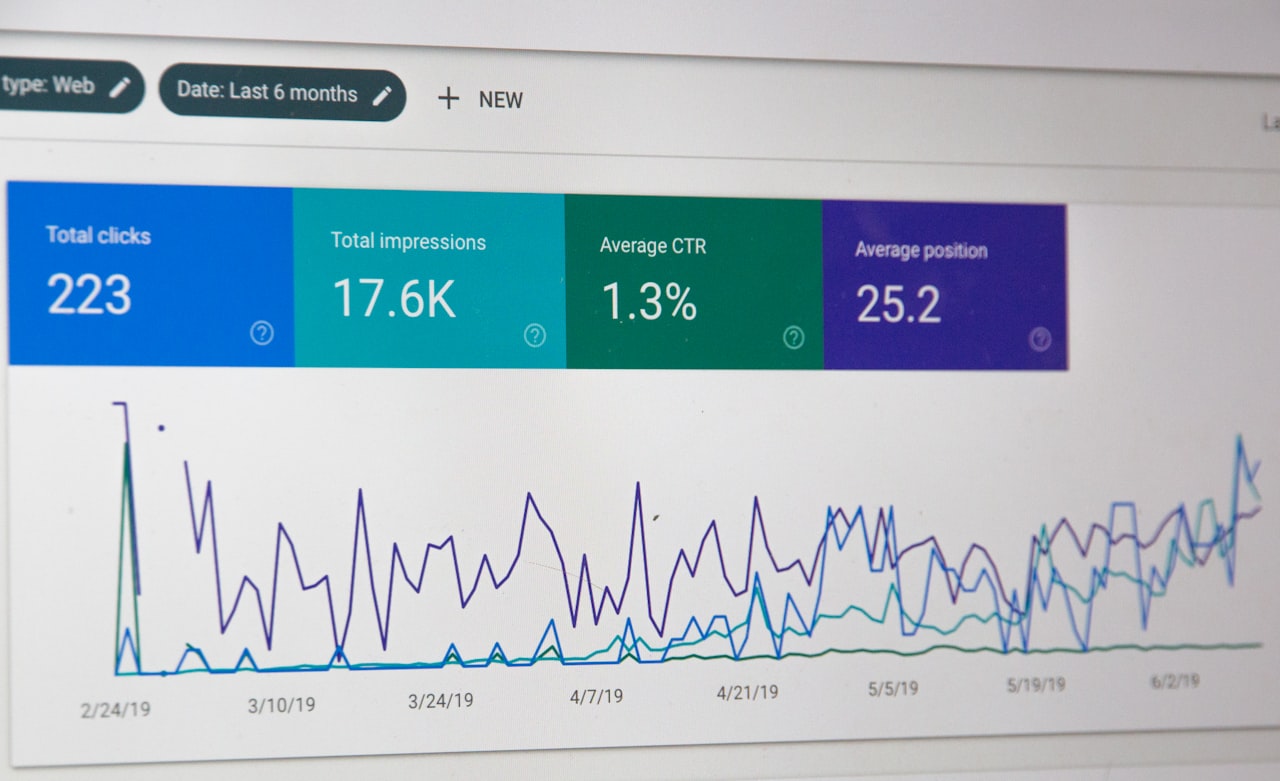
For each flow, monitor revenue per recipient, conversion rate, open rate, click rate, unsubscribe rate and spam complaint rate. Revenue per recipient is the most important metric for e-commerce flows — it tells you how much each person who enters the flow is worth to your business. Track these metrics weekly and compare them against benchmarks for your industry and region.
A/B Testing Flows
Klaviyo supports A/B testing within flows, allowing you to test subject lines, email content, send timing and conditional splits. When testing, change only one variable at a time, run the test for a statistically significant period (usually two to four weeks depending on volume) and implement the winner before testing the next variable. Continuous testing is the single most effective way to improve flow performance over time.
Flow Benchmarking
Klaviyo publishes industry benchmarks for flow performance. Compare your metrics against these benchmarks to identify underperforming flows. If your abandoned cart flow generates less revenue per recipient than the industry average, investigate the timing, content and incentive structure. If your welcome series has a below-average click rate, the content or offers may need refreshing. Strong content within your flows aligns well with a broader content marketing approach that provides value at every customer touchpoint.
Seasonal Adjustments
Singapore’s e-commerce calendar includes major shopping events — Great Singapore Sale, Singles’ Day (11.11), Black Friday, Christmas and Chinese New Year. Adjust your automated flows to accommodate these periods. Consider pausing or modifying abandoned cart discount offers during peak sale periods when margins are already thin. Create seasonal variations of your welcome series to match current promotions. Review and update flow content at least quarterly to keep messaging fresh and relevant.
Frequently Asked Questions
What is Klaviyo and who is it best for?
Klaviyo is a marketing automation platform designed primarily for e-commerce businesses. It is best suited for online stores that want to drive revenue through automated email and SMS flows triggered by customer behaviour. Klaviyo integrates deeply with Shopify, WooCommerce, BigCommerce and other e-commerce platforms, making it the top choice for product-based businesses.
How much does Klaviyo cost?
Klaviyo offers a free plan for up to 250 contacts and 500 email sends per month. Paid plans start at approximately USD 20 per month for 251 to 500 contacts, with pricing scaling based on list size. SMS credits are purchased separately. For Singapore SMEs, the cost typically ranges from USD 30 to USD 150 per month depending on list size and SMS usage.
What are the most important Klaviyo flows for e-commerce?
The five most important flows are the welcome series, abandoned cart recovery, browse abandonment, post-purchase follow-up and customer win-back. Together, these flows cover the critical stages of the customer lifecycle — from first contact through purchase, retention and re-engagement. Most e-commerce stores generate 20 to 40 per cent of their email revenue from automated flows.
How do I set up an abandoned cart flow in Klaviyo?
Navigate to the Flows section, click “Create Flow” and select the abandoned cart template. Configure the trigger as “Checkout Started” with a filter excluding anyone who has placed an order since starting checkout. Add time delays between emails (typically one hour, 24 hours and 48 hours), design your email content with dynamic product blocks showing the abandoned items, and activate the flow. Ensure your e-commerce platform integration is active so cart data syncs in real time.
Can Klaviyo send SMS messages in Singapore?
Yes, Klaviyo supports SMS sending in Singapore. However, you must comply with PDPA requirements and the Do Not Call Registry. Obtain explicit SMS marketing consent from subscribers, include your business identity in every message, and provide a clear opt-out option. SMS credits for Singapore numbers are priced per message, and costs may vary based on your plan and sending volume.
How does Klaviyo compare to Mailchimp for e-commerce?
Klaviyo offers significantly deeper e-commerce integration, more granular segmentation based on purchase behaviour, superior revenue attribution, and predictive analytics designed for online retail. Mailchimp is more versatile for non-e-commerce use cases and offers a broader set of marketing features. For dedicated e-commerce businesses, Klaviyo generally delivers better results and ROI.
What is browse abandonment in Klaviyo?
Browse abandonment is a flow that triggers when a subscriber views products on your website but does not add them to their cart or make a purchase. Klaviyo tracks browsing behaviour through its on-site tracking snippet and sends automated emails featuring the products the subscriber viewed. This flow captures purchase intent earlier in the shopping journey than cart abandonment.
How do I improve my Klaviyo flow conversion rates?
Improve conversion rates by optimising email timing and frequency, personalising content with dynamic product blocks and recommendations, testing subject lines and email designs through A/B tests, segmenting flows by customer value or behaviour, ensuring mobile-responsive email designs, and including compelling calls to action with minimal friction in the purchase path.
Does Klaviyo integrate with Shopify?
Yes, Klaviyo has a native, deep integration with Shopify that syncs customer data, order history, product catalogues, cart contents and browse behaviour in real time. The integration supports automated flows triggered by virtually any Shopify event and enables dynamic product content in emails. Klaviyo is widely regarded as the best email automation platform for Shopify stores.
How long does it take to see results from Klaviyo automation?
Most e-commerce stores see measurable results within the first two to four weeks of activating core flows. Abandoned cart and welcome series flows typically generate revenue almost immediately. Post-purchase, win-back and loyalty flows take longer to demonstrate impact as they depend on purchase cycles. Allow three to six months for a comprehensive automation strategy to reach its full revenue potential.