Part of our Social & Influencer Marketing guide →
Table of Contents
- Set Measurable Goals Tied to Business Outcomes
- Research Your Audience Thoroughly
- Choose the Right Platforms for Singapore
- Define Your Content Pillars and Formats
- Establish a Sustainable Posting Cadence
- Balance Paid and Organic for Maximum Impact
- Measure Performance and Iterate
- Frequently Asked Questions
Set Measurable Goals Tied to Business Outcomes
Learning how to create a social media strategy begins with defining what success looks like for your business. Without clear goals, you cannot measure progress, justify budget or make informed decisions about where to focus your effort. Every effective strategy starts by connecting social media activity to business outcomes rather than vanity metrics.
Use the SMART framework to structure your goals. A brand awareness goal might read: “Increase Instagram followers from 2,000 to 5,000 and average post reach from 500 to 1,500 within six months.” A lead generation goal: “Generate 50 qualified leads per month through LinkedIn content and advertising by Q3 2026.” A revenue goal: “Generate SGD 15,000 in monthly revenue attributable to social media campaigns with a 4x return on ad spend.” Each goal is specific, measurable, achievable, relevant and time-bound.
Most businesses should pursue two to three primary social media goals. Trying to chase awareness, leads, community growth and revenue simultaneously dilutes your focus and resources. If your business needs leads, prioritise lead generation. If you are launching a new brand, focus on awareness. Align your social goals with your broader digital marketing strategy so that every post, story and campaign contributes to the same overarching business objectives.
Research Your Audience Thoroughly
Understanding your audience determines every subsequent strategic decision: which platforms to use, what content to create, when to post and how to communicate. Generic assumptions produce generic content that nobody engages with.

Mine your existing platform analytics for demographic and behavioural data. Instagram Insights, LinkedIn Analytics and Facebook Page Insights reveal your followers’ age, gender, location and peak activity hours. Cross-reference with Google Analytics 4 to identify which social platforms drive the most commercially valuable website traffic, not just the most clicks. Study competitor audiences by reading comments, noting the profiles of active followers, and identifying what content generates genuine interaction versus polite silence.
Synthesise your research into two to three audience personas that represent your ideal social media followers. Include demographics, professional context, content preferences, active platforms, peak usage times and the type of value they seek. For Singapore-specific research, pay attention to language preferences across English, Mandarin, Malay and Tamil, cultural considerations around Singapore’s multicultural identity, and the significant role messaging apps like WhatsApp and Telegram play in the local social landscape.
Choose the Right Platforms for Singapore
You do not need to be on every platform. You need to be excellent on the right ones. Platform selection should be driven by where your audience spends time, not by which platforms are trendiest.
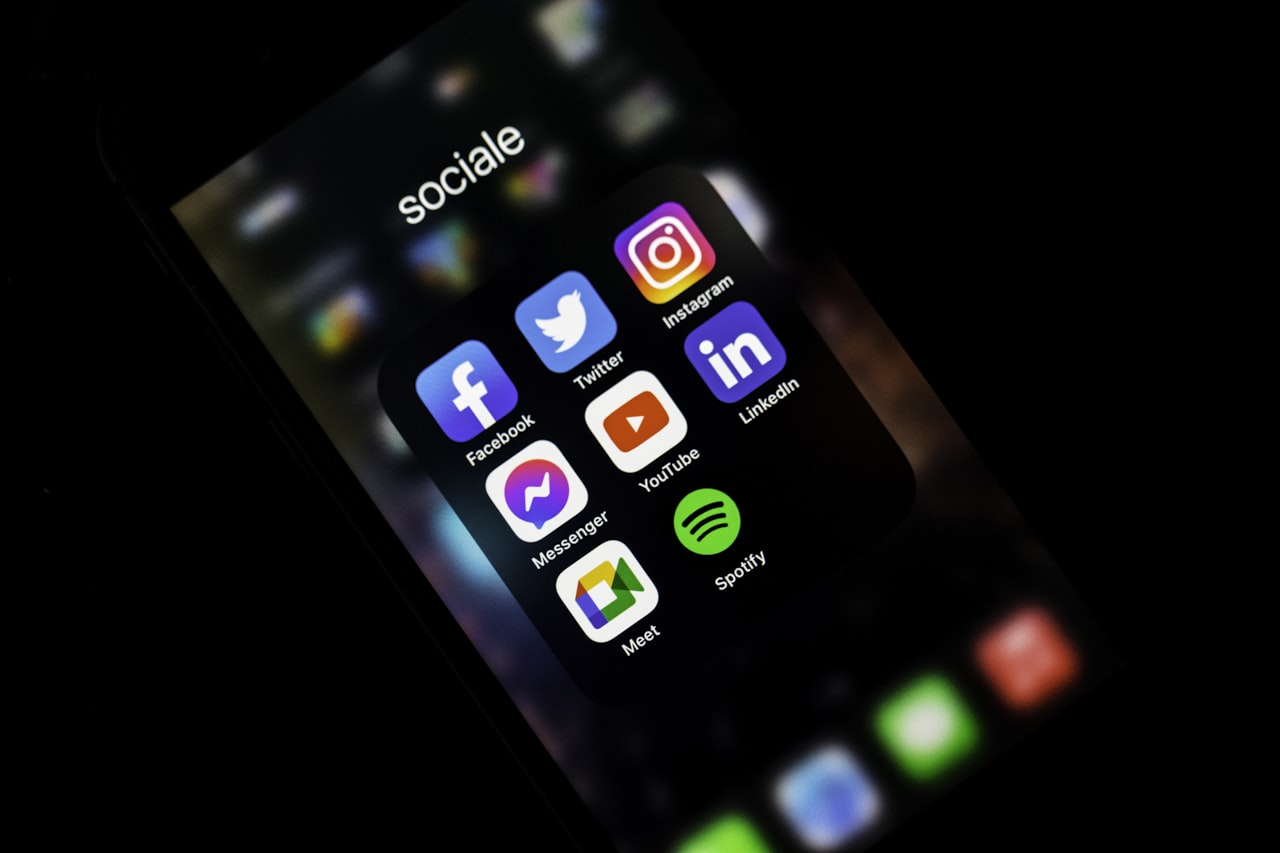
Instagram dominates visual B2C marketing in Singapore, strongest with ages 18 to 44. Reels drive the highest organic reach, while Shopping features make it increasingly effective for direct sales. TikTok is the fastest-growing platform with strong penetration across ages 16 to 35 and expanding older demographics. Its algorithm rewards creative content regardless of follower count, making it the best platform for organic discovery. LinkedIn is essential for B2B businesses, strong with professionals aged 25 to 55. Organic reach on LinkedIn has increased significantly, making it one of the most effective platforms for thought leadership content in 2026.
Facebook remains the largest platform by total users in Singapore, strongest with ages 30 to 55+. Organic reach has declined substantially, but Facebook Groups remain powerful for community building, and the advertising platform offers the most sophisticated targeting available. WhatsApp and Telegram are increasingly used for business communication and community building. YouTube serves as both a search engine and a content platform, with long shelf life for well-optimised videos.
For most Singapore businesses, start with two to three platforms and execute well before expanding. A common starting combination is Instagram plus LinkedIn for B2B service businesses, or Instagram plus TikTok for B2C brands. Add platforms only when you have the resources to maintain quality and consistency on your existing channels. For guidance on executing across platforms, explore our social media marketing services.
Define Your Content Pillars and Formats
Content pillars are the core themes around which all your social media content revolves. They provide strategic focus, audience consistency and production efficiency. Most businesses need three to five pillars.
A typical pillar framework for a Singapore business might include: educational content at 40 per cent of output, covering tips, guides, platform updates and industry trends that establish expertise. Client results and case studies at 20 per cent, providing social proof through success stories and before-and-after metrics. Behind-the-scenes and culture content at 20 per cent, humanising your brand through team introductions, work processes and company values. Industry commentary and thought leadership at 15 per cent, positioning your brand as a forward-thinking authority. Promotional content at 5 per cent, directly promoting services and offers.
Each platform favours different formats. Short-form video dominates in 2026 across all platforms, with Reels, TikToks and Shorts receiving the highest organic reach. Carousel posts generate high save rates on Instagram and LinkedIn for educational content. Text posts remain powerful on LinkedIn for personal stories and professional insights. Stories maintain daily visibility with existing followers. Repurpose content across formats to maximise efficiency: one blog post becomes a carousel, a video, a series of text posts and a Story sequence. Feed your social content from your content marketing output for consistent messaging across channels.
Establish a Sustainable Posting Cadence
Consistency matters more than frequency. Posting three times per week every week is significantly more effective than posting daily for a fortnight and then disappearing. Set a cadence you can maintain indefinitely.
Recommended frequencies for 2026: Instagram requires three to five feed posts per week with daily Stories and two to three Reels. TikTok rewards three to seven videos per week. LinkedIn performs well with three to five posts mixing text, carousels and short video. Facebook needs two to four posts per week for Pages, with daily activity if you manage a Group. YouTube benefits from one to two long-form videos weekly plus regular Shorts.
For Singapore audiences, optimal posting times serve as starting points to test against your own data. LinkedIn posts perform best Tuesday to Thursday at 8 to 9 AM or 12 to 1 PM SGT. Instagram engagement peaks Tuesday to Friday at 11 AM to 1 PM or 7 to 9 PM SGT. TikTok content resonates Monday to Saturday at 7 to 9 PM SGT or during the lunchtime window. Your platform analytics will reveal when your specific followers are most active, which may differ from general benchmarks.
Balance Paid and Organic for Maximum Impact
Organic social builds your brand and nurtures existing audiences. Paid social amplifies reach, targets new audiences and drives measurable conversions. A successful how to create a social media strategy approach requires both, and knowing when to deploy each.
Use organic posting as a testing ground for paid creative. Post content organically, identify which pieces generate the highest engagement, then create paid campaigns around top performers. This reduces paid creative risk by validating messaging before investing budget. Allocate 60 to 70 per cent of paid budget to conversion-focused campaigns and 30 to 40 per cent to awareness and engagement.
For businesses new to paid social in Singapore, start with SGD 500 to SGD 1,000 per month across one to two platforms. Use the full range of targeting options available: custom audiences, lookalike audiences, interest targeting and retargeting on Facebook and Instagram. For LinkedIn, target by job title, company size, industry and seniority. Monitor your blended metrics, the combined performance of organic and paid together, because what matters is total return from your social investment, not the performance of either channel in isolation.
Measure Performance and Iterate
Your strategy is only as good as your ability to measure its effectiveness. Define clear KPIs aligned with your goals and establish a regular reporting cadence that drives continuous improvement.

Track awareness KPIs including follower growth rate, post reach, impressions and brand mention volume. Monitor engagement KPIs such as engagement rate, average comments per post, save rate and video watch duration. Measure conversion KPIs covering website clicks, conversion rate, cost per lead for paid campaigns, and return on ad spend. Remember that vanity metrics like raw follower count matter far less than business metrics like leads, conversions and revenue.
Establish a weekly quick review of 15 minutes covering key metrics and notable content performance. Conduct a monthly comprehensive review of one hour analysing all KPIs against goals. Run a quarterly strategic review of two to three hours assessing progress towards SMART goals, evaluating platform mix, reviewing competitor activity and updating your strategy document. Align quarterly social reviews with broader digital marketing performance reviews for maximum strategic coherence.
Frequently Asked Questions
How much should I budget for social media marketing in Singapore?
For organic-only management, budget SGD 1,000 to SGD 3,000 per month covering tools, design and management time. Add SGD 1,000 to SGD 5,000 monthly for ad spend on one to two platforms. Most Singapore SMEs invest SGD 2,000 to SGD 5,000 per month total for a professional social media presence with moderate advertising.
Which platform is best for Singapore businesses?
It depends on your audience and business model. LinkedIn is typically most effective for B2B lead generation. Instagram and TikTok deliver the best engagement for B2C brands targeting consumers aged 18 to 35. Facebook remains effective for community building and advertising among broader demographics. Start with one to two platforms that match your audience.
How long does it take to see results from a social media strategy?
Expect meaningful organic results within three to six months of consistent posting. Paid social can deliver measurable outcomes within days to weeks for well-targeted campaigns. The first month establishes your presence; months two through three show early engagement patterns; months four through six reveal sustainable trends.
Should I hire a social media manager or work with an agency?
An in-house social media manager in Singapore costs SGD 3,000 to SGD 5,500 per month in salary. Freelancers charge SGD 1,000 to SGD 3,000 monthly. Agencies offer broader expertise and coverage. Many Singapore businesses start with an agency and bring management in-house as they scale and understand what works.
How do I handle negative comments on social media?
Respond promptly, professionally and empathetically. Acknowledge the issue, apologise where appropriate, and offer to resolve it privately via direct message. Never delete legitimate complaints, as this can escalate the situation. A well-handled complaint can strengthen your brand reputation more than the original comment damaged it.
What content format performs best on social media in 2026?
Short-form video dominates across all platforms, receiving the highest organic reach and engagement. However, carousel posts generate the highest save rates, and long-form text posts drive meaningful discussion on LinkedIn. Use a mix of formats and let your own performance data guide where you invest most production effort.
How do I create content consistently without burning out?
Batch your content production into dedicated sessions. Film multiple videos in one shoot, design a month of graphics in one sitting, and write several caption sets in one focused block. Repurpose content across platforms and formats. Stay two to four weeks ahead of your publishing schedule to absorb disruptions without missing posts.
Is it worth investing in social media if my business is purely B2B?
Yes. LinkedIn has become one of the most effective channels for B2B lead generation and thought leadership in Singapore. Decision-makers actively consume professional content on LinkedIn, and the platform’s organic reach has increased significantly. B2B social media requires different content and expectations than B2C, but the channel delivers measurable business results when executed strategically.