Healthcare Market Entry in Singapore: MOH Regulations, HSA and Marketing
Table of Contents
Singapore’s Healthcare Market Landscape
Singapore’s healthcare system is internationally recognised as one of the most efficient and effective in the world, consistently ranking among the top globally for health outcomes. For foreign healthcare companies considering healthcare market entry Singapore presents a highly regulated but commercially attractive market with clear pathways for qualified operators and products.
The healthcare market in Singapore is valued at over S$25 billion annually, encompassing public healthcare institutions, private hospitals and clinics, medical devices and diagnostics, pharmaceuticals, health technology, telehealth and wellness services. The country’s ageing population — with residents aged 65 and above projected to comprise nearly 25 per cent of the population by 2030 — is driving sustained demand growth across all healthcare segments.
Singapore operates a dual public-private healthcare system. The public sector, comprising institutions under three integrated clusters (SingHealth, National University Health System and National Healthcare Group), provides the majority of hospital care. The private sector, including hospitals such as Mount Elizabeth, Gleneagles, and Raffles Hospital, serves both local patients and the substantial medical tourism market. Singapore attracts approximately 500,000 medical tourists annually, drawn by the country’s world-class medical facilities, English-speaking environment and competitive pricing compared to Western countries.
Key growth segments include digital health and telehealth (accelerated by regulatory changes during the pandemic), medical devices and diagnostics, precision medicine and genomics, eldercare and chronic disease management, and mental health services. The government’s Healthier SG initiative, which emphasises preventive care and community-based health management, is creating new opportunities for innovative healthcare models.
Singapore also serves as a regional headquarters for many multinational healthcare companies, providing access to the broader ASEAN healthcare market of over 680 million people. The country’s robust intellectual property protection, clinical trial infrastructure and regulatory standards that are recognised across Asia make it an ideal base for regional healthcare operations.
Regulatory Framework: MOH, HSA and HCSA
Healthcare in Singapore is governed by a comprehensive regulatory framework overseen by multiple government agencies. Understanding this framework is essential for successful healthcare market entry Singapore operations.

Ministry of Health (MOH)
MOH sets overall healthcare policy, regulates healthcare services and professionals, and oversees the public healthcare system. Key MOH regulatory functions include licensing of healthcare institutions under the Healthcare Services Act (HCSA), registration and regulation of healthcare professionals, oversight of private healthcare pricing and fee transparency, health technology assessment and policy-making. MOH also publishes the Private Hospitals and Medical Clinics (PHMC) Regulations and various circulars that govern healthcare operations.
Health Sciences Authority (HSA)
HSA is the regulatory authority for health products including pharmaceuticals, medical devices, cosmetics, health supplements, traditional medicines and tobacco products. HSA’s key functions include pre-market evaluation and registration of therapeutic products, post-market surveillance and pharmacovigilance, regulation of clinical trials, licensing of pharmaceutical manufacturers and wholesalers, and regulation of blood, tissue and cell products. HSA’s regulatory standards are aligned with international best practices and are mutually recognised by several regulatory authorities globally.
Healthcare Services Act (HCSA)
The HCSA, which replaced the older Private Hospitals and Medical Clinics Act (PHMCA), is the primary legislation governing the provision of healthcare services in Singapore. It establishes a licensing framework for a broad range of healthcare services, including clinical laboratories, radiological services, acute hospitals, medical clinics, nursing homes, clinical research facilities, telehealth services and various allied health services. The HCSA adopts a services-based licensing approach, meaning that each type of healthcare service requires its own licence.
Product Registration and Approval
Foreign healthcare companies bringing products to Singapore must navigate HSA’s product registration process, which varies by product type and risk classification.
Pharmaceutical Products
All pharmaceutical products sold in Singapore must be registered with HSA. The registration process follows a risk-based approach with different evaluation routes. The full evaluation route applies to new chemical entities and is the most rigorous, requiring comprehensive quality, safety and efficacy data. The abridged evaluation route applies to products already approved by reference regulatory agencies (FDA, EMA, TGA, Health Canada, or PMDA). The verification evaluation route is the fastest, applicable to products approved by at least two reference agencies. Processing timelines range from 60 working days (verification) to 270 working days (full evaluation). Registration fees range from S$7,400 to S$36,800 depending on the evaluation route.
Medical Devices
Medical devices are regulated under the Health Products (Medical Devices) Regulations. Devices are classified into four risk classes — A (lowest risk), B, C and D (highest risk). Class A devices require only dealer licensing, while Class B, C and D devices require product registration. Registration involves submission of technical documentation, quality management system certification (ISO 13485) and clinical evidence where applicable. The ASEAN Medical Device Directive (AMDD) Common Submission Dossier Template (CSDT) format is accepted, facilitating simultaneous registration across ASEAN markets.
Health Supplements and Traditional Medicines
Health supplements sold in Singapore are regulated under the Health Supplements Guidelines. Whilst pre-market approval is not required for most health supplements, they must comply with permitted ingredient lists, dosage limits and labelling requirements. All health supplements must be notified with HSA through the PRISM portal. Traditional Chinese medicines require registration as Chinese Proprietary Medicines (CPMs) and must comply with HSA’s CPM regulatory framework, including testing for heavy metals, microbial contamination and undeclared Western drug ingredients.
Clinical Trials
Conducting clinical trials in Singapore requires approval from the relevant Institutional Review Board (IRB) and notification to or approval from HSA, depending on the trial phase and product type. Singapore offers several advantages for clinical trials, including a diverse multi-ethnic population representative of the broader Asian market, world-class research institutions, efficient regulatory timelines and strong IP protection. The Clinical Trials Regulations set out requirements for trial conduct, data management, adverse event reporting and participant protection.
Healthcare Services Licensing (HCSA)
Foreign healthcare providers establishing clinical operations in Singapore must obtain the appropriate HCSA licences from MOH.
Licensable Healthcare Services
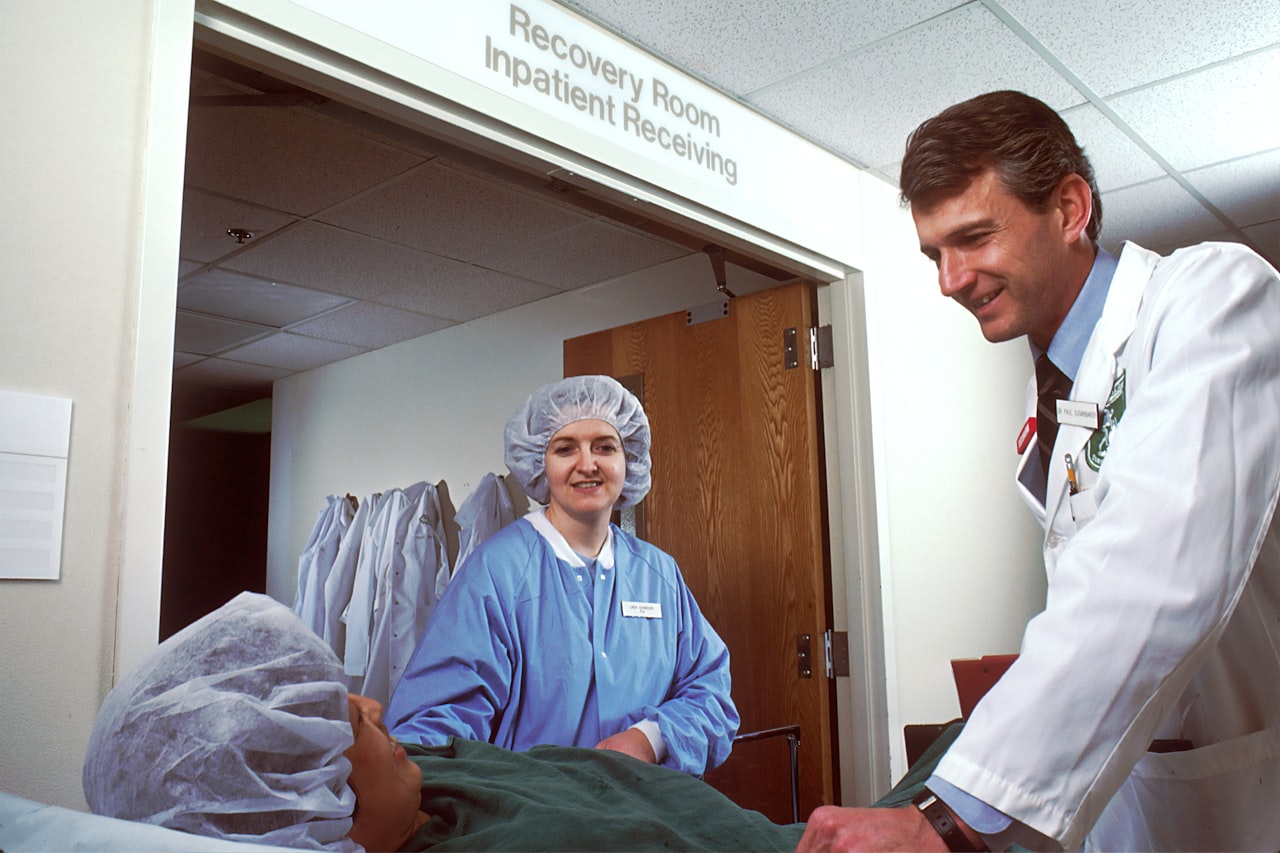
The HCSA defines over 30 types of licensable healthcare services, grouped into categories. Key categories for foreign entrants include acute hospital services (requiring substantial capital and comprehensive licensing), medical clinic services (including GP clinics, specialist clinics and dental clinics), clinical laboratory services, radiological services, telehealth services (a relatively new licensable category), nursing home and residential care services and renal dialysis services.
Licence Application Process
The HCSA licence application process involves several stages. First, engage early with MOH to discuss your proposed healthcare service model and confirm licensing requirements. Next, ensure your proposed premises meet MOH’s physical and operational requirements, including room sizes, equipment standards, infection control measures and staffing ratios. Submit your application through MOH’s online portal with supporting documents including floor plans, operational policies, clinical governance frameworks and proof of professional registrations for key clinical staff. MOH conducts premises inspections and may request additional information before issuing the licence. Processing times vary from three to six months depending on the service type and complexity.
Personnel Requirements
All healthcare professionals practising in Singapore must be registered with the relevant professional boards. Doctors must register with the Singapore Medical Council (SMC), nurses with the Singapore Nursing Board (SNB), dentists with the Singapore Dental Council and allied health professionals with the Allied Health Professions Council (AHPC). Foreign-trained healthcare professionals must meet Singapore’s qualification and examination requirements, which can be a significant barrier to entry. Key clinical leadership positions typically require Singapore-registered professionals with relevant local experience.
Telehealth Regulations
Telehealth services became a licensable healthcare service under the HCSA following the pandemic-driven regulatory evolution. Telehealth providers must obtain an HCSA licence, ensure that teleconsultations are conducted by appropriately qualified and registered healthcare professionals, maintain proper clinical records, comply with prescribing guidelines for telemedicine, and implement adequate cybersecurity and data protection measures. Cross-border telehealth services — where the provider is overseas and the patient is in Singapore — are subject to specific regulatory requirements.
Market Entry Structures and Setup
The optimal market entry structure for healthcare companies depends on whether you are bringing products, services or both to Singapore.
Product-Focused Entry
Pharmaceutical and medical device companies can enter Singapore through several structures. Establishing a local subsidiary provides full control and is necessary for holding product registrations directly. Appointing a local distributor or agent allows faster market entry with lower capital investment — many Singapore-based healthcare distributors (such as Zuellig Pharma, DKSH, and Medispec) have established networks across public and private healthcare institutions. A hybrid model combining a small local team for key accounts and regulatory management with distributor coverage for broader market access is increasingly common.
Service-Focused Entry
Healthcare service providers must establish a Singapore legal entity (private limited company) and obtain the relevant HCSA licences. The process involves company incorporation with ACRA, securing appropriate premises that meet MOH standards, recruiting registered healthcare professionals, obtaining HCSA licences and setting up operational systems including electronic medical records (EMR), billing and clinical governance frameworks. Total setup timelines range from six to eighteen months depending on the service type.
Digital Health and HealthTech
Digital health companies face varying regulatory requirements depending on their product classification. Software as a Medical Device (SaMD) may require HSA registration as a medical device. Non-medical digital health products (wellness apps, health information platforms) face lighter regulation but must still comply with PDPA and, if providing clinical services, HCSA requirements. The Licensing Experimentation and Adaptation Programme (LEAP) provides a sandbox-like framework for testing innovative healthcare models.
Healthcare Marketing and Compliance
Healthcare marketing in Singapore is subject to strict regulations designed to protect patients and maintain professional standards. Non-compliance can result in enforcement action, fines and reputational damage.
Advertising Regulations
The Medicines (Advertisement and Sale) Act and the Singapore Medical Council (SMC) Ethical Code and Ethical Guidelines govern healthcare advertising. Key restrictions include the prohibition of advertising prescription medicines to the public, restrictions on claims that cannot be substantiated by clinical evidence, requirements for fair and balanced presentation of benefits and risks, restrictions on the use of testimonials and endorsements by healthcare professionals, and prohibitions on guaranteeing outcomes or using superlative claims such as “best” or “number one.” All healthcare advertising must be reviewed for compliance before publication.
Digital Marketing Compliance
Navigating digital marketing compliance for healthcare requires specialist expertise. SEO strategies must ensure that website content and meta descriptions do not make prohibited claims. Google Ads campaigns for healthcare products and services must comply with both Google’s healthcare advertising policies and Singapore’s regulatory requirements — certain product categories are restricted or require pre-certification. Social media content must avoid testimonial-style posts that could be construed as endorsements.
Content Marketing for Healthcare
Educational content marketing is the most effective and compliant approach for healthcare companies in Singapore. Create authoritative health information content that educates patients and healthcare professionals without making promotional claims. Publish clinical evidence summaries, disease awareness content, treatment option guides and thought leadership articles. Ensure all medical content is reviewed by qualified healthcare professionals before publication and includes appropriate disclaimers.
Brand Building in Healthcare
Building a trusted healthcare brand requires consistent communication of clinical expertise, patient safety and quality of care. Invest in a professional website that reflects your clinical standards and provides genuine value to patients through health information, practitioner profiles and transparent pricing. Leverage media relations and thought leadership to build authority — healthcare professionals who publish in peer-reviewed journals and speak at conferences significantly enhance institutional brand credibility.
Key Account Marketing for B2B Healthcare
Healthcare product companies selling to hospitals and clinics require targeted B2B marketing strategies. Build relationships with key opinion leaders (KOLs) in relevant therapeutic areas, participate in medical conferences and exhibitions (such as Asia Health and Medical Fair Asia), and develop clinical education programmes that demonstrate product value. Hospital formulary listings and group purchasing organisation (GPO) contracts are critical for pharmaceutical and medical device sales — these require clinical evidence dossiers and health economic analyses.
Funding, Partnerships and Growth
Singapore offers substantial support for healthcare innovation and market development, making it an attractive base for healthcare companies with growth ambitions.

Government Grants and Incentives
The National Medical Research Council (NMRC) provides grants for clinical research and translational medicine. The Agency for Science, Technology and Research (A*STAR) supports biomedical sciences research and commercialisation. Enterprise Singapore’s Enterprise Development Grant (EDG) supports business transformation and capability development. The Pioneer Certificate Incentive and Development and Expansion Incentive (DEI) provide tax benefits for qualifying healthcare companies establishing or expanding operations in Singapore.
Research and Innovation Partnerships
Singapore’s healthcare research ecosystem is world-class. Partnership opportunities exist with public healthcare institutions’ research divisions, A*STAR research institutes (including the Bioprocessing Technology Institute, Genome Institute of Singapore and Singapore Immunology Network), university medical schools (NUS Yong Loo Lin School of Medicine, NTU Lee Kong Chian School of Medicine, Duke-NUS Medical School) and innovation centres such as the Singapore Health Technologies Consortium and the National Health Innovation Centre Singapore (NHIC).
Medical Tourism and Regional Expansion
Singapore’s medical tourism market provides additional revenue opportunities for healthcare service providers. The Singapore Tourism Board actively promotes medical tourism, and the country’s reputation for clinical excellence attracts patients from Indonesia, Vietnam, Myanmar and the Middle East. For healthcare product companies, Singapore’s HSA registration can be leveraged for regulatory submissions in other ASEAN markets through the ASEAN harmonisation initiatives, reducing the time and cost of regional expansion.
Frequently Asked Questions
How long does HSA product registration take in Singapore?
Registration timelines depend on the evaluation route. For pharmaceuticals, the verification route takes approximately 60 working days, the abridged route takes 180 working days and the full evaluation route takes 270 working days. For medical devices, Class B registration takes approximately 40 to 90 working days, Class C takes 90 to 180 working days and Class D takes 180 to 270 working days. These are target timelines and actual processing may be longer if additional information is requested.
Can foreign doctors practise in Singapore?
Foreign-trained doctors must register with the Singapore Medical Council (SMC) before practising. Registration pathways include conditional registration (for employment in approved institutions), temporary registration (for specific appointments) and full registration (requiring passing the Singapore Medical Council Examination or holding a recognised qualification with relevant experience). The process can take several months to over a year, and not all foreign qualifications are recognised. Medical specialists must additionally be listed on the Specialist Register.
What are the key regulatory differences between Singapore and other ASEAN markets?
Singapore’s regulatory standards are generally the most stringent in ASEAN. HSA product registration is widely regarded as a reference standard in the region. Key differences include more rigorous clinical evidence requirements, higher quality management system standards, stricter advertising regulations and more comprehensive post-market surveillance requirements. However, ASEAN harmonisation efforts are gradually aligning regulatory requirements across member states, particularly for medical devices and pharmaceuticals.
Is telehealth regulated in Singapore?
Yes, telehealth became a licensable healthcare service under the HCSA. Providers must obtain the appropriate HCSA licence, use only registered healthcare professionals for consultations, maintain proper clinical documentation, comply with MOH’s telemedicine guidelines (including prescribing restrictions) and implement adequate data protection and cybersecurity measures. The regulatory framework continues to evolve as telehealth adoption grows.
What are the advertising restrictions for healthcare products in Singapore?
Prescription medicines cannot be advertised to the general public. Over-the-counter medicines can be advertised but must comply with the Medicines (Advertisement and Sale) Act, including accurate representation of product benefits, inclusion of required warnings and disclaimers, prohibition of claims not supported by clinical evidence and approval from the HSA Advertisements Unit for certain product categories. Healthcare services advertising must comply with SMC Ethical Guidelines, which restrict comparative claims, testimonials and guarantees of outcomes.
How much does it cost to register a pharmaceutical product with HSA?
HSA registration fees for pharmaceutical products range from S$7,400 (verification route) to S$36,800 (full evaluation for new chemical entities). Additional costs include preparation of the Common Technical Document (CTD) dossier, local stability studies if required, Good Manufacturing Practice (GMP) audit fees and ongoing annual retention fees (currently S$440 per product). Total cost for a product registration project, including regulatory consulting fees, typically ranges from S$30,000 to S$100,000.
What is the LEAP framework and how does it benefit healthcare innovators?
The Licensing Experimentation and Adaptation Programme (LEAP) allows healthcare innovators to test new healthcare models in a controlled regulatory environment, similar to a sandbox. LEAP enables providers to offer innovative services that may not fit neatly within existing licensing categories, with appropriate safeguards and monitoring. Successful LEAP participants may inform future regulatory frameworks. This is particularly valuable for digital health companies, novel care delivery models and cross-disciplinary healthcare innovations.
Can I sell health supplements in Singapore without HSA approval?
Health supplements do not require pre-market approval but must be notified with HSA and comply with the Health Supplements Guidelines. Products must contain only permitted ingredients within specified dosage limits, carry compliant labelling and not make therapeutic claims (which would reclassify them as medicines requiring registration). HSA actively monitors the market and takes enforcement action against non-compliant health supplements, including recalls and prosecution.
What healthcare marketing channels are most effective in Singapore?
For B2C healthcare marketing, Google Search (particularly local SEO and Google Ads) is the most effective channel, as patients actively search for symptoms, conditions and treatment options. Educational content marketing builds trust and drives organic traffic. For B2B healthcare marketing, relationship-based marketing through medical conferences, KOL engagement and clinical education programmes is most effective. LinkedIn is the primary digital channel for reaching healthcare professionals and decision-makers.
Are there special incentives for healthcare companies setting up in Singapore?
Yes, Singapore offers several incentives for healthcare companies. The Economic Development Board (EDB) provides tax incentives including the Pioneer Certificate (reduced tax rate of 5 to 10 per cent for qualifying activities) and the Development and Expansion Incentive. Research-intensive companies can benefit from the Research Incentive Scheme for Companies (RISC) and the 250 per cent tax deduction for qualifying R&D expenditure. Grants from NMRC, A*STAR and Enterprise Singapore can further offset setup and operational costs.