Marketing to Health and Wellness Audiences in Singapore
The health and wellness market in Singapore is booming. Driven by an ageing population, rising health consciousness, pandemic-era shifts in lifestyle priorities and growing disposable incomes, Singaporeans are spending more than ever on fitness, nutrition, mental health, supplements and holistic wellness. The market encompasses everything from boutique gyms and organic food retailers to meditation apps and traditional Chinese medicine clinics.
For brands operating in this space, the opportunity is enormous — but so is the competition. Standing out requires a deep understanding of what drives wellness consumers, where they spend their attention and how to earn their trust. This comprehensive guide covers everything you need to know about health wellness marketing singapore, from audience segmentation to channel strategy and content creation.
The Health and Wellness Market in Singapore
Singapore’s wellness economy is valued in the billions and continues to grow year on year. Several macro trends are driving this expansion, creating opportunities for brands across the wellness spectrum.
Post-Pandemic Health Awareness
COVID-19 fundamentally shifted how Singaporeans think about health. Preventive care, immunity boosting, mental health and holistic wellness moved from niche interests to mainstream priorities. This shift has proved durable — consumers who adopted healthier habits during the pandemic have largely maintained them, creating a permanently expanded market for wellness products and services.
An Ageing Population with Spending Power
Singapore’s rapidly ageing population creates substantial demand for health-related products and services targeting older adults — from joint supplements and health screenings to active ageing programmes and senior fitness classes. This demographic has accumulated savings and is willing to spend on maintaining their health and quality of life.
Millennial and Gen Z Wellness Culture
Younger Singaporeans have embraced wellness as a lifestyle identity. Fitness classes, clean eating, meditation, journaling and self-care routines are not just health practices — they are social activities and markers of personal identity. This generation drives the demand for boutique fitness, premium health foods, wellness retreats and digital health tools.
Government Support for Healthy Living
The Singapore government actively promotes healthy living through initiatives like Healthier SG, the Health Promotion Board’s programmes and subsidised health screenings. These initiatives create a supportive backdrop for wellness brands and often provide partnership opportunities.
Key Audience Segments Within Wellness Consumers
The wellness audience is not monolithic. Effective health wellness marketing singapore strategies segment this broad market into distinct groups with different needs, motivations and spending patterns.
Fitness Enthusiasts
This segment actively pursues physical fitness through gym memberships, group classes, running, cycling, swimming or home workouts. They spend on fitness apparel, equipment, protein supplements, sports nutrition and recovery products. They are highly active on social media, follow fitness influencers and are motivated by performance goals and community belonging.
Nutrition-Focused Consumers
These consumers prioritise diet and nutrition as their primary wellness strategy. They read labels carefully, seek out organic and natural products, follow specific dietary philosophies (plant-based, keto, intermittent fasting) and are willing to pay premium prices for perceived quality. They are heavy consumers of nutrition content — blogs, videos, podcasts and social media posts about healthy eating.
Mental Health and Mindfulness Seekers
Growing awareness of mental health has created a significant segment of consumers seeking therapy, counselling, meditation, mindfulness apps, stress-management tools and related services. This segment tends to be younger, educated and digitally savvy. They respond to empathetic, non-judgmental messaging and value privacy and discretion.
Holistic and Alternative Wellness
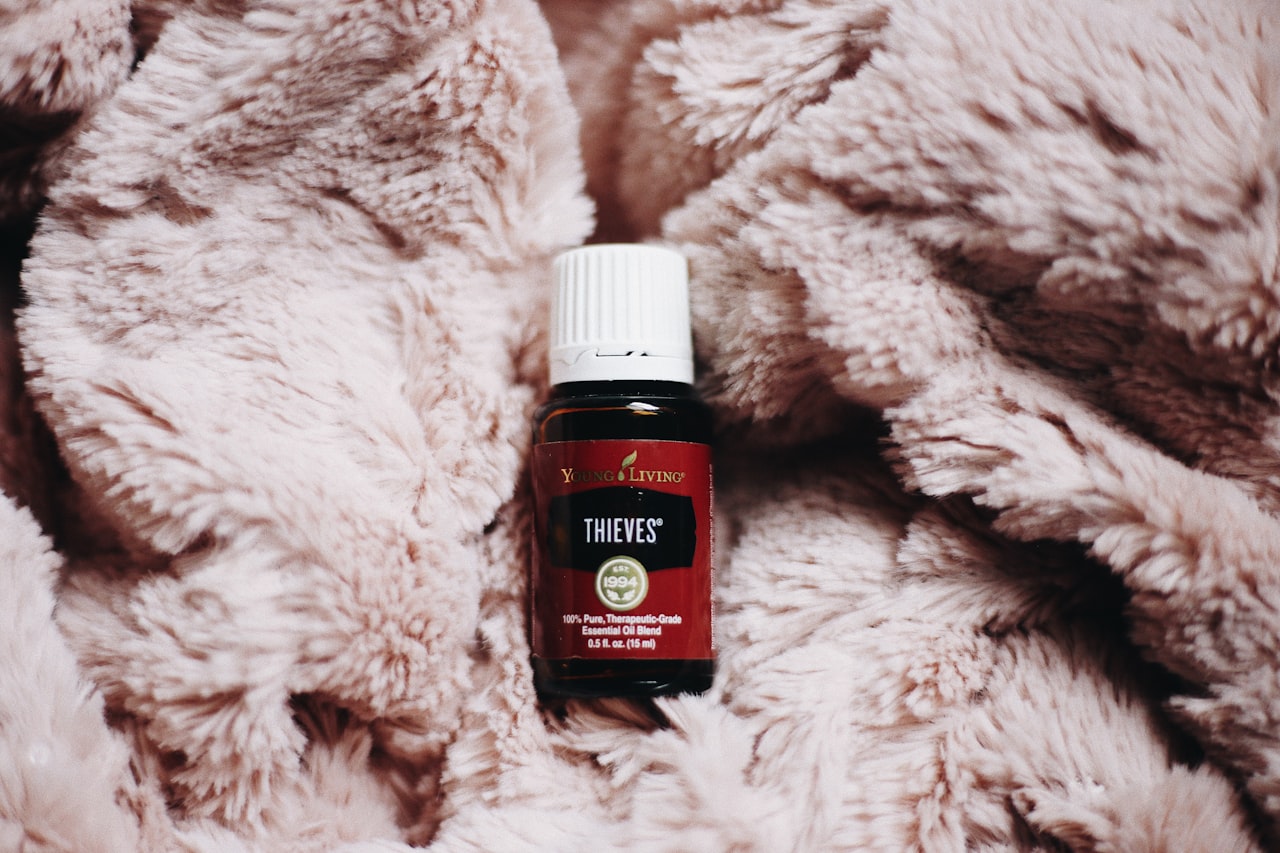
Traditional Chinese medicine, acupuncture, aromatherapy, sound healing and other alternative wellness practices have a strong following in Singapore’s multicultural market. Consumers in this segment often combine traditional and modern approaches to health and are influenced by cultural traditions, family recommendations and community networks.
Supplement and Preventive Health Consumers
This large segment purchases vitamins, supplements, health screenings and preventive care products. They range from young adults taking daily multivitamins to older Singaporeans investing in comprehensive health supplements. They are influenced by scientific evidence, professional recommendations and peer reviews.
Consumer Behaviour and Decision Drivers
Understanding what drives wellness purchases is essential for crafting effective marketing strategies.
Trust and Credibility
Health is deeply personal and consumers are understandably cautious about who they trust with their wellbeing. Brands must earn trust through credentials, certifications, transparent ingredient lists, scientific evidence and authentic customer testimonials. Claims that seem exaggerated or unsubstantiated trigger scepticism and can damage your brand permanently. Building a credible brand identity is particularly important in the wellness space.
Social Proof and Community
Wellness consumers are heavily influenced by their social circles, online communities and influencers they follow. Before trying a new supplement, gym or wellness service, most consumers will check reviews, ask friends or look for social media endorsements. Community-driven marketing — user-generated content, customer stories, community events — is exceptionally effective in this space.
Education and Information
Wellness consumers are information-hungry. They research extensively before making purchases, especially for products they will ingest or use on their bodies. Brands that educate — explaining ingredients, mechanisms of action, expected results and proper usage — build trust and reduce purchase anxiety.
Emotional and Aspirational Drivers
Beyond rational factors, wellness purchases are driven by emotions — the desire to feel good, look good, perform better, reduce anxiety, gain energy or simply take control of one’s health. Marketing that connects with these emotional motivations, while remaining authentic and evidence-based, resonates powerfully.
Digital Marketing Channels for Wellness Brands
Digital channels are the primary battleground for wellness marketing in Singapore. Here are the channels that deliver results.
Instagram: The Wellness Visual Platform
Instagram is the dominant platform for wellness content in Singapore. Fitness transformations, healthy meal photos, workout videos, mindfulness quotes and wellness lifestyle imagery all perform well. A strong social media marketing strategy on Instagram should combine aspirational content with educational posts, user-generated content and authentic behind-the-scenes material. Reels and Stories drive the highest engagement rates.
TikTok: Reaching Younger Wellness Consumers
TikTok has become a major discovery platform for wellness products and services. Short-form videos featuring workout routines, healthy recipes, supplement reviews and wellness tips regularly go viral. The platform’s algorithm can deliver massive organic reach for content that resonates, making it particularly valuable for emerging brands with limited advertising budgets.
Google Search: Capturing High-Intent Traffic
Consumers searching for “best protein powder Singapore,” “yoga classes near me,” “therapist Singapore” or “organic grocery delivery” are high-intent prospects. A comprehensive SEO strategy targeting wellness-related keywords can drive consistent, qualified traffic. Combine this with Google Ads campaigns for competitive keywords where organic ranking is difficult to achieve.
YouTube: Long-Form Wellness Content
YouTube is the go-to platform for in-depth wellness content — workout follow-alongs, cooking tutorials, supplement reviews, meditation guides and expert interviews. Building a YouTube channel requires more investment than other platforms but generates compounding returns as content accumulates and ranks in both YouTube and Google search results.
Email Marketing: Nurturing Wellness Relationships
Email remains one of the most effective channels for wellness brands, particularly for driving repeat purchases of consumable products (supplements, health foods, skincare). Regular newsletters featuring wellness tips, product education, exclusive offers and community updates maintain engagement and drive lifetime value.
Content Strategy for Health and Wellness
Content is the backbone of effective health wellness marketing singapore. Wellness consumers are information-seekers, and brands that provide valuable, trustworthy content earn their loyalty.
Educational Blog Content
In-depth articles covering wellness topics — nutrition guides, exercise tutorials, mental health resources, supplement comparisons — serve dual purposes. They attract organic search traffic and establish your brand as a credible authority. A well-planned content marketing programme should target keywords at every stage of the customer journey, from awareness (“benefits of meditation”) to consideration (“best meditation app Singapore”) to decision (“meditation app pricing comparison”).
Video Content Across Platforms
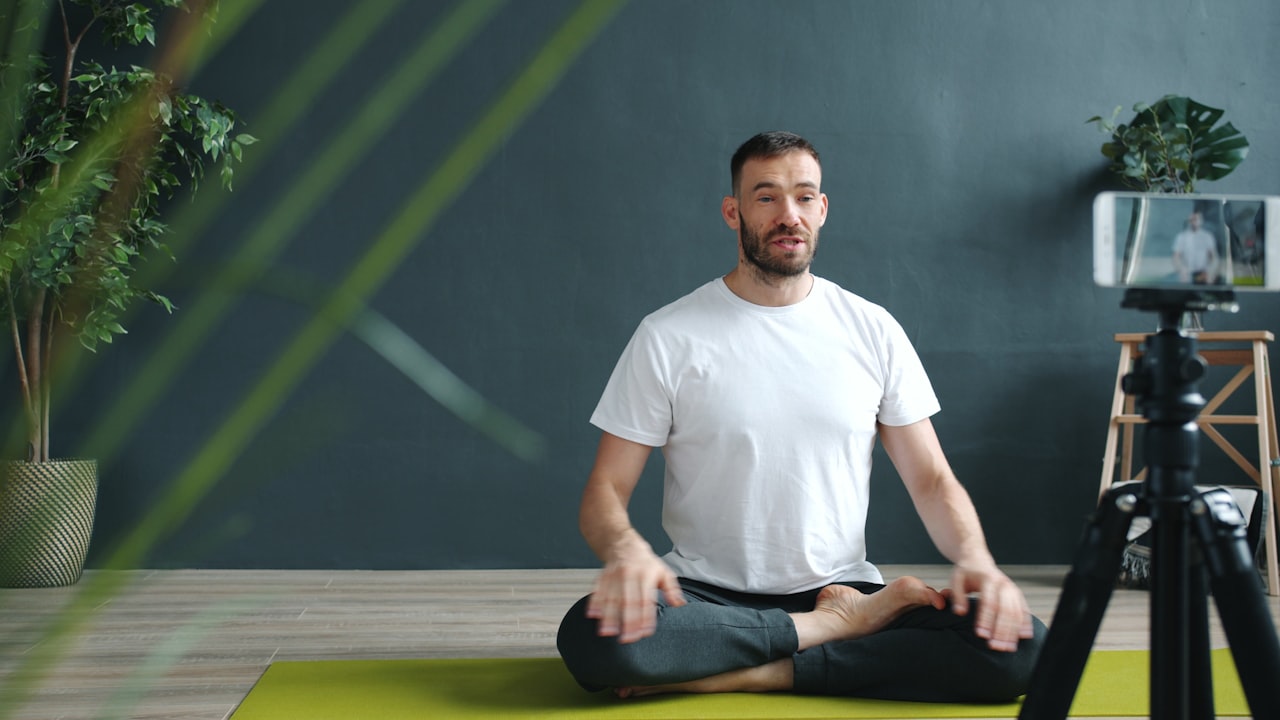
Video dominates wellness marketing. Workout demonstrations, recipe tutorials, product unboxings, expert interviews and customer transformation stories all perform well across platforms. Repurpose long-form video into short clips for Instagram Reels, TikTok and YouTube Shorts to maximise reach from each piece of content.
User-Generated Content
Encourage customers to share their wellness journeys, product experiences and transformations. User-generated content provides authentic social proof, reduces content creation costs and builds community. Create branded hashtags, run photo challenges and feature customer content on your channels to incentivise sharing.
Expert Collaborations
Partnering with nutritionists, personal trainers, psychologists, doctors and other health professionals to create content adds credibility and authority. Expert-endorsed content performs better in both engagement and conversion, particularly for products that make health claims.
Influencer and Community Marketing
Influencer marketing is particularly effective in the wellness space, where personal recommendations carry enormous weight.
Choosing the Right Wellness Influencers
Singapore has a thriving wellness influencer ecosystem spanning fitness, nutrition, mindfulness, yoga, running and holistic health. When selecting influencers, prioritise authenticity and audience alignment over follower count. A micro-influencer with 5,000 highly engaged followers in your exact niche will outperform a general lifestyle influencer with 100,000 followers. Verify that potential influencers actually use and believe in products they promote — audiences detect inauthentic endorsements quickly.
Long-Term Partnerships Over One-Off Posts
One-off influencer posts generate momentary awareness but limited trust. Long-term partnerships — where an influencer genuinely integrates your product into their lifestyle and shares their experience over weeks or months — build far more credibility. Consider ambassador programmes that provide ongoing product access and compensation in exchange for regular, authentic content.
Community Building and Events
Physical and virtual community events — group workouts, wellness workshops, cooking classes, meditation sessions — build engaged communities around your brand. These events create content opportunities, generate word of mouth and deepen customer relationships. The wellness space is inherently community-oriented, and brands that facilitate meaningful connections earn outsized loyalty.
Online Community Platforms
Facebook groups, Telegram communities and dedicated community platforms can foster ongoing engagement between events. A branded community where customers share tips, ask questions, celebrate milestones and support each other becomes a powerful retention and advocacy engine.
Regulatory Compliance and Trust Building
The wellness industry operates under specific regulations in Singapore that directly impact marketing practices.
Health Sciences Authority (HSA) Regulations
The HSA regulates health products, supplements and therapeutic devices in Singapore. Marketing claims for these products must comply with strict guidelines — you cannot claim that a supplement cures, treats or prevents any disease without appropriate approvals. Ensure your marketing team and agency understand these regulations to avoid costly penalties and reputational damage.
Advertising Standards Authority of Singapore (ASAS)
ASAS guidelines govern advertising claims across all media. Health and wellness advertisements must be truthful, substantiated and not misleading. Testimonials must reflect genuine experiences, and before-and-after imagery must be authentic. Working with a knowledgeable digital marketing partner who understands these regulations can help you stay compliant while maximising marketing impact.
Building Trust Through Transparency
Beyond regulatory compliance, transparency is a powerful trust-building strategy. Share your ingredient sourcing, manufacturing processes, third-party testing results and certifications openly. Address common concerns and objections proactively. Brands that are forthcoming about what their products can and cannot do earn more trust than those that make vague, sweeping claims.
Certifications and Endorsements
Relevant certifications — organic, halal, GMP-certified, HSA-approved, Singapore Heart Foundation endorsed — provide credibility shorthand for consumers. Display certifications prominently in your marketing materials and explain what they mean for consumers who may not be familiar with specific certification standards.
Measuring Wellness Marketing Performance
Effective measurement ensures your marketing budget delivers results and informs ongoing optimisation.

Key Performance Indicators
Track metrics across the full funnel — awareness (reach, impressions, brand search volume), engagement (social engagement rate, content consumption, email open rates), conversion (leads, trials, first purchases) and retention (repeat purchase rate, subscription renewal, customer lifetime value). Wellness products often have high repeat purchase potential, making retention metrics particularly important.
Attribution for Multi-Channel Campaigns
Wellness consumers typically interact with multiple touchpoints before purchasing. A consumer might discover your brand on Instagram, read a blog post, watch a YouTube video, receive a recommendation from a friend and finally purchase after receiving a promotional email. Multi-touch attribution models provide a more accurate picture of channel contribution than last-click attribution.
Customer Feedback and Sentiment
Monitor reviews, social media mentions, community discussions and direct customer feedback to understand how your brand is perceived. In the wellness space, negative sentiment around product quality or misleading claims can spread rapidly and cause lasting damage. Proactive monitoring and responsive customer service are essential.
Competitive Benchmarking
Track your performance relative to competitors — social media growth rates, search visibility, content engagement and market share indicators. The wellness market in Singapore is competitive, and understanding your relative position helps identify opportunities and threats.
Frequently Asked Questions
How large is the health and wellness market in Singapore?
Singapore’s health and wellness market is valued at several billion dollars and continues to grow year on year. The market encompasses fitness, nutrition, supplements, mental health, preventive care, alternative wellness and related products and services, driven by rising health consciousness and disposable incomes.
What social media platform is best for wellness marketing in Singapore?
Instagram remains the dominant platform for wellness content, offering visual storytelling and strong community features. TikTok is increasingly important for reaching younger audiences. The best approach uses multiple platforms strategically, with content adapted for each platform’s format and audience expectations.
How important is influencer marketing for wellness brands?
Influencer marketing is one of the most effective strategies in the wellness space. Consumers trust personal recommendations from people they follow and admire. Long-term partnerships with authentic, niche-relevant influencers consistently outperform one-off sponsored posts or traditional advertising.
What regulations affect wellness marketing in Singapore?
Key regulations include HSA guidelines for health products and supplements, ASAS advertising standards and general consumer protection laws. Health claims must be truthful and substantiated, and certain product categories require specific approvals before making therapeutic claims. Always consult regulatory guidelines or legal counsel when marketing health products.
How do I build trust with wellness consumers?
Trust is built through transparency (ingredient lists, sourcing, manufacturing), credibility (certifications, expert endorsements, scientific evidence), social proof (reviews, testimonials, user-generated content) and consistency (delivering on promises over time). Avoid exaggerated claims and be honest about what your products can and cannot do.
What content types work best for wellness marketing?
Educational content (nutrition guides, exercise tutorials, mental health resources), video content (workouts, recipes, product reviews), user-generated content (customer stories, transformations) and expert collaborations all perform well. The key is providing genuine value while maintaining scientific accuracy and regulatory compliance.
Should wellness brands focus on organic or paid marketing?
The most effective strategies combine both. Organic content marketing and SEO build long-term authority and sustainable traffic. Paid advertising on Google and social media provides immediate reach and allows precise targeting. Community and influencer marketing bridge both categories. Allocate budget based on your growth stage and competitive landscape.
How do I market wellness products to different age groups in Singapore?
Younger audiences (18-35) respond to social media, influencer content and aspirational wellness lifestyle messaging. Middle-aged consumers (35-55) prioritise evidence-based claims, preventive health and convenience. Older adults (55+) value trust, professional endorsements and products that address specific health concerns. Channel selection, messaging tone and content format should all be adapted by age segment.
What role does community play in wellness marketing?
Community is central to wellness marketing. Wellness activities — fitness classes, cooking groups, meditation circles — are inherently social. Brands that build and nurture communities through events, online groups and shared experiences create deeper customer relationships, higher retention rates and organic advocacy.
How do I differentiate my wellness brand in a crowded Singapore market?
Differentiation comes from specialisation (focus on a specific wellness niche), authenticity (genuine brand story and values), evidence (scientific backing and transparent results), community (building a loyal tribe) and experience (exceptional product and service quality). Trying to be everything to everyone is the fastest path to obscurity in the competitive wellness market.