
Goods and Services Tax (GST) is Singapore’s equivalent of a value-added tax, levied on the supply of goods and services within the country and on the importation of goods. For foreign companies operating in or selling to Singapore, understanding gst registration singapore foreign obligations is critical — non-compliance can result in significant penalties, retrospective assessments and reputational damage.
This guide provides a thorough examination of when and how foreign companies must register for GST in Singapore, covering mandatory and voluntary registration thresholds, the reverse charge mechanism, the Overseas Vendor Registration (OVR) regime, filing requirements and practical compliance strategies. Whether you operate a Singapore subsidiary, sell digital services remotely or supply goods through a local fulfilment centre, this resource ensures you understand your obligations.
Table of Contents
- GST in Singapore: An Overview
- Registration Thresholds for Foreign Companies
- Overseas Vendor Registration Regime
- The Reverse Charge Mechanism
- GST Registration Process Step by Step
- Filing, Payment and Compliance Obligations
- Common Issues for Foreign Companies
- Integrating GST Planning with Your Market Entry Strategy
- Frequently Asked Questions
GST in Singapore: An Overview
Singapore’s GST is a broad-based consumption tax applied to most goods and services supplied in the country. Administered by the Inland Revenue Authority of Singapore (IRAS), GST affects both local and foreign businesses that meet certain thresholds or engage in specific taxable activities.
Current GST Rate
The GST rate was increased from 8 per cent to 9 per cent on 1 January 2024. This increase was part of a two-step adjustment announced in Budget 2022, with the first increase from 7 per cent to 8 per cent taking effect on 1 January 2023. The 9 per cent rate applies to all standard-rated supplies of goods and services.
Types of Supplies
For GST purposes, supplies are classified into four categories:
- Standard-rated supplies: Most goods and services supplied in Singapore, taxed at 9 per cent
- Zero-rated supplies: Exports of goods and international services, taxed at 0 per cent (the supplier can still claim input tax credits)
- Exempt supplies: Financial services and the sale and lease of residential property — no GST is charged, and no input tax credit is available
- Out-of-scope supplies: Supplies that fall outside the scope of GST, such as private transactions and certain government-to-government transfers
Who Must Register
Any person (including a company) that makes taxable supplies in Singapore exceeding the registration threshold must register for GST. This obligation extends to foreign companies that make taxable supplies through a business carried on in Singapore, as well as foreign suppliers of digital services and low-value goods under the OVR regime.
Registration Thresholds for Foreign Companies
Understanding when gst registration singapore foreign becomes mandatory is essential for compliance planning.

Mandatory Registration — Retrospective Basis
A company must register for GST if, at the end of any calendar year (1 January to 31 December), the total value of its taxable supplies in that calendar year exceeds S$1 million. Registration must be applied for within 30 days of the end of that calendar year, and the effective date of registration will be no later than 30 days after the liability to register arises.
Mandatory Registration — Prospective Basis
A company must also register if, at any point in time, it has reasonable grounds to believe that its taxable supplies in the next 12 months will exceed S$1 million. Registration must be applied for within 30 days of the date on which the company forms that belief.
Voluntary Registration
Companies below the S$1 million threshold may apply for voluntary GST registration. This can be advantageous for businesses that incur significant GST on their inputs (e.g., purchasing goods and services in Singapore for export) and wish to claim input tax credits. However, voluntarily registered companies must remain registered for at least two years and must comply with all GST filing and record-keeping obligations.
Group Registration
Two or more related companies can apply for group registration, allowing them to be treated as a single taxable person for GST purposes. This simplifies compliance and allows intra-group supplies to be disregarded for GST purposes. To qualify, all companies must be GST-registered, incorporated in Singapore, and related (as defined by the Income Tax Act).
Exemption from Registration
A company that makes only zero-rated supplies (i.e., exports) may apply for exemption from registration, even if its taxable turnover exceeds S$1 million. This avoids the administrative burden of GST compliance while the company’s supplies would attract a 0 per cent rate in any case.
Overseas Vendor Registration Regime
The Overseas Vendor Registration (OVR) regime is particularly relevant for foreign companies that do not have a physical presence in Singapore but supply digital services or low-value goods to Singapore consumers.
Digital Services
Since 1 January 2020, overseas suppliers of digital services (such as software-as-a-service, streaming media, e-books, online courses, digital advertising and app store purchases) must register for GST if their annual global turnover exceeds S$1 million and their annual supply of digital services to Singapore customers exceeds S$100,000. Registration is required under the OVR regime, and the supplier must charge and account for GST at 9 per cent on supplies made to non-GST-registered customers in Singapore.
Low-Value Goods
From 1 January 2023, the OVR regime was extended to cover low-value goods (goods valued at S$400 or less, excluding transport and insurance costs). Overseas suppliers and electronic marketplace operators that meet the registration thresholds must register for GST and charge GST on low-value goods supplied to non-GST-registered customers in Singapore. This change closed the previous exemption for imported goods below the GST relief threshold.
Electronic Marketplace Operators
If digital services or low-value goods are supplied through an electronic marketplace (e.g., an app store or e-commerce platform), the marketplace operator may be deemed the supplier for GST purposes and must register accordingly. This “marketplace deeming” rule shifts the GST collection obligation from the individual supplier to the platform operator.
Simplified Registration and Filing
Overseas vendors under the OVR regime can opt for a simplified registration process, which involves fewer administrative requirements. However, they cannot claim input tax credits under the simplified regime. Vendors that wish to claim input tax credits must register under the standard (pay-only) regime and appoint a local GST agent.
The Reverse Charge Mechanism
The reverse charge mechanism is a complementary measure to the OVR regime, targeting business-to-business (B2B) transactions.
How Reverse Charge Works
Under the reverse charge mechanism, GST-registered businesses in Singapore that import services from overseas suppliers must account for GST on those services as if they were the supplier. In practical terms, the Singapore business reports the GST on its return as output tax and, if eligible, claims it back as input tax in the same return. The net cash effect is often zero for fully taxable businesses, but the mechanism ensures that services consumed in Singapore are subject to GST regardless of where the supplier is located.
When Reverse Charge Applies
Reverse charge applies to GST-registered businesses that:
- Receive imported services from overseas suppliers (i.e., services that would be taxable if supplied in Singapore)
- Are not entitled to full input tax credit (e.g., businesses making exempt supplies such as financial services, or businesses that are partially exempt)
If a business is entitled to full input tax credit on all its expenses, the reverse charge does not result in any additional GST cost, as the output tax and input tax offset each other. However, the business must still report the reverse charge in its GST return.
Imported Services Subject to Reverse Charge
Common examples include consulting services, legal and accounting services, software licensing, cloud computing services, marketing services, management fees and royalty payments from overseas affiliates. Essentially, any service that would be subject to GST if performed by a Singapore-based supplier falls within the reverse charge scope.
GST Registration Process Step by Step
The GST registration process is administered by IRAS and can be completed online through the myTax Portal.

Step 1: Determine Your Registration Obligation
Assess whether your company meets the mandatory registration threshold (S$1 million in taxable supplies) or whether voluntary registration would be beneficial. For overseas vendors, assess whether the OVR thresholds are met.
Step 2: Prepare Required Information
Gather the following information:
- Company UEN and ACRA business profile
- Details of the company’s business activities and principal revenue streams
- Financial records showing taxable turnover for the relevant period
- Projected taxable turnover for the next 12 months (for prospective registration)
- For voluntary registration: a business plan demonstrating the intention to make taxable supplies
Step 3: Submit the Application
For locally registered companies, submit the GST registration application via IRAS’s myTax Portal (e-Services > GST > Register for GST). For overseas vendors under the OVR regime, use the dedicated OVR registration portal. The application is free of charge.
Step 4: Await Approval
IRAS typically processes GST registration applications within three to four weeks. Upon approval, IRAS issues a GST registration number and confirms the effective date of registration. For mandatory registration, the effective date is typically within 30 days of the liability arising.
Step 5: Update Business Systems
Once registered, update your invoicing systems to include GST, ensure your accounting software can track input and output tax, train relevant staff on GST compliance and update any contracts or pricing to reflect the GST component.
Filing, Payment and Compliance Obligations
GST Returns
GST-registered businesses must file quarterly GST returns (Form 5) within one month of the end of each prescribed accounting period. For example, a company with a January-to-March quarter must file by 30 April. Companies may apply to file monthly returns if they consistently receive refunds.
Payment of GST
The net GST payable (output tax less input tax) must be remitted to IRAS by the filing deadline. If input tax exceeds output tax (common for exporters), IRAS will refund the difference, typically within 30 days of the filing date.
Input Tax Claims
GST-registered businesses can claim input tax credits on GST incurred on business purchases, provided the expenses are incurred for the purpose of making taxable supplies. Common non-claimable items include motor car expenses (except for specific business uses), club membership fees and medical expenses for employees (unless mandatory under law).
Record Keeping
GST-registered businesses must maintain records for at least five years. Required records include tax invoices (both issued and received), credit notes, debit notes, import permits, export documents and any other documents relating to the computation of GST.
Penalties for Non-Compliance
Late registration attracts a penalty of 10 per cent of the GST due from the date registration should have taken effect. Late filing of returns incurs an immediate penalty of S$200, increasing by S$200 for each additional month of delay, up to a maximum of S$10,000. Late payment of GST attracts a penalty of 5 per cent of the outstanding amount, with additional 2 per cent penalties for each complete month of delay (up to 50 per cent of the outstanding amount).
Common Issues for Foreign Companies
Determining Nexus and Taxable Presence
Foreign companies sometimes struggle to determine whether they are making taxable supplies “in Singapore”. The key factors include where the contract is made, where the services are performed, where the goods are delivered and whether the company has a fixed establishment in Singapore. Seek professional advice if your supply chain involves cross-border elements that make the determination complex.
Distinguishing Zero-Rated from Exempt Supplies
Misclassifying supplies can have significant financial consequences. Zero-rated supplies (typically exports) allow input tax recovery, whereas exempt supplies do not. Foreign companies providing financial services or dealing in residential property must be particularly careful with classification.
Managing Reverse Charge Obligations
Companies that import services from overseas affiliates (e.g., management fees, intercompany service charges, royalties) must account for reverse charge GST. This is frequently overlooked by foreign companies that are accustomed to receiving invoices without GST from their overseas group companies.
OVR Compliance for Digital Businesses
Foreign digital service providers must accurately determine which of their Singapore customers are non-GST-registered (and therefore subject to GST under OVR) versus GST-registered (where the reverse charge mechanism applies instead). Maintaining accurate customer classification records is essential.
Transitional Issues with Rate Changes
The recent GST rate increase to 9 per cent created transitional issues for contracts that span the rate change date. Specific transitional rules determine which rate applies based on the time of supply, payment dates and invoice dates. Foreign companies with long-term contracts should review their pricing and invoicing to ensure correct GST treatment.
Integrating GST Planning with Your Market Entry Strategy
GST compliance is one component of a broader market entry strategy. Foreign companies entering Singapore should coordinate their tax planning with their commercial and marketing activities to ensure a smooth launch.
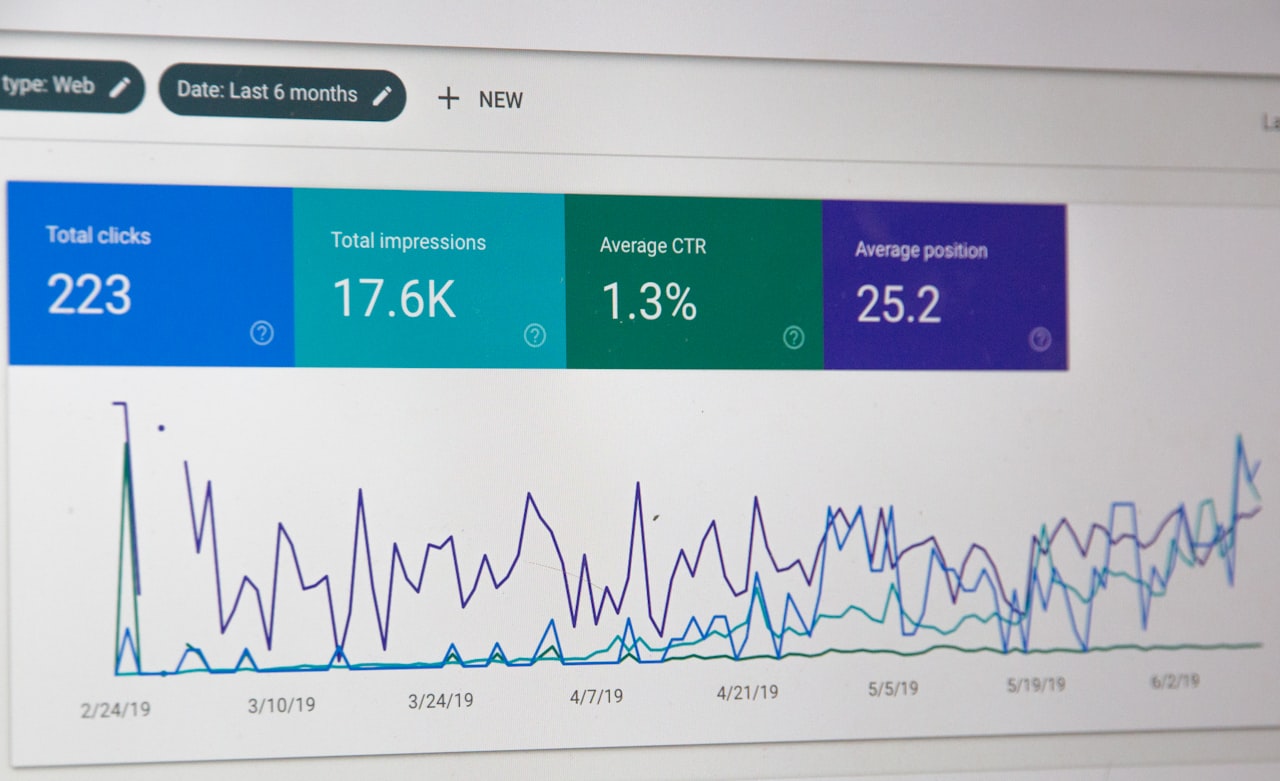 Market Entry Strategy — GST Registration in Singapore: When and How Foreign Companies Must Register” loading=”lazy” class=”wp-image-19671″>
A well-structured digital marketing strategy helps you generate revenue efficiently, which in turn supports your GST and corporate tax planning. Invest in search engine optimisation for sustainable organic growth and use Google Ads for immediate market penetration. Building brand awareness through social media marketing and establishing thought leadership through content marketing creates a strong commercial foundation.
For a complete overview of the company registration process, see our guide on company registration for foreign businesses. And to understand your corporate tax obligations alongside GST, read our detailed guide on corporate tax for foreign companies in Singapore.
Frequently Asked Questions
What is the current GST rate in Singapore?
The current GST rate is 9 per cent, effective from 1 January 2024. This followed an increase from 7 per cent to 8 per cent on 1 January 2023. The 9 per cent rate applies to all standard-rated supplies of goods and services in Singapore.
When must a foreign company register for GST in Singapore?
A foreign company must register for GST if its taxable supplies in Singapore exceed S$1 million in a calendar year (retrospective basis) or if it reasonably expects taxable supplies to exceed S$1 million in the next 12 months (prospective basis). Overseas suppliers of digital services or low-value goods must register under the OVR regime if their global turnover exceeds S$1 million and their Singapore-specific supplies exceed S$100,000.
What is the Overseas Vendor Registration regime?
The OVR regime requires overseas suppliers of digital services (since 2020) and low-value goods (since 2023) to register for GST and charge GST on supplies made to non-GST-registered customers in Singapore. The registration thresholds are S$1 million in global turnover and S$100,000 in supplies to Singapore customers annually.
What is the reverse charge mechanism?
The reverse charge mechanism requires GST-registered businesses in Singapore to account for GST on imported services from overseas suppliers. The Singapore business treats itself as both the supplier and recipient, reporting GST output tax and claiming input tax (if eligible) in the same return. This ensures services consumed in Singapore are subject to GST regardless of the supplier’s location.
Can I claim input tax credits as a GST-registered foreign company?
Yes, GST-registered companies can claim input tax credits on GST incurred on business purchases, provided the expenses relate to making taxable supplies. However, overseas vendors registered under the OVR simplified regime cannot claim input tax credits. To claim credits, overseas vendors must register under the standard regime and appoint a local GST agent.
What are the penalties for late GST registration?
Late registration attracts a penalty of 10 per cent of the GST amount that should have been collected from the date registration should have taken effect. IRAS may also impose additional penalties for deliberate non-compliance. Companies that discover they should have registered earlier should approach IRAS proactively to minimise penalties.
How often must I file GST returns?
GST returns are filed quarterly, within one month of the end of each prescribed accounting period. Companies may apply to file monthly returns if they consistently receive refunds. The GST return (Form 5) must be filed electronically through IRAS’s myTax Portal.
Is voluntary GST registration beneficial for my company?
Voluntary registration can be advantageous if your company incurs significant GST on inputs in Singapore (e.g., purchasing goods and services for export). It allows you to claim input tax credits that would otherwise be a sunk cost. However, you must remain registered for at least two years and comply with all GST obligations, including filing returns and maintaining records.
Do I need to charge GST on exports from Singapore?
Exports of goods and qualifying international services are zero-rated, meaning GST is charged at 0 per cent. You do not collect GST from your overseas customers, but you can still claim input tax credits on your Singapore business expenses. Proper documentation (export permits, bills of lading, contracts) is required to support zero-rating.
What records must I keep for GST compliance?
GST-registered businesses must maintain records for at least five years. Required records include all tax invoices (issued and received), credit and debit notes, import permits, export documentation, contracts, bank statements, general ledger and any other documents relevant to the computation of GST. Electronic records are acceptable provided they are readily accessible for audit.