Google Ads for Renovation Contractors in Singapore: A Complete PPC Guide
Why Google Ads Works for Renovation Contractors
Renovation is a high-value, low-frequency purchase. Homeowners in Singapore typically renovate once every seven to ten years, which means they are not passively browsing — they are actively searching when the need arises. Google Ads places your business directly in front of these high-intent searchers at the exact moment they are looking for a contractor.
The renovation industry in Singapore is intensely competitive. Platforms like Qanvast, Hometrust, and Renovation Contractor Singapore aggregate leads and charge contractors for referrals, often with slim margins. Google Ads gives you direct access to homeowners without intermediary fees, allowing you to build your own pipeline of project enquiries.
Consider the maths. A single HDB four-room renovation project averages $40,000 to $70,000 in Singapore. A condo renovation can run $80,000 to $150,000 or more. Even if your cost per lead through Google Ads is $50 to $100, closing just one or two projects per month delivers substantial return on investment. This makes Google Ads services one of the most effective lead generation channels for renovation businesses.
Unlike social media advertising, where you are interrupting someone scrolling through their feed, Google Ads captures demand that already exists. When someone searches “renovation contractor Tampines” or “kitchen renovation cost Singapore,” they have a project in mind and are actively seeking a contractor. This intent-driven model translates to higher lead quality compared to most other digital channels.
Renovation contractors who rely solely on word-of-mouth or platform referrals leave significant business on the table. Google Ads provides a controllable, scalable channel that you can adjust based on your team’s capacity — scaling up during quieter periods and dialling back when your project pipeline is full.
HDB vs Condo Targeting Strategy
Singapore’s housing market creates a natural segmentation for renovation contractors. HDB flats and private condominiums represent fundamentally different project types, budgets, design constraints, and client expectations. Your Google Ads strategy should reflect these differences.

HDB renovation targeting:
- Keywords should include flat types — “HDB 4-room renovation,” “BTO renovation package,” “HDB 5-room kitchen design.”
- Budget messaging matters. HDB homeowners are typically more price-sensitive and respond well to package pricing in ad copy — “$38,000 4-room renovation package” is more compelling than vague claims about quality.
- BTO-specific campaigns are highly effective. New BTO owners begin searching for contractors months before key collection. Target terms like “BTO renovation 2026,” “BTO package Punggol,” or “BTO ID firm.”
- Location targeting can be refined to new BTO estates — Tengah, Bidadari, and other developing areas where waves of new homeowners are simultaneously searching for contractors.
Condo renovation targeting:
- Keywords shift towards design and lifestyle — “condo renovation Singapore,” “luxury condo interior design,” “landed property renovation.”
- Condo clients are often less price-driven and more design-conscious. Ad copy should emphasise portfolio quality, design awards, and project experience rather than package prices.
- Target specific developments or districts — “renovation for The Sail,” “Sentosa Cove renovation,” or “District 10 interior design.” These niche terms attract high-budget clients with specific property types.
- Landed property owners represent the highest-value segment. Separate campaigns for “landed house renovation Singapore” or “bungalow renovation” deserve their own budget and messaging.
Working with a construction marketing agency helps you structure these segments properly rather than running a single campaign that tries to address all property types simultaneously. Segmentation allows you to tailor messaging, control budgets, and measure performance for each property category independently.
Keyword Strategy for Renovation Ads
Keyword selection determines whether your ads appear for homeowners ready to hire or casual browsers looking at design inspiration. The distinction between high-intent and low-intent queries is critical for managing your budget effectively.
High-intent keywords to target:
- “Renovation contractor Singapore”
- “Interior designer near me”
- “HDB renovation package 2026”
- “Kitchen renovation cost Singapore”
- “Bathroom renovation quote”
- “BTO renovation firm”
- “Condo renovation company”
Mid-intent keywords worth testing:
- “Renovation cost Singapore”
- “How much to renovate HDB”
- “ID firm Singapore”
- “Renovation loan Singapore”
Keywords to exclude (negative keywords):
- “DIY renovation” — these searchers are not hiring contractors.
- “Renovation ideas” or “renovation inspiration” — informational intent with low conversion probability.
- “Free renovation” or “cheap renovation” — attracts low-quality leads.
- “Renovation jobs” or “renovation career” — job seekers, not clients.
- Competitor brand names (unless you have a deliberate competitor targeting strategy).
Understanding Google Ads costs in Singapore is essential for budgeting. Renovation-related keywords in Singapore typically range from $3 to $12 per click, with the most competitive terms like “renovation contractor Singapore” commanding the higher end. Long-tail terms like “3-room HDB renovation Sengkang” cost less and often convert better because the searcher’s intent is more specific.
Match types matter. Start with phrase match and exact match for your core terms. Broad match can expand reach but risks showing your ads for irrelevant queries. If you use broad match, pair it with an aggressive negative keyword list and monitor search term reports weekly.
Ad Copy Best Practices
Renovation ad copy must accomplish three things in limited character space — establish credibility, communicate value, and prompt action. Generic copy like “Best Renovation Company, Call Now” wastes your budget because it fails to differentiate you from dozens of competitors saying the same thing.
Effective ad copy elements for renovation contractors include:
- Specificity: Mention flat types, project values, or design styles. “Scandinavian 4-Room BTO From $35K” is more compelling than “Quality Renovation Services.”
- Social proof: Include review counts or ratings — “Rated 4.9/5 on Google (200+ Reviews).” Homeowners rely heavily on reviews when selecting contractors.
- Guarantees: “No Hidden Costs” or “Fixed-Price Packages” address a major pain point. Renovation horror stories about cost overruns are common in Singapore, so directly countering that fear builds trust.
- Urgency and timeliness: “2026 BTO Packages Available” or “Book Your Free Consultation This Week.” Time-sensitive language encourages clicks.
- Clear call to action: “Get a Free Quote,” “View Our Portfolio,” or “WhatsApp Us Now.” Be explicit about what happens next.
Use responsive search ads with multiple headline and description variations. Google will test combinations and surface the best performers. Include at least three headlines referencing different value propositions — price, quality, and convenience, for example.
Ad extensions significantly improve performance:
- Sitelink extensions: Link to your portfolio, pricing page, about page, and contact form.
- Callout extensions: “Free Site Visit,” “Licensed & Insured,” “10 Years Experience.”
- Call extensions: Enable direct phone calls, especially important for mobile searchers.
- Location extensions: Show your showroom address if you have a physical space clients can visit.
- Image extensions: Showcase your best renovation projects directly in the ad.
Portfolio Landing Pages That Convert
Sending ad traffic to your homepage is a common and costly mistake. Homeowners clicking a renovation ad expect to see relevant project examples, pricing guidance, and a simple way to get in touch. A dedicated landing page aligned to the ad’s promise converts far better than a generic homepage.

High-converting renovation landing pages include:
- Relevant portfolio images: If the ad targets HDB renovations, the landing page should showcase HDB projects, not landed property transformations. Match the content to the ad promise.
- Before-and-after comparisons: These are enormously persuasive for renovation services. They demonstrate transformation clearly and help homeowners visualise what is possible for their own space.
- Pricing transparency: At minimum, provide starting prices or package ranges. “4-Room HDB Packages from $35,000” sets expectations and qualifies leads. Homeowners who submit enquiries after seeing pricing are more likely to convert because budget alignment has already occurred.
- Testimonials with project details: “We renovated our 5-room HDB in Punggol for $52,000 and couldn’t be happier” is more credible than “Great service!” Include project type and location for relevance.
- Simple contact form: Ask for name, phone number, property type, and estimated budget. Lengthy forms with fields for detailed project descriptions create friction and reduce submissions.
- WhatsApp button: Many Singaporean homeowners prefer WhatsApp over forms or phone calls. A prominent WhatsApp button with a pre-filled message template lowers the barrier to enquiry.
Create separate landing pages for each major segment — HDB renovation, condo renovation, landed property renovation, and commercial renovation. This alignment between ad, keyword, and landing page improves both your Quality Score (reducing cost per click) and your conversion rate. Combining Google Ads with SEO for renovation companies ensures you capture both paid and organic traffic effectively.
Budget and Bidding for Renovation Leads
Setting the right budget depends on your capacity and target project volume. A useful framework is to work backwards from your revenue goal.
Example calculation for an HDB-focused contractor:
- Average project value: $50,000
- Target: 4 projects per month
- Enquiry-to-project conversion rate: 10 percent (1 in 10 enquiries becomes a project)
- Required enquiries per month: 40
- Average cost per enquiry: $60
- Monthly Google Ads budget: $2,400
This means a $2,400 monthly investment could generate $200,000 in project revenue — a return of over 80 times the ad spend. Even accounting for material costs and overheads, the ROI is compelling.
Bidding strategy recommendations:
- Start with manual CPC: This gives you control while you gather data. Set initial bids based on estimated CPC for your target keywords.
- Move to target CPA: Once you have at least 30 conversions per month, switch to target CPA bidding. Set your target CPA at a level that makes commercial sense — if you can afford $80 per lead, set that as your target.
- Use bid adjustments: Increase bids for mobile devices (where renovation searches are common), during weekday evenings (when homeowners research after work), and for your priority locations.
For businesses also investing in Google Ads for construction, coordinating budgets across renovation and broader construction campaigns prevents internal competition and ensures efficient spend allocation.
Campaign Structure and Segmentation
A well-structured account prevents budget waste and enables precise optimisation. The recommended structure for renovation contractors includes:
Campaign level — segment by property type:
- Campaign 1: HDB Renovation
- Campaign 2: Condo Renovation
- Campaign 3: Landed Property Renovation
- Campaign 4: Commercial/Office Renovation (if applicable)
- Campaign 5: Brand Campaign (your company name)
Ad group level — segment by service or room type:
- Within HDB Campaign: Full renovation, kitchen renovation, bathroom renovation, BTO packages
- Within Condo Campaign: Full renovation, kitchen renovation, bathroom renovation, living room design
This structure allows you to allocate budget where it performs best. If HDB leads convert at twice the rate of condo leads, you can shift budget accordingly without disrupting other campaigns.
Geographic targeting should be set to Singapore, but you can layer on location bid adjustments for priority areas. If your showroom is in Ubi and you get more walk-ins from East side residents, increase bids for eastern postal codes.
Scheduling your ads can improve efficiency. Renovation enquiries tend to peak during weekday evenings (7 PM to 10 PM) and weekend afternoons. While you should not restrict your ads entirely to these periods, increasing bids during peak research times ensures maximum visibility when it matters most.
Tracking and Optimisation
Without proper tracking, you cannot determine which keywords, ads, and landing pages generate actual project enquiries versus tyre-kickers. Set up comprehensive conversion tracking before launching any campaign.
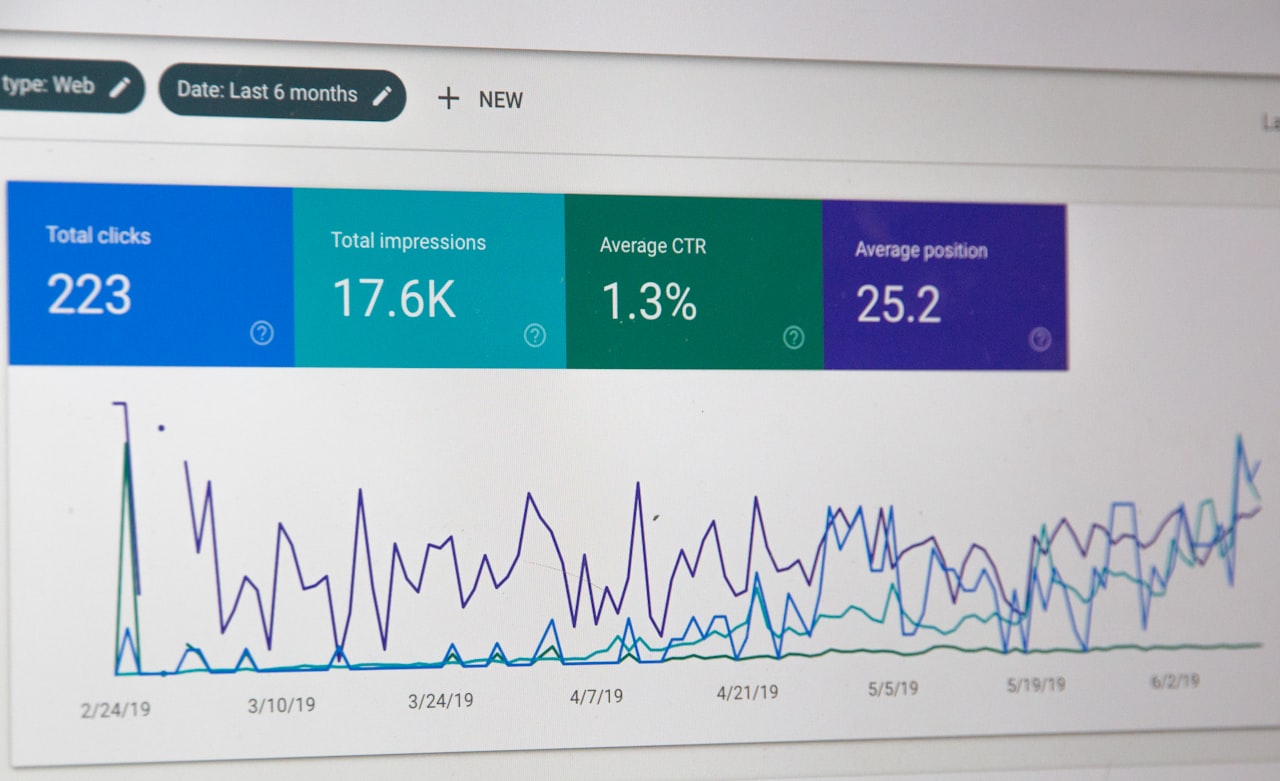
Essential tracking elements include:
- Form submission tracking: Track every contact form submission as a conversion. Use thank-you page tracking or event-based tracking for AJAX forms.
- Phone call tracking: Use Google’s call tracking or a third-party solution to attribute phone calls to specific ads and keywords.
- WhatsApp click tracking: Track clicks on your WhatsApp button as a conversion event. While not every click results in a conversation, it indicates strong intent.
- Offline conversion import: The most valuable data point is which leads became actual projects. Import this data back into Google Ads to optimise towards leads that close, not just leads that enquire.
Weekly optimisation tasks should include:
- Reviewing search term reports and adding irrelevant terms as negative keywords.
- Pausing underperforming ad variations and testing new copy.
- Checking landing page performance — high click-through rates but low conversion rates indicate a landing page problem.
- Adjusting bids based on device, time, and location performance data.
- Monitoring competitor ads for new messaging angles or offers.
Monthly reviews should assess overall cost per lead, lead quality (what percentage became viable projects), and return on ad spend. These metrics, rather than vanity metrics like impressions or click-through rate, determine whether your Google Ads investment is genuinely profitable.
Integration with a CRM system is highly recommended. Tracking a lead from initial click through to project completion allows you to calculate true ROI and make data-driven decisions about where to invest your marketing budget. This level of tracking distinguishes sophisticated renovation businesses from those guessing at marketing effectiveness.
Frequently Asked Questions
How much should a renovation contractor spend on Google Ads in Singapore?
Most renovation contractors in Singapore see meaningful results with a monthly budget of $2,000 to $5,000. Smaller firms focusing on HDB renovations can start at $1,500 to $2,000 and scale up as they identify winning keywords and campaigns. Larger firms targeting condo and landed property segments, where project values are higher, may invest $5,000 to $10,000 monthly. The right budget depends on your average project value, conversion rates, and capacity to handle incoming leads. Starting conservatively and scaling based on performance data is always preferable to overspending before you have optimised your campaigns.
Should I use Google Ads or renovation platforms like Qanvast?
Both channels can work, but they serve different purposes. Renovation platforms provide a steady stream of leads but at a cost per lead that can be high, and you compete directly with multiple contractors for the same homeowner. Google Ads gives you exclusive access to the searcher — when they click your ad, they land on your site, not a comparison page. Many successful contractors use both but find that Google Ads delivers better long-term ROI because you build brand awareness and can retarget visitors. Over time, reducing dependence on aggregator platforms and investing in your own lead generation channels strengthens your business.
What conversion rate should I expect from my renovation landing page?
A well-optimised renovation landing page typically converts between 5 and 12 percent of visitors into enquiries. Pages with strong portfolio imagery, transparent pricing, testimonials, and simple forms tend to perform at the higher end. Pages that are slow to load, lack mobile optimisation, or require lengthy form submissions often fall below 3 percent. If your conversion rate is below 5 percent, focus on improving the landing page experience before increasing your ad budget. Small improvements in conversion rate — from 5 percent to 8 percent, for example — can reduce your effective cost per lead by nearly 40 percent without spending an additional dollar on ads.
How do I handle seasonal fluctuations in renovation demand?
Renovation demand in Singapore follows several patterns. BTO key collection waves create concentrated demand in specific estates. Chinese New Year triggers pre-holiday renovation rushes as homeowners want fresh spaces for the new year. The period after Hungry Ghost Month (seventh lunar month) sees increased activity as some homeowners delay renovation starts during that period. Adjust your budget seasonally — increase spend during high-demand periods when more homeowners are actively searching, and maintain a baseline during quieter months to capture steady demand. Use Google Trends data for Singapore-specific search patterns to plan your budget allocation across the year.
Can I run Google Ads myself or should I hire an agency?
You can run basic campaigns yourself, but the renovation sector’s competitiveness means professional management typically delivers significantly better results. Common mistakes self-managed accounts make include targeting overly broad keywords, neglecting negative keyword lists, sending traffic to the homepage instead of dedicated landing pages, and failing to track conversions properly. These mistakes waste budget rapidly. An experienced agency brings keyword knowledge, conversion tracking expertise, and ongoing optimisation that compounds over time. If your monthly budget exceeds $2,000, the efficiency gains from professional management usually exceed the management fee, making it a net-positive investment.