
Google Ads for Moving Companies: How to Get More Bookings in Singapore (2026)
Why Google Ads Works for Moving Companies
Moving is a high-intent, time-sensitive purchase. When someone searches “movers Singapore” or “house moving service,” they are not researching for fun. They have a move date, they need a company, and they are comparing options right now. This urgency makes moving one of the best industries for Google Ads.
Unlike industries where the buying cycle stretches over weeks or months, moving decisions happen fast. A tenant signs a new lease and needs to move within two to four weeks. A family buys a flat and needs to relocate by the completion date. The window between first search and booking is short, which means your ads need to appear at the right moment.
The moving industry in Singapore is competitive but fragmented. You have established companies with fleets of lorries competing alongside smaller operators and freelance movers. Google Ads levels the playing field. A smaller company with well-targeted ads can capture leads just as effectively as a larger competitor with a bigger brand.
Organic SEO takes months to build. Google Ads delivers visibility immediately. For moving companies that need a steady flow of bookings now, paid search is the fastest path to filling your schedule. Combined with a strong organic presence, Google Ads creates a comprehensive search strategy that captures demand across all touchpoints.
The economics work well too. The average moving job in Singapore ranges from $300 for a small apartment to $2,000 or more for a large house or office relocation. Even with competitive click costs, converting a fraction of your ad traffic into bookings produces a healthy return on investment.
Keyword Strategy for Movers
Your keyword strategy determines which searches trigger your ads and, ultimately, the quality and cost of your leads. Getting this right is the foundation of a profitable campaign.

High-intent commercial keywords should receive the majority of your budget:
- “Moving company Singapore” — broad but high-intent
- “House movers Singapore” — residential-focused
- “Office movers Singapore” — commercial-focused, typically higher value
- “Moving services near me” — location-triggered intent
- “Cheap movers Singapore” — price-sensitive but still transactional
- “Best movers Singapore” — comparison-stage but close to decision
Service-specific keywords capture customers with defined needs:
- “HDB moving service” — targets the largest residential segment
- “Condo moving company” — often requires specific logistics for lift restrictions and loading bays
- “Piano moving Singapore” — speciality service with higher margins
- “International movers Singapore” — high-value relocation services
- “Storage and moving Singapore” — customers needing both services
- “Furniture disposal service Singapore” — complementary service
Negative keywords are critical for controlling costs. Exclude terms that waste budget:
- “Moving company jobs” — job seekers, not customers
- “Mover salary Singapore” — employment searches
- “DIY moving” — people who do not want to hire a company
- “Free moving” — unqualified leads
- “Moving company review” — may be looking for a specific company they already know
Use phrase match and exact match for your highest-value keywords. Broad match can be useful for discovery but burns through budget quickly if not monitored carefully. Start tight, then expand based on search term report data.
Understanding the full landscape of Google Ads costs in Singapore helps you set realistic expectations for what clicks will cost in the moving industry.
Seasonal Demand and Budget Planning
The moving industry in Singapore has predictable demand patterns. Aligning your Google Ads budget with these patterns maximises your return on investment.
Peak moving periods:
- December to February — lease renewals, year-end moves, and Chinese New Year relocations drive the highest demand. Many tenants time their moves to start fresh in the new year.
- June to July — mid-year lease renewals, school holiday moves for families, and BTO flat completions create a second demand peak.
- Month-end periods — regardless of the time of year, the last week of each month sees elevated demand as leases typically end on the last day of the month.
Lower demand periods:
- March to May — after the Chinese New Year rush, demand typically dips. This is a good time to focus on commercial moves and corporate relocations, which follow different timing patterns.
- August to October — a moderate period with steady but not exceptional demand.
Budget strategy. Increase your daily budget by 30 to 50 per cent during peak periods. Competition is fiercer and clicks are more expensive, but conversion rates also tend to be higher because more people are genuinely ready to book. During slower months, maintain a baseline budget but focus on higher-margin services like office relocations and international moves.
Use Google Ads’ automated bid adjustments to increase bids during peak hours. Moving searches spike in the evening hours between 7pm and 10pm, when people are home from work and planning their moves. Weekend mornings also see elevated search volume. Bid higher during these windows and lower during off-peak hours to maximise efficiency.
Plan your campaigns around BTO completion cycles. When large BTO projects reach their completion dates, thousands of new homeowners need moving services simultaneously. Monitor HDB announcements for upcoming completions in specific areas and target those locations with increased ad spend.
Campaign Structure and Targeting
A well-structured Google Ads account ensures your budget reaches the right customers. Here is how to organise your campaigns for maximum effectiveness.
Separate campaigns by service type. Create distinct campaigns for:
- Residential moving (HDB, condo, landed)
- Office and commercial moving
- International relocation
- Speciality services (piano moving, storage, disposal)
Each campaign should have its own budget, bid strategy, and set of ad groups. This separation gives you full control over how much you spend on each service line and allows you to optimise independently.
Ad group structure. Within each campaign, create tightly themed ad groups. Your residential moving campaign might include:
- Ad group: HDB moving — keywords focused on HDB-specific moves
- Ad group: Condo moving — keywords targeting condominium relocations
- Ad group: Landed property moving — keywords for larger residential moves
- Ad group: Emergency/last-minute moves — keywords targeting urgent relocations
Each ad group should contain closely related keywords and ad copy that directly addresses the searcher’s specific need. An ad about HDB moving should mention HDB-specific details, not generic moving copy.
Geographic targeting. Target all of Singapore for most campaigns, but consider location-based bid adjustments. If your depot is in Tuas, moves originating from the western part of Singapore are more efficient than those starting in Changi. Bid higher for areas where you can operate more profitably.
Device targeting. Mobile devices generate a significant portion of moving searches. Ensure your ads and landing pages are fully optimised for mobile. Consider separate bid adjustments for mobile if conversion rates differ from desktop.
Audience targeting. Layer in-market audiences for “moving and relocation” onto your search campaigns. Use observation mode first to see how these audiences perform, then adjust bids based on the data. Remarketing lists of previous website visitors can also be valuable — someone who visited your site but did not book may return when they are ready to commit.
Working with a Google Ads agency can help you build and maintain this structure if you lack the time or expertise to manage it yourself.
Ad Copy That Converts
Moving is a trust-heavy purchase. Customers are handing over their possessions to strangers. Your ad copy must address this trust gap while differentiating you from competitors.

Lead with trust signals. Mention years of experience, number of successful moves, insurance coverage, and any industry accreditations. “15 Years Experience | Fully Insured | 10,000+ Moves Completed” instantly establishes credibility.
Address specific concerns. Moving customers worry about:
- Damage to furniture and belongings
- Hidden charges and unclear pricing
- Reliability and punctuality
- Handling of fragile or valuable items
Your ad copy should address these concerns directly. “No Hidden Fees — Free On-Site Quote” tackles pricing anxiety. “Professional Packing — Damage-Free Guarantee” addresses damage concerns.
Include a clear call to action. Tell the searcher exactly what to do next. “Get a Free Quote in 2 Hours” or “Book Your Move Today — Call Now” are specific and actionable. Avoid vague calls to action like “Learn More.”
Use ad extensions aggressively. Sitelink extensions to your quote request page, pricing page, and service pages increase your ad’s visibility and click-through rate. Callout extensions highlighting “Free Quotation,” “Weekend Availability,” and “Insured Movers” add value without costing extra. Call extensions make it easy for mobile searchers to phone you directly.
Test multiple ad variations. Run at least three responsive search ads per ad group. Test different headlines emphasising price, speed, experience, and trust. Let the data reveal which messages resonate most with your audience.
Consider exploring local service ads as a complementary format. These pay-per-lead ads appear above standard search ads and can be particularly effective for local service businesses like movers.
Landing Pages for Moving Leads
Your landing page is where ad clicks become bookings. A poorly designed landing page wastes every dollar you spent on the click.
Match the landing page to the ad. If your ad promotes HDB moving services, the landing page should be about HDB moving, not your general homepage. This alignment improves Quality Scores (reducing your cost per click) and increases conversion rates because the visitor immediately sees what they were promised.
Make the quote request form simple. Ask only for what you need to provide an initial quote:
- Move-from location (postal code or area)
- Move-to location
- Flat type or property size
- Preferred moving date
- Name and phone number
Every additional field reduces form completion rates. You can gather detailed information during the follow-up call. The landing page’s job is to capture the lead, not to collect every piece of information.
Display trust elements prominently. Include customer reviews, your insurance details, years of experience, and any industry memberships above the fold. A moving company’s credibility must be established within seconds of the page loading.
Show your pricing approach. You do not need to publish exact prices, but indicate your pricing model. “Transparent pricing based on property size — no hidden charges” reassures price-conscious customers. If you offer a free on-site quote, make that a prominent feature.
Mobile-first design. Over 60 per cent of moving searches happen on mobile devices. Your landing page must load in under three seconds on mobile, display correctly on all screen sizes, and have a tap-to-call button prominently placed. Test on multiple devices regularly.
Include a WhatsApp contact option. In Singapore, many customers prefer WhatsApp over phone calls or forms. A WhatsApp button linking to your business account lowers the contact barrier and can significantly increase lead volume.
Lead Tracking and Conversion Measurement
Without proper tracking, you are flying blind. You know you are spending money on Google Ads, but you do not know which keywords, ads, or campaigns are generating actual bookings.
Set up conversion tracking for every lead channel:
- Form submissions — track when a visitor completes your quote request form
- Phone calls — use Google’s call tracking or a third-party solution to attribute calls to specific ads and keywords
- WhatsApp clicks — track clicks on your WhatsApp button as conversions
- Click-to-call from ads — track calls initiated directly from your ad extensions
Assign conversion values. If your average residential move generates $500 in revenue, assign that value to your residential moving conversions. If office moves average $3,000, assign that value to commercial conversions. This allows Google’s automated bidding to optimise for revenue rather than just lead volume.
Track beyond the lead. The real measure of success is not leads but booked moves. Implement a system to track which leads convert to actual bookings. This could be as simple as a spreadsheet where your team logs the source of each booking or as sophisticated as a CRM system that integrates with Google Ads.
Review search term reports weekly. The search term report shows you exactly what people searched before clicking your ad. Look for irrelevant searches consuming budget and add them as negative keywords. Look for high-converting search terms that you can add as explicit keywords with higher bids.
Monitor Quality Scores. Quality Score affects both your ad position and cost per click. Improve low Quality Scores by tightening the alignment between keywords, ad copy, and landing pages. A Quality Score improvement from 5 to 8 can reduce your cost per click by 30 per cent or more.
Attribution modelling. Moving customers often search multiple times before booking. They might click your ad on Monday, visit your website again on Wednesday, and call on Friday. Understand which attribution model your account uses and consider whether it accurately reflects your customer journey. Data-driven attribution, when available, typically provides the most accurate picture.
Budgeting and Bid Management
Managing your budget effectively is the difference between a profitable campaign and one that haemorrhages money.
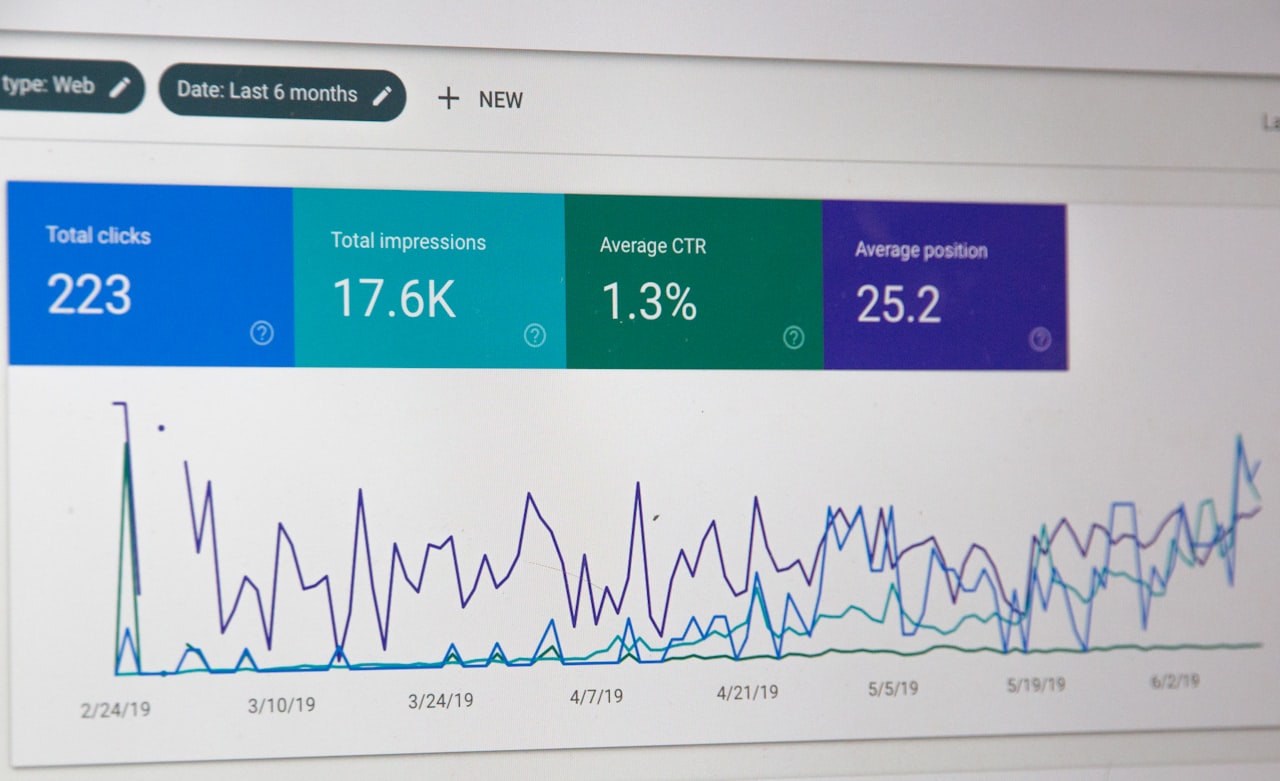
Start with a test budget. If you are new to Google Ads, begin with $30 to $50 per day for your first month. This generates enough data to evaluate performance without excessive risk. After the first month, scale up what works and cut what does not.
Bidding strategies. For new campaigns, start with manual CPC or maximise clicks to gather data. Once you have at least 30 conversions per month, switch to target CPA or maximise conversions. These automated strategies use Google’s machine learning to optimise bids, but they need sufficient conversion data to work effectively.
Budget allocation by campaign. Allocate budget based on profitability, not just lead volume. If your office moving campaign generates fewer leads but each lead is worth five times more than a residential lead, it may deserve a proportionally larger budget.
Day and hour bid adjustments. Analyse your conversion data by time of day and day of week. If your best conversions happen between 6pm and 9pm on weekdays, increase bids during those hours. If weekend mornings perform well, bid up. Reduce bids during hours that generate clicks but no conversions.
Geographic bid adjustments. If you find that enquiries from certain parts of Singapore convert at higher rates or produce higher-value jobs, increase bids for those areas. Conversely, reduce bids for areas where conversion rates are poor or where logistics make jobs less profitable.
Competitive monitoring. Use auction insights to monitor your share of voice relative to competitors. If a competitor consistently outranks you for your most profitable keywords, you may need to increase bids or improve ad quality to compete. However, do not chase top position at any cost — profitability matters more than position. For more on effective strategies, check our marketing guide for moving companies.
Frequently Asked Questions
How much should a moving company spend on Google Ads in Singapore?
Most moving companies in Singapore should start with $1,000 to $2,000 per month for a meaningful test. Established companies aiming for aggressive growth typically spend $3,000 to $8,000 monthly. The right budget depends on your capacity — there is no point generating more leads than you can handle. Scale your budget in line with your operational capacity and track return on investment to ensure profitability at every spend level.
What is the average cost per click for moving keywords in Singapore?
Moving keywords in Singapore typically cost between $2 and $6 per click for general terms and $4 to $10 for highly competitive terms like “best movers Singapore” or “office movers Singapore.” Speciality keywords like “piano moving” tend to be less competitive and cheaper. Your actual cost per click depends on your Quality Score, competition, and bid strategy. Higher Quality Scores reduce your cost per click even in competitive markets.
Should moving companies use Google Ads or SEO?
Use both. Google Ads delivers immediate visibility and is ideal during peak seasons when you need to fill capacity quickly. SEO provides long-term, sustainable visibility at a lower cost per lead once rankings are established. Start with Google Ads if you need leads now, and invest in SEO simultaneously for long-term growth. The most successful moving companies in Singapore maintain a presence in both paid and organic search results.
How do I track which Google Ads leads become actual bookings?
Implement a simple lead tracking process. Assign a unique identifier to each lead from Google Ads (most CRM systems do this automatically). When your sales team follows up and confirms a booking, log the booking against the original lead source. Over time, this data reveals which campaigns, keywords, and ads produce the highest-quality leads — not just the most volume. This insight allows you to optimise your spend towards the keywords that generate actual revenue.
Are local service ads better than search ads for movers?
Local service ads and search ads serve different purposes and work best together. Local service ads appear at the very top of search results and charge per lead rather than per click, which can reduce risk. However, they offer less control over targeting and ad copy. Search ads provide more granular control over keywords, audiences, and messaging. Many successful moving companies run both formats simultaneously, using local service ads for top-of-page visibility and search ads for targeted keyword coverage.