
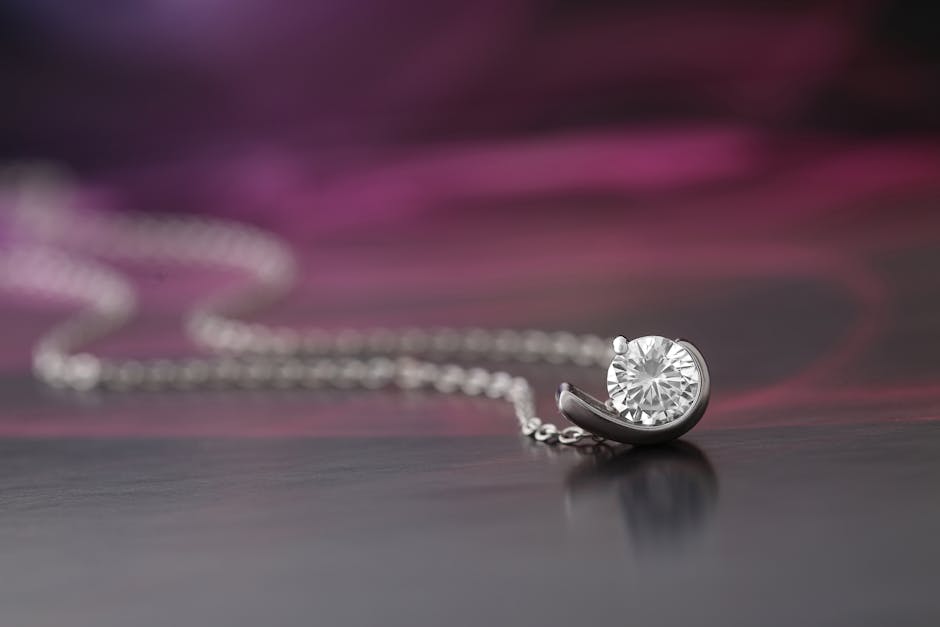
Google Ads for Jewellery: Drive Luxury Sales and Showroom Visits in Singapore
Why Jewellery Brands Need Google Ads
Jewellery sits at the intersection of luxury, emotion, and considered purchasing. Buyers do not impulse-buy a $3,000 engagement ring or a $5,000 jade bangle. They research, compare, and deliberate — often for weeks or months. Google Ads captures that research behaviour at the moment a buyer is actively looking.
In Singapore, the jewellery market is shaped by cultural occasions — Chinese New Year, weddings, Deepavali, and milestone birthdays — that create predictable demand spikes. Between these peaks, there is a steady baseline of buyers shopping for everyday jewellery, gifts, and investment pieces. A well-structured Google Ads strategy captures both the peaks and the baseline.
The competitive landscape includes established names like Poh Heng, SK Jewellery, and Lee Hwa alongside independent designers, bespoke jewellers, and online-only brands. Each occupies a different price and positioning tier. Google Ads lets you compete within your specific tier by targeting the keywords and audiences most relevant to your brand — you do not need to outbid the national chains on every broad term.
The high average order value of jewellery — typically $200 to $20,000 or more — means that even modest conversion rates can deliver strong returns. A single sale can justify days or weeks of ad spend, making jewellery one of the more forgiving verticals for Google Ads when campaigns are properly structured.
Google Shopping Campaigns for Jewellery
Jewellery is inherently visual. Buyers want to see the piece before clicking. Google Shopping campaigns display product images, prices, and brand names directly in search results — making them the ideal format for jewellery advertising.
Product feed optimisation for jewellery is critical. Your feed quality directly determines which searches your products appear for and how they perform:
- Product titles: Include metal type, gemstone, style, and use case. “18K White Gold Diamond Solitaire Engagement Ring — 0.5ct” outperforms “Diamond Ring SR-501.” Descriptive titles match more search queries and generate higher click-through rates.
- Images: Use multiple high-resolution images — product on white background, product worn on a model, and close-up detail shots. Lifestyle images showing the jewellery being worn in elegant settings drive higher engagement. Ensure images meet Google’s minimum resolution requirements and avoid watermarks.
- Descriptions: Write detailed descriptions covering materials, dimensions, gemstone specifications (cut, colour, clarity, carat), and care instructions. Rich descriptions help Google match your products to relevant searches.
- Pricing: Accurate, current pricing is essential. If you run promotions, use the sale_price attribute to show crossed-out original prices in Shopping ads — this visual cue drives click-through.
- Product type and Google category: Use granular categorisation. “Apparel & Accessories > Jewellery > Rings > Engagement Rings” performs better than a generic “Jewellery” category.
- Custom labels: Segment products by margin tier, collection, occasion (bridal, everyday, gift), and price range. This lets you set different bids for different product groups based on business priorities.
Structure your Shopping campaigns by product category. Engagement rings, wedding bands, necklaces, earrings, and bracelets each deserve separate product groups or campaigns for visibility and budget control.
Performance Max campaigns combine Shopping placements with Display, YouTube, and Discovery. For jewellery brands with strong visual assets, Performance Max can extend reach into visual channels where jewellery naturally performs well. Monitor asset group performance closely. Understanding your Google Ads costs in the Singapore market helps set realistic expectations — Shopping ads typically deliver lower cost-per-click than text ads because the visual format pre-qualifies clicks.
Search Campaigns for Jewellery Keywords
Search campaigns capture queries that Shopping ads miss — brand comparisons, educational searches, and service-specific queries like custom design and repair.
Keyword strategy for jewellery search campaigns:
- Product keywords: “gold bracelet Singapore,” “jade pendant,” “pearl earrings,” “diamond tennis bracelet” — direct product searches with purchase intent.
- Occasion keywords: “engagement ring Singapore,” “wedding band couple set,” “anniversary gift jewellery,” “birthday necklace” — occasion-driven searches that indicate a specific purchase motivation.
- Material and specification keywords: “18k gold jewellery Singapore,” “lab grown diamond,” “platinum ring,” “GIA certified diamond” — searches from informed buyers who know exactly what they want.
- Service keywords: “custom jewellery Singapore,” “bespoke engagement ring,” “jewellery engraving,” “ring resizing” — searches for services that drive showroom appointments.
- Brand and competitor keywords: Bidding on competitor brand names is a strategic decision. It can capture comparison shoppers but often has higher cost-per-click and lower conversion rates.
Use ad extensions to address key buying concerns — sitelinks to specific collections (Bridal, Everyday, Gifts), callouts like “Free Engraving” and “Lifetime Warranty,” and price extensions showing starting prices for key categories.
Negative keywords for jewellery campaigns should include “cheap,” “free,” “costume,” “fake,” “DIY,” “pawn,” “sell,” and “second hand” to filter out irrelevant traffic.
Separate campaigns by intent level. Someone searching “engagement ring Singapore” should land on a product page with a clear path to purchase. Someone searching “how to choose a diamond” should reach a guide page that builds trust and captures email addresses.
Seasonal and Occasion-Based Campaigns
Jewellery sales in Singapore follow a distinct seasonal pattern driven by cultural occasions and gifting periods. Your Google Ads strategy should anticipate these peaks and scale budget accordingly.
Chinese New Year (January to February): Gold jewellery, jade pieces, and auspicious designs see significant demand spikes. Start campaigns four to six weeks before CNY. Target “CNY gold jewellery,” “Chinese New Year jade,” “auspicious jewellery,” and “gold gift CNY.” Highlight 916 gold, auspicious motifs, and any special CNY collections.
Valentine’s Day (February): Diamond jewellery, couples’ rings, and personalised pieces. Campaigns should start in mid-January. Target “Valentine’s Day gift for her Singapore,” “diamond necklace gift,” “couples ring set.” Emphasise gift wrapping, engraving, and delivery by 14 February.
Wedding season (year-round but peaks March to June, September to November): Engagement rings, wedding bands, and bridal sets represent the highest-value jewellery purchases. Target “engagement ring Singapore,” “wedding band couple,” “bridal jewellery set.” These campaigns should run continuously with budget increases during peak wedding months.
Mother’s Day and Father’s Day (May and June): Gift-oriented searches. Create gift guide landing pages that simplify selection for uncertain buyers.
Deepavali (October to November): Gold jewellery is traditionally significant. Target “Deepavali gold jewellery” and “gold bangles Singapore.” Reference the occasion respectfully in ad copy.
Year-end gifting (November to December): Christmas gifts, 11.11 and 12.12 shopping events drive purchases. Target “Christmas jewellery gift Singapore” and promotional terms around shopping events.
Build a campaign calendar mapping these occasions throughout the year, preparing ad copy, landing pages, and budget allocations at least four weeks in advance. Between peaks, maintain always-on campaigns for bridal jewellery and custom design services. The nuances of luxury product advertising are explored in our luxury marketing guide.
Remarketing for High-Value Purchases
Jewellery has one of the longest consideration cycles in retail. A buyer might research engagement rings for three months before purchasing. Remarketing keeps your brand visible throughout that entire journey and brings visitors back when they are ready to buy.
Remarketing audience segments for jewellery:
- Product page viewers: Visited a specific product or category page. Show them the items they viewed alongside similar alternatives. Dynamic remarketing pulls images directly from your product feed.
- High-engagement visitors: Spent more than three minutes on your site or viewed five or more pages. These visitors are seriously considering your brand — they deserve dedicated remarketing with premium creative.
- Cart and wishlist abandoners: Added items to cart or wishlist but did not purchase. This is your highest-intent audience. Consider offering an incentive — complimentary engraving, gift packaging, or a limited-time discount — to close the sale.
- Past customers: Cross-sell and upsell to existing customers. Someone who bought an engagement ring will need wedding bands. Someone who bought a necklace for a gift might return for earrings. Segment by purchase history and show relevant complementary products.
- Custom design enquirers: Visitors who viewed your custom design page or started a consultation form. Follow up with display ads showcasing your bespoke work and client testimonials.
Remarketing creative for jewellery must reflect your brand’s positioning — clean layouts, elegant typography, and professional product photography. Set frequency caps of three to five impressions per user per week to avoid ad fatigue.
YouTube remarketing works well for jewellery brands with video content. Short videos showing pieces being worn or a time-lapse of custom craftsmanship resonate with buyers in the consideration phase.
Exclude recent purchasers from remarketing for 30 to 60 days, then move them to a cross-sell audience for complementary items.
Budget, Bidding, and ROAS Targets
Jewellery’s high average order value means you can afford relatively high cost-per-click and still achieve profitable returns. However, the luxury positioning of most jewellery brands means that wasteful spend on irrelevant clicks is particularly costly.
Budget allocation for a jewellery brand:
- Shopping and Performance Max: 40 to 50 per cent of total budget. Product-listing ads are your primary revenue driver for online sales.
- Search campaigns: 20 to 30 per cent. Focus on high-intent product, occasion, and service keywords.
- Remarketing: 15 to 25 per cent. Essential for the long consideration cycle of luxury purchases.
- Seasonal campaigns: Allocate an additional 20 to 30 per cent above baseline during peak occasions (CNY, Valentine’s Day, wedding season).
For a mid-sized jewellery brand in Singapore, monthly budgets typically range from $3,000 to $10,000. Independent designers might start with $1,500 to $3,000 to test and refine their approach.
Bidding strategy selection:
- Target ROAS: The ideal bidding strategy for jewellery once you have 30 or more conversions per month. Set your target based on margins — a ROAS of 400 to 600 per cent is realistic for jewellery brands with 40 to 60 per cent gross margins.
- Maximise Conversion Value: Use this when you have conversion tracking in place but insufficient volume for Target ROAS. The algorithm will optimise for revenue rather than conversion count.
- Manual CPC: Consider this for specific campaigns where you want precise control — new product launches, competitor conquesting, or niche keyword groups with limited volume.
Track both online and offline conversions. If a significant portion of your sales are showroom-based, track proxy conversions — appointment bookings, phone calls, and WhatsApp enquiries — and assign estimated values to these actions. Review performance by product category and price tier monthly.
Measuring Jewellery Ad Performance
Accurate performance measurement separates profitable jewellery advertisers from those who waste budget. The challenge is that jewellery purchases often involve multiple touchpoints across devices and channels before a final conversion.
Essential conversion actions to track:
- Online purchases: Standard ecommerce tracking with transaction value. This is the most straightforward conversion to measure.
- Appointment bookings: Track form submissions and online booking completions for showroom consultations. Assign an estimated value based on your average appointment-to-sale conversion rate.
- Phone calls: Use call tracking to attribute phone enquiries to specific campaigns and keywords. Jewellery buyers frequently call before purchasing — especially for high-value items and custom orders.
- WhatsApp clicks: Track clicks on your WhatsApp button as a conversion action. While not every click becomes a sale, the data helps you understand which campaigns generate direct enquiries.
- Custom design form submissions: Track enquiries for bespoke jewellery services separately from standard product purchases. These typically have higher average order values.
- Store visit conversions: If eligible, enable Google’s store visit tracking to estimate how many ad clickers visit your physical locations.
Use Google Analytics alongside Google Ads reporting to understand the full customer journey. Look at assisted conversions — jewellery often shows high assisted conversion values because buyers research extensively before purchasing.
Use data-driven attribution or position-based attribution rather than last-click, which understates the value of initial Shopping ad clicks. Build a dashboard tracking spend, revenue, ROAS, and conversion rate by campaign type weekly.
If your brand operates both online and physical retail, connect your point-of-sale data with your marketing data and ask showroom visitors how they found you. For jewellery brands exploring broader strategies, our jewellery marketing guide covers additional channels and approaches.
Frequently Asked Questions
How much should a jewellery brand spend on Google Ads in Singapore?
Most jewellery brands start with $3,000 to $5,000 per month and scale based on performance. The right budget depends on your product range, price points, and whether you sell primarily online or through showrooms. Because jewellery has high average order values, even a few conversions per month can justify the spend. Allocate additional budget — 20 to 30 per cent above baseline — during peak occasions like Chinese New Year, Valentine’s Day, and wedding season.
Are Google Shopping ads effective for luxury jewellery?
Yes, particularly when your product feed is well optimised with professional photography and detailed titles. Shopping ads work for luxury jewellery because buyers want to see the piece and its price before clicking. The visual format pre-qualifies clicks — someone who sees a $5,000 ring and clicks is a more qualified lead than someone who clicks a text ad and discovers the price later. Ensure your product images reflect the luxury positioning of your brand.
How do I target wedding-related jewellery searches?
Create dedicated campaigns targeting keywords like “engagement ring Singapore,” “wedding band Singapore,” “bridal jewellery set,” and “proposal ring.” Run these campaigns year-round since engagements and weddings happen continuously, with budget increases during peak wedding planning months (January to March for June to September weddings). Create specific landing pages for bridal collections with content that addresses common questions — ring sizing, design options, customisation, and timeline.
Should jewellery brands run Google Ads during off-peak periods?
Yes. Maintaining always-on campaigns during quieter periods captures consistent baseline demand — birthday gifts, anniversary purchases, self-purchases, and buyers who research outside of peak seasons. Reduce budget during off-peak periods rather than pausing entirely. Pausing forces Google’s algorithms to relearn when you restart, which wastes budget during the ramp-up phase. Remarketing should run continuously regardless of season.
How do I handle the long consideration cycle for jewellery in Google Ads?
Use remarketing extensively. Create audience segments based on product category views, engagement depth, and cart abandonment. Show relevant products to visitors over a 60 to 90-day window — longer than typical retail remarketing windows — because jewellery buyers research for weeks or months before purchasing. Combine remarketing with email nurturing for visitors who sign up for your mailing list. The goal is staying visible and top of mind throughout the entire decision-making process without being intrusive.


