
Why Hotels Need Google Ads
Hotels in Singapore operate in one of the most competitive digital advertising environments in hospitality. When a traveller searches for “hotel in Marina Bay” or “boutique hotel Singapore,” the search results page is dominated by online travel agencies (OTAs) like Booking.com, Agoda, and Expedia. These platforms spend enormous budgets on Google Ads to capture booking intent.
Every booking that comes through an OTA costs the hotel a commission — typically 15 to 25 per cent of the room rate. For a Singapore hotel with an average daily rate of S$250, that is S$37.50 to S$62.50 per night surrendered to the OTA. Over a year, the commission bill for a 200-room hotel running at 80 per cent occupancy can exceed S$2 million.
Google Ads gives hotels the tools to compete directly with OTAs in search results, capture booking intent at the moment it forms, and drive guests to book on the hotel’s own website. The cost per direct booking through Google Ads is almost always lower than OTA commissions, making it one of the highest-ROI channels available to hoteliers.
This is not about replacing OTAs entirely — they provide valuable distribution and visibility, especially for leisure travellers who prefer comparison shopping. It is about shifting the booking mix so that direct bookings represent a larger share of revenue, reducing dependency on any single distribution channel.
Our Google Ads services help hotels in Singapore build and manage campaigns that deliver measurable increases in direct bookings.
Google Hotel Ads Explained
Google Hotel Ads is a specialised ad format designed for the hospitality industry. When a user searches for a specific hotel or browses hotels in a destination, Google displays a booking module that shows real-time rates and availability from multiple sources — including the hotel’s own website.

How Google Hotel Ads Work
Unlike standard search ads that use keywords and ad copy, Google Hotel Ads pull data from a rate feed that your hotel provides (usually through a connectivity partner or channel manager). The ad displays:
- Your hotel’s nightly rate for the searched dates
- The booking source (your hotel website, OTAs)
- A direct link to complete the booking
When a traveller clicks on your hotel’s rate in the booking module, they land on your booking engine to complete the reservation. You pay Google on a cost-per-click or commission basis.
Setting Up Google Hotel Ads
Running Google Hotel Ads requires several components:
- Google Business Profile: Your hotel must have a verified, complete Google Business Profile with accurate name, address, photos, and amenities.
- Hotel Centre account: This is where you manage your rate feeds and landing pages.
- Rate feed integration: Your rates and availability must flow to Google in real time via a certified connectivity partner. Most major property management systems and channel managers support this.
- Google Ads account: Hotel Ads campaigns are managed through the same Google Ads interface as other campaign types.
Bidding Models for Hotel Ads
Google Hotel Ads offers several bidding options:
- CPC (cost per click): You pay when a traveller clicks on your rate. You set a maximum bid, and Google determines placement based on your bid relative to competitors.
- CPC percentage: Your bid is expressed as a percentage of the room rate. This scales automatically — you bid more for higher-priced rooms and less for budget rooms.
- Commission (per stay): You pay a percentage of the booking value only when the guest actually stays. This eliminates risk from cancellations and no-shows.
- Commission (per conversion): You pay when a booking is confirmed, regardless of whether the guest completes the stay.
For Singapore hotels, commission-based bidding often makes sense initially because it aligns costs directly with revenue. As you gather data and optimise, switching to CPC bidding can lower costs further.
Rate Parity and Direct Booking Incentives
For your direct rate to be competitive in Google Hotel Ads, your website’s price must match or beat OTA rates. If OTAs consistently show lower prices, travellers will bypass your listing.
Singapore hotels can offer direct booking incentives without violating most OTA rate parity agreements: complimentary breakfast, room upgrades, loyalty points, flexible cancellation policies, or exclusive packages. Display these benefits prominently on your booking page to justify booking direct even when the room rate appears similar.
Search Campaigns for Hotels
Beyond Hotel Ads, standard search campaigns remain essential for capturing booking intent across a range of queries.
Brand Campaigns
Bidding on your own hotel name is non-negotiable. OTAs bid aggressively on hotel brand names to intercept travellers who already intend to book with you. If a guest searches “Marina Bay Sands booking” and sees an Agoda ad before your own website, you risk losing a direct booking to a commission-heavy OTA channel.
Brand campaigns typically deliver very low cost-per-click (often under S$1) and extremely high conversion rates because the searcher already knows your property. The return on ad spend frequently exceeds 20:1.
Non-Brand Campaigns
Non-brand campaigns target generic hotel searches — “luxury hotel Singapore,” “hotel near Orchard Road,” “family hotel Sentosa.” These are more expensive and competitive, but they reach travellers earlier in the decision-making process.
Structure non-brand campaigns by:
- Location: Neighbourhood-specific terms (“hotel Bugis,” “hotel Clarke Quay”)
- Hotel type: Category terms (“boutique hotel Singapore,” “5-star hotel Singapore”)
- Purpose: Intent-based terms (“staycation Singapore,” “business hotel CBD Singapore”)
- Amenity: Feature-based terms (“hotel with pool Singapore,” “pet-friendly hotel Singapore”)
Use negative keywords aggressively to filter out irrelevant searches. Terms like “hotel jobs Singapore,” “hotel buffet,” or “hotel quarantine” waste budget on non-booking intent.
Competitor Campaigns
Bidding on competitor hotel names is a common but contentious tactic. It can capture travellers considering alternatives to your property. However, competitor campaigns typically have higher CPCs, lower quality scores, and modest conversion rates.
In Singapore’s concentrated hotel market, competitor campaigns work best for properties with a clear differentiator — a newly renovated hotel bidding on older competitors, or a boutique hotel targeting travellers searching for nearby chain properties. Want to understand broader cost dynamics? Our Google Ads cost guide for Singapore breaks down typical CPCs across industries.
Ad Copy for Hotel Campaigns
Effective hotel ad copy should include:
- A clear value proposition (lowest price guarantee, exclusive direct booking perks)
- Specific amenities or features that differentiate your property
- Location context (“Steps from Orchard Road,” “Marina Bay Waterfront”)
- A strong call to action (“Book Direct and Save,” “Check Availability”)
- Ad extensions: sitelinks to room types, callouts for amenities, structured snippets for hotel features
Display Advertising and Remarketing
Not every traveller books on their first visit. Research shows that hotel booking decisions involve multiple sessions over days or weeks. Display advertising and remarketing keep your property visible throughout this consideration period.

Remarketing for Hotels
Remarketing targets users who have already visited your website but did not complete a booking. These are high-value prospects — they showed genuine interest in your property. Remarketing ads follow them across the Google Display Network, reminding them to return and book.
Effective hotel remarketing segments include:
- Booking abandoners: Users who reached the booking engine but did not complete the reservation. These receive the most aggressive remarketing with dynamic rate ads showing the room they viewed.
- Room page viewers: Users who browsed specific room types but did not start the booking process. Ads highlight those room types with availability and pricing.
- General visitors: Users who visited informational pages but did not engage with the booking engine. Ads focus on property highlights and seasonal offers.
Dynamic Remarketing
Dynamic remarketing automatically generates ads featuring the specific room types, dates, and prices that each user previously viewed. This personalisation significantly outperforms generic display ads. Google’s hotel-specific dynamic remarketing templates make this relatively straightforward to implement.
Prospecting Display Campaigns
Beyond remarketing, display campaigns can target new audiences based on travel intent signals. Google’s in-market audiences for travel include segments like “Hotels in Singapore” and “Southeast Asia Travel.” Custom intent audiences built from competitor URLs and travel-related search terms can further refine targeting.
For Singapore hotels targeting specific source markets — business travellers from Hong Kong, leisure travellers from Australia, MICE delegates — geographic and language targeting combined with travel intent signals creates effective prospecting campaigns. Our hotel marketing agency team specialises in building these multi-layered targeting strategies.
Performance Max for Hotels
Performance Max campaigns use Google’s machine learning to deliver ads across all Google properties — Search, Display, YouTube, Gmail, Maps, and Discover — from a single campaign. For hotels, this consolidation can simplify management and expand reach.
How Performance Max Works for Hotels
You provide creative assets (headlines, descriptions, images, videos), audience signals (remarketing lists, customer data, interest categories), and a conversion goal (bookings). Google’s algorithm determines where and when to show ads for maximum conversion value.
When to Use Performance Max
Performance Max works best when:
- You have sufficient conversion data (at least 30 conversions per month) for the algorithm to optimise effectively
- You want to reach audiences across multiple Google surfaces without managing separate campaigns for each
- Your booking engine supports accurate conversion tracking with revenue values
Limitations for Hotels
Performance Max offers less control and transparency than standard campaigns. You cannot see which search terms trigger your ads, which placements your display ads appear on, or how budget is distributed across channels. For hotels that need granular control over brand bidding, location targeting, or competitor strategies, maintaining separate search campaigns alongside Performance Max is advisable.
Learn more about our approach to Google Ads management in Singapore.
Bidding and Budget Strategy
Hotel advertising budgets must account for extreme seasonality, varying margins across room types and booking windows, and competition that fluctuates with events and holidays.
Seasonal Budget Allocation
Singapore’s hotel demand peaks during major events (Formula 1 Grand Prix, Singapore FinTech Festival, year-end holiday season) and troughs during traditionally quieter periods. Your Google Ads budget should mirror these patterns — increase spending when demand and rates are high, reduce during low seasons when direct booking campaigns compete with heavily discounted OTA rates.
Create a budget calendar aligned with your revenue management strategy. If your hotel raises rates during peak periods, the higher booking values justify increased ad spend while maintaining or improving ROAS.
Bidding by Booking Window
A guest booking six months in advance has different value than one booking for tonight. Last-minute bookers often pay higher rates but also have higher cancellation risk. Adjust bids based on the length of stay and advance booking window to prioritise the most profitable segments.
Device-Level Bid Adjustments
Mobile devices now account for a significant share of hotel research, but desktop often converts at higher rates for actual bookings — especially for longer stays and higher-value reservations. Analyse your booking data by device and adjust bids accordingly. Many Singapore hotels find that mobile drives awareness and research while desktop closes the booking.
Geographic Bid Adjustments
Not all source markets are equally valuable. A guest from a high-yield market who typically books longer stays and spends more on-property justifies higher bids than a transient guest from a price-sensitive market. Use geographic bid adjustments to prioritise your most profitable source markets.
Budget Allocation Across Campaign Types
A practical budget split for Singapore hotels starting with Google Ads:
- Brand campaigns: 20 to 30 per cent of budget (low cost, high ROAS, essential protection)
- Google Hotel Ads: 30 to 40 per cent of budget (direct rate competition with OTAs)
- Non-brand search: 20 to 30 per cent of budget (demand capture from generic searches)
- Remarketing: 10 to 15 per cent of budget (high conversion, lower volume)
Adjust these proportions based on performance data. If Hotel Ads deliver superior ROAS, shift budget from non-brand search. If remarketing converts at twice the rate of prospecting, increase its allocation.
Measuring Hotel Ad Performance
Hotel advertising measurement requires metrics beyond standard e-commerce tracking. The goal is not just bookings — it is profitable bookings that outperform OTA distribution costs.
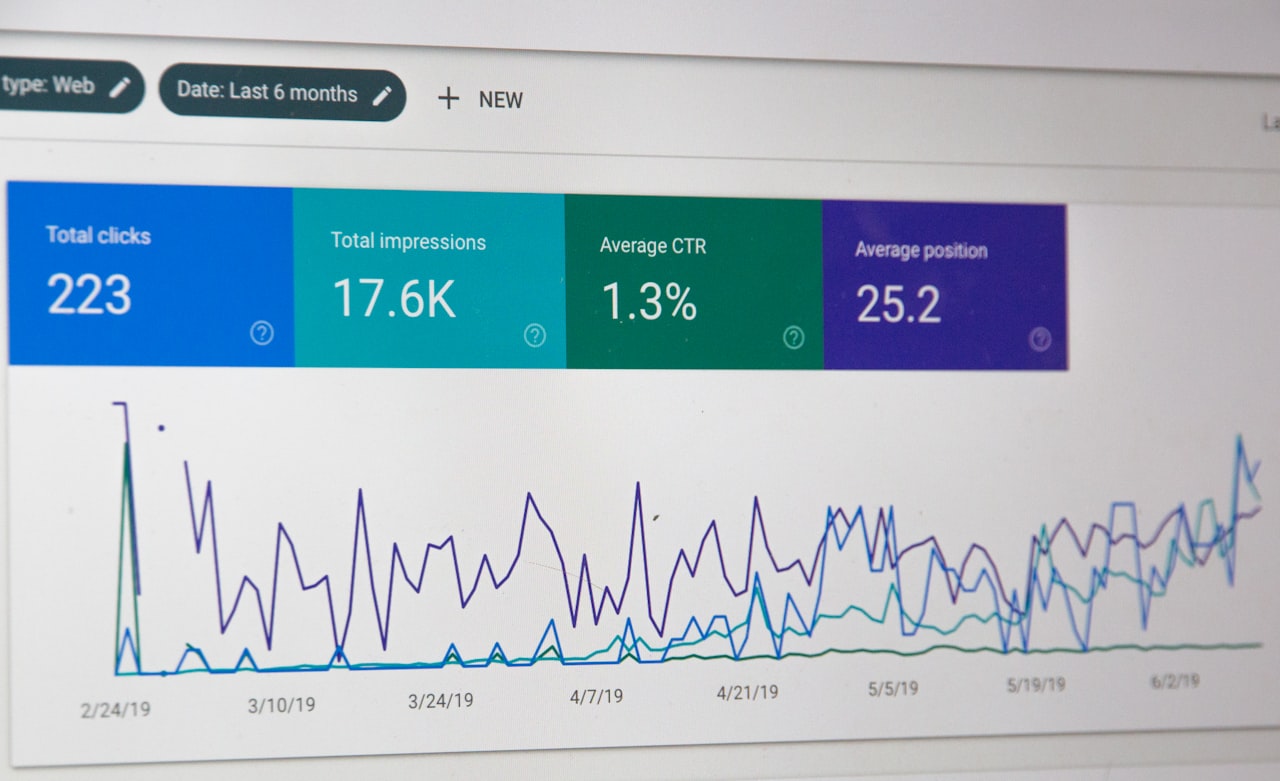
Key Metrics for Hotel Google Ads
- Cost per acquisition (CPA): Total ad spend divided by confirmed bookings. Compare this directly to your average OTA commission per booking.
- Return on ad spend (ROAS): Revenue generated divided by ad spend. A ROAS of 10:1 means every S$1 in ad spend produces S$10 in booking revenue.
- Direct booking share: The percentage of total bookings that come through your website versus OTAs. Track this monthly to measure progress.
- Revenue per available room (RevPAR) contribution: How Google Ads campaigns contribute to overall RevPAR growth.
- Impression share: The percentage of times your ads appear when eligible. Low impression share on brand terms means competitors or OTAs are capturing your branded traffic.
Attribution Challenges
Hotel booking journeys are rarely linear. A guest might see a Google Display ad, search for your hotel name a week later, visit your website, then book through a different device. Standard last-click attribution undervalues upper-funnel campaigns.
Use Google Ads’ data-driven attribution model where possible, and supplement with your property management system data to reconcile actual stays against reported conversions.
Competitive Benchmarking
Google’s auction insights report shows how your ads perform relative to competitors. Monitor impression share trends, overlap rates with OTAs and competitor hotels, and position metrics. If OTAs consistently outrank you on your own brand terms, increase brand campaign bids. Explore broader hospitality marketing strategies for Singapore to complement your paid search efforts.
Frequently Asked Questions
How much should a Singapore hotel spend on Google Ads per month?
Budget depends on property size, competitive landscape, and revenue goals. A boutique hotel with 50 rooms might start with S$3,000 to S$5,000 per month, while a large hotel with 300-plus rooms in a competitive location could invest S$15,000 to S$30,000 or more. The benchmark is cost per acquisition — if your Google Ads CPA is lower than your average OTA commission, increasing budget is almost always profitable.
Can small independent hotels compete with OTAs on Google Ads?
Yes, particularly on brand terms and niche searches. OTAs cannot match the specificity of an independent hotel’s value proposition. A boutique hotel in Kampong Glam can target “boutique hotel Kampong Glam” with highly specific ad copy and a landing page that no OTA can replicate. The key is choosing battles wisely — compete where your direct offering is genuinely superior, not on broad generic terms where OTAs will outspend you.
Should hotels use Google Hotel Ads or standard search campaigns?
Both, ideally. Google Hotel Ads compete directly in the rate comparison module where travellers compare prices across booking sources. Standard search campaigns capture broader queries and provide more control over messaging. Brand search campaigns protect against OTA hijacking. The strongest hotel advertising programmes layer all three campaign types and allocate budget based on performance data.
How do hotels track direct bookings from Google Ads accurately?
Implement conversion tracking through your booking engine. Most modern hotel booking engines (such as SynXis, Booking Engine by SiteMinder, or Cloudbeds) support Google Ads conversion tracking with revenue values. Set up the tracking pixel to fire on the booking confirmation page and pass the booking value. For Google Hotel Ads, the Hotel Centre provides additional reporting on booking metrics. Reconcile Google Ads data with your PMS records monthly to ensure accuracy.
What is a good ROAS for hotel Google Ads campaigns?
A good ROAS varies by campaign type. Brand campaigns often achieve 15:1 to 30:1 ROAS because the traffic is highly qualified. Google Hotel Ads typically deliver 8:1 to 15:1. Non-brand search campaigns range from 4:1 to 8:1 depending on competition and targeting precision. The overarching benchmark is whether your Google Ads cost per booking is lower than your OTA commission cost — if it is, the campaign is generating value regardless of the exact ROAS figure.