Why Google Ads Works for Events
Events have a fundamental marketing challenge — a fixed date and a finite number of seats. Unlike an e-commerce store that can sell products indefinitely, event organisers face a hard deadline. Every unsold ticket on event day is revenue permanently lost. This urgency makes Google Ads events campaigns one of the most effective channels for filling venues.
Google Ads captures demand at the moment of intent. When someone searches “music festival Singapore March 2026” or “tech conference Singapore,” they are actively looking for something to attend. Showing your event at that exact moment is far more effective than hoping they see your social media post.
In Singapore’s event landscape — spanning trade shows at Marina Bay Sands, concerts at the National Stadium, and food festivals across the island — competition for attention is fierce. Google Ads gives you a direct line to interested searchers.
The platform also offers unmatched measurability. You can track every dollar from ad click to ticket purchase. For a broader view of how Google Ads fits into event promotion, visit our Google Ads services page.
Campaign Structure and Types
A well-structured Google Ads account for event promotion typically uses multiple campaign types working in concert. Each serves a different purpose in the ticket-selling journey.
Search campaigns are your primary driver for capturing active demand. Create campaigns around these keyword categories:
- Event-specific keywords: your event name, headliner names, or brand terms
- Category keywords: “food festival Singapore,” “tech summit 2026,” “live music events this weekend”
- Competitor keywords: similar events or alternative options searchers might consider
- Venue keywords: “events at Suntec,” “Marina Bay Sands concerts”
Display campaigns build awareness and support remarketing. Use visually compelling banner ads to reach potential attendees as they browse websites. Display works best for larger events that benefit from broad awareness — festivals, expos, and major conferences.
YouTube ads are powerful for events with strong visual appeal. A 15-second pre-roll ad showing highlights from last year’s event can generate significant interest. YouTube is particularly effective for music events, food festivals, and experiential events where the atmosphere sells itself.
Performance Max campaigns can supplement your search and display efforts by reaching audiences across Google’s entire network. For events with larger budgets, Performance Max can find ticket buyers in places you might not have targeted manually. Our event marketing agency team often uses this campaign type for large-scale event promotions.
Demand Gen campaigns leverage Google’s AI to find new audiences likely to attend your event across YouTube, Gmail, and Discover. These work well for building initial awareness.
Timing Your Campaigns Right
Campaign timing can make or break your event’s ticket sales. Launch too early and you burn budget before interest peaks. Launch too late and you miss the window when people make plans.
Phase 1: Early bird (8-12 weeks before event)
Start with brand and category search campaigns at modest budgets. Target people actively searching for events in your category. This phase captures the planners — people who book early and often buy premium tickets. Use early bird pricing as your key selling point.
Phase 2: General sale (4-8 weeks before event)
Expand your campaign scope. Increase budgets on search campaigns, launch display remarketing for website visitors who did not purchase, and add YouTube ads if applicable. This is your core selling window where the majority of tickets should move.
Phase 3: Urgency push (1-4 weeks before event)
Shift messaging to scarcity and urgency. “Limited tickets remaining,” “Last chance to book,” and countdown language. Increase bids on high-performing keywords. Launch aggressive remarketing to all past site visitors and past event attendees. This phase converts fence-sitters.
Phase 4: Final push (last 7 days)
Maximum budget allocation, strongest urgency messaging, tightest targeting. Focus spend on audiences most likely to convert — remarketing lists and close keyword matches. For events with door sales, this phase can also drive walk-up attendance.
The exact timing depends on your event type. Corporate conferences with high ticket prices need longer lead times (12-16 weeks). Music events and festivals often see a spike in sales the week of the event. Free registration events may need less time but more volume. Understanding these patterns is crucial for event marketing in Singapore.
Audience Targeting Strategies
Google Ads offers multiple audience targeting layers that event organisers should combine for maximum impact.
Custom intent audiences let you target people based on their recent search behaviour. Create audiences of people who have searched for terms related to your event category or competitors. For a food festival, target people who recently searched for “restaurants Singapore” or “food events.”
In-market audiences reach people Google has identified as actively researching purchases in specific categories. Google’s “Event Tickets” in-market audience is directly relevant, but also consider “Travel” for destination events or “Business Services” for trade shows.
Remarketing lists are essential for event campaigns:
- Website visitors who viewed event details but did not purchase
- Past ticket buyers from previous editions of your event
- Email list uploads of subscribers and past attendees
- YouTube viewers who watched your event promotional videos
Demographic targeting helps when your event has a clear audience profile. A business leadership summit targets professionals aged 30-55 in management roles. A university orientation fair targets 17-22 year olds. Layer demographics onto your other targeting for tighter audience definition.
Geographic targeting is especially important in Singapore’s context. Most events draw primarily from within Singapore, so geo-target accordingly. For events that attract regional visitors — major conferences, international acts — expand targeting to Malaysia, Indonesia, and the broader ASEAN region. Adjust budgets by geography based on likely conversion rates.
Similar audiences powered by Google’s AI-based audience expansion can find new potential attendees who share characteristics with your existing customers. Upload your past attendee lists and let Google find similar profiles.
Ad Copy and Urgency Tactics
Event ad copy must do something most other ad copy does not — create urgency around a specific date. Every day that passes without a ticket sale is a lost opportunity.
Headlines that work for events:
- Include the event date prominently — “15 March 2026 | [Event Name]”
- Lead with the headliner or biggest draw — “Featuring [Speaker/Artist]”
- Use numbers — “50+ Speakers | 3 Days | 1 Conference”
- Add urgency — “Early Bird Ends Friday” or “85% Sold Out”
Description lines should include:
- The venue (recognition factor for Singapore searchers)
- Key value propositions — what makes this event worth attending
- A clear call to action — “Book Tickets Now” or “Register Free”
- Price anchoring — “From $49” or “Save 30% Until Friday”
Ad extensions add valuable real estate to your ads:
- Sitelink extensions to different ticket tiers (VIP, Standard, Group)
- Callout extensions for key features (Free Parking, Halal Food, Live Music)
- Price extensions showing ticket categories and costs
- Location extensions linking to your venue on Google Maps
- Countdown customisers that automatically count down to your event date
Countdown customisers deserve special attention. These dynamically update your ad copy to show “Only 5 days left!” or “Event in 3 days — book now!” — creating genuine time pressure without manual ad copy updates daily.
Rotate your messaging as the event approaches. Early campaigns focus on value. Mid-campaign messaging emphasises social proof (“2,000 tickets sold”). Late-stage ads hammer urgency and scarcity.
Budget Pacing and Bidding
Budget management for event campaigns differs from ongoing campaigns because you have a fixed end date and a specific revenue target. Every dollar must work harder as the event approaches.
Budget allocation by phase:
- Early bird phase: 15-20% of total budget
- General sale phase: 35-40% of total budget
- Urgency phase: 25-30% of total budget
- Final push: 15-20% of total budget
These percentages shift based on your event type and sales pattern. If your event historically sells most tickets in the final two weeks, weight your budget accordingly. Review past sales data to understand your specific curve.
Bidding strategies should evolve through your campaign:
Start with manual CPC or maximise clicks to gather data. Once you have sufficient conversion data (typically 30-50 ticket purchases tracked), switch to target CPA or maximise conversions. In the final push, consider target impression share for brand terms to ensure you appear for every relevant search.
Cost management requires daily attention as the event approaches. Monitor your cost per acquisition against your ticket price to ensure profitability. A $15 CPA on a $99 ticket is healthy. A $90 CPA on the same ticket is not. To understand typical advertising costs in the local market, our Google Ads cost Singapore guide provides useful benchmarks.
Dayparting can optimise your spend. Analyse when ticket purchases happen — many event tickets sell during lunch hours (12-2pm) and evening browsing time (8-11pm). Increase bids during peak purchase windows and reduce them during low-conversion hours. This maximises the impact of every dollar.
If ticket sales stall mid-campaign, review your targeting, refresh your ad creative, and consider promotional offers to restart momentum rather than slashing budgets.
Landing Pages That Convert
Your Google Ads are only as effective as the pages they send traffic to. Event landing pages have unique requirements that generic website pages often fail to meet.
Essential landing page elements:
- Event name, date, and venue prominently displayed above the fold
- A clear, prominent “Buy Tickets” or “Register Now” button
- Brief but compelling event description — what, who, why attend
- Speaker lineup, artist roster, or programme highlights
- Ticket pricing and tier comparison
- Social proof — attendee numbers, testimonials, media mentions
- Practical information — location map, transport options, timing
Conversion optimisation for events:
Minimise the steps from landing to purchase. Every additional click between your ad and the completed booking is a point where potential attendees drop off. Ideally, visitors should be able to select tickets and begin checkout within two clicks of landing.
Mobile experience is paramount. In Singapore, a significant proportion of ticket purchases happen on smartphones. Test your entire booking flow on mobile devices — not just the landing page, but every step through to payment confirmation.
Create separate landing pages for different audience segments. A corporate attendee clicking “business conference Singapore” should see networking and ROI messaging. A consumer clicking “music festival tickets” should see the lineup and atmosphere. Matching ad messaging to landing page content improves both Quality Score and conversion rates.
Trust signals matter for ticket purchases. Display secure payment badges, refund policies, and organiser credentials. Showing that you accept PayNow, GrabPay, or other local payment methods can reduce checkout friction.
Tracking and Optimisation
Accurate tracking is the backbone of profitable event advertising. Without it, you cannot optimise effectively or prove ROI to stakeholders.
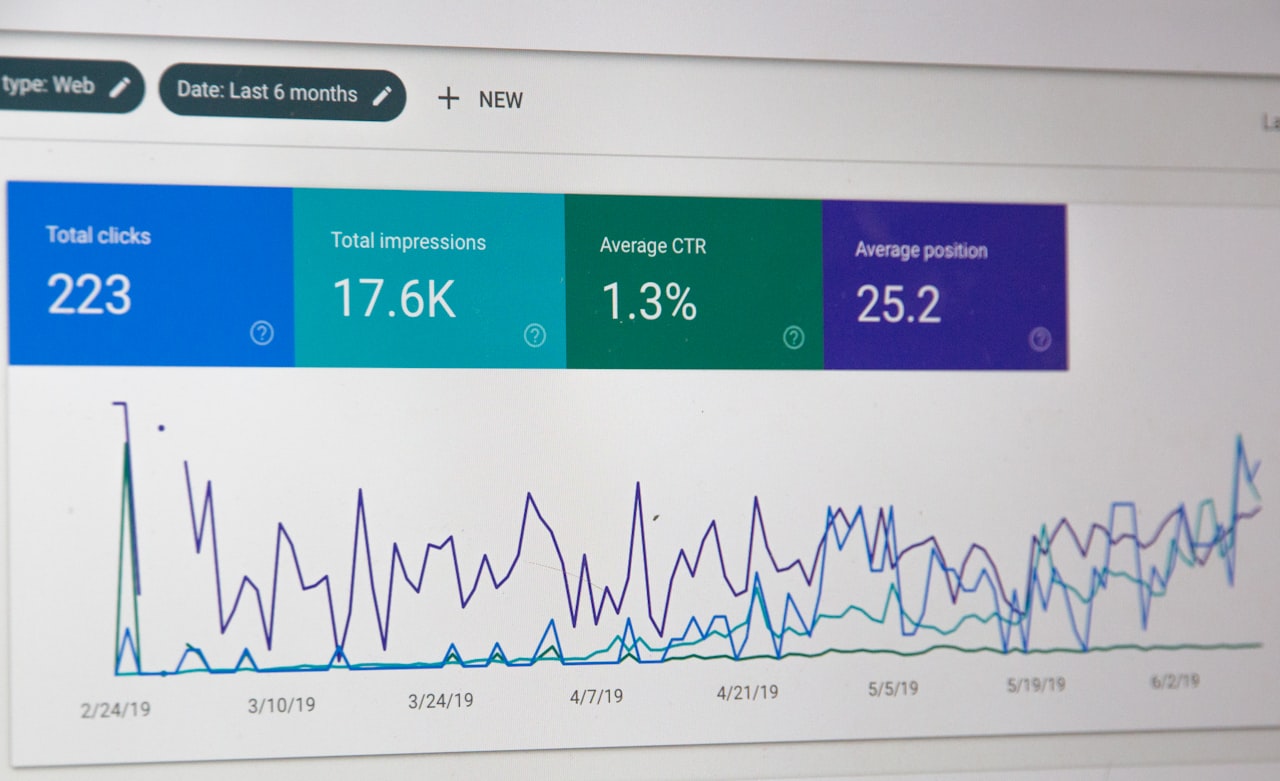
Conversion tracking setup:
- Track completed ticket purchases as your primary conversion
- Track registration form submissions for free events
- Set up conversion values matching ticket prices for ROAS calculations
- Track micro-conversions — event page views, “add to calendar” clicks, social shares
Attribution is particularly relevant for events. The path from awareness to ticket purchase spans multiple touchpoints. Use Google Ads’ data-driven attribution model to understand how different campaigns contribute to conversions.
Key metrics to monitor daily:
- Cost per ticket sold (CPA)
- Return on ad spend (ROAS) — revenue divided by ad spend
- Conversion rate by campaign, ad group, and keyword
- Click-through rate trends
- Impression share for brand and high-value keywords
- Tickets remaining versus days until event
Optimisation actions during the campaign: pause underperforming keywords weekly, increase bids on high-converting terms, add negative keywords as you identify irrelevant queries, and refresh ad creative every two to three weeks to combat fatigue.
After the event, conduct a thorough post-mortem. Document what worked and what you would change. This data is invaluable for your next event campaign. For ongoing optimisation support, our SEO for events guide covers the organic search side of event promotion.
Frequently Asked Questions
How much should I budget for Google Ads to promote an event?
A common guideline is to allocate 10-20% of your target ticket revenue to marketing, with Google Ads taking a significant portion of that. For a Singapore event targeting $100,000 in ticket sales, a Google Ads budget of $8,000-$15,000 is a reasonable starting point. However, the optimal budget depends on ticket price, venue capacity, competition, and how many other marketing channels you use. Start with a test budget, measure your cost per ticket sold, and scale based on profitability.
When should I start running Google Ads for my event?
Begin brand search campaigns 8-12 weeks before the event to capture early interest. Scale up category and competitor campaigns 4-6 weeks out. Launch full remarketing and urgency campaigns in the final 2-3 weeks. For major events like annual conferences or festivals, start even earlier — up to 16 weeks — to build momentum during early bird pricing phases. The key is matching your campaign launch to when your target audience typically begins planning.
Should I use Google Ads or social media ads for event promotion?
Use both, but understand their different roles. Google Ads captures active demand — people already searching for events like yours. Social media ads create demand — putting your event in front of people who were not searching but might be interested. Google Ads typically delivers higher conversion rates and better ROAS for event campaigns. Social media is better for awareness, particularly for new or unfamiliar events. The ideal strategy uses social to build awareness and Google Ads to convert that awareness into ticket sales.
How do I promote a free event using Google Ads?
Free events can absolutely benefit from Google Ads, but the tracking setup differs. Instead of tracking ticket revenue, track registration completions as your primary conversion. Set a target CPA based on what each attendee is worth to you — through sponsorship value, lead generation, or future revenue potential. Use lead form extensions to capture registrations directly from the ad. Keep budgets conservative since there is no direct ticket revenue to offset costs, and focus on highly targeted audiences to maximise registration quality.
What Google Ads mistakes do event organisers commonly make?
The most common mistakes include starting campaigns too late, using broad match keywords without adequate negative keyword lists, sending all traffic to a generic homepage instead of a dedicated event landing page, not setting up conversion tracking before launching campaigns, and failing to adjust budgets as the event date approaches. Another frequent error is stopping ads too early — some events sell 30-40% of tickets in the final week, so cutting spend prematurely leaves significant revenue on the table.