
Generative AI for Marketing: Practical Use Cases Beyond Just Writing Copy
Table of Contents
- Beyond Copy Generation: The Full Scope of AI in Marketing
- AI for Marketing Strategy and Research
- AI for Content Creation and Creative Production
- AI for Data Analysis and Marketing Analytics
- AI for Marketing Automation and Workflow
- Limitations, Risks and What AI Cannot Replace
- Practical Adoption: How to Start Using AI in Your Marketing
- Frequently Asked Questions
Beyond Copy Generation: The Full Scope of AI in Marketing
When most marketers think of generative AI, they think of ChatGPT writing blog posts and ad copy. While content generation is the most visible application, it barely scratches the surface of what AI can do for marketing teams. This generative AI marketing guide explores the broader — and often more valuable — applications that Singapore marketers should be adopting.
Generative AI encompasses any AI system that creates new content, analysis or outputs. This includes large language models (ChatGPT, Claude, Gemini) that generate text and analysis, image generation models (Midjourney, DALL-E) that create visual assets, video generation tools (Sora, Runway) that produce video content, and AI-powered analytics tools that generate insights from data.
The most impactful marketing applications of generative AI are not the flashy, headline-grabbing ones. They are the mundane, time-consuming tasks that eat into marketing teams’ capacity — data analysis, report generation, audience research, competitive analysis, workflow automation and strategic brainstorming. When AI handles these tasks, marketers gain hours each week for higher-value strategic work.
In Singapore’s competitive market, where marketing teams are often lean and expected to deliver results across multiple channels, AI is not a nice-to-have — it is a productivity multiplier that allows smaller teams to compete with larger, better-resourced competitors. The question is no longer whether to use AI, but how to use it most effectively.
AI for Marketing Strategy and Research
Strategic applications of AI are underutilised but highly valuable. Here are practical ways to use generative AI for marketing strategy and research.
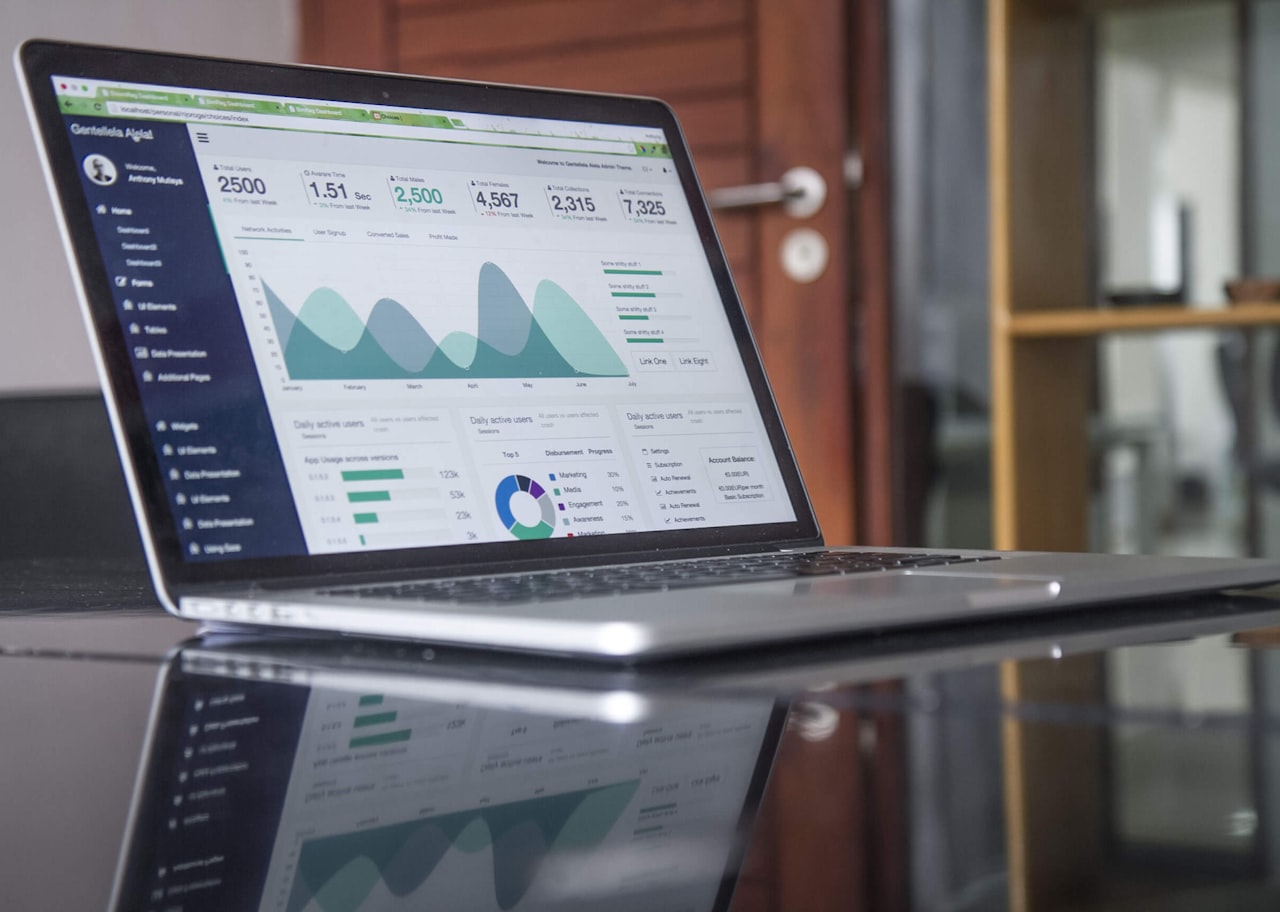
Competitor analysis. Feed competitor websites, social media profiles and advertising into AI tools for structured analysis. Ask AI to identify messaging themes, value propositions, target audiences, content strategy patterns and potential gaps. This analysis, which would take a junior marketer several days, can be completed in hours with AI assistance.
Audience persona development. Use AI to synthesise customer data, survey results, social media conversations and market research into detailed audience personas. AI can identify patterns in customer behaviour and preferences that manual analysis might miss, and it can generate multiple persona variations for testing.
Campaign ideation and brainstorming. AI excels as a brainstorming partner. Describe your campaign objectives, target audience and constraints, and ask for campaign concepts, content themes, promotional ideas and creative angles. The output is not finished strategy — it is a starting point that sparks ideas and reveals angles you might not have considered.
Market research synthesis. When you have multiple research reports, survey results and industry articles to process, AI can synthesise key findings into actionable summaries. This is particularly valuable for Singapore marketers tracking developments across multiple ASEAN markets or monitoring trends across different industry verticals.
Content gap analysis. Input your existing content inventory and your target keyword list, and AI can identify topics you have not covered, questions your content does not answer and opportunities for deeper coverage. Combine this with SEO data for a comprehensive content opportunity assessment.
AI for Content Creation and Creative Production
Content creation is the most mature AI marketing application. Here is how to use it effectively — and what to avoid.
Content drafting and ideation is where most marketers start. AI generates first drafts of blog posts, social media captions, email copy, ad headlines and product descriptions. The key to quality output is quality input — detailed prompts that specify audience, tone, key messages, format and examples of good work produce dramatically better results than vague instructions.
Content repurposing at scale. AI transforms a single piece of content into multiple formats. A blog post becomes ten social media posts, a video script, an email newsletter section and a set of ad variations. This multiplies the value of every original content piece without proportional effort. For Singapore businesses managing multiple platforms, this is a significant efficiency gain.
Multilingual content adaptation. While machine translation has limitations, AI tools produce increasingly good translations and cultural adaptations. For Singapore’s multilingual market, AI can help adapt English marketing content into Mandarin, Malay or other languages for testing and initial drafts, with human review for quality assurance and cultural accuracy.
Visual content creation. AI image generation tools create social media graphics, ad visuals, blog feature images and concept art. For teams without dedicated designers, this enables visual content creation at a fraction of the cost. The quality is suitable for social media and digital advertising; premium applications still benefit from professional design.
What to avoid: Publishing AI-generated content without human review and editing. AI produces plausible-sounding text that may contain factual errors, awkward phrasing, off-brand messaging or cultural insensitivity. Every piece of AI-generated content should be reviewed, edited and enhanced by a human who understands the subject matter and brand voice. The goal is AI-assisted content creation, not AI-autonomous content creation.
AI for Data Analysis and Marketing Analytics
This is where generative AI delivers perhaps its highest ROI for marketing teams, yet it is the least discussed application.
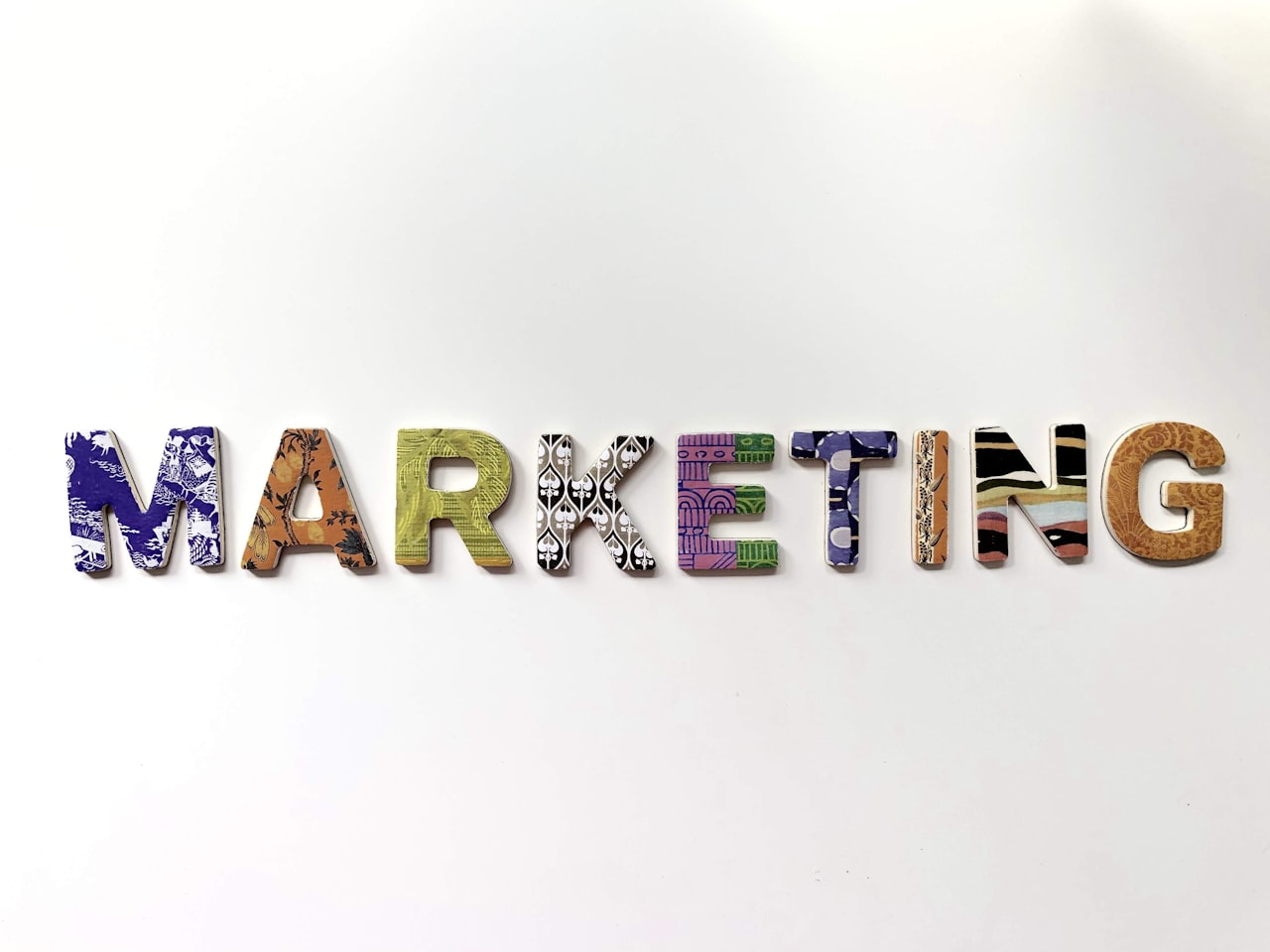
Automated data analysis. Upload your Google Analytics export, advertising performance data or sales report to an AI tool and ask specific analytical questions. “Which campaigns showed the biggest change in cost per acquisition this month compared to last?” or “Identify the top 10 landing pages by conversion rate that receive more than 100 sessions per month.” AI processes large datasets and delivers answers in seconds, work that would take significant spreadsheet time.
Performance reporting narrative. After extracting your marketing data, use AI to generate the narrative layer of your reports. Input the numbers and ask AI to identify trends, explain anomalies, compare against benchmarks and suggest optimisation recommendations. This transforms data dumps into insightful reports that stakeholders actually read and act upon.
Predictive analysis. AI tools can analyse historical campaign data to predict future performance under different scenarios. “If I increase my Google Ads budget by 30%, what is the likely impact on conversions based on historical patterns?” These predictions are not precise forecasts but useful directional estimates for planning.
Customer behaviour analysis. Use AI to analyse purchase patterns, website behaviour sequences and engagement data to identify segments, predict churn, estimate lifetime value and recommend targeted interventions. This type of analysis previously required dedicated data scientists; AI makes it accessible to marketing analysts. Complement these insights with your advertising data for a complete performance picture.
Search query analysis. Feed your Google Search Console data into AI to cluster keywords by intent, identify emerging trends, spot cannibalisation opportunities and prioritise content creation. Processing thousands of search queries manually is tedious; AI identifies patterns across large datasets in moments.
AI for Marketing Automation and Workflow
Beyond analysis and creation, AI streamlines marketing workflows in ways that free up significant team capacity.
Email workflow automation. AI personalises email sequences based on subscriber behaviour, optimises send times for individual recipients, generates subject line variants for testing and triggers content adjustments based on engagement patterns. Platforms like Klaviyo and HubSpot have embedded AI features that enhance existing email automation capabilities.
Social media scheduling and optimisation. AI tools analyse your audience’s engagement patterns to recommend optimal posting times, suggest hashtags, generate caption variations and identify the best content for each platform. This reduces the manual effort of social media management while improving consistency. Pair with professional social media management for maximum results.
Meeting and brief summarisation. Record marketing meetings, client calls and brainstorming sessions, then use AI to generate structured summaries, action items and follow-up tasks. This ensures nothing falls through the cracks and creates a searchable record of marketing decisions and rationale.
Ad creative variation. Generate multiple headline, description and visual variations for A/B testing. Instead of manually writing ten headline options, describe your value proposition and target audience and let AI generate dozens of variations. Test more aggressively, learn faster and allocate budget to winning combinations.
Proposal and document generation. For agencies and marketing teams that produce proposals, reports and strategy documents, AI generates first drafts that incorporate standard frameworks, client-specific data and professional formatting. The team then refines and personalises, reducing document creation time by 50-70%.
Limitations, Risks and What AI Cannot Replace
A responsible generative AI marketing guide must address what AI cannot do and the risks of over-reliance.
AI does not understand your business. It processes patterns in text and data but lacks genuine understanding of your brand, your customers, your competitive dynamics and your market nuances. AI suggestions must be filtered through your domain expertise and business judgement. The marketer who knows their Singapore market intimately remains essential.
Factual accuracy is not guaranteed. AI hallucinations — confident statements that are factually wrong — are a well-documented limitation. This is particularly risky for regulated industries in Singapore where inaccurate claims about health products, financial services or legal matters can create compliance issues. Always verify AI-generated factual claims.
Brand voice requires human curation. AI can approximate a brand voice when given examples, but it tends toward generic, middle-of-the-road writing. The distinctive personality, cultural nuance and emotional intelligence that make a brand voice memorable require human editorial judgement.
Strategic judgement remains human. AI can analyse data and generate options, but the decision about which strategy to pursue — weighing business context, risk tolerance, competitive dynamics and organisational capabilities — requires human strategic thinking. AI informs decisions; it does not make them.
Intellectual property concerns. AI-generated content and images raise IP questions that are still being resolved legally. Using AI-generated visuals for major campaigns, generating content that closely mirrors copyrighted sources, or training AI on proprietary competitor data all carry risks that Singapore businesses should evaluate carefully.
Over-reliance atrophies skills. Teams that delegate all copywriting, analysis and ideation to AI risk losing the skills that make them effective marketers. Use AI to enhance human capabilities, not replace them. The best outcomes come from skilled marketers who leverage AI as a force multiplier, not from replacing skilled marketers with AI tools.
Practical Adoption: How to Start Using AI in Your Marketing
Adopting generative AI effectively requires a structured approach, not just subscribing to ChatGPT and hoping for the best.
Step 1: Identify high-impact use cases. Audit your marketing team’s time allocation. Which tasks consume the most hours relative to their strategic value? These are your AI opportunities. Common starting points: data analysis and reporting, content drafting and repurposing, competitive research, email personalisation and ad creative variation.
Step 2: Choose your tools. For text generation and analysis: ChatGPT Plus, Claude Pro or Google Gemini Advanced (S$30-60 per month per user). For image generation: Midjourney or DALL-E. For marketing-specific applications: Jasper, Copy.ai or platform-native AI features in your existing marketing tools. Start with one or two tools and expand as you develop proficiency.
Step 3: Develop your prompt library. The quality of AI output depends on the quality of your prompts. Develop and document effective prompts for your recurring use cases. A well-crafted prompt for writing blog introductions, analysing campaign data or generating social media captions saves time and ensures consistent quality. Share your prompt library across the team.
Step 4: Establish quality control processes. Define clear review workflows for AI-generated content and analysis. Specify who reviews what, what quality standards must be met before publishing, and how factual accuracy is verified. Build AI review into your existing approval processes rather than creating separate parallel workflows.
Step 5: Measure and optimise. Track time saved, output quality, team satisfaction and business results before and after AI adoption. This data justifies continued investment and identifies areas for improvement. Be honest about where AI helps and where it does not — not every application delivers value. Continuously refine your AI integration as part of your broader digital marketing operations.
Frequently Asked Questions
What is the best AI tool for marketing?
There is no single best tool. ChatGPT and Claude are strongest for general text generation and analysis. Midjourney leads for image generation. Jasper and Copy.ai specialise in marketing copy. Your existing marketing platforms (HubSpot, Mailchimp, Google Ads) increasingly have built-in AI features. Start with a general-purpose tool (ChatGPT or Claude) and add specialised tools as needed.
How much does AI for marketing cost?
Entry-level access is affordable: ChatGPT Plus costs about S$30 per month, Claude Pro about S$27 per month, and Midjourney starts at about S$15 per month. Marketing-specific tools like Jasper cost S$55-170 per month. For a typical Singapore marketing team, expect S$100-500 per month per person for a comprehensive AI toolkit.
Will AI replace marketing jobs?
AI will not replace marketers, but marketers who use AI will replace those who do not. AI automates routine tasks (first drafts, data processing, formatting) while creating demand for skills in prompt engineering, AI quality control, strategic judgement and creative direction. The role evolves rather than disappears.
Is AI-generated content good for SEO?
Google’s stated position is that content quality matters more than how it was created. Well-edited AI-assisted content that provides genuine value ranks well. Purely AI-generated content published without human review tends to be generic and underperforms. Use AI for efficiency in content creation, but ensure the final output demonstrates expertise, originality and value.
How do I maintain brand voice when using AI?
Include brand voice guidelines, example content and tone descriptions in your AI prompts. Create a brand voice document that can be fed to AI tools as context. Always have a human editor who understands the brand review and adjust AI output. With practice, you can train AI to approximate your voice closely, but human curation remains essential.
Are there legal risks to using AI in marketing?
Potential risks include copyright issues with AI-generated content, accuracy liability for AI-generated claims (particularly in regulated industries), data privacy concerns when processing customer data through AI tools, and intellectual property questions about AI-generated creative assets. Consult with legal counsel on AI usage policies for your specific industry and jurisdiction.
How do I get my marketing team to adopt AI?
Start with training sessions that demonstrate practical, time-saving applications using real marketing tasks. Assign specific AI experiments with measurable outcomes. Share successes openly. Address fears honestly — AI is a tool, not a replacement. Make AI part of the workflow gradually rather than mandating immediate adoption.
Can AI write social media content for my brand?
AI can generate drafts and variations efficiently, but social media content requires cultural awareness, timeliness and brand personality that AI alone cannot fully deliver. Use AI to generate initial drafts and multiple variations, then edit for brand voice, cultural relevance and platform-specific nuance. This hybrid approach works well for Singapore brands.
How accurate is AI for marketing data analysis?
AI is generally reliable for pattern recognition, trend identification and descriptive analysis of clean datasets. It is less reliable for causal inference, predictive accuracy and nuanced interpretation that requires business context. Always validate AI-generated insights against your domain knowledge and question conclusions that seem surprising.
What should Singapore marketers prioritise when adopting AI?
Start with data analysis and reporting automation — this delivers the fastest time savings with the lowest risk. Then move to content drafting and repurposing. Follow with marketing research and competitive analysis. Leave customer-facing AI applications (chatbots, personalisation) for later phases when you have experience managing AI quality.