Gen Z Marketing in Singapore: How to Reach the TikTok Generation
Table of Contents
- Who Is Gen Z in Singapore?
- Digital Behaviours and Platform Preferences
- TikTok Marketing: The Non-Negotiable Channel
- Authenticity and Values-Driven Messaging
- Social Commerce and the Path to Purchase
- Content Formats That Resonate
- Influencer and Creator Strategies
- Measuring Success With Gen Z Audiences
- Frequently Asked Questions
Who Is Gen Z in Singapore?
Generation Z — broadly defined as those born between 1997 and 2012 — represents a powerful and increasingly influential consumer segment in Singapore. As of 2026, the oldest members of this cohort are approaching their late twenties, entering the workforce, earning their own income and making independent spending decisions for the first time. The youngest are still in secondary school, yet already shaping household purchases through their digital influence.
In Singapore, Gen Z makes up roughly 15 to 18 per cent of the resident population. While that figure may seem modest compared to millennials, their outsized cultural influence and digital fluency give them a disproportionate impact on trends, brand perception and social discourse. They are the first generation to grow up entirely in a post-smartphone world — digital is not something they adopted; it is simply the default.
Understanding gen z marketing singapore requires appreciating the local context. Singaporean Gen Z consumers navigate a uniquely multicultural environment, switching between English, Mandarin, Malay and Tamil across platforms. They are pragmatic about education and career prospects — shaped by a competitive academic system — yet progressive on social issues such as sustainability, mental health and inclusivity. Brands that grasp these nuances will find a receptive, loyal audience.
Key Demographics and Spending Power
While Gen Z in Singapore may not yet match the household spending of older cohorts, their discretionary income is climbing. Many still live with parents, keeping housing costs low and freeing up disposable income for fashion, food, entertainment and experiences. Research consistently shows they are willing to pay more for brands that align with their values — a critical insight for any digital marketing strategy targeting this group.
Digital Behaviours and Platform Preferences
Gen Z in Singapore spends an average of seven to nine hours per day online, spanning smartphones, laptops and increasingly, smart TVs. Unlike older generations who treat digital as a tool, Gen Z treats it as an environment — they socialise, learn, shop and entertain themselves within the same digital ecosystem.

Platform Hierarchy
The platform preferences of Singaporean Gen Z are distinct from their millennial predecessors. TikTok sits firmly at the top, followed by Instagram (primarily Reels and Stories), YouTube (both long-form and Shorts), and messaging apps such as Telegram and WhatsApp. Facebook usage is minimal and declining. Interestingly, many Gen Z consumers now use TikTok and Instagram as search engines — looking up restaurant reviews, product comparisons and travel tips directly on social platforms rather than Google.
Content Consumption Patterns
Short-form vertical video dominates. The average attention span for branded content is under eight seconds before a Gen Z user decides to scroll past or engage. This does not mean they lack attention — they are perfectly capable of binge-watching a two-hour documentary — but they are ruthlessly efficient at filtering content that does not immediately deliver value or entertainment.
Brands investing in content marketing for Gen Z must prioritise the first three seconds of any video. The hook determines everything.
TikTok Marketing: The Non-Negotiable Channel
No discussion of gen z marketing singapore is complete without a deep dive into TikTok. The platform has become the cultural centre of gravity for this generation, and Singapore’s TikTok penetration is among the highest in Southeast Asia.
Why TikTok Works for Gen Z
TikTok’s algorithm is uniquely democratic. Unlike Instagram, where reach is heavily influenced by follower count, TikTok’s For You Page gives every piece of content a chance to go viral based on engagement signals. This means a small Singaporean brand can achieve the same reach as a multinational — provided the content resonates.
The platform’s culture rewards creativity, humour and relatability over production value. Gen Z consumers are inherently sceptical of polished, corporate-looking content. They want to see real people, real reactions and real stories. A shaky phone video shot in a hawker centre can outperform a professionally produced studio ad.
TikTok Advertising Options
Beyond organic content, TikTok offers robust paid advertising options. In-Feed Ads appear natively in the For You Page, while Spark Ads allow brands to boost existing organic content — including creator posts. TopView Ads offer premium placement, and Branded Hashtag Challenges drive participatory engagement. For e-commerce brands, TikTok Shop integrates product discovery with instant checkout, creating a seamless social commerce experience.
Localising TikTok Content for Singapore
Successful TikTok content in Singapore often incorporates Singlish, local food culture, recognisable locations (MRT stations, shopping malls, iconic hawker centres) and references to shared cultural experiences. Brands that try to impose a global creative template without local adaptation will struggle to gain traction.
Authenticity and Values-Driven Messaging
If there is one word that defines Gen Z’s relationship with brands, it is authenticity. This generation has grown up surrounded by advertising and has developed an almost instinctive ability to detect inauthenticity. They can spot a performative campaign from a mile away, and they will call it out publicly.
Sustainability and Social Responsibility
Singaporean Gen Z consumers are particularly attuned to sustainability. The climate crisis is not an abstract concept for them — it is a lived reality that will shape their adult lives. Brands that make genuine, verifiable sustainability commitments earn their respect. Greenwashing, on the other hand, triggers swift backlash.
Beyond environmental concerns, Gen Z in Singapore cares about mental health awareness, racial and gender inclusivity, and ethical business practices. A strong brand identity that authentically embodies these values creates lasting loyalty.
Transparency Over Perfection
Gen Z does not expect brands to be perfect. They expect them to be honest. Acknowledging mistakes, sharing behind-the-scenes processes and being transparent about pricing, sourcing and business practices builds trust far more effectively than curated perfection.
User-Generated Content as Social Proof
Nothing says authentic like content created by real customers. User-generated content (UGC) is the gold standard for Gen Z marketing. Encouraging customers to share their experiences, featuring their content on brand channels and building community around shared values turns customers into advocates.
Social Commerce and the Path to Purchase
The traditional marketing funnel — awareness, consideration, decision — still exists for Gen Z, but the stages are compressed and often happen within a single platform session. A Gen Z consumer might discover a product on TikTok, read comments for social proof, check the brand’s Instagram for more content and complete a purchase via TikTok Shop or an in-app browser — all within minutes.

TikTok Shop and Instagram Shopping
Social commerce is exploding in Singapore, and Gen Z is leading the charge. TikTok Shop has seen extraordinary growth, with live shopping sessions becoming a major sales channel. Brands that combine entertaining content with frictionless purchasing are winning. Instagram Shopping, while somewhat less dominant among the youngest Gen Z consumers, remains relevant for fashion, beauty and lifestyle brands.
Peer Influence and Reviews
Gen Z trusts peer recommendations far more than brand messaging. Online reviews, comment sections and community forums (particularly Reddit, which is popular among Singaporean Gen Z) play a critical role in purchase decisions. Brands should actively monitor and engage with these spaces as part of their social media marketing strategy.
Buy Now, Pay Later
Services such as Atome, Grab PayLater and ShopBack PayLater have gained significant traction among younger consumers in Singapore. Offering BNPL options at checkout reduces friction and aligns with Gen Z’s preference for financial flexibility.
Content Formats That Resonate
Understanding which content formats work is essential for any brand serious about gen z marketing singapore. The wrong format can render even the best message invisible.
Short-Form Video
This is the dominant format, full stop. TikTok videos, Instagram Reels and YouTube Shorts are where Gen Z spends the majority of their content consumption time. Videos should be 15 to 60 seconds, vertically oriented, and designed for sound-on viewing (though captions are essential for accessibility and silent browsing).
Memes and Cultural References
Meme culture is the lingua franca of Gen Z. Brands that can participate in meme culture authentically — without forcing it — earn significant engagement. However, timing is critical. Meme cycles in Singapore can last as little as 48 hours, so brands need the agility to create and publish content quickly.
Interactive Content
Polls, quizzes, challenges and duets (on TikTok) drive participation and engagement. Gen Z wants to be part of the conversation, not a passive audience. Interactive content also generates valuable first-party data for brands navigating an increasingly privacy-conscious digital landscape.
Long-Form Content for Deep Engagement
While short-form video dominates discovery, Gen Z does engage with long-form content when the topic matters to them. YouTube documentaries, podcast episodes and in-depth blog posts on subjects like career advice, financial planning or social issues can build deep brand affinity. The key is that the content must be genuinely valuable, not thinly disguised advertising.
Influencer and Creator Strategies
Influencer marketing remains one of the most effective channels for reaching Gen Z in Singapore, but the approach has evolved significantly from the early days of mega-influencer partnerships.
Micro and Nano Influencers
Gen Z trusts micro-influencers (10,000 to 50,000 followers) and nano-influencers (1,000 to 10,000 followers) far more than celebrity endorsements. These creators have tight-knit communities, higher engagement rates and greater perceived authenticity. For Singapore-specific campaigns, local micro-influencers who create content in a mix of English and Mandarin (or other local languages) tend to perform exceptionally well.
Creator Collaborations Over Sponsorships
Rather than scripting influencer posts, brands achieve better results by collaborating with creators and giving them creative freedom. Gen Z audiences can immediately tell when a creator is reading from a brand brief versus sharing a genuine opinion. The most effective partnerships feel organic — the creator integrates the product into their existing content style.
Building a Creator Community
Forward-thinking brands are moving beyond one-off influencer campaigns to build ongoing creator communities. This involves identifying a cohort of aligned creators, providing them with early access to products, inviting them to events and fostering genuine relationships. Over time, these creators become authentic brand ambassadors whose endorsements carry real weight.
A well-structured paid advertising strategy can amplify the best-performing creator content, extending its reach far beyond organic audiences.
Measuring Success With Gen Z Audiences
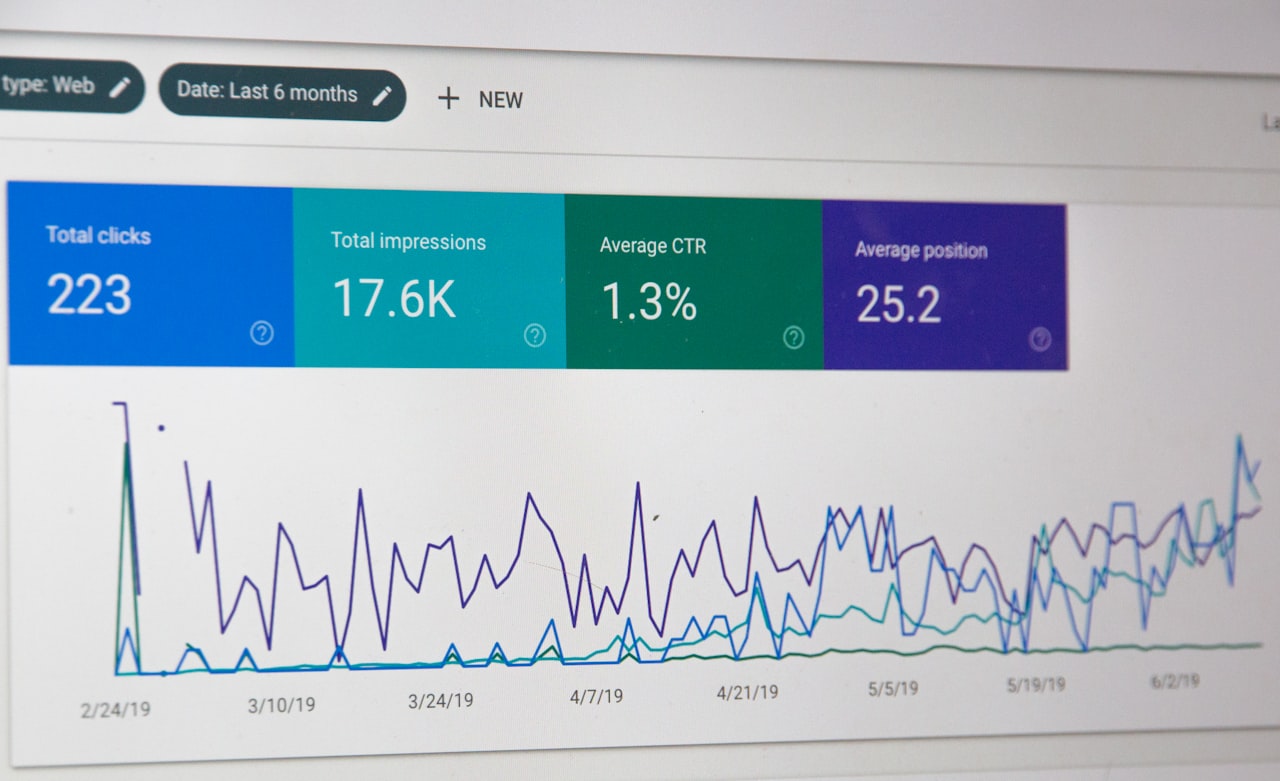
Traditional marketing metrics still matter, but Gen Z campaigns require additional layers of measurement to capture the full picture.
Engagement Over Reach
For Gen Z, engagement quality trumps raw reach. Comments, shares, saves, duets and stitches indicate genuine audience connection. A video with 50,000 views and 2,000 comments is often more valuable than one with 500,000 views and 50 comments.
Social Listening and Sentiment Analysis
Monitoring what Gen Z says about your brand across platforms — including Reddit, TikTok comments and Telegram groups — provides insights that traditional analytics cannot. Social listening tools help brands track sentiment, identify emerging trends and respond to potential crises before they escalate.
Attribution in a Multi-Platform World
Gen Z’s path to purchase rarely follows a linear, single-platform journey. Multi-touch attribution models are essential for understanding which touchpoints contributed to a conversion. UTM parameters, unique discount codes for different creators and platform-specific landing pages all help piece together the attribution puzzle.
Brand Health Metrics
Beyond direct response metrics, brands targeting Gen Z should track aided and unaided brand awareness, brand consideration, Net Promoter Score (NPS) among younger demographics and share of voice on key platforms. These long-term indicators are particularly important because Gen Z brand relationships take time to build but, once established, tend to be remarkably loyal. An integrated SEO strategy ensures your brand is discoverable when Gen Z does turn to search engines.
Frequently Asked Questions
What age group does Gen Z cover in Singapore?
Gen Z typically refers to individuals born between 1997 and 2012. In Singapore, this means they are currently between 14 and 29 years old, spanning secondary school students through to young working professionals in the early stages of their careers.
Is TikTok really the most important platform for Gen Z marketing in Singapore?
Yes, TikTok is the most influential platform for reaching Gen Z in Singapore. It leads in both daily usage time and cultural relevance. However, a multi-platform approach that includes Instagram Reels, YouTube Shorts and Telegram is recommended for maximum coverage.
How much do Gen Z consumers in Singapore spend?
While individual spending varies, Singaporean Gen Z consumers are estimated to have significant discretionary income, particularly those who live with parents and have lower fixed costs. They tend to prioritise experiences, food, fashion and technology, and are willing to pay premiums for brands that align with their values.
Do Gen Z consumers in Singapore care about sustainability?
Absolutely. Sustainability is a major purchasing consideration for Singaporean Gen Z. They actively seek out eco-friendly products, support brands with transparent sustainability practices and are quick to call out greenwashing. However, affordability remains a practical constraint, so brands must balance sustainability messaging with value propositions.
What kind of content works best for Gen Z marketing?
Short-form vertical video is the dominant format. Content should be authentic, entertaining and culturally relevant to Singapore. Humour, relatability and local references (Singlish, hawker culture, MRT life) perform particularly well. Overly polished or corporate content tends to underperform.
Should brands use Singlish in their Gen Z marketing?
When used naturally and appropriately, Singlish can be highly effective for connecting with Gen Z in Singapore. It signals cultural awareness and relatability. However, forced or incorrect use of Singlish will backfire. Brands should work with local creators or copywriters who understand the nuances.
How effective are influencers for reaching Gen Z in Singapore?
Very effective, particularly micro and nano influencers with authentic connections to their communities. Gen Z trusts creator recommendations far more than traditional advertising. The key is selecting influencers whose values and content style align with the brand, and giving them creative freedom rather than rigid scripts.
Is Facebook still relevant for Gen Z marketing in Singapore?
Facebook has minimal relevance for Gen Z marketing in Singapore. The platform’s user base skews significantly older, and Gen Z engagement on Facebook is consistently low. Marketing budgets targeting Gen Z are better allocated to TikTok, Instagram, YouTube and emerging platforms.
How do Gen Z consumers in Singapore discover new brands?
Social media is the primary discovery channel, with TikTok and Instagram leading. Peer recommendations, influencer content, social commerce platforms and search (both Google and in-platform search on TikTok) are the main pathways. Traditional advertising channels such as television and print have negligible impact on Gen Z brand discovery.
What is social commerce and why does it matter for Gen Z?
Social commerce refers to the buying and selling of products directly within social media platforms. Features such as TikTok Shop and Instagram Shopping allow users to discover and purchase products without leaving the app. It matters for Gen Z because it removes friction from the purchase journey and aligns with their preference for seamless, mobile-first shopping experiences.