Marketing to Foodies in Singapore: Hawker, Cafe and Fine Dining Audiences
Singapore is a city that revolves around food. From the UNESCO-recognised hawker culture to Michelin-starred fine dining establishments and the ever-growing specialty cafe scene, Singaporeans are deeply passionate about what they eat, where they eat and how they share those experiences. For brands looking to tap into this enthusiasm, foodie marketing Singapore represents one of the most dynamic and rewarding audience segments in the digital landscape.
Whether you sell food products, operate an F&B establishment, or market tangential services like kitchen appliances, food delivery or lifestyle brands, understanding how to reach Singapore’s foodies is essential. This guide breaks down the audience segments, preferred platforms, content strategies and tactical approaches that work in the local context.
Understanding the Foodie Audience in Singapore
The term “foodie” in Singapore encompasses a remarkably broad spectrum of consumers. Unlike many other markets where the label implies a niche interest, food culture in Singapore is mainstream. Research consistently shows that Singaporeans spend a significant proportion of their disposable income on dining out, and food-related content dominates local social media feeds.
Demographic Breakdown of Singapore Foodies
Singapore’s foodie audience can be segmented along several dimensions. Age plays a role — millennials and Gen Z tend to gravitate towards cafe culture and viral food trends, whilst older demographics may be more loyal to traditional hawker favourites. Income levels determine whether consumers frequent kopitiam stalls or omakase counters. However, what unites all segments is a willingness to explore, share and discuss food experiences at length.
The Role of Digital Discovery
Food discovery in Singapore is overwhelmingly digital. Consumers search Google for “best chicken rice in Singapore,” scroll through Instagram reels of cafe visits, watch TikTok videos of hawker stall queues and read blog reviews before deciding where to eat. This means that a robust digital marketing strategy is not optional for F&B brands — it is foundational.
Platforms like Burpple, HungryGoWhere and Google Maps reviews further shape dining decisions. Understanding the full ecosystem of food discovery touchpoints is critical for any brand hoping to capture attention in this crowded space.
Marketing Around Hawker Food Culture
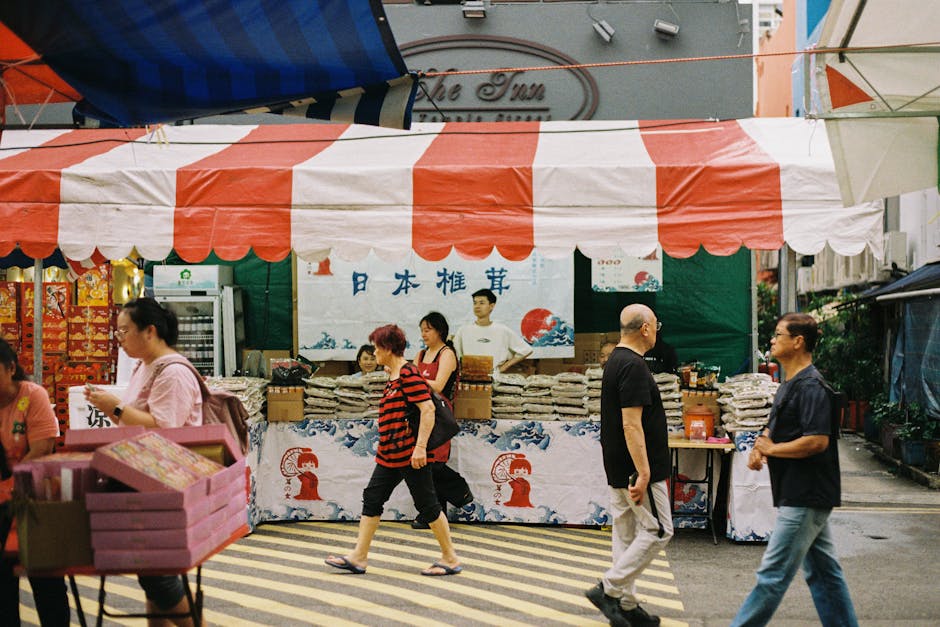
Hawker culture is the backbone of Singapore’s food identity. With over 110 hawker centres across the island and UNESCO Intangible Cultural Heritage status, hawker food occupies a unique position — it is simultaneously heritage, daily sustenance and a source of national pride.

Authenticity as a Marketing Currency
When marketing to hawker food enthusiasts, authenticity is non-negotiable. This audience values tradition, quality ingredients, generational recipes and the stories behind each stall. Brands that attempt to co-opt hawker culture without genuine respect risk backlash. Content that highlights the craftsmanship, long hours and dedication of hawker vendors resonates far more than polished corporate messaging.
Leveraging the Hawker Heritage Narrative
The heritage angle offers rich storytelling opportunities. A content marketing approach that documents hawker stories — second-generation stall owners preserving recipes, the economics of running a hawker stall, or the cultural significance of specific dishes — can generate significant organic engagement. Video content performs particularly well, with documentary-style pieces about hawker vendors frequently going viral on local social channels.
Practical Tactics for Hawker-Adjacent Brands
Brands that are not themselves hawker stalls but wish to align with hawker culture can sponsor hawker guides, partner with popular stalls for limited-edition collaborations, or create content series that celebrate local hawker gems. Food delivery platforms, condiment brands and kitchen equipment companies have all successfully tapped into this space.
Cafe Culture and the Instagram Generation
Singapore’s cafe scene has exploded over the past decade. From minimalist specialty coffee shops in Tiong Bahru to elaborate themed cafes in Bugis, the cafe segment attracts a younger, visually driven audience that treats dining as a shareable experience.
Visual-First Marketing for Cafes
Cafe audiences are inherently visual. They photograph their food before eating, share stories of aesthetically pleasing interiors and tag locations in their posts. For cafe brands, this means that interior design, plating and overall ambience are marketing assets as much as the food itself. Every element should be “camera-ready” because user-generated content from satisfied customers is free and highly credible advertising.
Building a Social-First Brand Identity
Successful Singapore cafes invest heavily in their social media presence. This goes beyond posting attractive photos — it involves creating a consistent brand aesthetic, engaging with followers in the comments, reposting user-generated content and maintaining an active presence on Instagram, TikTok and even Xiaohongshu (Little Red Book) for the Chinese-speaking audience. A strong social identity turns first-time visitors into repeat customers and brand advocates.
Seasonal and Limited-Edition Strategies
The cafe audience thrives on novelty. Limited-edition menu items, seasonal specials and collaborations with local artists or brands create urgency and shareability. Announcing these through social media teasers and countdown posts builds anticipation and drives foot traffic.
Fine Dining and Premium Foodie Audiences
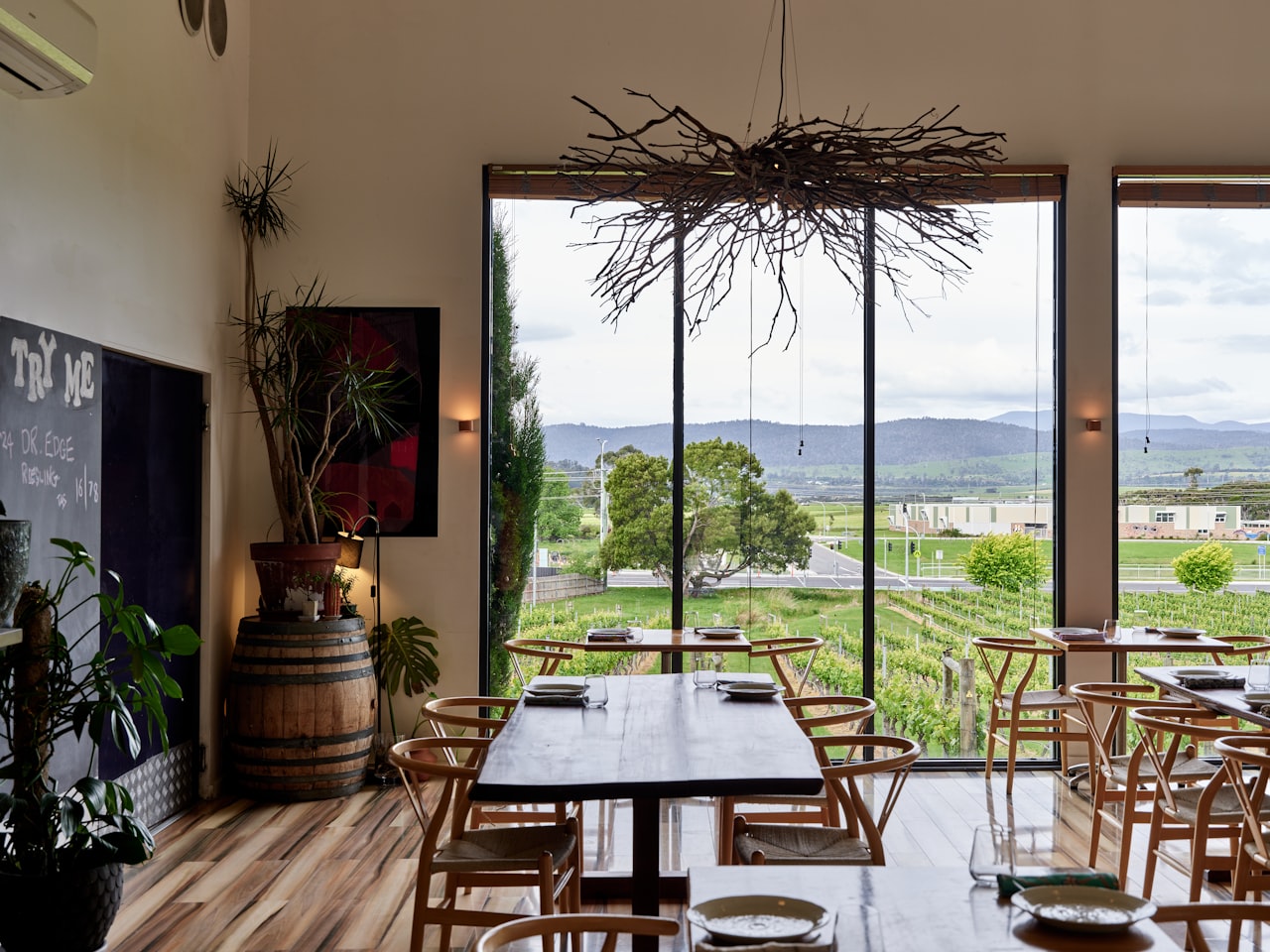
At the top end of the spectrum, Singapore’s fine dining scene is world-class. With numerous Michelin-starred restaurants, celebrity chef outposts and innovative tasting-menu concepts, the city attracts both local and international gastronomes willing to spend significantly on exceptional dining experiences.
Targeting High-Net-Worth Diners
Marketing to fine dining audiences requires a different approach. This segment values exclusivity, personalisation and discretion. Heavy-handed promotional messaging can feel off-brand. Instead, fine dining establishments benefit from subtle, prestige-driven marketing — think curated email newsletters, private event invitations and partnerships with luxury lifestyle publications.
Leveraging Reviews and Awards
For fine dining brands, third-party validation carries enormous weight. Michelin stars, Asia’s 50 Best Restaurants listings and positive reviews from respected food critics serve as powerful marketing assets. A strong branding strategy should prominently feature these accolades across all digital touchpoints without appearing boastful.
The Role of Experience Marketing
Fine dining is inherently experiential. Marketing should convey the full sensory journey — the ambience, the service, the wine pairings and the narrative behind each dish. Video content that captures the behind-the-scenes artistry of the kitchen can be particularly effective, offering a glimpse into the craft that justifies premium pricing.
Social Media Strategies for Food Brands
Social media is the primary battleground for foodie marketing in Singapore. With high smartphone penetration and an audience that instinctively documents dining experiences, the organic reach potential for food content is substantial.
Platform Selection and Optimisation
Instagram remains the dominant platform for food content in Singapore, but TikTok is rapidly gaining ground, particularly among younger audiences. Facebook still holds relevance for older demographics and community-based food groups. Xiaohongshu is increasingly important for reaching Chinese-speaking consumers and tourists. Each platform requires tailored content — what works as a polished Instagram carousel may not suit TikTok’s raw, entertaining format.
Content Formats That Perform
Short-form video consistently outperforms static images in the food space. Reels and TikToks showing food preparation processes, first-bite reactions, hawker centre tours and cafe walkthroughs generate high engagement. User-generated content and customer testimonials add authenticity. Behind-the-scenes content showing kitchen operations and ingredient sourcing humanises the brand.
Engagement and Community Building
Successful food brands do not merely broadcast — they build communities. Responding to comments, running polls about new menu items, hosting live cooking sessions and creating branded hashtag campaigns all foster a sense of belonging. Singapore’s food community is tight-knit, and brands that genuinely participate in conversations earn long-term loyalty.
Influencer and KOL Partnerships for F&B
Influencer marketing is particularly effective in the food space because dining recommendations carry inherent trust. When a respected food blogger endorses a restaurant, their audience listens.
Choosing the Right Food Influencers
Singapore’s food influencer landscape ranges from mega-influencers with hundreds of thousands of followers to micro-influencers who specialise in specific niches like vegetarian dining, halal food or budget eats. The key is alignment — a fine dining restaurant partnering with a budget food blogger creates a mismatch that audiences will notice. Engagement rate matters more than follower count, and local credibility is essential.
Structuring Effective Collaborations
The most effective food influencer campaigns go beyond a single sponsored post. Consider multi-visit partnerships where influencers document their experience across several touchpoints, collaborative menu creation where an influencer co-develops a dish, or exclusive tasting events that generate multiple pieces of content. Always ensure that collaborations comply with the Advertising Standards Authority of Singapore (ASAS) guidelines on disclosure.
Measuring Influencer ROI
Track tangible metrics beyond vanity numbers. Use unique discount codes, reservation tracking links and post-campaign surveys to measure the actual impact of influencer partnerships on bookings and revenue. This data-driven approach allows you to identify which partnerships deliver genuine business results and refine your influencer strategy over time.
Content Marketing and SEO for Food Brands
While social media drives immediate engagement, search engine optimisation delivers sustained, long-term traffic. Singaporeans frequently search for food recommendations, recipes and restaurant reviews, creating abundant keyword opportunities for food brands.
Keyword Research for Food Content
Food-related searches in Singapore follow predictable patterns. “Best [dish] in Singapore,” “[neighbourhood] food guide,” “[cuisine type] restaurant Singapore” and “[restaurant name] review” are all high-volume query formats. A comprehensive SEO strategy should target a mix of these queries, prioritising those most relevant to your brand.
Blog Content That Ranks and Converts
Food brands can build significant organic traffic through well-crafted blog content. Restaurant guides, dish deep-dives, ingredient spotlights, recipe adaptations and neighbourhood food tours all perform well in search. The key is producing genuinely useful content that answers the searcher’s intent comprehensively — search engines reward depth and expertise.
Local SEO for Physical Locations
For restaurants and cafes with physical locations, local SEO is critical. This includes optimising Google Business Profiles, encouraging customer reviews, ensuring NAP (name, address, phone) consistency across directories and creating location-specific landing pages. Appearing in the Google Maps pack for relevant food searches can drive significant foot traffic.
Paid Advertising Tactics for Foodie Audiences
Paid advertising allows food brands to reach targeted foodie audiences with precision. Both social media advertising and search engine marketing offer powerful tools for driving awareness, consideration and conversion.

Social Media Advertising for Food Brands
Facebook and Instagram ads allow granular targeting based on food interests, dining behaviours and demographic data. Video ads showcasing food preparation or restaurant ambience tend to achieve lower cost-per-click than static image ads. Carousel ads work well for showcasing menu variety. Retargeting campaigns aimed at website visitors who did not complete a reservation can recover lost conversions.
Google Ads for Restaurants and F&B
A well-structured Google Ads campaign can capture high-intent searches from consumers actively looking for dining options. Bid on branded terms, competitor terms and generic food queries relevant to your offering. Use ad extensions to display location, phone number, menu links and promotions. For delivery-focused brands, Performance Max campaigns can drive online orders efficiently.
Measuring and Optimising Ad Performance
Track conversions that matter — reservations, delivery orders, phone calls and direction requests. Use attribution modelling to understand the full customer journey from ad impression to in-store visit. Regularly test creative variations, audience segments and bidding strategies to improve return on ad spend over time.
Frequently Asked Questions
What is foodie marketing in Singapore?
Foodie marketing Singapore refers to digital marketing strategies specifically designed to reach Singapore’s food-passionate audience. It encompasses social media campaigns, influencer partnerships, SEO content and paid advertising tailored to hawker, cafe and fine dining consumer segments.
Which social media platform is best for food marketing in Singapore?
Instagram remains the leading platform for food content in Singapore due to its visual nature. However, TikTok is growing rapidly, especially among younger audiences. A multi-platform approach that includes Instagram, TikTok and Facebook typically yields the best results.
How much should a restaurant budget for digital marketing in Singapore?
Marketing budgets vary widely depending on the establishment’s size and goals. As a general guide, F&B businesses in Singapore typically allocate between five and fifteen per cent of revenue to marketing. New establishments may need to invest more heavily in the initial launch phase to build awareness.
Are food influencers effective for marketing in Singapore?
Yes, food influencers are highly effective in Singapore due to the culture’s strong reliance on personal recommendations for dining decisions. Micro-influencers with engaged local followings often deliver better ROI than celebrity influencers with larger but less targeted audiences.
How can hawker stalls market themselves digitally?
Hawker stalls can leverage social media profiles, Google Business Profile listings, food delivery platform presence and user-generated content to build their digital footprint. Storytelling about heritage, recipes and the people behind the stall resonates strongly with local audiences.
What content works best for cafe marketing in Singapore?
Visual content dominates cafe marketing. Instagram-worthy food photography, short-form video tours of the cafe space, behind-the-scenes barista content and limited-edition menu announcements all drive strong engagement. User-generated content from customers is especially valuable.
How important is SEO for food businesses in Singapore?
SEO is extremely important. Singaporeans frequently search for dining recommendations, restaurant reviews and food guides online. Ranking well for relevant keywords delivers consistent, cost-effective traffic that complements social media efforts.
What are common mistakes in food marketing in Singapore?
Common mistakes include neglecting local SEO, relying solely on paid advertising without building organic presence, choosing influencers based on follower count rather than audience alignment, producing generic content that does not reflect Singapore’s unique food culture and failing to respond to online reviews.
How do I market a new restaurant opening in Singapore?
A successful restaurant launch typically involves pre-opening teaser campaigns on social media, an influencer preview event, a Google Business Profile setup, targeted social media and search ads, email outreach to food media and a post-launch review management strategy.
Can food brands use TikTok effectively in Singapore?
Absolutely. TikTok’s algorithm favours engaging content regardless of account size, making it an excellent platform for food brands to gain organic reach. Short, authentic videos — cooking processes, taste tests, hawker centre explorations and cafe reveals — perform exceptionally well with Singapore’s TikTok audience.