Marketing to Fitness Enthusiasts in Singapore: Gym, Run and Wellness Audiences
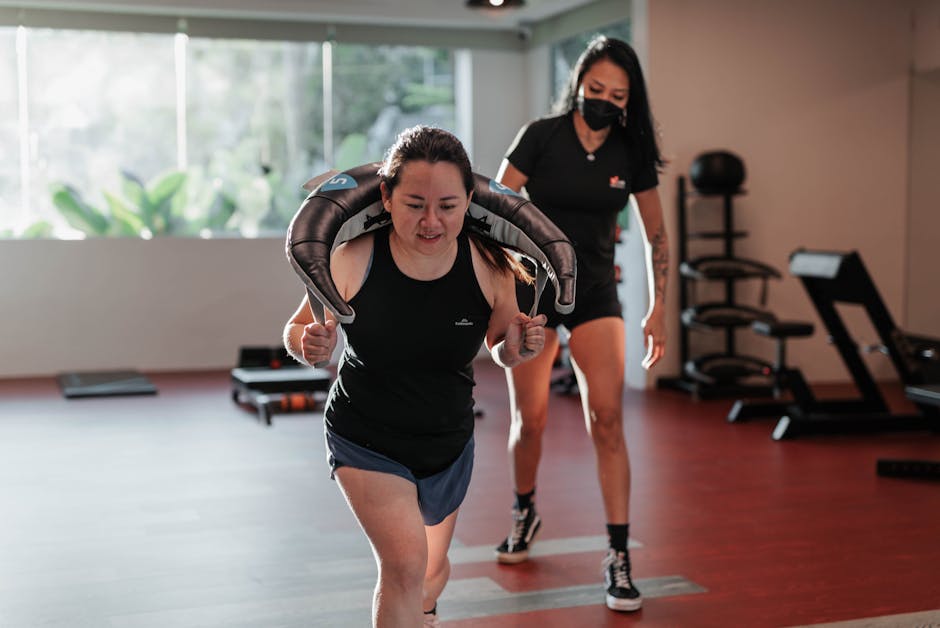
Singapore has one of the most active fitness cultures in Southeast Asia. From dawn runners along East Coast Park and weekend pelotons cycling through Mandai to packed boutique studios in Tanjong Pagar and CrossFit boxes in industrial estates, Singaporeans take their fitness seriously. The fitness market here is sophisticated, competitive and remarkably diverse — encompassing traditional gyms, boutique studios, outdoor activities, digital fitness platforms and a vast ecosystem of supporting products and services.
For brands targeting this audience — whether you sell sports apparel, nutrition products, fitness technology, wellness services or any adjacent category — understanding what drives fitness enthusiasts and where to reach them is essential. This guide covers everything you need to know about fitness enthusiast marketing singapore, from audience segmentation to channel strategy, content creation and community building.
Singapore’s Fitness Market: An Overview
Singapore’s fitness industry is mature, growing and increasingly fragmented. Understanding the landscape provides context for effective marketing decisions.
Market Size and Evolution
The Singapore fitness market is valued at over a billion dollars when accounting for gym memberships, boutique studios, fitness equipment, sports nutrition, apparel and digital fitness products. The market has evolved significantly — from being dominated by a few large gym chains to a diverse ecosystem of boutique studios, outdoor fitness groups, digital platforms and hybrid models that combine physical and virtual experiences.
Post-Pandemic Shifts
The pandemic fundamentally reshaped Singapore’s fitness landscape. Home workouts, outdoor exercise and digital fitness platforms surged during lockdowns, and many of these habits persisted. Boutique studios adapted with hybrid models, and a significant segment of consumers now splits their fitness activity between gym, home and outdoor environments. Marketing strategies must account for this multi-venue reality.
The Boutique Studio Boom
Boutique fitness studios — specialising in yoga, Pilates, spinning, HIIT, boxing, barre and other modalities — have proliferated across Singapore. These studios compete on experience, community and specialisation rather than price, attracting a premium-paying audience that values quality over quantity. The boutique model has also raised consumer expectations around personalisation, atmosphere and instructor quality.
Outdoor and Running Culture
Singapore’s outdoor fitness culture is vibrant and growing. Running is enormously popular, with events like the Standard Chartered Singapore Marathon, Army Half Marathon and countless community races drawing tens of thousands of participants. Cycling, hiking (at Bukit Timah and MacRitchie), outdoor boot camps and park workouts are equally popular. The tropical climate enables year-round outdoor activity, making outdoor-related fitness products and services a significant market segment.
Key Fitness Audience Segments
The fitness market is diverse, and effective fitness enthusiast marketing singapore requires clear segmentation.
Gym and Strength Training Enthusiasts
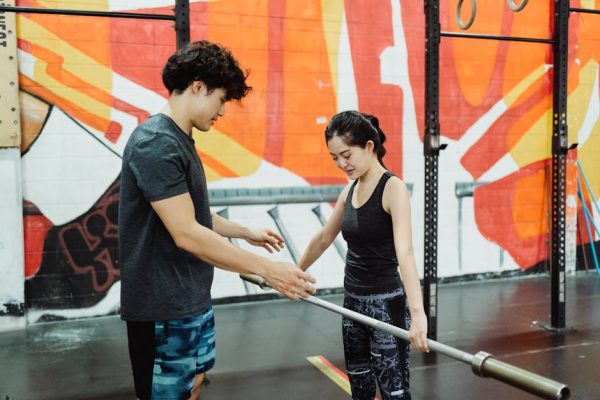
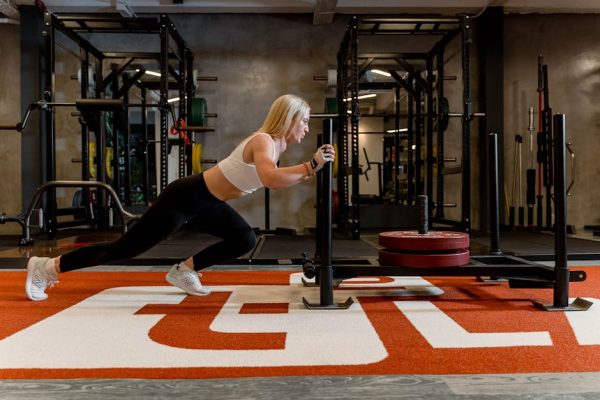
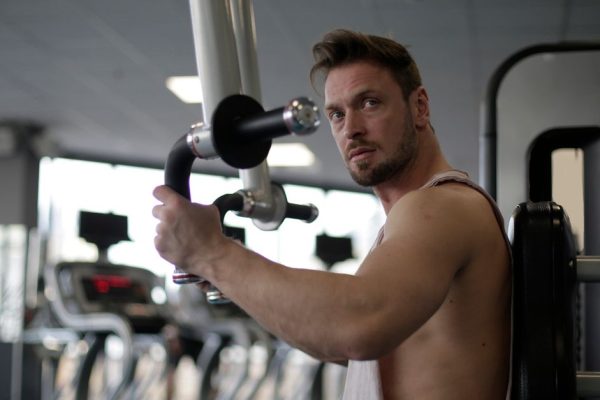
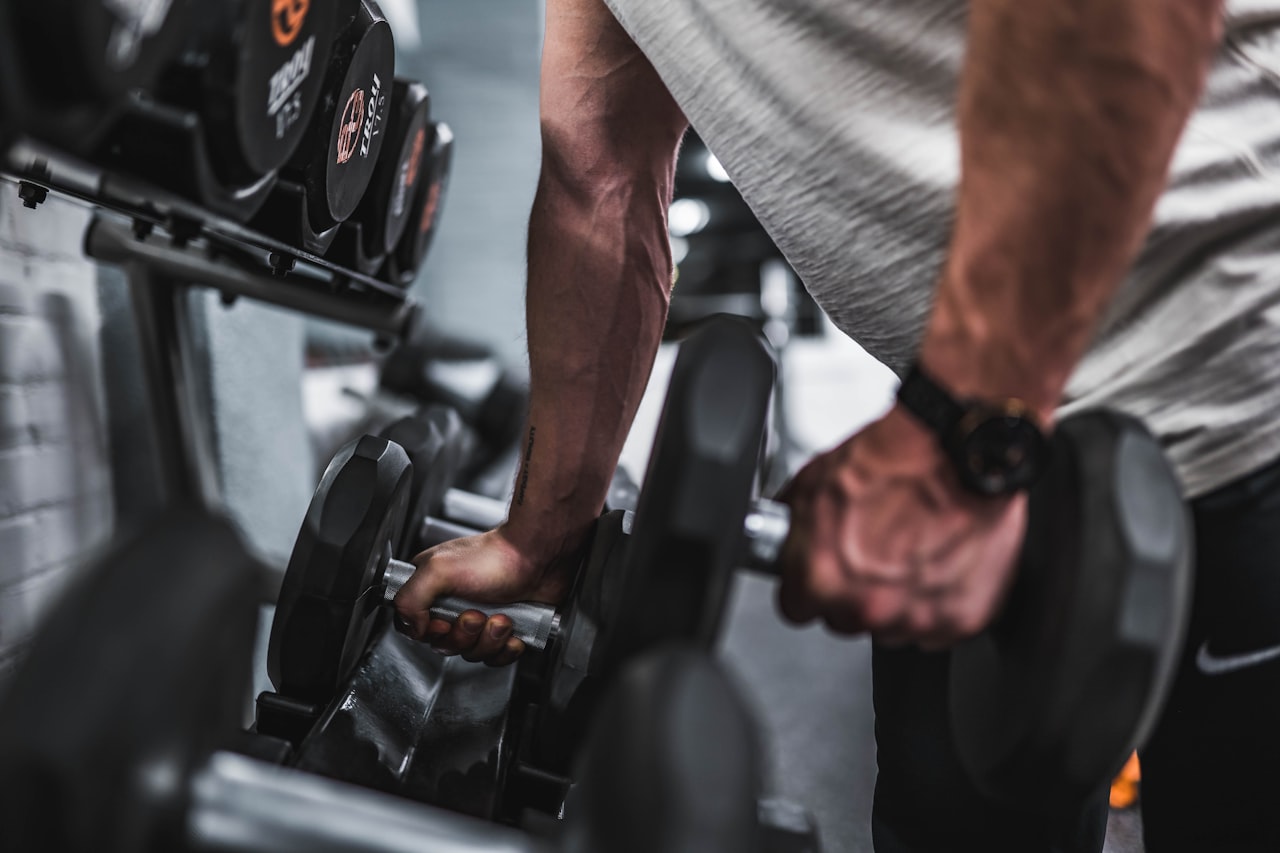
This segment trains regularly at commercial gyms or strength-focused facilities. They follow structured training programmes, track their lifts, consume protein supplements and invest in training gear. They are motivated by performance metrics — personal records, body composition, strength gains — and influenced by fitness content creators who share training knowledge. Brands targeting this segment should emphasise performance, results and technical credibility.
Runners and Endurance Athletes
Singapore’s running community is passionate and well-organised. From casual joggers to ultramarathon competitors, runners form a spectrum of commitment and spending. They purchase running shoes, GPS watches, hydration gear, compression wear and nutrition products. The running community is event-driven — race calendars, training groups and running clubs provide natural marketing touchpoints. Social running apps like Strava have created additional engagement channels.
Yoga and Mindful Movement Practitioners
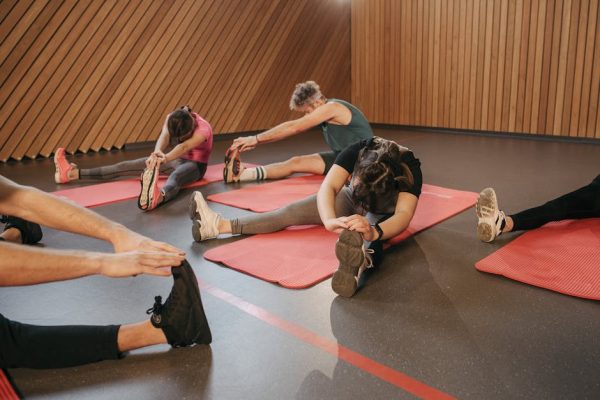
Yoga, Pilates and other mindful movement practices have substantial followings in Singapore, particularly among women aged 25-45. This segment values holistic wellness — connecting physical practice with mental and emotional wellbeing. They spend on studio memberships, yoga mats and props, activewear, retreats and wellness accessories. Their purchase decisions are influenced by community, instructor relationships and brand values.
Group Fitness and Social Exercisers
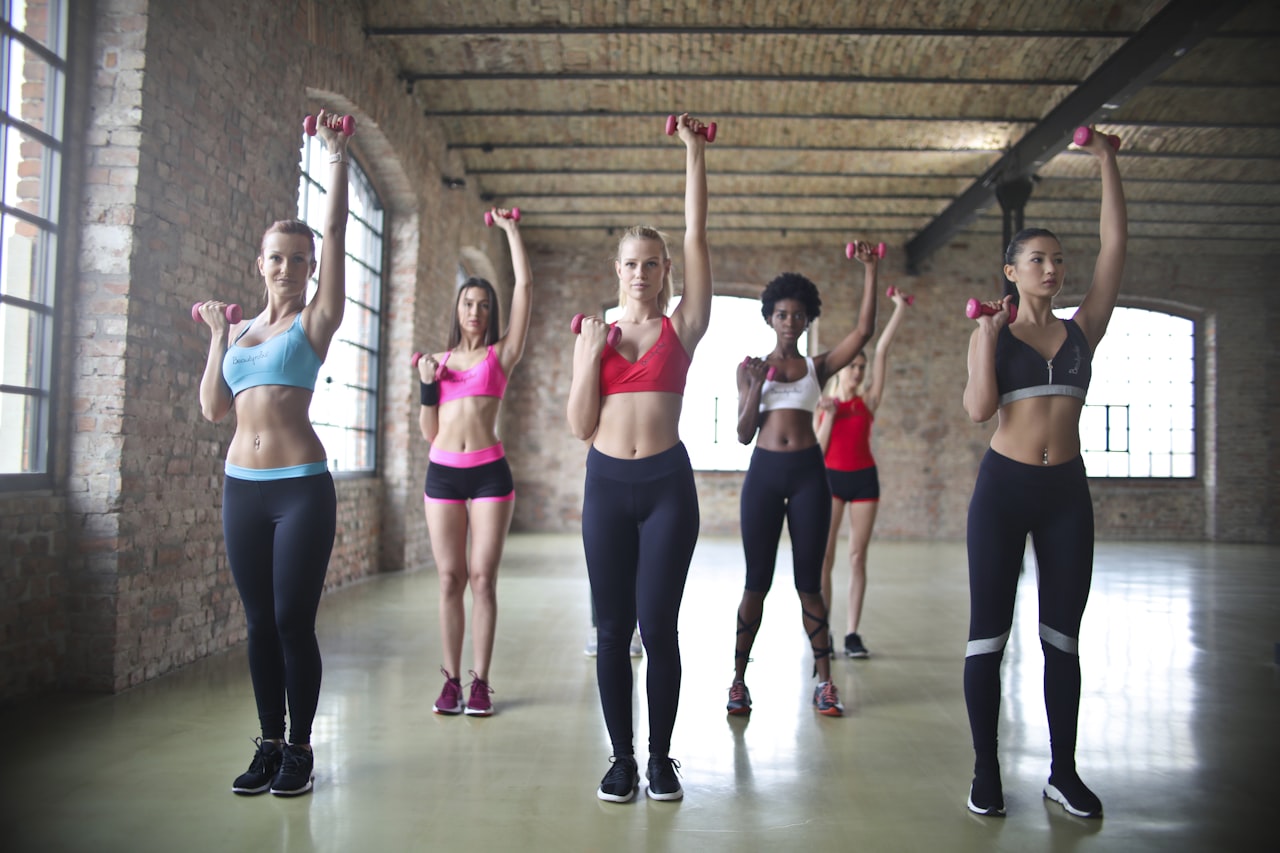
A large segment of fitness enthusiasts is motivated primarily by the social aspect of exercise — the camaraderie of group classes, the energy of a packed studio, the accountability of a training buddy. They try multiple activities, belong to multiple studios and prioritise experience and community over specific fitness modalities. Marketing to this segment should emphasise belonging, fun and social connection.
Casual and Aspiring Fitness Consumers
This broad segment includes people who exercise occasionally, are considering starting a fitness routine or have health and fitness goals they have not yet acted upon. They represent the largest potential audience but require different messaging — encouragement, accessibility and low barriers to entry rather than advanced performance content. Converting casual exercisers into committed fitness enthusiasts is a significant growth opportunity for many brands.
Understanding Fitness Consumer Psychology
Fitness purchases are driven by a complex mix of rational and emotional factors. Understanding these drivers enables more effective marketing.
Identity and Self-Expression
For committed fitness enthusiasts, exercise is not just an activity — it is an identity. They identify as runners, yogis, lifters, CrossFitters or cyclists. This identity drives purchasing decisions and brand loyalty. Marketing that reinforces and celebrates fitness identity — rather than simply selling products — creates deeper emotional connections. A well-developed brand identity that aligns with specific fitness identities resonates powerfully.
Community and Belonging
The fitness community in Singapore is remarkably social. Running clubs, gym communities, studio families and cycling groups provide social connection, accountability and shared identity. Brands that facilitate and strengthen community bonds earn loyalty that transcends product features or pricing. Community is often the primary reason people stay engaged with fitness activities long-term.
Goals and Transformation
Fitness enthusiasts are goal-oriented. Whether the goal is a marathon personal best, a body composition target, a yoga progression or simply feeling healthier, the desire for transformation drives purchase decisions. Marketing that helps consumers visualise and achieve their goals — through coaching content, progress tracking, milestone celebrations — aligns with this fundamental motivation.
Social Media and Performance Signalling
Fitness activities are highly social-media-compatible. Workout selfies, race finish photos, yoga poses and gym check-ins are shared widely. Products that photograph well, carry recognisable branding and enhance the social media narrative of fitness achievement benefit from organic exposure. Consider how your product appears in the social media context when designing packaging, branding and marketing materials.
Marketing Channels for Fitness Audiences
Fitness enthusiasts are reachable through both digital and physical channels. The optimal mix depends on your target segment and product category.
Instagram: The Fitness Visual Platform
Instagram remains the dominant platform for fitness content. Workout videos, transformation photos, gym outfits, healthy meals and fitness achievements are shared and consumed constantly. For social media marketing to fitness audiences, Instagram offers both organic and paid opportunities. Reels drive discovery, Stories maintain daily engagement and the feed provides a curated brand showcase. Fitness hashtags and location tags enable discovery by new audiences.
TikTok: Short-Form Fitness Content
TikTok has become a major fitness content platform, particularly for younger audiences. Quick workout tutorials, fitness tips, product reviews, gym humour and transformation content perform well. The platform’s algorithm can deliver viral reach for content that resonates, making it valuable for building awareness quickly. Educational content — exercise form tips, nutrition hacks, myth-busting — tends to generate strong engagement.
YouTube: In-Depth Fitness Content
YouTube is where fitness enthusiasts go for detailed content — full workout programmes, comprehensive product reviews, in-depth nutrition guides and long-form educational content. Building a YouTube presence requires significant content investment but generates compounding returns as your library grows. YouTube content also ranks in Google search, providing dual visibility.
Strava and Fitness Apps
Fitness tracking apps — particularly Strava for running and cycling — have become social networks in their own right. Strava’s sponsored challenges, segment sponsorships and in-app advertising reach fitness enthusiasts during or immediately after their workouts, when engagement and purchase intent are often highest. Other apps like MyFitnessPal, Nike Run Club and various studio apps offer additional advertising opportunities.
Google Search: High-Intent Fitness Queries
Consumers searching for “best running shoes Singapore,” “yoga studio Tiong Bahru,” “protein powder comparison” or “gym membership deals” are actively seeking products and services. A strong SEO strategy capturing these queries, combined with targeted search advertising, drives qualified traffic at the point of purchase intent.
Content Strategy for Fitness Brands
Content is the lifeblood of fitness marketing. Fitness enthusiasts are voracious content consumers, and brands that provide valuable, engaging content earn attention and loyalty.
Educational Training Content
Workout guides, exercise demonstrations, training programme templates and technique breakdowns are perennially popular. Creating comprehensive, high-quality training content establishes expertise and drives organic search traffic. A well-planned content marketing programme should cover beginner through advanced topics across relevant fitness modalities, creating a content library that serves the full audience spectrum.
Nutrition and Recovery Content
Nutrition is inseparable from fitness, and content covering meal planning, macro tracking, pre- and post-workout nutrition, supplement guides and hydration strategies generates consistent demand. Recovery content — stretching routines, sleep optimisation, injury prevention, foam rolling guides — addresses a significant audience need that many brands overlook.
Athlete and Transformation Stories
Stories of real people achieving fitness goals — from completing a first 5K to winning a bodybuilding competition — are powerful motivational content. These stories provide social proof, emotional connection and aspirational motivation. Feature diverse stories that reflect Singapore’s multicultural, multi-age fitness community rather than only showcasing elite athletes.
Product-Integrated Content
The most effective product marketing for fitness audiences integrates products naturally into valuable content rather than promoting them in isolation. A workout guide featuring your apparel, a recipe post using your protein powder, a running route review wearing your shoes — these integrations feel authentic and demonstrate product utility in context.
Behind-the-Scenes and Brand Story Content
Fitness consumers care about brand values and authenticity. Content that reveals your brand’s story — product development, team culture, sponsorship philosophy, sustainability practices — builds emotional connection. Authenticity matters enormously in the fitness space, where consumers are skilled at detecting manufactured narratives.
Community Marketing and Event Strategies
Community is perhaps the most powerful marketing lever for fitness brands. Fitness activities are inherently social, and brands that build genuine communities create sustainable competitive advantages.
Branded Running Clubs and Workout Groups
Launching a branded running club, workout group or fitness community is one of the most effective strategies for fitness brands. Regular group runs, bootcamps or workout sessions create ongoing engagement, brand visibility and customer loyalty. Major running shoe brands have successfully used this model in Singapore, and the approach works for any fitness product category.
Event Sponsorship and Participation
Singapore’s packed fitness event calendar — marathons, triathlons, obstacle course races, fitness expos, yoga festivals — provides numerous sponsorship opportunities. Event sponsorship delivers brand visibility, product sampling, community engagement and content creation opportunities. Choose events that align with your target segment and invest in meaningful activation rather than mere logo placement.
Hosting Community Events
Hosting your own events — community runs, yoga in the park, fitness challenges, launch parties — gives you complete control over the brand experience. These events generate content, build community and create memorable brand associations. Even small-scale events with 30-50 participants can generate significant word-of-mouth and social media content. A strong digital marketing strategy amplifies event impact through pre-event promotion, live coverage and post-event content.
Online Community Building
Complement physical events with online community platforms — Strava clubs, Facebook groups, Telegram channels or dedicated community apps. Online communities maintain engagement between events, provide a space for members to share progress and recommendations, and create a direct communication channel with your most loyal customers.
Partnerships and Sponsorships
Strategic partnerships amplify your reach and credibility within the fitness community.
Athlete and Influencer Partnerships
Singapore has a growing roster of fitness influencers, competitive athletes and fitness content creators. Partnerships range from sponsored posts to long-term ambassadorships with equity alignment. Choose partners whose audience, values and training style align with your brand. Micro-influencers with niche, engaged followings (a dedicated yoga instructor, a respected running coach) often deliver better ROI than large general fitness influencers.
Gym and Studio Partnerships
Partnering with gyms and studios — through product sampling, co-branded classes, member discounts or sponsored spaces — reaches fitness enthusiasts in their training environment. These partnerships are particularly effective for consumable products (nutrition, supplements, beverages) and wearable products (apparel, watches, accessories) where in-context trial drives conversion.
Corporate Wellness Partnerships
Singapore’s corporate wellness market is growing as companies invest in employee health and productivity. Partnering with corporate wellness programmes — providing products for company fitness events, sponsoring corporate challenges, offering employee discounts — reaches fitness enthusiasts through their workplace, adding a B2B revenue stream to your consumer marketing.
Complementary Brand Collaborations
Collaborate with non-competing brands that share your target audience — a running shoe brand partnering with a hydration brand, an activewear label collaborating with a yoga studio, a nutrition company partnering with a fitness app. Co-branded products, joint events and cross-promotional campaigns reach new audiences through trusted brand associations.
Measuring Marketing Effectiveness
Comprehensive measurement ensures your fitness marketing budget delivers results and identifies optimisation opportunities.
Acquisition and Conversion Metrics
Track customer acquisition cost, conversion rate, first-purchase value and new customer growth rate across channels. For e-commerce brands, monitor add-to-cart rates, checkout completion rates and average order values. For service brands (gyms, studios), track trial-to-membership conversion rates and initial package purchases.
Engagement and Community Health
Social media engagement rates, content consumption metrics, community membership growth, event attendance and user-generated content volume all indicate the health of your brand community. High engagement rates suggest strong brand affinity, while declining engagement may signal messaging fatigue or competitive displacement.
Retention and Lifetime Value
Fitness products often rely on repeat purchases — monthly supplement orders, seasonal apparel purchases, annual race registrations. Track repeat purchase rates, subscription retention, cross-category purchasing and customer lifetime value. These retention metrics are typically more predictive of long-term business health than acquisition metrics alone.
Brand and Share of Voice Metrics
Monitor brand awareness, consideration and recommendation rates within your target fitness segments. Track share of voice in social media conversations, search visibility for key terms and event presence relative to competitors. In the competitive Singapore fitness market, brand health metrics provide early warning of shifts in competitive position.
Frequently Asked Questions
How large is the fitness market in Singapore?
Singapore’s fitness market exceeds a billion dollars when including gym memberships, boutique studios, fitness equipment, sports nutrition, apparel and digital fitness products. The market continues to grow, driven by rising health consciousness, boutique fitness expansion and increasing participation in running and outdoor activities.
What fitness activities are most popular in Singapore?
Running is the most popular fitness activity by participation, followed by gym training, yoga, group fitness classes, cycling and swimming. Boutique fitness modalities like Pilates, HIIT, spinning and boxing have grown significantly in recent years. Outdoor activities including hiking and park workouts are also increasingly popular.
Which social media platform is best for fitness marketing?
Instagram remains the dominant platform for fitness content, offering visual storytelling, community features and strong engagement rates. TikTok is growing rapidly for fitness content among younger audiences. YouTube is essential for in-depth training content. Strava reaches runners and cyclists at high-engagement moments. Most effective strategies use multiple platforms.
How effective is community marketing for fitness brands?
Community marketing is exceptionally effective for fitness brands. Fitness activities are inherently social, and brands that build genuine communities — through running clubs, workout groups, events and online spaces — create loyalty, advocacy and retention that advertising alone cannot achieve.
Should I work with fitness influencers in Singapore?
Yes, provided you choose the right partners. Fitness influencers with engaged, relevant followings can drive awareness, credibility and conversion. Prioritise authenticity, audience alignment and engagement rate over follower count. Long-term partnerships are more effective than one-off sponsorships.
How do I market to both beginners and advanced fitness enthusiasts?
Create segmented messaging and content. Beginners need encouragement, accessibility and education — messaging should be welcoming and non-intimidating. Advanced enthusiasts want performance, innovation and technical depth. Use audience segmentation in paid campaigns and create content series that cater to different experience levels.
What role do events play in fitness marketing in Singapore?
Events are a cornerstone of fitness marketing. Singapore’s packed calendar of races, fitness expos and community events provides sponsorship, sampling and engagement opportunities. Hosting your own events builds community and brand ownership. Events generate content, word-of-mouth and memorable brand experiences.
How do I differentiate my fitness brand in Singapore’s competitive market?
Differentiate through community (build a tribe, not just a customer base), specialisation (own a specific niche rather than competing broadly), authenticity (genuine brand story and values), innovation (products or experiences that genuinely advance fitness) and local relevance (content and marketing tailored to Singapore’s unique fitness culture).
What content types drive the most engagement with fitness audiences?
Workout videos and tutorials consistently drive high engagement, followed by transformation stories, nutrition content, product reviews and motivational content. Short-form video (Reels, TikTok) drives discovery and reach, while long-form content (YouTube, blogs) builds authority and search traffic. User-generated content provides authentic social proof.
How do I measure the ROI of fitness event sponsorship?
Track direct metrics (leads generated, samples distributed, discount code redemptions, social media growth during events) and indirect metrics (brand awareness lift, sentiment change, post-event traffic spikes). Use unique tracking codes for event-specific offers and survey new customers about how they discovered your brand to capture event-driven acquisition.