Facebook Marketing for the Malaysian Market: A Guide for Singapore-Based Businesses
Table of Contents
- Why Singapore Businesses Should Target the Malaysian Market
- Understanding Malaysian Facebook Users
- Account Setup and Audience Targeting
- Ad Creative and Messaging for Malaysian Audiences
- Budget and Bidding Strategy for Cross-Border Campaigns
- Cultural and Regulatory Considerations
- Measuring Cross-Border Campaign Performance
- Frequently Asked Questions
Why Singapore Businesses Should Target the Malaysian Market
Facebook marketing Malaysia represents one of the most accessible cross-border growth opportunities for Singapore-based businesses. Malaysia’s population of over 33 million is roughly six times Singapore’s, and the country has one of the highest social media penetration rates in Southeast Asia. Facebook remains the dominant social platform, with over 25 million active users, making it the most efficient channel for reaching Malaysian consumers at scale.
The geographic and cultural proximity between Singapore and Malaysia makes cross-border marketing significantly easier than entering more distant markets. Shared languages, overlapping cultural references, and established trade corridors mean that many Singapore products and services already have natural demand in Malaysia. Sectors like education, healthcare, professional services, e-commerce, and technology see particularly strong cross-border potential.
From a cost perspective, facebook marketing malaysia campaigns offer substantially lower costs per thousand impressions and costs per click compared to targeting Singaporean audiences. The larger audience pool and lower competition among advertisers mean your budget goes further. A Singapore business running a well-structured digital marketing campaign targeting Malaysia can often achieve three to five times the reach of an equivalent Singapore-focused campaign at the same budget.
Understanding Malaysian Facebook Users
Malaysian Facebook users differ from Singaporean users in several important ways that affect campaign strategy. The demographic spread is broader, with strong representation across all age groups from 18 to 65. Unlike Singapore where younger users have migrated heavily to Instagram and TikTok, Facebook in Malaysia retains significant engagement among the 18-34 demographic alongside the older segments.
Language is a critical consideration. Malaysia is multilingual, with content consumed in Bahasa Melayu, English, Mandarin, and Tamil. English-language content reaches urban, educated Malaysians effectively, but Bahasa Melayu content reaches a much larger audience. For maximum reach, consider running bilingual campaigns or creating separate ad sets for different language segments. Mandarin-language ads can target the Malaysian Chinese demographic specifically.
Mobile usage dominates. The vast majority of Malaysian Facebook users access the platform exclusively on mobile devices, often on mid-range smartphones with variable connection speeds. This has practical implications for ad creative: videos should be optimised for mobile viewing, images must be clear at small sizes, and landing pages must load quickly on 4G connections. Content that works on Singapore’s fast broadband connections may underperform on Malaysian mobile networks.
Account Setup and Audience Targeting
You can run facebook marketing malaysia campaigns directly from your existing Meta Business Suite account in Singapore. There is no need to set up a separate Malaysian entity or advertising account. Simply select Malaysia as your target location when creating campaigns. You can target the entire country or narrow down to specific states, cities, or even postal codes.
Location targeting options include people living in a location, people recently in a location, or people travelling to a location. For most cross-border campaigns, select “people living in this location” to reach permanent residents. If you are promoting travel or tourism services, “people recently in this location” captures visitors as well.
Layer demographic and interest targeting on top of location. Key targeting options for Malaysia include language (to separate English, Malay, and Chinese-speaking audiences), age, income level (available as a detailed targeting option), and interest categories. Custom audiences from your existing customer data, website visitors, or engagement audiences can also be used, though you may need to build Malaysia-specific lookalike audiences for best results. The Facebook advertising targeting tools give you precise control over who sees your cross-border campaigns.
Ad Creative and Messaging for Malaysian Audiences
Ad creative that performs well in Singapore does not automatically translate to Malaysian audiences. While there are cultural overlaps, Malaysian consumers respond to different messaging angles, visual styles, and value propositions. Price sensitivity is generally higher in Malaysia, so emphasising value, discounts, and free shipping resonates more strongly than premium positioning.
Localise your creative by using Malaysian ringgit (RM) for all pricing, featuring Malaysian locations or cultural references where relevant, and using language that feels natural to Malaysian consumers. Even for English-language ads, Malaysian English has distinct conventions — for example, Malaysians commonly use “lah” as a sentence-ending particle, and direct translations from Singapore English can sometimes feel off.
Video ads outperform static images on Facebook Malaysia, particularly short-form videos under 30 seconds. Product demonstrations, customer testimonials from Malaysian users, and problem-solution narratives all perform well. If you are promoting services that require travel to Singapore (such as medical tourism, education, or professional services), address the logistics directly in your ad creative — include information about transport, accommodation, and what the cross-border experience looks like for a Malaysian customer.
Budget and Bidding Strategy for Cross-Border Campaigns
Cost per thousand impressions (CPM) in Malaysia typically ranges from RM 8-25, compared to S$15-50 in Singapore. Cost per click ranges from RM 0.50-3.00, depending on industry and targeting precision. These lower costs mean you can test more creative variations, audience segments, and campaign strategies within the same budget that would buy limited data in Singapore.
Start with a daily budget of RM 50-100 per ad set during the testing phase. This gives Meta’s algorithm enough data to optimise delivery within two to three days. Once you identify winning combinations of audience and creative, scale budgets gradually — increase by no more than 20-30 per cent every three days to avoid disrupting the algorithm’s learning phase.
Choose your campaign objective carefully. For e-commerce businesses, the Advantage+ Shopping Campaigns format has shown strong results in the Malaysian market. For lead generation, the native Lead Ads format works particularly well in Malaysia because it eliminates the need to load an external landing page, which can be slow on mobile networks. For brand awareness, reach and video views objectives deliver efficient results at scale. Working with a specialist social media marketing agency can help you establish the right bidding strategy from the outset and avoid costly trial-and-error periods.
Cultural and Regulatory Considerations
Malaysia is a multi-ethnic, Muslim-majority country, and advertising content must respect cultural and religious sensitivities. During Ramadan, the fasting month, marketing campaigns should be adjusted both in content and timing. Avoid food-related advertising during daylight hours and consider Ramadan-specific campaigns that acknowledge the significance of the period. Hari Raya Aidilfitri, the celebration at the end of Ramadan, is one of the biggest consumer spending periods of the year.
Halal compliance matters for food, beverage, cosmetics, and pharmaceutical products. If your product has halal certification, prominently feature this in your advertising. If it does not, be transparent about ingredients and avoid targeting demographics for whom halal status is a key purchase criterion. Advertising food and beverages without halal certification to Muslim audiences can damage brand reputation.
From a regulatory standpoint, Malaysia’s Communications and Multimedia Content Code governs advertising content. Advertisements must not contain misleading claims, inappropriate content, or material that could be deemed offensive to any racial or religious group. The Malaysian Advertising Standards Authority (ASA) enforces these guidelines. Health-related claims, financial services advertising, and alcohol promotions face additional restrictions. Ensure your ad content complies with Malaysian regulations, not just Singaporean standards, before launching campaigns.
Measuring Cross-Border Campaign Performance
Measuring cross-border campaign performance requires attention to currency conversion, attribution nuances, and country-specific benchmarks. Set up your Meta pixel or Conversions API on your website and configure it to track events from Malaysian visitors separately. Use UTM parameters to tag all Malaysian campaign traffic so you can segment it cleanly in Google Analytics.
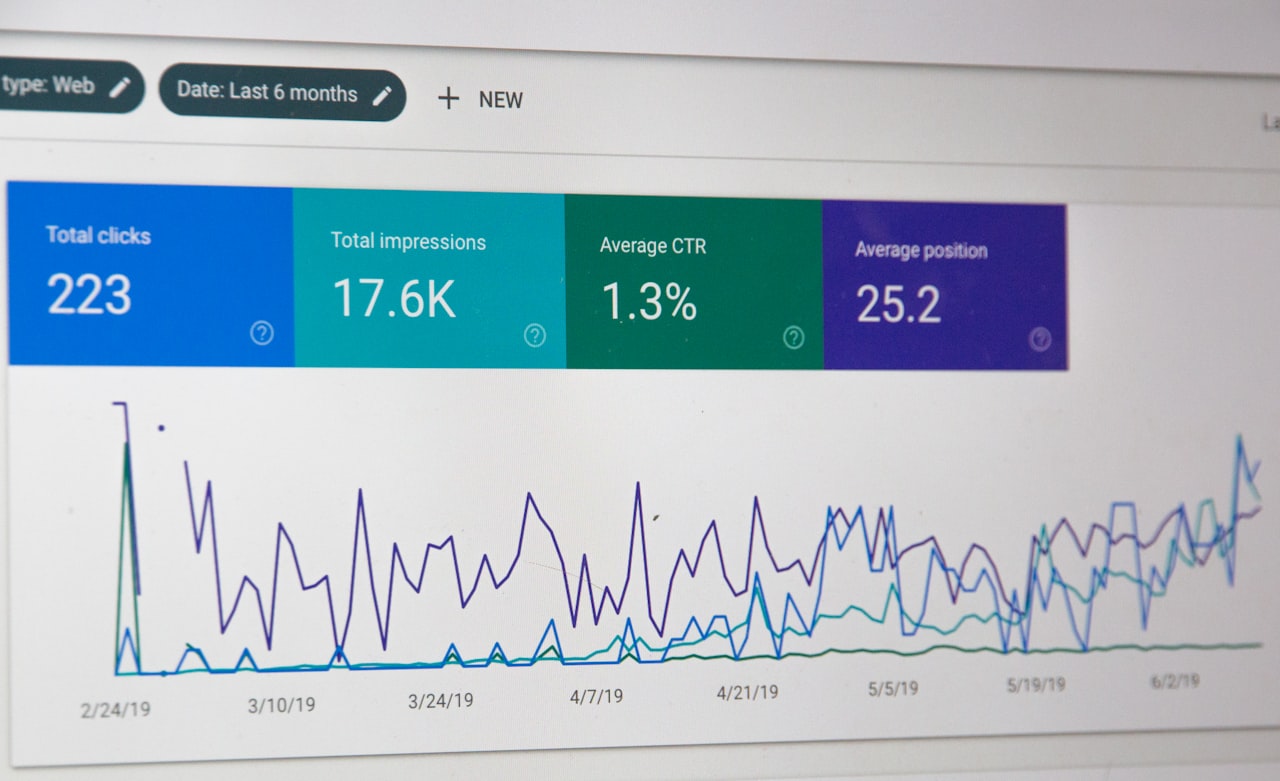
Establish Malaysia-specific KPIs rather than benchmarking against Singapore numbers. Click-through rates, conversion rates, and customer lifetime values will differ between markets. A conversion rate that seems low by Singapore standards might be excellent for Malaysia, and vice versa. Build a reporting framework that tracks the full funnel from impression to revenue, including any cross-border logistics costs that affect profitability.
If your business involves physical delivery to Malaysia, factor in shipping costs, customs duties, and delivery times when calculating true return on ad spend. Many Singapore e-commerce businesses find that their headline ROAS looks strong on Malaysian campaigns, but profitability erodes when logistics costs are factored in. Use landed cost calculations to determine your true break-even point and set appropriate campaign targets. Consider working with Malaysian fulfilment partners or establishing a local presence if order volumes justify the investment. A solid e-commerce marketing approach accounts for these cross-border complexities from the start.
Frequently Asked Questions
Do I need a Malaysian business entity to run Facebook ads in Malaysia?
No. You can run ads targeting Malaysia from your Singapore-registered Meta Business Suite account. Payments are processed in your account’s billing currency (SGD), and Meta handles currency conversion automatically. A Malaysian entity is only needed if you want to accept Malaysian ringgit payments or establish a local business presence.
What language should I use for Facebook ads targeting Malaysia?
It depends on your target audience. English works for urban, educated Malaysians and the Chinese-Malaysian demographic. Bahasa Melayu reaches the broadest audience. For maximum effectiveness, test both languages in separate ad sets and allocate budget based on performance. Mandarin ads can target Malaysian Chinese audiences specifically.
How much cheaper is Facebook advertising in Malaysia compared to Singapore?
On average, CPMs in Malaysia are 50-70 per cent lower than Singapore. Costs per click are typically 40-60 per cent lower. However, conversion rates and average order values may also be lower, so evaluate campaigns on cost per acquisition and return on ad spend rather than traffic cost alone.
Can I ship products from Singapore to Malaysian customers acquired through Facebook?
Yes. Services like Ninja Van, J&T Express, and Pos Laju offer cross-border shipping between Singapore and Malaysia at reasonable rates. Typical delivery takes two to five business days. Factor shipping costs into your pricing and consider offering free shipping above a certain order threshold to improve conversion rates.
What industries perform best with cross-border Facebook marketing to Malaysia?
Education services, medical tourism, e-commerce (particularly beauty, fashion, and electronics), financial services, SaaS products, and professional services see strong cross-border performance. Products or services with a clear quality or trust advantage from being Singapore-based tend to convert well with Malaysian audiences.
Should I create a separate Facebook page for the Malaysian market?
For most businesses, a single page with targeted content is sufficient. Use audience targeting on organic posts to show Malaysian-specific content to Malaysian followers. A separate page is only justified if your Malaysian operations are substantial enough to warrant independent branding and customer service in Bahasa Melayu.
How do I handle customer service for Malaysian customers acquired through Facebook?
Set up Facebook Messenger automated responses in both English and Bahasa Melayu. Clearly communicate response times and business hours (adjusting for the lack of time zone difference). If volume grows, consider hiring a bilingual customer service representative familiar with Malaysian consumer expectations and communication styles.
What are the best times to post and advertise on Facebook for Malaysian audiences?
Peak engagement times on Facebook Malaysia are typically 12pm-2pm (lunch hour), 7pm-10pm (evening), and weekends. During Ramadan, evening engagement shifts later as consumers break fast and browse social media after Iftar. Test different scheduling and review your ad delivery reports to identify your specific audience’s peak activity windows.
Is Instagram or Facebook better for reaching Malaysian consumers?
Facebook has broader reach across all demographics in Malaysia, while Instagram skews younger and more urban. For most cross-border campaigns, start with Facebook for its larger audience and lower costs, then expand to Instagram once you have validated your messaging and creative. Running both through Meta’s Advantage+ placements lets the algorithm distribute spend to whichever platform performs better.