Facebook Ad Targeting: Interest, Behaviour and Demographic Options Explained
Table of Contents
Why Targeting Matters for Singapore Advertisers
A comprehensive facebook ad targeting guide is essential for any Singapore business investing in paid social. With a population of just 5.9 million, Singapore offers a concentrated but highly competitive advertising market where precise targeting separates profitable campaigns from money pits. Getting your audience right means showing ads to people who actually want what you sell, rather than burning budget on irrelevant impressions.
Facebook’s targeting capabilities are among the most sophisticated in digital advertising. The platform collects data from user profiles, behaviour on Facebook and Instagram, third-party data partnerships and activity across the Meta ecosystem. This wealth of data allows you to build audience segments based on demographics, interests, behaviours, life events and even purchase intent.
For Singapore’s diverse market, targeting is particularly valuable because you can segment by language, location, income signals and cultural preferences. A luxury brand in Orchard Road needs a completely different audience than a neighbourhood hawker delivery service. Facebook’s targeting tools let you reach both with precision as part of your broader digital marketing strategy.
Core Audience Targeting Options
Core audiences are built from scratch using Facebook’s built-in targeting parameters. These include location, age, gender, language, detailed targeting (interests and behaviours) and connections. Every Facebook campaign uses core audience settings at the ad set level.
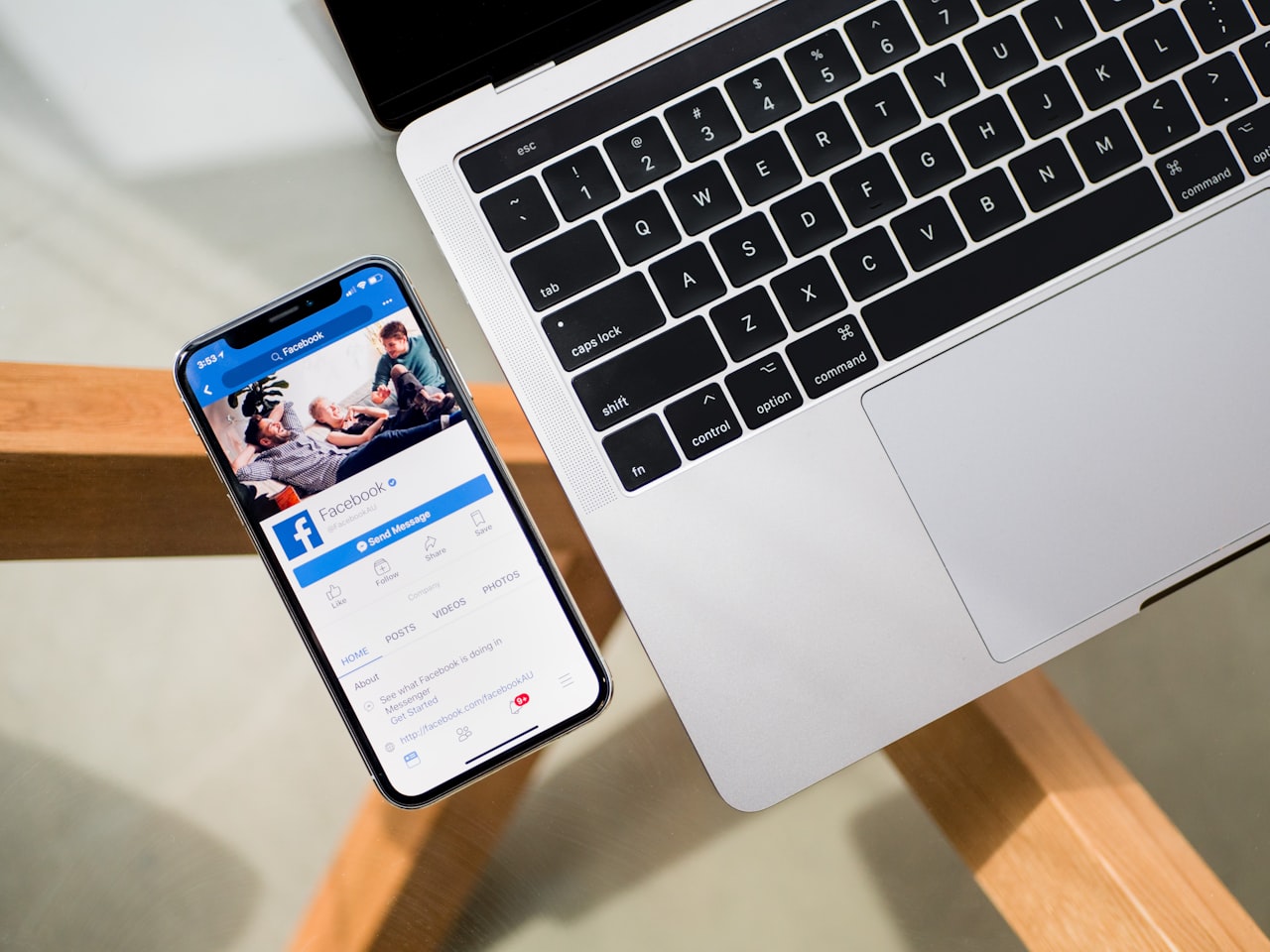
Location targeting in Singapore can be set to the entire country or narrowed to specific areas using radius targeting. You can target people who live in a location, were recently in a location, or are travelling in a location. For businesses with physical stores, radius targeting around your address captures nearby consumers who are most likely to visit.
Age and gender targeting allows you to focus on specific demographic segments. If your product serves a particular age group, narrowing your targeting prevents wasted spend on unlikely buyers. However, avoid over-restricting demographics unless your data strongly supports it, as Facebook’s algorithm often finds valuable customers in unexpected segments.
Language targeting is especially useful in Singapore’s multilingual environment. You can target users whose Facebook interface is set to English, Chinese, Malay, Tamil or other languages. This allows you to serve ads in the user’s preferred language, which typically improves engagement rates by 20 to 30 percent compared to one-language-fits-all approaches.
Interest-Based Targeting Deep Dive
Interest targeting lets you reach people based on their hobbies, entertainment preferences, favourite brands and lifestyle affinities. Facebook categorises interests into broad groups including business and industry, entertainment, family and relationships, fitness and wellness, food and drink, hobbies, shopping, sports and technology.
Effective interest targeting requires thinking beyond the obvious. Instead of targeting people interested in “digital marketing” to promote your agency services, consider targeting business owners, startup founders or people interested in specific platforms like Shopify or HubSpot. These adjacent interests often indicate higher purchase intent than direct category matches.
Layering multiple interests narrows your audience to more qualified prospects. For example, a Singapore wedding photographer might combine interests in “Wedding planning” AND “Photography” AND “Luxury goods” to reach engaged couples with higher budgets. Use the AND function (narrow further) rather than OR (include more) to create tighter segments.
Facebook’s interest suggestions feature helps you discover related interests you might have missed. Enter one core interest and Facebook will suggest related options along with estimated audience sizes. Test multiple interest combinations in separate ad sets to identify which groups respond best to your offering. Check our Facebook ads guide for campaign setup basics.
Behavioural Targeting Strategies
Behavioural targeting focuses on what people do rather than what they say they like. Facebook tracks purchase behaviours, device usage, travel patterns and digital activities to build behavioural segments. These signals often indicate stronger intent than interest-based targeting.

Purchase behaviour targeting identifies users based on their buying patterns. You can target frequent online shoppers, users who have made purchases in specific categories or people who tend to buy premium products. For Singapore e-commerce businesses, targeting engaged shoppers who buy online regularly produces significantly better conversion rates than broad interest targeting.
Device targeting allows you to reach users based on the devices they use. You can target iPhone users, Android users, specific device models or users who connect via Wi-Fi versus mobile data. Premium device users often correlate with higher purchasing power, making this a useful proxy for income-based targeting in Singapore.
Travel behaviour targeting is particularly relevant for Singapore’s tourism and hospitality sector. You can reach frequent international travellers, people who have recently returned from a trip, or users currently travelling in Singapore. Combine travel behaviours with location targeting to reach tourists visiting Singapore or Singaporeans planning overseas trips.
Digital activity behaviours include Facebook page admins, small business owners, users who click on call-to-action buttons frequently and early technology adopters. For B2B advertisers in Singapore, targeting page admins and business owners can be more effective than job title targeting because these behaviours indicate active business engagement.
Custom Audiences for Retargeting
Custom audiences are built from your own data sources and represent people who have already interacted with your business. These warm audiences consistently deliver the highest conversion rates because the users already know your brand. Setting up your Facebook Pixel is a prerequisite for website custom audiences.
Website custom audiences let you retarget visitors based on specific pages viewed, time spent on site, frequency of visits or events triggered. Create segmented audiences such as product page viewers, cart abandoners, blog readers and past purchasers. Each segment should receive different messaging that matches their stage in the buyer journey.
Customer list audiences are built by uploading your CRM data, including email addresses and phone numbers, to Facebook. The platform matches your data against its user base and creates a targetable audience. Match rates for Singapore data typically range from 50 to 70 percent. Keep your lists updated regularly for the best results.
Engagement custom audiences capture users who have interacted with your content on Facebook or Instagram without visiting your website. You can build audiences from video viewers, lead form openers, Instagram profile visitors, Facebook page engagers and event respondents. These audiences bridge the gap between awareness and website retargeting. Combine them with lookalike audiences for maximum reach.
Lookalike Audiences at Scale
Lookalike audiences allow Facebook to find new users who share characteristics with your best existing customers. You provide a source audience such as a customer list, website visitors or page engagers, and Facebook identifies similar users from its broader user base.
Lookalike percentage determines how closely the new audience resembles your source. A one percent lookalike in Singapore captures approximately 40,000 users who are most similar to your source audience. Larger percentages increase reach but reduce similarity. Most Singapore advertisers find the sweet spot between one and three percent.
The quality of your source audience directly impacts lookalike performance. Build your source from high-value customers rather than all customers. A lookalike based on repeat purchasers or high-AOV buyers will outperform one based on all website visitors. Aim for a source audience of at least 1,000 users for reliable results.
Value-based lookalike audiences use customer lifetime value data to weight the audience creation. Users who have spent more with your business carry more influence in shaping the lookalike. This advanced feature is particularly effective for e-commerce businesses with varied order values and helps prioritise custom audience segments that drive revenue.
Best Practices for Singapore Campaigns
Start broad and let Facebook’s algorithm optimise. While precise targeting feels logical, Facebook’s machine learning often identifies high-value users you would never have targeted manually. Consider using broader targeting with conversion optimisation and let the algorithm do the heavy lifting.
Avoid audience overlap between ad sets. When multiple ad sets target the same users, they compete against each other in the auction, driving up your costs. Use the Audience Overlap tool in Ads Manager to check for conflicts and exclude audiences from overlapping ad sets.
Refresh your targeting regularly. Audience fatigue affects targeting just as much as creative fatigue. If performance declines after several weeks, test new interest combinations, update your custom audience windows or expand your lookalike percentages.
Test different audience sizes. Larger audiences give the algorithm more room to optimise but may include less relevant users. Smaller audiences are more precise but can exhaust quickly in Singapore’s compact market. Run parallel tests to find the right balance for your specific business and budget. Working with a professional Google Ads services provider can help you achieve better results. Working with a professional Google Ads cost provider can help you achieve better results.
Use exclusions strategically. Exclude existing customers from acquisition campaigns, exclude recent converters from retargeting campaigns and exclude low-intent audiences like one-second website visitors from your remarketing pools. Smart exclusions reduce waste and keep your messaging relevant across different campaign types.
Frequently Asked Questions
What is the minimum audience size for Facebook ads in Singapore?
Facebook requires a minimum audience of 1,000 users to deliver ads. For optimal performance in Singapore, aim for audiences of at least 20,000 to 50,000 for conversion campaigns and 100,000 or more for awareness campaigns. Smaller audiences exhaust quickly and limit the algorithm’s ability to optimise.
Can I target by income level on Facebook?
Facebook does not offer direct income targeting in Singapore. However, you can use proxies such as premium device ownership, luxury brand interests, frequent international travel behaviour and postcode-level location targeting in affluent neighbourhoods like Bukit Timah, Holland Village or Sentosa Cove.
How often should I change my targeting?
Review targeting performance weekly and make adjustments every two to four weeks or when you see declining results. Avoid changing targeting too frequently as the algorithm needs time to exit the learning phase and optimise. Significant targeting changes restart the learning phase.
Is detailed targeting expansion worth using?
Detailed targeting expansion allows Facebook to show ads beyond your defined audience if it predicts better results. This feature often improves performance for conversion campaigns because the algorithm has more flexibility to find converters. Test it against strict targeting to compare results for your specific use case.
Should I use broad or narrow targeting for lead generation?
Start with moderately narrow targeting that focuses on your ideal customer profile, then test broader audiences. For B2B lead generation in Singapore, narrow targeting by job title and industry typically produces higher-quality leads, while B2C campaigns often perform better with broader interest-based targeting.
How do I target competitors’ customers on Facebook?
You cannot directly target a competitor’s customer list. However, you can target users who are interested in competitor brands, follow competitor pages or engage with competitor content. Combine competitor interest targeting with behavioural signals like recent purchase activity for better results.
What targeting works best for local businesses in Singapore?
Local businesses should prioritise radius targeting around their location combined with relevant interest and demographic filters. A five-kilometre radius works well for most neighbourhood businesses. Layer in interests related to your industry and exclude areas you do not serve to maximise budget efficiency.