Event Marketing Strategy: How to Plan, Promote and Measure Live and Virtual Events
Table of Contents
Why Event Marketing Still Matters
In a world saturated with digital content, event marketing strategy offers something that emails and social media posts cannot: genuine human connection. Events create shared experiences that build trust, deepen relationships and generate leads in ways that digital-only marketing struggles to replicate. For Singapore businesses, where relationship-building is central to the business culture, events remain one of the most effective marketing investments.
The data supports this. According to industry research, 80 per cent of marketers believe live events are critical to their company’s success, and event attendees convert to customers at significantly higher rates than leads acquired through other channels. The reason is simple: an attendee has invested their most precious resource, their time, which signals genuine interest.
Singapore’s position as a regional business hub makes it an ideal location for events that draw both local and ASEAN audiences. The country hosts major conferences like Tech in Asia, Singapore FinTech Festival and Food and Hotel Asia, creating an event-friendly culture that businesses of all sizes can tap into. Whether you are hosting an intimate workshop for 20 people or a conference for 2,000, a clear event marketing strategy turns the investment into measurable returns.
Setting Clear Event Objectives
Every event needs a primary objective that shapes every subsequent decision. Lead generation events focus on capturing contact information from qualified prospects. Brand awareness events aim to position your company as an industry leader. Customer retention events strengthen relationships with existing clients. Community-building events create networks that generate long-term value.
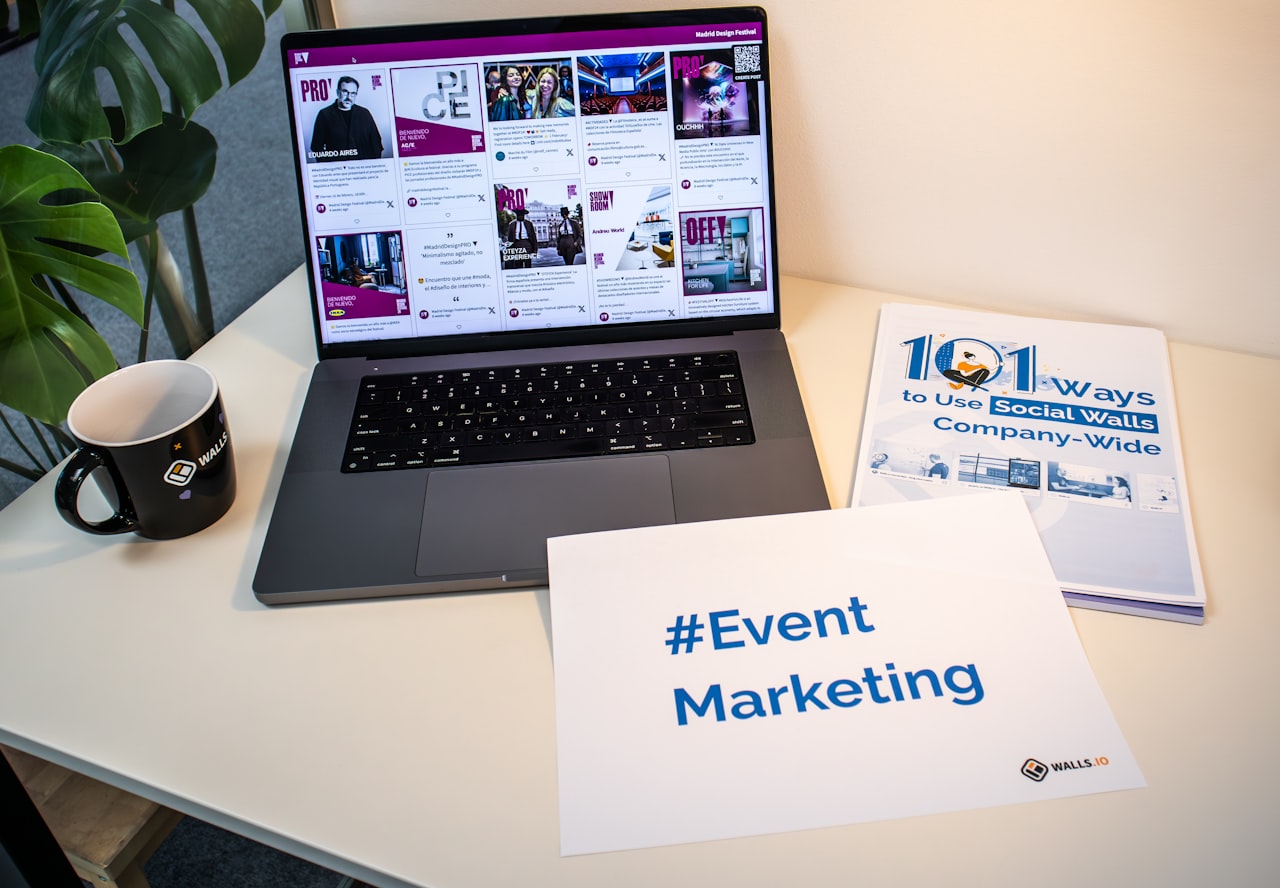
Define success metrics before you start planning. For a lead generation event, your metrics might include number of qualified leads captured, cost per lead and conversion rate to opportunity within 90 days. For a brand event, metrics might focus on media coverage, social media mentions and attendee satisfaction scores.
Set a realistic budget that accounts for all costs: venue, catering, technology, speakers, marketing, staffing and post-event follow-up. Singapore venue costs vary dramatically, from $500 for a co-working space seminar room to $50,000 or more for a hotel ballroom. Align your venue choice with your audience expectations and event objectives.
Choose your format based on your audience and objectives. Workshops and masterclasses work well for demonstrating expertise. Panel discussions position you as a convener of industry thought leadership. Networking events prioritise relationship-building. Product launches create buzz and media opportunities. Each format requires different planning, promotion and measurement approaches.
Planning Your Event From Concept to Logistics
Start planning at least eight to twelve weeks before the event date for small events and six months or more for large conferences. Create a detailed project plan with milestones, dependencies and responsible team members. Event planning has many moving parts, and missed deadlines cascade quickly.
Venue selection is one of your earliest and most impactful decisions. Consider capacity, accessibility by MRT and bus, parking availability, AV equipment, catering options and ambiance. For business events in Singapore, popular options include Marina Bay Sands Expo, Suntec Singapore, Singapore EXPO and smaller venues like the National Library or co-working spaces like WeWork and JustCo.
Secure speakers and partners early. Compelling speakers drive registrations more than any other factor. Look for speakers who bring genuine expertise rather than self-promotional content. Partner with complementary businesses to share costs, expand reach and add value for attendees. Co-hosted events can reach twice the audience at a fraction of the cost.
Build a registration system that captures the data you need without creating friction. Tools like Eventbrite, Peatix and Luma handle registration, ticketing and communication. For free events, expect a 40-60 per cent show rate. For paid events, expect 70-85 per cent. Plan your capacity and catering accordingly, and integrate registration data with your marketing automation system for seamless follow-up.
Promoting Your Event Across Channels
Event promotion should follow a phased approach. The announcement phase, six to eight weeks out, focuses on awareness and early registrations. Use your email list, social media channels and website to announce the event. Early bird pricing or limited-availability messaging creates urgency.
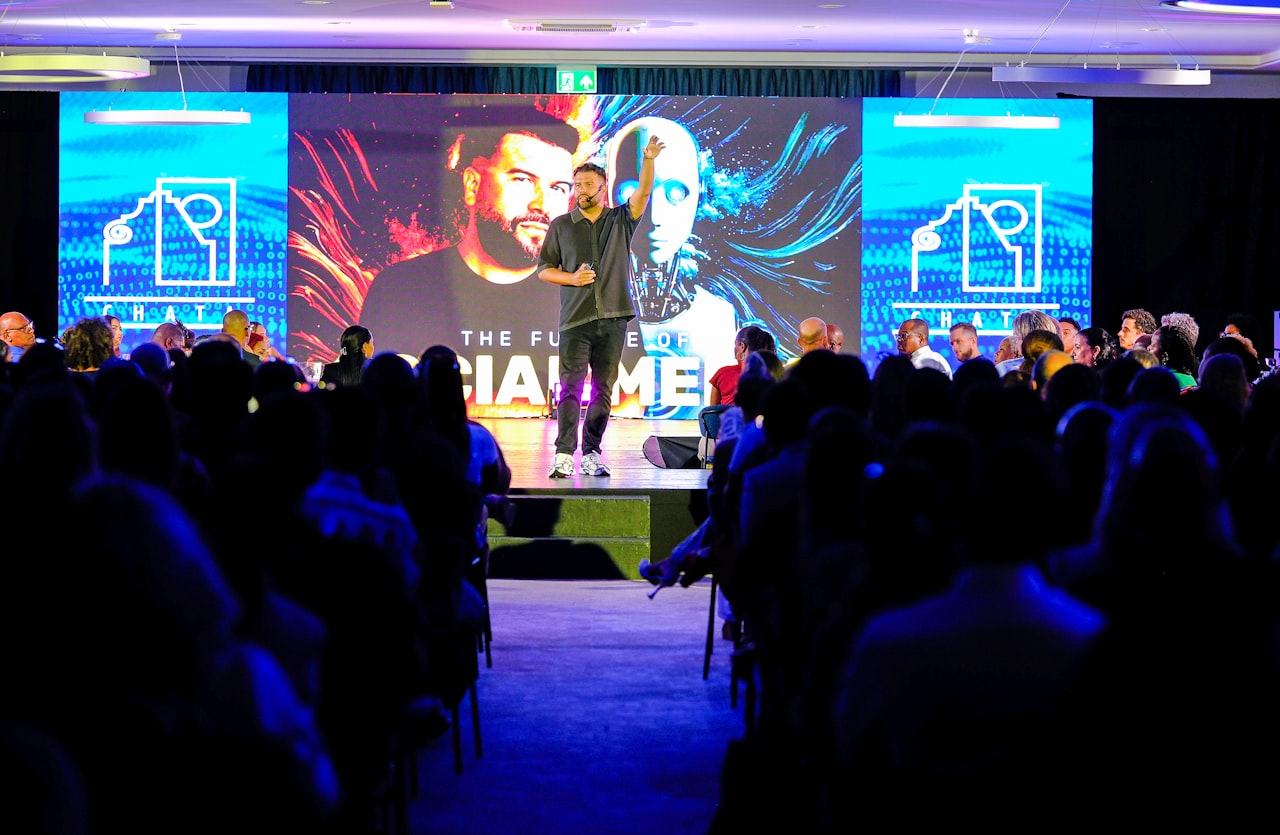
The engagement phase, two to six weeks out, deepens interest through speaker spotlights, topic previews and behind-the-scenes content. Share short video teasers from speakers, publish blog posts on event topics and use social media marketing to build momentum. Encourage registered attendees to share the event with their networks.
The final push, one to two weeks before, targets undecided prospects with scarcity messaging. “Only 30 seats remaining” or “Registration closes Friday” drives last-minute sign-ups. Retarget website visitors who viewed the event page but did not register. Send a final reminder email to your list with a clear value proposition and registration link.
Paid promotion amplifies your reach beyond owned channels. Facebook and Instagram ads work well for consumer and SME events. LinkedIn ads are more effective for B2B and professional events. Google Ads capture people actively searching for events in your topic area. Allocate 15-25 per cent of your total event budget to promotion.
Virtual Event Considerations
Virtual events remove geographic barriers and reduce costs but introduce engagement challenges. Attention spans online are shorter than in person, so structure your virtual event in shorter segments with interactive elements between presentations. Ninety-minute sessions with breaks tend to perform better than three-hour marathons.
Platform selection matters enormously. Zoom works for small workshops and webinars. Hopin, Airmeet and Run The World offer more feature-rich environments with networking capabilities, virtual booths and breakout rooms. For large virtual conferences, Bizzabo and ON24 provide enterprise-grade infrastructure and analytics.
Production quality sets professional virtual events apart from glorified video calls. Invest in good lighting, audio and backgrounds for speakers. Use a dedicated moderator to manage Q&A, chat and technical issues. Pre-record presentations where possible and broadcast them live with real-time Q&A to reduce the risk of technical failures.
Virtual events generate rich data that in-person events cannot match. Track session attendance, engagement scores, chat participation, poll responses and resource downloads. This data helps you qualify leads and personalise follow-up in ways that a business card from a networking event never could.
Engaging Attendees on the Day
First impressions matter. For in-person events, ensure smooth check-in with minimal queuing. Have signage, name badges and welcome packs ready. Assign team members to greet attendees and facilitate introductions. The first 15 minutes set the tone for the entire event.
Build interaction into every session. Polls, Q&A segments, small-group discussions and hands-on exercises keep attendees engaged and create the connections that make events valuable. Passive lecture-style presentations may convey information, but interactive sessions build relationships.
Create networking opportunities that go beyond awkward mingling. Structured networking formats like speed networking, themed roundtables or shared challenges give introverts and extroverts alike a framework for meaningful conversation. In Singapore’s multicultural business environment, these structures help bridge cultural communication preferences.
Capture content during the event for post-event marketing. Photograph key moments, record sessions for later distribution, collect testimonials on camera and encourage attendees to share on social media with your event hashtag. This content extends the event’s impact well beyond the day itself and feeds your content marketing pipeline for months.
Measuring Event ROI
Calculate event ROI by comparing total costs against the value of outcomes generated. For lead generation events, track the number of leads captured, the percentage that convert to opportunities and the revenue generated from those opportunities over 6-12 months. This attribution window is important because event leads often have longer sales cycles than digital leads.
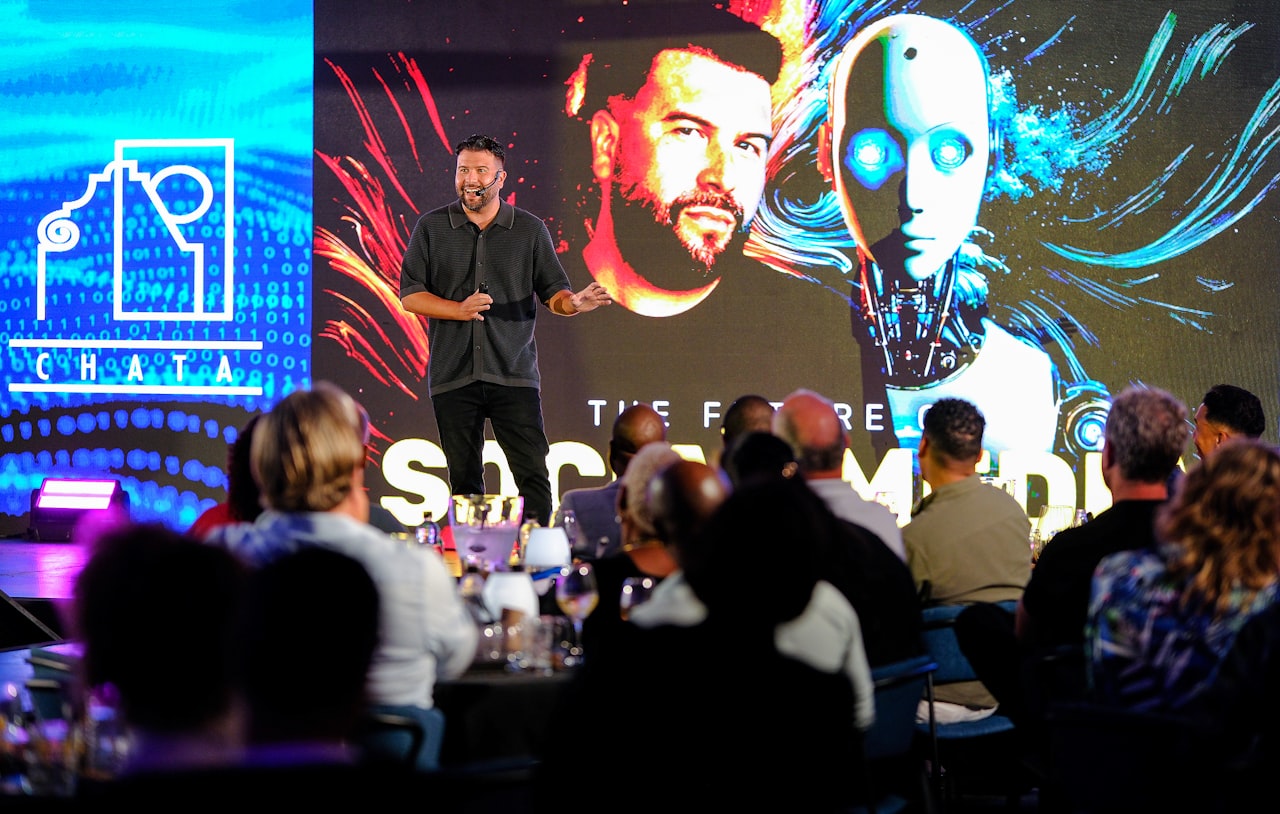
Send a post-event survey within 24 hours while the experience is fresh. Ask about content quality, logistics, networking value and likelihood to attend future events. Net Promoter Score for events gives you a single metric to track satisfaction over time. Use open-ended questions to capture qualitative feedback that numbers miss.
Track downstream engagement from event attendees. Do they open your emails at higher rates? Do they visit your website more frequently? Do they progress through your sales pipeline faster? Comparing event-sourced leads against other lead sources reveals the true value of your event marketing strategy beyond the immediate ROI calculation.
Document everything for future events. What worked, what did not, what you would change and what attendees specifically praised or criticised. This institutional knowledge compounds over time, making each subsequent event more effective and efficient than the last.
Frequently Asked Questions
How much does it cost to host a business event in Singapore?
Costs vary enormously. A small workshop in a co-working space might cost $1,000-3,000 including catering. A mid-sized seminar at a hotel can run $10,000-30,000. A full-scale conference with hundreds of attendees typically costs $50,000 or more. Budget 15-25 per cent of total costs for promotion.
What is the ideal event size for lead generation?
For B2B lead generation, smaller events of 30-100 attendees often outperform large events. The intimate setting allows for deeper conversations and stronger connections. Large events generate more leads in volume, but smaller events generate higher-quality leads with better conversion rates.
How far in advance should I promote an event?
Start promotion six to eight weeks before for small events and three to six months before for large conferences. Most registrations come in the first two weeks and the last week before the event. Maintain steady promotion in between to build momentum.
Should I charge for my event or make it free?
Paid events attract more committed attendees with higher show rates. Free events generate more registrations but lower attendance. Consider a nominal fee of $20-50 for workshops to filter serious attendees. For lead generation events, free admission with required registration often maximises the lead pool.
How do I get speakers for my event?
Start with your network, clients and industry contacts. Approach speakers with a clear value proposition: audience size, networking opportunities and brand exposure. For larger events, speaker bureaus can connect you with professional speakers. Always brief speakers thoroughly on your audience and event objectives.
What is the best day and time for business events in Singapore?
Tuesday to Thursday mornings or lunchtimes work best for B2B events. Avoid Mondays and Fridays when attendance drops. For evening networking events, 6pm-8pm on weekdays is standard. Avoid scheduling during major holidays, school holidays or competing industry events.
How do I follow up with event attendees effectively?
Send a thank-you email within 24 hours with key takeaways and resources. Segment attendees by engagement level and follow up accordingly. Hot leads who visited your booth or asked questions deserve a personal call. Warm leads receive a nurture sequence. All attendees should receive the post-event survey.
How do I measure virtual event engagement?
Track attendance duration, chat participation, poll responses, Q&A questions asked, resource downloads and post-event content views. Most virtual event platforms provide engagement scores per attendee. Use these scores to prioritise sales follow-up and identify your most engaged prospects.
Can small businesses compete with large companies in event marketing?
Absolutely. Small businesses can host intimate, high-value events that large companies cannot replicate. A focused workshop with genuine expertise often outperforms a lavish corporate event with generic content. Focus on delivering exceptional value to a targeted audience rather than trying to match enterprise-scale production.
What are the biggest event marketing mistakes?
The biggest mistakes are unclear objectives, poor promotion, weak follow-up, choosing content over connection, and failing to measure ROI. Many businesses invest heavily in the event itself but underinvest in promotion and post-event follow-up, leaving potential value on the table.