E-commerce Market Entry in Singapore: Platforms, Logistics and Marketing
Table of Contents
Singapore’s E-commerce Market Landscape
Singapore’s e-commerce market has matured into one of the most developed in Southeast Asia, offering foreign brands and retailers a sophisticated consumer base with strong digital adoption and high spending power. For businesses considering ecommerce market entry Singapore presents a unique combination of a compact, affluent market and a strategic gateway to the broader ASEAN region.
The country’s e-commerce gross merchandise value continues to grow, driven by shifts in consumer behaviour that accelerated during the pandemic and have since become entrenched. Over 85 per cent of Singaporeans have made online purchases, with the average consumer spending approximately S$1,500 annually on e-commerce. Popular product categories include fashion and apparel, electronics, beauty and personal care, groceries, home and living products, and health supplements.
The competitive landscape is dominated by major marketplaces. Shopee holds the largest market share, followed by Lazada and Amazon Singapore. Niche platforms such as Zalora (fashion), Redmart (groceries, now part of Lazada), and Carousell (secondhand and marketplace) serve specific segments. Direct-to-consumer (DTC) brands have also gained significant traction, with Singaporean consumers increasingly willing to purchase directly from brand websites when the shopping experience is compelling.
Several factors make Singapore particularly attractive for e-commerce entry. The country’s world-class logistics infrastructure ensures fast and reliable delivery — most consumers expect same-day or next-day delivery for local orders. Internet penetration exceeds 98 per cent, and mobile commerce accounts for over 70 per cent of online transactions. Trust in online shopping is high, supported by strong consumer protection laws and a well-established digital payments ecosystem.
Singapore also serves as a testbed before scaling across ASEAN. Shopee, Lazada and Amazon all operate regional platforms, meaning success in Singapore can be leveraged to expand into Malaysia, Indonesia, Thailand, the Philippines and Vietnam with relative ease.
Marketplace vs Own Online Store
One of the first strategic decisions for ecommerce market entry Singapore is whether to sell through established marketplaces, build your own online store or pursue a hybrid approach. Each option has distinct advantages and trade-offs.

Selling on Marketplaces
Marketplaces offer immediate access to large existing customer bases. Shopee Singapore attracts tens of millions of monthly visits, providing visibility that would take years and significant investment to build independently. Key marketplace options include:
Shopee is the dominant marketplace, particularly strong for fashion, beauty, electronics and everyday products. Commission rates range from 2 to 5 per cent depending on category, plus payment processing fees. Shopee’s extensive campaign calendar (9.9, 11.11, 12.12 sales) drives enormous traffic spikes. Lazada offers strong logistics integration through its fulfilment service and is particularly effective for electronics and home products. Commission rates are 1 to 4 per cent. Amazon Singapore attracts higher-income consumers and is effective for premium products, electronics and international brands. Referral fees range from 8 to 15 per cent depending on category. Fulfilment by Amazon (FBA) is available for streamlined logistics.
Building Your Own Online Store
A direct-to-consumer online store gives you complete control over branding, customer experience, pricing and data. Popular e-commerce platforms for the Singapore market include Shopify (the most widely used, with excellent Singapore payment gateway integrations), WooCommerce (WordPress-based, highly customisable) and Magento (suitable for larger catalogues and enterprise operations). Building your own store requires greater upfront investment in web design and development and ongoing investment in driving traffic, but provides higher margins and valuable first-party customer data.
The Hybrid Approach
Most successful e-commerce brands in Singapore adopt a hybrid approach — using marketplaces for discovery, volume and customer acquisition whilst building their own DTC store for brand building, higher margins and customer retention. Drive marketplace customers to your own store through branded packaging inserts, loyalty programmes and exclusive product ranges. This strategy balances the immediate traffic benefits of marketplaces with the long-term brand equity of an owned channel.
Payment Gateways and Methods
Offering the right payment methods is essential for conversion in Singapore’s e-commerce market. Singaporean consumers have strong payment preferences, and failing to support popular methods will significantly impact sales.
Key Payment Methods
Credit and debit cards remain the most popular online payment method, with Visa and Mastercard dominating. However, alternative payment methods are growing rapidly. PayNow, Singapore’s real-time payment system linked to mobile numbers and NRIC, is increasingly used for e-commerce. GrabPay has strong adoption among younger consumers. Buy Now Pay Later (BNPL) services such as Atome, Pace and ShopBack PayLater have gained significant traction, particularly for fashion and lifestyle purchases. Apple Pay and Google Pay are widely used for mobile checkout.
Payment Gateway Options
For DTC stores, leading payment gateway options include Stripe (the most developer-friendly, with comprehensive Singapore payment method support), PayPal (essential for international customers), Hitpay (a Singapore-based gateway with competitive fees and strong local payment method coverage) and Adyen (preferred by larger enterprises). Gateway fees typically range from 2.5 to 3.5 per cent per transaction plus a fixed fee of S$0.30 to S$0.50.
Instalment Payment Options
Offering instalment payments can increase average order values by 20 to 40 per cent. Major Singapore banks offer credit card instalment plans, and BNPL providers such as Atome (pay in three instalments) and Pace (pay in three) allow customers to split payments without interest. Integrating these options is straightforward through Shopify apps or direct API integration.
Logistics and Fulfilment
Singapore’s compact geography and world-class logistics infrastructure make e-commerce fulfilment highly efficient. However, consumer expectations for fast, reliable delivery are correspondingly high.
Delivery Expectations and Options
Singaporean consumers expect standard delivery within one to three days for local orders, with growing demand for same-day and next-day options. Free delivery thresholds are common — most successful e-commerce brands offer free shipping above S$40 to S$80. Key delivery partners include Ninja Van (the most widely used for e-commerce, offering next-day delivery from S$2.50 per parcel), J&T Express, Qxpress and SingPost (Singapore’s national postal service, suitable for lightweight items).
Fulfilment Models
Foreign e-commerce companies entering Singapore can choose from several fulfilment models. Third-party logistics (3PL) providers such as Ninja Van Fulfilment, Locad and ShipBob handle warehousing, picking, packing and shipping. This is the most practical option for foreign companies without local operations. Marketplace fulfilment services (Shopee Fulfilled, Lazada FBL, Amazon FBA) handle end-to-end logistics for marketplace orders. Cross-border fulfilment ships directly from overseas warehouses, though longer delivery times reduce competitiveness.
Warehousing
If you choose to maintain local inventory, warehouse space in Singapore is available in industrial estates across the island. Popular locations include Jurong, Tuas, Changi and Paya Lebar. Warehouse rental costs range from S$1.50 to S$3.50 per square foot per month depending on location and specifications. For most new entrants, 3PL warehousing is more cost-effective than leasing dedicated space.
Returns Management
A clear, customer-friendly returns policy is essential. Singaporean consumers increasingly expect free returns, particularly for fashion and apparel. Design your returns process to be simple — prepaid return labels, convenient drop-off points (Ninja Van has over 500 collection points) and quick refund processing build customer confidence and encourage purchase. Budget for a returns rate of 5 to 15 per cent depending on product category.
Legal and Regulatory Requirements
E-commerce operations in Singapore are governed by several regulatory frameworks. Understanding and complying with these requirements is essential for sustainable ecommerce market entry Singapore operations.
Consumer Protection
The Consumer Protection (Fair Trading) Act protects consumers against unfair practices. E-commerce businesses must provide accurate product descriptions, honour advertised prices, clearly state terms and conditions and handle complaints fairly. The Lemon Law provisions provide remedies for defective goods. Misleading advertising can result in enforcement action by the Competition and Consumer Commission of Singapore (CCCS).
Product Safety and Standards
Certain products require conformity with Singapore safety standards. Controlled goods — including electrical appliances, electronics and gas appliances — must carry the SAFETY Mark issued by Enterprise Singapore. Health supplements require notification with the Health Sciences Authority (HSA). Cosmetics must comply with ASEAN Cosmetic Directive requirements and be notified with HSA. Food products require SFA (Singapore Food Agency) import licences and must meet labelling requirements.
GST on E-commerce
Singapore’s 9 per cent GST applies to most goods and services. For imported goods, GST applies on all consignments regardless of value — the previous low-value goods exemption has been removed. Foreign e-commerce businesses selling B2C digital services must register for GST under the Overseas Vendor Registration regime if global turnover exceeds S$1 million and Singapore sales exceed S$100,000. Marketplace operators may be deemed the supplier for GST purposes under the marketplace rules.
Data Protection
E-commerce businesses collect extensive customer data and must comply with the PDPA. This includes obtaining consent for marketing communications, providing opt-out mechanisms, securing customer data against breaches and maintaining data accuracy. The Do Not Call (DNC) Registry provisions apply to marketing messages sent via phone, SMS and fax.
Digital Marketing for E-commerce
Effective digital marketing is the engine that drives e-commerce growth in Singapore. A multi-channel approach combining organic and paid strategies delivers the best results for sustained customer acquisition and revenue growth.
Search Engine Optimisation
Investing in SEO builds a sustainable source of organic traffic that reduces customer acquisition costs over time. For e-commerce, optimise product pages for specific search queries including product names, categories and buying-intent keywords. Create content around buying guides, product comparisons and educational articles that attract top-of-funnel traffic. Technical SEO is critical — ensure fast page load speeds, proper schema markup for products (enabling rich snippets with price, availability and reviews) and mobile-optimised design.
Paid Advertising
Google Ads drives high-intent e-commerce traffic through Shopping campaigns, search ads and Performance Max campaigns. Google Shopping ads are particularly effective, displaying product images, prices and reviews directly in search results. Meta (Facebook and Instagram) ads excel at awareness and consideration stages, with dynamic product ads retargeting visitors with products they viewed. TikTok ads are increasingly effective for reaching younger demographics, particularly for fashion, beauty and lifestyle products.
Social Media Commerce
Social media plays a central role in Singapore’s e-commerce ecosystem. Instagram Shopping allows direct product tagging and checkout. TikTok Shop has rapidly grown in Singapore, with live shopping events driving significant sales volumes. Facebook Marketplace serves both B2C and C2C commerce. Invest in high-quality product photography and video content — Singaporean consumers are visually oriented and respond strongly to compelling creative.
Content and Influencer Marketing
Content marketing builds brand authority and drives organic traffic. Create buying guides, product comparison articles, how-to content and trend reports that position your brand as an expert in your category. Influencer marketing is particularly effective in Singapore — micro-influencers (5,000 to 50,000 followers) often deliver better engagement rates and ROI than macro-influencers. Platforms such as Partipost, Gushcloud and Kobe connect brands with Singapore-based influencers.
Email and Retention Marketing
Email marketing remains one of the highest-ROI channels for e-commerce. Build your email list from day one and implement automated flows including welcome series, abandoned cart recovery (which can recapture 5 to 15 per cent of abandoned carts), post-purchase follow-ups and re-engagement campaigns. Singaporean consumers respond well to personalised product recommendations and exclusive offers. Ensure compliance with PDPA consent requirements for all marketing communications.
Comprehensive Digital Strategy
The most successful e-commerce brands in Singapore integrate all digital channels into a cohesive digital marketing strategy with consistent branding across every touchpoint. Invest in attribution modelling to understand how channels work together — in Singapore’s multi-device, multi-platform shopping environment, customers typically interact with a brand five to seven times before purchasing.
Cross-Border E-commerce and Regional Expansion
Singapore’s position as an ASEAN trade hub makes it an excellent base for cross-border e-commerce expansion. Success in the Singapore market provides valuable operational experience and brand equity for regional growth.
Regional Marketplace Expansion
Shopee and Lazada operate across six major ASEAN markets, and successful Singapore sellers can expand to Malaysia, Indonesia, Thailand, the Philippines and Vietnam through these platforms. Each marketplace provides localised storefronts, payment processing and logistics. Start with Malaysia, which shares cultural and linguistic similarities with Singapore, before tackling more complex markets like Indonesia and Vietnam.
Cross-Border Logistics
Singapore’s status as a major logistics hub provides excellent cross-border shipping infrastructure. Services such as Janio Asia, Ninja Van Cross-Border and DHL eCommerce offer streamlined shipping to ASEAN destinations. Singapore’s free trade agreements with ASEAN nations facilitate reduced or zero tariffs for many product categories under the ASEAN Trade in Goods Agreement (ATIGA).
Regional Compliance Considerations
Each ASEAN market has distinct regulatory requirements for e-commerce. Indonesia requires importers to have a local API (Angka Pengenal Importir) number. Thailand’s FDA regulates health supplements and cosmetics. Vietnam has specific requirements for foreign e-commerce operators. Research each market’s requirements thoroughly before expansion, and consider engaging local regulatory advisors in each target market.
Frequently Asked Questions
Do I need a Singapore company to sell on Shopee or Lazada Singapore?
Shopee and Lazada both offer cross-border seller programmes that allow foreign companies to sell in Singapore without a local entity. However, having a Singapore company provides advantages including faster delivery through local fulfilment, easier payment processing, access to marketplace advertising tools and greater consumer trust. For serious market entry, local incorporation is recommended.
What are the most popular product categories for e-commerce in Singapore?
The top-performing e-commerce categories in Singapore are fashion and apparel, electronics and accessories, beauty and personal care, health supplements and wellness, home and living products, and groceries. Fast-growing categories include pet care, sustainable and eco-friendly products, and premium food and beverages. Competition is strongest in electronics and fashion, whilst niche categories often offer better margins.
How much does it cost to launch an e-commerce business in Singapore?
Costs vary significantly based on approach. A marketplace-only entry can start with as little as S$5,000 to S$10,000 for product sourcing, listing optimisation and initial advertising. A DTC store with professional web design, inventory and marketing typically requires S$30,000 to S$80,000. A comprehensive hybrid strategy with local warehousing may require S$100,000 to S$250,000 in first-year investment. Ongoing monthly marketing budgets typically range from S$3,000 to S$20,000 depending on scale.
What delivery speed do Singapore consumers expect?
Standard expectations are one to three business days for local orders, with growing demand for same-day and next-day delivery. Free delivery is expected above thresholds of S$40 to S$80. For cross-border orders, consumers generally accept five to ten business days but prefer faster options. Delivery reliability is as important as speed — consistent on-time delivery builds trust and repeat purchases.
Is it worth selling on Amazon Singapore?
Amazon Singapore has a smaller market share than Shopee and Lazada but attracts higher-income consumers with greater purchase intent. It is particularly effective for electronics, home products, international brands and premium goods. Fulfilment by Amazon (FBA) simplifies logistics. If your products align with Amazon’s customer demographic, it can be a valuable additional channel alongside Shopee and Lazada.
How do I handle GST for e-commerce sales in Singapore?
If your business is GST-registered (mandatory above S$1 million in annual taxable turnover), you must charge 9 per cent GST on domestic sales. For imported goods, GST is collected at the point of import for all consignments. Foreign e-commerce businesses selling B2C digital services may need to register under the Overseas Vendor Registration regime. Marketplace operators may collect and remit GST on behalf of sellers under certain conditions. Consult a Singapore tax advisor for your specific situation.
What is the best e-commerce platform for building a DTC store in Singapore?
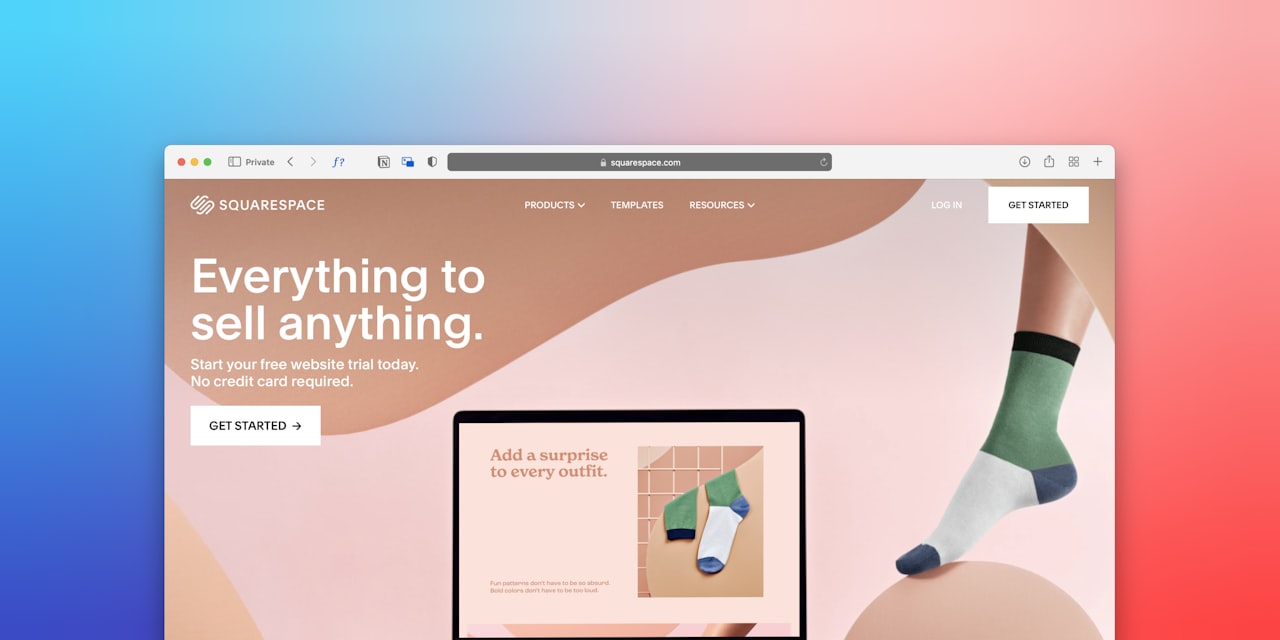
Shopify is the most popular choice for DTC stores in Singapore, offering excellent local payment gateway integrations, a wide range of apps and themes, and strong SEO capabilities. WooCommerce (on WordPress) provides greater customisation flexibility and is cost-effective for smaller catalogues. Magento suits large enterprises with complex product catalogues. For simple stores, Squarespace Commerce offers elegant design templates with less technical complexity.
How effective is influencer marketing for e-commerce in Singapore?
Influencer marketing is highly effective in Singapore, particularly for fashion, beauty, food and lifestyle products. Micro-influencers (5,000 to 50,000 followers) typically deliver engagement rates of 3 to 8 per cent and are more cost-effective than macro-influencers. Budget S$200 to S$1,000 per post for micro-influencers and S$2,000 to S$10,000 for mid-tier influencers. Track performance through unique discount codes, UTM parameters and affiliate links.
Can I sell food products through e-commerce in Singapore?
Yes, but food products require compliance with Singapore Food Agency (SFA) regulations. Imported food products need an SFA import licence, must meet labelling requirements (including allergen declarations and nutritional information panels) and may require product testing. Certain food categories such as meat, seafood and dairy have additional requirements. Online food sellers must also comply with food safety and hygiene standards.
What are the key sale events for e-commerce in Singapore?
The major e-commerce sale events are the monthly numbered sales (9.9, 10.10, 11.11, 12.12), of which 11.11 (Singles’ Day) is the largest. Other important events include Chinese New Year, the Great Singapore Sale (June to August), National Day (August), Black Friday and Cyber Monday, and Christmas. Plan your inventory, marketing budget and campaign calendar around these events, as they can account for 30 to 50 per cent of annual sales for some sellers.