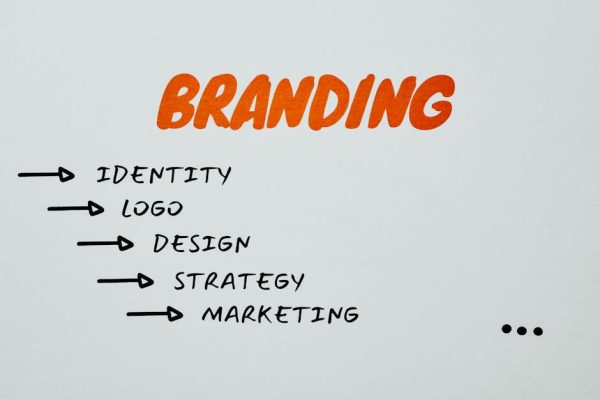
E-commerce Brand Marketing: Stand Out in a Crowded Online Market
Table of Contents
- The Brand Challenge in E-commerce
- Positioning and Differentiation Strategies
- Brand Storytelling That Connects With Shoppers
- Visual Identity and Design for E-commerce
- Customer Experience as Brand Strategy
- Brand Marketing Channels for E-commerce
- Measuring Brand Equity and Performance
- Frequently Asked Questions
The Brand Challenge in E-commerce
Ecommerce brand marketing has never been more critical or more difficult. The explosion of online retail has created a landscape where thousands of brands compete for the same customers, often selling similar products at similar prices. In Singapore, where e-commerce penetration continues to grow year over year, the ability to build a distinctive brand is what separates thriving online businesses from those that fade into obscurity.
The core challenge is commoditisation. When shoppers can compare dozens of options side by side on Shopee, Lazada, or Amazon, the brand that fails to differentiate becomes just another listing competing on price. Price competition erodes margins and creates a race to the bottom that no one wins. Strong brands escape this trap by giving customers reasons to choose them beyond price alone.
Another challenge is the loss of physical brand experience. In brick-and-mortar retail, brands communicate through store design, staff interactions, product displays, and sensory elements. Online, you must convey the same brand personality and trust through pixels on a screen. This requires intentional brand design across every digital touchpoint from website to packaging to customer service interactions.
The opportunity is that e-commerce allows brands to build direct relationships with customers at scale. You own first-party data about who buys from you, what they purchase, and how they engage with your brand. This data powers personalisation and relationship-building that physical retailers struggle to match. Brands that leverage this advantage create loyal customer bases that sustain growth through repeat purchases and word-of-mouth referrals.
Positioning and Differentiation Strategies
Brand positioning defines how your e-commerce brand occupies a distinct space in consumers’ minds. Without clear positioning, you become interchangeable with competitors, leaving price as the only differentiator.

Start by identifying your competitive landscape. Map the existing brands in your category by their positioning across dimensions like premium versus accessible, traditional versus modern, mass market versus niche, and functional versus aspirational. Look for gaps where no brand currently owns a distinctive position. These gaps represent opportunities for differentiation.
Choose a positioning strategy that aligns with your strengths and resonates with your target audience. Product superiority positions your brand around the best quality, ingredients, materials, or technology. Customer intimacy positions around the deepest understanding of customer needs and the most personalised experience. Operational excellence positions around the best value through efficient operations and competitive pricing. Category creation positions your brand as the inventor of an entirely new product or experience.
Your unique value proposition must be specific, credible, and meaningful. Generic claims like premium quality or exceptional service carry no weight because every competitor says the same thing. Instead, articulate what specifically is different about your product, process, or philosophy. A skincare brand might differentiate through proprietary formulations developed by Singapore-based dermatologists. A food brand might differentiate through direct sourcing relationships with specific farms in the region.
Test your positioning with real customers before committing. Run focus groups, customer surveys, and A/B tests that compare different positioning approaches. Measure not just preference but also comprehension and believability. The strongest positioning is one that customers immediately understand, find credible, and consider important to their purchase decision. Invest in professional branding to translate your positioning into a coherent visual and verbal identity.
Brand Storytelling That Connects With Shoppers
Stories create emotional connections that product specifications cannot. In e-commerce, where the shopping experience is transactional by default, brand storytelling transforms your business from a vendor into a brand that people care about and identify with.
Your origin story is the foundation of your brand narrative. Why does your brand exist? What problem did the founder experience that inspired the solution? What values drove the decision to start this business? Authentic origin stories resonate because they are human and relatable. Singaporean consumers particularly value stories of local entrepreneurship, regional craftsmanship, and genuine passion for quality.
Product stories add depth and perceived value to every item you sell. Where do your materials come from? How is each product made? What expertise and care go into the development process? Detailed product storytelling justifies premium pricing and creates appreciation for quality that a basic product listing cannot communicate. Share these stories through your product pages, social media content, and packaging.
Customer stories provide the social proof that builds trust with new shoppers. Feature real customers sharing how your products fit into their lives. User-generated content, testimonials, and case studies demonstrate value through the lens of people just like your prospective buyers. In Singapore, where peer recommendations heavily influence purchasing decisions, customer stories are among your most powerful marketing assets.
Impact stories communicate the broader effect of your brand beyond the transaction. If your business supports sustainability, social causes, or local communities, share those stories with specifics. How many kilograms of plastic have you prevented from entering the ocean? How many local artisans do you support? Concrete impact metrics are more compelling than vague purpose statements.
Maintain narrative consistency across all channels. Your story should feel unified whether a customer encounters it on Instagram, your website, a packaging insert, or a customer service interaction. Inconsistent storytelling creates confusion and undermines credibility. Develop a brand narrative guide that ensures everyone communicating on behalf of your brand tells the same story in the same voice. Leverage content marketing to distribute your brand stories across platforms where your audience spends time.
Visual Identity and Design for E-commerce
Visual identity is the most immediate way customers form impressions of your brand. In e-commerce, where you have seconds to capture attention and convey quality, visual design is not decoration but a strategic tool that directly impacts conversion and loyalty.

Develop a comprehensive visual identity system that includes your logo, colour palette, typography, photography style, illustration approach, and packaging design. Every element should work together to communicate your brand personality and positioning. A premium brand uses different visual codes than an accessible everyday brand, and customers instantly perceive these signals.
Product photography deserves significant investment. Your photos are the closest customers get to experiencing your product before purchase. Invest in high-quality studio photography that shows products from multiple angles with accurate colour representation. Add lifestyle photography that shows products in context, helping customers envision ownership. Include detail shots that highlight quality, craftsmanship, and texture.
Website design communicates brand quality from the moment a visitor arrives. Your e-commerce website should reflect your brand positioning through layout, whitespace, navigation, and interactive elements. Premium brands need elegant, spacious designs. Energetic brands need dynamic, vibrant designs. Every design choice sends a signal about who you are and who your products are for.
Packaging design extends your brand into the physical world. In e-commerce, the unboxing experience is a critical brand moment since it is often the first physical interaction a customer has with your brand. Invest in packaging that protects your product, reflects your visual identity, and creates a memorable experience. Include thoughtful touches like branded tissue paper, thank you cards, or care instructions that demonstrate attention to detail.
Maintain visual consistency across all touchpoints. Your social media graphics, email designs, advertising creative, and marketplace listings should all be instantly recognisable as coming from your brand. Create templates and guidelines that make consistency achievable even as your content production scales. Visual inconsistency signals a disorganised business and undermines the premium perception that brand marketing aims to build.
Customer Experience as Brand Strategy
In e-commerce, your brand is defined not by what you say but by how customers experience you. Every interaction from browsing to buying to unboxing to returning shapes brand perception and determines whether a customer becomes loyal or moves on.
Map your customer journey and identify every touchpoint where the experience either reinforces or undermines your brand promise. Site navigation should feel effortless. Product information should be complete and honest. Checkout should be fast and secure. Shipping should be reliable and transparent. Post-purchase communication should be proactive and helpful. Returns should be hassle-free. Each touchpoint is an opportunity to demonstrate your brand values in action.
Customer service quality is a powerful brand differentiator in Singapore’s e-commerce market. When problems arise, and they always do, the speed and quality of your response defines your brand in the customer’s mind more than any advertisement. Invest in well-trained service staff who embody your brand personality and have the authority to resolve issues without excessive escalation.
Personalisation elevates the customer experience from transactional to relationship-driven. Use purchase history and browsing behaviour to personalise product recommendations, email content, and website experiences. Address customers by name. Remember their preferences. Anticipate their needs. Personalised experiences make customers feel valued and understood, strengthening their emotional connection to your brand.
Surprise and delight tactics create memorable moments that customers share. Include unexpected extras in orders such as product samples, handwritten notes, or small gifts. Send birthday discounts or anniversary offers that show you remember and value the relationship. These moments cost little but generate disproportionate loyalty and word-of-mouth promotion.
Collect and act on customer feedback continuously. Send post-purchase surveys, monitor review platforms, and analyse customer service interactions for recurring themes. When customers see that their feedback leads to real improvements, they feel invested in your brand’s success and become advocates rather than passive buyers. Use insights from feedback to refine your digital marketing approach.
Brand Marketing Channels for E-commerce
Brand marketing uses different channels and creative approaches than direct response marketing. While performance marketing drives immediate sales, brand marketing builds the awareness, trust, and emotional connection that sustain long-term growth.
Social media is the primary brand-building channel for e-commerce. Instagram and TikTok excel at visual storytelling, lifestyle content, and influencer partnerships. Facebook supports community building and customer engagement. LinkedIn works for brands selling to professionals. Invest in social media marketing that prioritises brand building over direct selling. Content that entertains, educates, or inspires builds brand affinity more effectively than promotional posts.
Influencer partnerships extend your brand’s reach through trusted voices. Choose influencers whose personal brand aligns with yours and whose audience matches your target customer. In Singapore, authenticity matters more than follower count. Micro-influencers who genuinely use and love your products create more credible content than celebrities who obviously promote for payment. Long-term brand ambassador relationships outperform one-off sponsored posts.
Content marketing builds organic brand visibility over time. Blog articles that address your audience’s interests and questions attract search traffic. Video content that showcases your products, processes, and people builds brand personality. Email newsletters that provide value beyond promotions nurture relationships with existing customers. A consistent content programme compounds brand awareness month over month.
Search engine presence reinforces brand credibility. When customers search for your brand name, they should find a rich, professional presence including your website, social profiles, positive reviews, and media coverage. Invest in SEO strategies that ensure your brand dominates its own search results and appears authoritatively for category keywords.
Collaborative marketing with complementary brands introduces your brand to new audiences. Co-create limited edition products, host joint events, or develop shared content with brands that serve a similar audience in a different category. In Singapore’s interconnected market, strategic brand collaborations create buzz and mutual benefit.
Measuring Brand Equity and Performance
Brand marketing is often accused of being unmeasurable. While brand effects are harder to attribute than direct response clicks, there are robust metrics that track brand health and connect brand investment to business outcomes.

Brand awareness metrics include aided and unaided recall measured through surveys, branded search volume tracked through Google Search Console, and social media mentions monitored through listening tools. Track these metrics quarterly to identify trends and measure the impact of brand campaigns.
Brand perception metrics assess how consumers view your brand along key dimensions such as quality, value, trustworthiness, and relevance. Run periodic brand perception surveys with both customers and non-customers. Net Promoter Score provides a simple metric for overall brand satisfaction and recommendation likelihood.
Direct traffic to your website indicates the strength of your brand. Visitors who type your URL directly or search for your brand name are demonstrating brand awareness and intent. Growth in direct traffic over time signals effective brand building. Compare direct traffic trends against marketing investment to assess brand-building efficiency.
Customer lifetime value is the ultimate brand metric. Strong brands command higher prices, drive more repeat purchases, and generate more referrals. Track whether customers acquired through brand channels have higher lifetime values than those acquired through performance channels. This comparison demonstrates the financial return on brand investment.
Price premium measures your brand’s ability to command higher prices than competitors for similar products. Monitor whether customers choose your products at full price or primarily respond to promotions. A strong brand supports healthy full-price sales while a weak brand relies on constant discounting to generate volume. Track your average selling price and discount rate over time as indicators of brand strength.
Repeat purchase rate and customer retention are direct measures of brand loyalty. Compare these metrics against category benchmarks and your own historical trends. Improving retention by even a few percentage points has a dramatic impact on profitability, and retention is fundamentally driven by brand strength and customer experience quality. Consider working with a D2C marketing specialist who understands the unique brand-building challenges of direct online selling.
Frequently Asked Questions
How much should e-commerce brands spend on brand marketing versus performance marketing?
A common framework allocates 60 to 70 percent of budget to performance marketing for immediate sales and 30 to 40 percent to brand marketing for long-term growth. However, this ratio should shift toward brand investment as your business matures and organic traffic and repeat customers contribute a larger share of revenue. New brands may need to weight more heavily toward performance marketing initially.
How long does it take to build a recognisable e-commerce brand?
Building meaningful brand recognition typically takes 18 to 36 months of consistent effort. Brand awareness grows gradually through repeated exposure across multiple channels. Overnight brand success stories are rare and usually involve either massive advertising budgets or viral moments that are difficult to engineer. Plan for a sustained, long-term brand-building programme.
Can we build a brand while selling primarily on marketplaces like Shopee?
You can build limited brand awareness on marketplaces through consistent visual identity, quality products, and excellent customer ratings. However, full brand building requires channels you control such as your own website, social media, and email list. Use marketplaces for discovery and acquisition while directing customers to your owned channels for the full brand experience and repeat purchases.
How do we differentiate when competitors copy our products?
Products can be copied but brands cannot. Invest in the intangible elements that competitors cannot replicate: your brand story, customer community, content library, and reputation. Build emotional connections through consistent brand experiences. Brands that own a distinctive personality and relationship with their customers maintain differentiation even when products are commoditised.
Should our brand be on every social media platform?
Focus on the two or three platforms where your target customers are most active and engaged. Being excellent on fewer platforms is better than being mediocre on many. For most e-commerce brands in Singapore, Instagram and TikTok are essential. Facebook remains valuable for older demographics and community groups. LinkedIn is relevant for B2B or professional audiences.
How important are brand values for e-commerce brands?
Brand values matter when they are genuine and consistently demonstrated through actions. Singaporean consumers are increasingly values-conscious, particularly around sustainability, transparency, and social responsibility. However, stated values that are not backed by real practices create cynicism and reputational risk. Let your values inform real business decisions and communicate the outcomes authentically.
What is the biggest brand marketing mistake e-commerce businesses make?
The biggest mistake is treating brand marketing as optional and focusing entirely on performance marketing. This creates a business dependent on paid advertising that becomes more expensive over time. Without brand equity, every sale requires paid acquisition. With strong brand equity, customers come directly, search for you by name, and recommend you to others. The long-term economics strongly favour investing in brand building early.