
Marketing to Eco-Conscious Consumers in Singapore: Sustainability That Sells
Sustainability has moved from a fringe concern to a mainstream purchasing factor in Singapore. A growing segment of consumers now actively considers environmental impact when choosing products, services and brands. From reusable bags and zero-waste shops to electric vehicles and carbon-neutral deliveries, eco-conscious consumption is reshaping markets across every industry.
Yet marketing to eco-conscious consumers presents unique challenges. This audience is informed, sceptical and quick to call out greenwashing. Getting the messaging right requires genuine commitment, credible evidence and a nuanced understanding of what sustainability means to different consumer groups. This guide covers how to build an effective eco conscious marketing singapore strategy that resonates authentically and drives commercial results.
The Eco-Conscious Consumer Landscape in Singapore
Understanding the current state of eco-conscious consumption in Singapore provides the foundation for effective marketing strategies.
Rising Environmental Awareness
Singaporeans are increasingly aware of environmental issues. Climate change, plastic pollution, food waste and biodiversity loss receive regular media coverage, and government initiatives like the Singapore Green Plan 2030 have elevated sustainability in public consciousness. Surveys consistently show that a majority of Singaporeans consider environmental factors when making purchase decisions, though the gap between stated intention and actual behaviour remains significant.
Government Policy as a Tailwind
The Singapore government has committed to ambitious sustainability targets, including achieving net-zero emissions by 2050. Policy initiatives — carbon taxes, single-use plastic regulations, green building standards, EV adoption incentives — are creating a regulatory environment that favours sustainable businesses. Brands can align their marketing with these national priorities to tap into broader momentum.
The Green Premium Debate
One of the central tensions in eco-conscious marketing is the price premium that sustainable products often carry. While a segment of consumers willingly pays more for sustainable options, many others want to make environmentally responsible choices but are constrained by budget. Understanding where your target audience falls on this spectrum is critical for pricing and positioning decisions.
Cultural Context
Singapore’s multicultural society brings diverse perspectives to sustainability. Concepts like reducing food waste, using natural ingredients and respecting nature have deep roots in various cultural traditions. Marketing that connects sustainability with cultural values — rather than presenting it as a Western import — can resonate more broadly across Singapore’s diverse population.
Segmenting Eco-Conscious Consumers
Not all eco-conscious consumers are alike. Effective eco conscious marketing singapore strategies recognise distinct segments within this audience.

Deep Green Activists
This segment lives sustainability as a core identity. They actively reduce waste, choose second-hand over new, participate in environmental activism and hold brands to the highest standards. They are the most informed, most sceptical and most vocal segment. They will scrutinise your supply chain, question your claims and call out any inconsistencies publicly. However, if you earn their trust, they become powerful advocates.
Conscious Mainstream Consumers
This larger segment cares about sustainability but balances it against convenience, price and other factors. They choose sustainable options when they are accessible and comparable in quality, but they are not willing to make significant sacrifices. Marketing to this segment should make sustainability easy and desirable rather than demanding or guilt-inducing.
Aspiring Green Consumers
These consumers are interested in sustainability but uncertain about how to act on it. They may feel overwhelmed by conflicting information, confused by certifications or unsure which changes make the most difference. Educational, empowering marketing that guides them toward actionable steps — without judgment — resonates strongly with this segment.
Status-Driven Sustainability
For some consumers, sustainable products serve a social signalling function. They choose premium eco-friendly brands partly because sustainability is fashionable and partly because it aligns with their self-image. This segment responds to aspirational branding, premium positioning and visible sustainability credentials. A well-crafted brand strategy can appeal to both genuine environmental values and aspirational identity.
Avoiding Greenwashing: Authenticity in Sustainability Marketing
Greenwashing — making misleading environmental claims — is the single greatest risk in eco-conscious marketing. It destroys trust, invites regulatory scrutiny and generates negative publicity.
Common Greenwashing Traps
Greenwashing takes many forms: vague claims (“eco-friendly” without specifics), irrelevant claims (highlighting one green feature while ignoring larger environmental harms), hidden trade-offs (a product made from recycled materials but shipped by air freight), misleading imagery (green packaging for non-green products) and outright fabrication. Even well-intentioned brands can fall into greenwashing traps through imprecise language or incomplete information.
The Specificity Principle
The antidote to greenwashing is specificity. Instead of claiming your product is “sustainable,” explain exactly how — “made from 80% post-consumer recycled plastic,” “carbon emissions offset through verified Gold Standard credits,” “packaging decomposes in 90 days in home composting conditions.” Specific, verifiable claims build credibility; vague, feel-good language invites scepticism.
Acknowledging Imperfection
No product or brand is perfectly sustainable. Acknowledging this openly — “we have reduced packaging waste by 60% and are working toward 100% by 2027” — is more credible than implying perfection. Consumers respect honesty about ongoing efforts and clear commitments to improvement. A sustainability journey narrative is more authentic than a perfection narrative.
Third-Party Verification
Independent certifications, audits and impact assessments provide credibility that self-reported claims cannot. Invest in recognised certifications relevant to your industry and display them prominently. When making environmental claims in advertising, ensure they are backed by third-party evidence that can withstand scrutiny.
Messaging Frameworks That Resonate
How you talk about sustainability matters as much as what you do. The right messaging framework connects with eco-conscious consumers without alienating mainstream audiences.
Lead with Benefits, Support with Sustainability
For most products, leading with sustainability alone narrows your audience. Instead, lead with the primary benefit — taste, performance, design, convenience — and support it with sustainability credentials. “Delicious plant-based meals that happen to produce 70% fewer emissions” is more broadly appealing than “low-emission plant-based meals.” This approach works for the conscious mainstream without alienating deep green consumers.
Empowerment Over Guilt
Guilt-based messaging (“the planet is dying because of your choices”) generates defensive reactions and disengagement. Empowerment messaging (“every sustainable choice makes a difference — here is how yours adds up”) inspires action and positive brand association. Frame your customer as a hero making smart choices, not a villain causing problems.
Make It Tangible and Relatable
Abstract environmental statistics (“reduces CO2 by 500 tonnes”) are hard for consumers to grasp. Translate impact into tangible, relatable terms — “saves the equivalent of 200 round trips from Singapore to Bangkok,” “diverts enough plastic from landfill to fill 30 HDB flats.” Singapore-specific comparisons make sustainability real and relevant.
Storytelling and Transparency
Share the story behind your sustainability efforts — where materials come from, how products are made, what challenges you have overcome and what goals you are working towards. Transparent storytelling creates emotional connection and demonstrates genuine commitment. A strong content marketing approach can bring your sustainability story to life across multiple channels and formats.
Best Marketing Channels for Eco-Conscious Audiences
Eco-conscious consumers in Singapore are active across various digital and physical channels. The optimal mix depends on your specific segment and product.

Instagram and TikTok: Visual Sustainability
Visual platforms are ideal for showcasing sustainable products, behind-the-scenes processes and lifestyle content. Eco-conscious consumers share sustainability content actively, making these platforms powerful for organic amplification. A focused social media marketing strategy should emphasise authentic, educational and visually compelling content that demonstrates rather than just claims sustainability.
Google Search: Capturing Intent
Consumers searching for “eco-friendly products Singapore,” “zero-waste shops Singapore,” “sustainable fashion brands” and similar terms have high purchase intent. SEO optimisation for sustainability-related keywords and complementary Google Ads campaigns can capture this demand at the point of decision.
Eco-Conscious Communities and Platforms
Singapore has active eco-conscious communities on Facebook (groups like “Journey to Zero Waste Life in Singapore”), Reddit, Telegram and dedicated platforms. Participating in these communities — sharing genuinely useful information, answering questions and supporting community initiatives — builds brand awareness with high-value prospects.
Farmers’ Markets, Pop-Ups and Green Events
Physical events like farmers’ markets, sustainability festivals, swap meets and eco-conscious pop-up markets provide direct access to concentrated audiences of eco-conscious consumers. These events allow product sampling, face-to-face engagement and community building that digital channels cannot fully replicate.
Partnerships with Sustainability Media
Singapore publications and content creators focused on sustainability — blogs, newsletters, podcasts and social media accounts — reach engaged, niche audiences. Sponsored content, collaborations and advertising with these outlets provide targeted exposure with built-in credibility.
Content Strategy for Sustainability Brands
Content is essential for educating consumers, building trust and differentiating your brand in the sustainability space.
Educational Content on Sustainability Topics
Many consumers want to be more sustainable but lack knowledge. Content that educates — how to reduce food waste, understanding recycling in Singapore, the environmental impact of fast fashion, how to read eco-labels — provides genuine value and positions your brand as a trusted guide. Comprehensive digital marketing strategies should include educational content as a cornerstone.
Behind-the-Scenes Supply Chain Content
Transparency about your supply chain, manufacturing processes and environmental impact builds credibility. Show where your materials come from, how products are made and what sustainability measures are in place. Video tours, supplier profiles and process documentation all work well.
Impact Reporting and Updates
Regular updates on your sustainability progress — waste reduced, emissions avoided, materials recycled, communities supported — demonstrate ongoing commitment and give consumers tangible evidence of impact. Annual sustainability reports, monthly impact updates and product-level carbon footprint disclosures all contribute to credibility.
Customer Impact Stories
Showcase how your customers contribute to sustainability through their purchasing choices. “Our community has collectively diverted 50,000 bottles from landfill this year” turns individual purchases into collective impact, reinforcing the sense of purpose that drives eco-conscious consumption.
Certifications, Labels and Third-Party Validation
Third-party validation provides the credibility foundation for sustainability marketing claims.
Key Certifications for the Singapore Market
Relevant certifications vary by industry but include B Corp certification, Fair Trade, Organic (USDA, EU or local equivalents), FSC (Forest Stewardship Council) for paper and wood products, Rainforest Alliance, Carbon Trust certifications and Singapore’s own Green Label Scheme administered by the Singapore Environment Council. Research which certifications are most recognised and valued by your target audience.
Singapore Green Label Scheme
The Singapore Green Label Scheme (SGLS) is administered by the Singapore Environment Council and certifies products that meet specific environmental standards. Earning the SGLS mark provides local credibility and recognition that imported certifications may not fully deliver. It is particularly valuable for products sold through retail channels where shelf-level differentiation matters.
Carbon Offsetting and Neutrality Claims
Carbon offsetting has become common but also controversial. If you claim carbon neutrality, ensure your offsets are verified by recognised standards (Gold Standard, Verified Carbon Standard) and be transparent about your approach — ideally combining actual emissions reduction with offsets for residual emissions. Explain your methodology clearly and acknowledge the limitations of offsetting.
Lifecycle Assessments
Full lifecycle assessments (LCAs) provide the most rigorous environmental impact data. While expensive and complex, LCAs give you specific, defensible claims about your product’s environmental footprint. Even simplified lifecycle thinking — considering raw materials, manufacturing, transport, use and disposal — can inform more accurate marketing claims.
Measuring Impact and Marketing Performance
Measuring the effectiveness of eco-conscious marketing requires tracking both commercial metrics and sustainability impact.
Commercial Performance Metrics
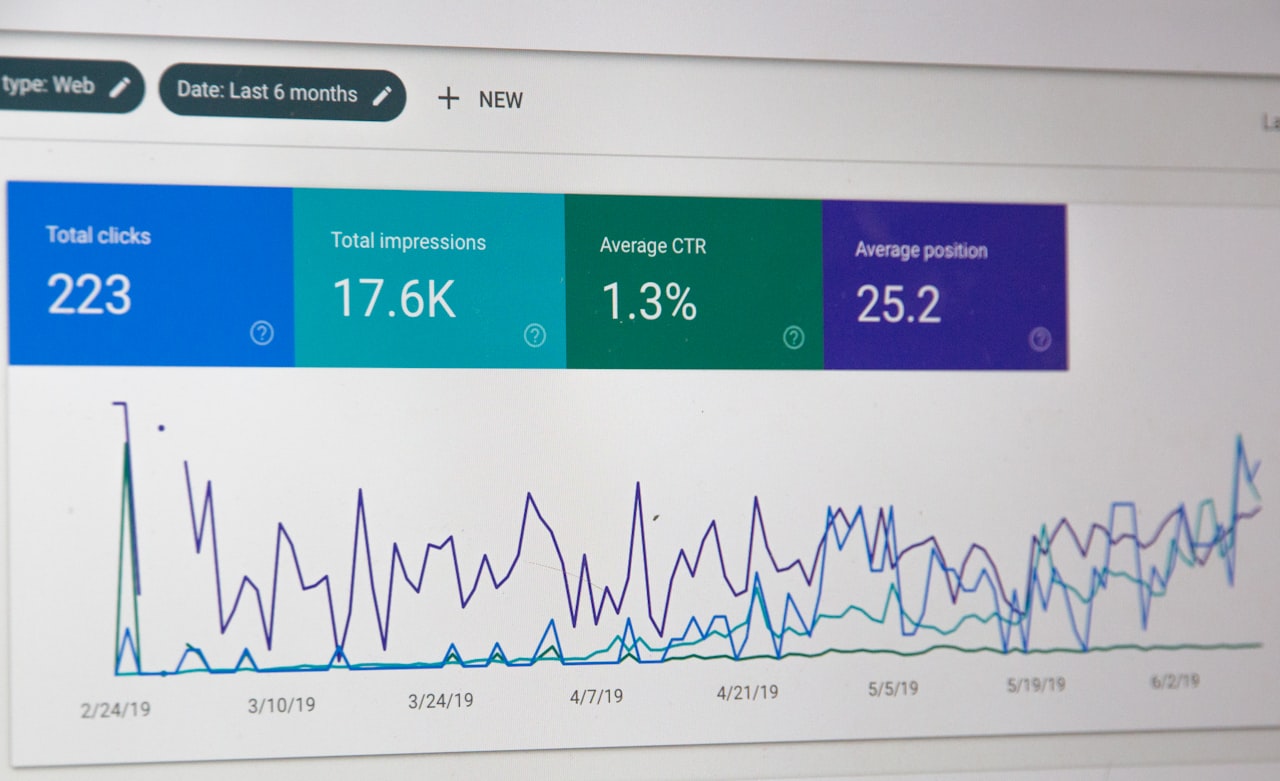
Track standard marketing metrics — traffic, engagement, conversion, revenue and customer acquisition cost — segmented by eco-conscious audience segments where possible. Compare the performance of sustainability-led messaging against other messaging approaches to understand what resonates. Monitor whether sustainability positioning commands a price premium and how it affects customer lifetime value.
Brand Perception and Sentiment
Track how your brand is perceived in terms of sustainability through surveys, social listening and review analysis. Monitor whether your sustainability messaging is building positive associations or triggering greenwashing accusations. Brand perception metrics are leading indicators of future commercial performance.
Sustainability Impact Metrics
Beyond marketing performance, track the actual environmental impact of your operations — emissions reduced, waste diverted, sustainable materials sourced, renewable energy used. These metrics provide the substance behind your marketing claims and demonstrate genuine progress toward sustainability goals.
Competitive Positioning
Benchmark your sustainability marketing against competitors. Analyse their claims, certifications, content strategies and consumer perception. Identify gaps and opportunities where you can differentiate through more credible, specific or compelling sustainability positioning.
Frequently Asked Questions
How large is the eco-conscious consumer segment in Singapore?
Surveys indicate that a majority of Singaporean consumers consider environmental factors in purchase decisions to some degree. The deeply committed “deep green” segment is smaller, but the broader eco-conscious mainstream — consumers who prefer sustainable options when accessible and comparable — represents a substantial and growing portion of the market.
What is greenwashing and how do I avoid it?
Greenwashing is making misleading or unsubstantiated environmental claims in marketing. Avoid it by being specific about your claims, backing them with evidence, using third-party certifications, acknowledging imperfections honestly and ensuring your marketing accurately represents your actual environmental practices.
Do consumers really pay more for sustainable products?
Some consumers willingly pay a green premium, particularly for categories like food, personal care and fashion. However, the premium tolerance varies by product category, income level and how well the product meets other quality and convenience expectations. Sustainability alone rarely justifies a premium — the product must also deliver on core functional benefits.
What certifications matter most to Singapore consumers?
Recognition varies by audience and product category. B Corp, Fair Trade, Organic and the Singapore Green Label Scheme are broadly recognised. Industry-specific certifications (FSC for paper, MSC for seafood) carry weight with informed consumers. Research which certifications your target audience recognises and values before investing in certification processes.
How do I talk about sustainability without sounding preachy?
Lead with product benefits rather than environmental guilt. Use empowerment language over doom language. Be specific rather than vague. Share your sustainability journey honestly, including challenges. And respect that consumers balance sustainability with other priorities — meet them where they are rather than lecturing them about where they should be.
Is sustainability marketing only relevant for eco-products?
No. Mainstream brands across all categories can benefit from sustainability positioning — reducing packaging, sourcing responsibly, offsetting emissions, supporting environmental causes. The key is ensuring your sustainability claims are genuine and proportionate to your actual practices.
What social media platforms work best for eco-conscious marketing?
Instagram and TikTok are strongest for visual sustainability content and reaching younger eco-conscious consumers. Facebook groups reach broader eco-conscious communities. Google search captures high-intent prospects. The optimal mix depends on your specific audience segment and content strategy.
How do I measure the ROI of sustainability marketing?
Track both commercial metrics (conversion rate, revenue, customer lifetime value from sustainability-positioned products and campaigns) and brand metrics (sustainability perception scores, sentiment analysis, share of voice in sustainability conversations). Compare performance of sustainability-led campaigns against non-sustainability benchmarks.
Should my brand take a public stance on environmental issues?
Taking a stance can build deeper connections with eco-conscious consumers but also risks alienating others. The stance must be backed by genuine action — consumers will punish brands that speak loudly but act poorly. Start with issues directly connected to your business and ensure your internal practices align with your public positions.
How important is the Singapore Green Plan 2030 for marketing?
The Green Plan creates a favourable context for sustainability marketing by elevating environmental awareness, driving policy changes and signalling government priorities. Brands can align messaging with Green Plan themes — clean energy, sustainable living, green economy — to tap into broader national momentum. However, referencing the plan in marketing should be substantive, not superficial.