
Part of our Marketing Costs & Pricing guide →
Table of Contents
What Is Dynamic Pricing and How Does It Work
Dynamic pricing adjusts the price of a product or service in real time based on supply, demand, competitor pricing, customer behaviour or other market variables. If you have ever noticed that a ride-hailing fare during peak hour costs three times the normal rate, or that a hotel room price changes depending on the day you search, you have experienced dynamic pricing in action. This dynamic pricing guide covers how the same principles apply to e-commerce and digital businesses.
The concept is not new. Airlines have used dynamic pricing since the 1980s, adjusting fares based on booking time, seat availability and demand forecasts. What has changed is that modern technology makes dynamic pricing accessible to businesses of all sizes. Algorithms can now process thousands of data points, from competitor prices to weather forecasts, and adjust prices in milliseconds.
At its core, dynamic pricing seeks to capture the maximum willingness to pay at any given moment. When demand is high and supply is limited, prices rise. When demand drops, prices fall to stimulate sales. Done well, it maximises revenue. Done poorly, it alienates customers and damages trust. The difference lies in implementation, transparency and restraint.
Types of Dynamic Pricing Models
Time-based pricing adjusts prices according to the time of day, day of the week or season. Restaurants use it for happy hour specials. Energy companies use it for off-peak rates. E-commerce businesses can use it to offer lower prices during typically slow shopping hours or to increase prices during proven high-conversion periods.

Demand-based pricing responds to real-time demand signals. When a product page receives a surge in traffic, prices can increase. When inventory builds up without movement, prices decrease. This model requires robust analytics and the ability to detect genuine demand patterns versus noise.
Competitor-based dynamic pricing monitors rival prices and adjusts yours accordingly. If a competitor drops their price on a key product, your system can respond within minutes rather than days. This is particularly relevant for Singapore e-commerce businesses competing on platforms like Lazada and Shopee, where price visibility is immediate.
Segmented pricing offers different prices to different customer groups based on their behaviour, purchase history or profile. A returning customer might see a loyalty price, while a first-time visitor sees a standard price. This requires careful implementation to avoid perceptions of unfairness, but it can significantly increase both conversion rates and average order values when combined with a solid e-commerce marketing strategy.
When Dynamic Pricing Makes Sense
Dynamic pricing works best in markets with variable demand, perishable inventory or high price transparency. If your products have a limited shelf life, whether physical or temporal, capturing maximum value at each moment is critical. This applies to event tickets, seasonal goods, fresh produce and time-sensitive services.
It also makes sense when you sell a large catalogue of products where manual price management is impractical. An e-commerce store with 10,000 SKUs cannot manually optimise prices for each item. Algorithmic pricing handles the scale while humans set the rules and boundaries.
Dynamic pricing is less appropriate for premium brands where price consistency is part of the value proposition, for products with long purchase cycles where price volatility creates anxiety, or for B2B relationships built on negotiated contracts. If your brand promise includes stability and predictability, frequent price changes undermine that promise.
Consider your competitive environment. In markets where competitors already use dynamic pricing, staying static puts you at a disadvantage. In markets where prices are traditionally stable, being the first to introduce dynamic pricing carries both opportunity and risk.
Implementing Dynamic Pricing for E-Commerce
Start with clear pricing rules rather than a fully autonomous algorithm. Define minimum and maximum prices for each product, set the conditions under which prices can change and establish how large each adjustment can be. A common starting point is allowing prices to vary by 10-15 per cent from the base price.
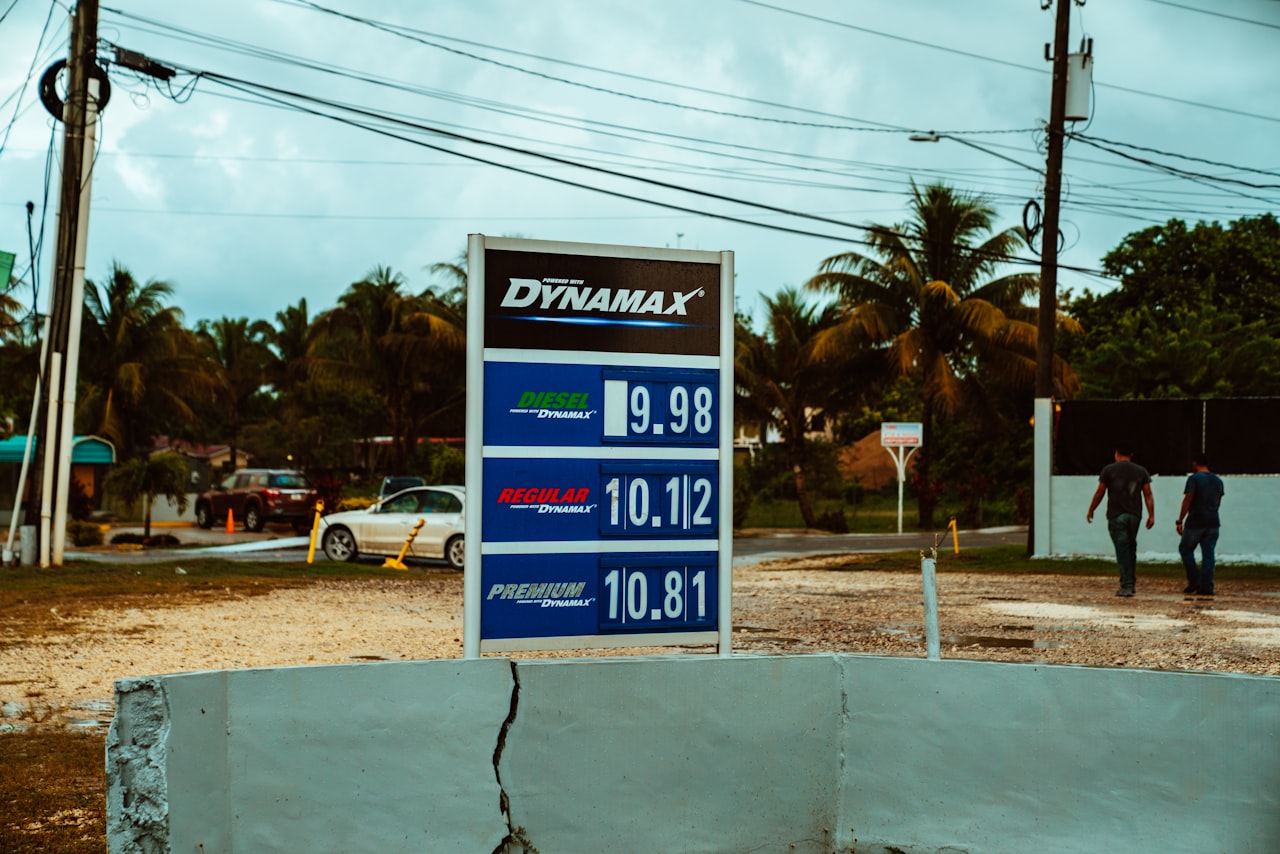
Identify which products benefit most from dynamic pricing. High-volume products with elastic demand are ideal candidates. Slow-moving products with inelastic demand gain little from price fluctuation. Focus your initial implementation on 20-30 per cent of your catalogue, the items where dynamic pricing will have the most revenue impact.
Connect your pricing engine to your analytics data. The algorithm needs inputs like page views, add-to-cart rates, conversion rates, inventory levels and competitor prices. Your website platform must support real-time price updates without caching issues or display glitches.
Test thoroughly before going live. Run shadow mode first, where the algorithm calculates what it would change without actually changing prices. Compare its recommendations against your actual results. This validation period, typically two to four weeks, reveals whether the algorithm’s logic aligns with your business goals before real revenue is at stake.
Tools and Technology for Dynamic Pricing
Several platforms offer dynamic pricing capabilities for e-commerce. Prisync monitors competitor prices and suggests adjustments. Intelligence Node provides AI-driven pricing optimisation. Competera offers enterprise-level dynamic pricing with machine learning. For Shopify stores, apps like Prisync and Dynamic Pricing by Bold automate the process.
If you use WooCommerce, plugins like ELEX Dynamic Pricing and Discounts or WooCommerce Dynamic Pricing allow rule-based price adjustments. These are simpler than full algorithmic pricing but still provide meaningful automation for small to mid-sized catalogues.
For larger operations, building a custom pricing engine using Python, a pricing API and your existing data infrastructure gives maximum flexibility. This approach requires development resources but lets you incorporate proprietary data sources and business logic that off-the-shelf tools cannot handle.
Regardless of the tool you choose, ensure it integrates with your analytics stack. You need to track not just price changes but their impact on conversion rates, revenue per visitor and customer satisfaction. Without this feedback loop, you are adjusting prices blindly. Work with your digital marketing team to establish proper measurement frameworks.
Risks and Ethical Considerations
The biggest risk with dynamic pricing is customer backlash. When customers discover they paid more than someone else for the same product, trust erodes quickly. Amazon faced public criticism in 2000 when customers discovered they were being charged different prices for the same DVDs. Transparency about how and why prices change is essential.
Price discrimination based on personal data is increasingly scrutinised by regulators globally. Charging different prices based on a customer’s device, location within a city or browsing history can cross ethical and legal lines. Keep your dynamic pricing based on market conditions rather than individual profiling to stay on safe ground.
Algorithmic pricing can also create unintended spirals. If your competitors use similar algorithms, you can end up in a feedback loop where prices race to the bottom or, conversely, inflate beyond reason. The famous case of a biology textbook reaching a price of $23 million on Amazon resulted from two competing algorithms driving each other’s prices upward.
Protect your brand by setting hard limits on price movement, excluding certain products from dynamic pricing, maintaining price consistency during promotional periods and communicating your pricing philosophy clearly. Customers accept that prices change; they do not accept that they are being manipulated.
Dynamic Pricing in the Singapore Market
Singapore consumers are highly digital and price-aware. Comparison shopping tools, cashback platforms and deal-aggregation sites mean your prices are visible and comparable. This environment rewards dynamic pricing guide approaches that are competitive without being opaque.
The ride-hailing and food delivery sectors have normalised dynamic pricing among Singaporean consumers. Most people now understand that Grab and Gojek prices fluctuate with demand. This familiarity makes it easier to introduce dynamic pricing in adjacent categories, but the expectation of transparency remains high.
Singapore’s dynamic pricing guide considerations include compliance with the Consumer Protection (Fair Trading) Act, which prohibits misleading pricing practices. Displaying a crossed-out “original price” that was never genuinely charged, for example, would violate these regulations. Ensure your reference prices are genuine and your discounts are real.
For Singapore e-commerce businesses competing on regional platforms, dynamic pricing helps you stay competitive during major shopping events like 11.11, Black Friday and Great Singapore Sale periods. During these events, prices fluctuate rapidly and the ability to respond in real time can mean the difference between a record sales day and excess inventory. Integrate your pricing strategy with your broader pricing strategy framework to maintain consistency.
Frequently Asked Questions
Is dynamic pricing legal in Singapore?
Yes, dynamic pricing is legal in Singapore. However, businesses must comply with the Consumer Protection (Fair Trading) Act, which prohibits misleading pricing practices. Prices must be transparent and reference prices must be genuine.
What is the difference between dynamic pricing and surge pricing?
Surge pricing is a specific type of dynamic pricing that increases prices during periods of high demand. Dynamic pricing is the broader concept that includes adjustments based on demand, supply, competition, time and other factors. Surge pricing goes in one direction; dynamic pricing goes both ways.
Will dynamic pricing make my customers angry?
It can, if implemented poorly. The key is transparency and fairness. Customers accept that prices change with market conditions. They object to being personally targeted with higher prices. Keep adjustments moderate, consistent and based on market factors rather than individual profiling.
How much can I increase prices with dynamic pricing?
Most successful implementations limit price increases to 10-20 per cent above the base price. Larger increases risk customer backlash and cart abandonment. Set hard caps on your pricing algorithm and test customer response at different price points before widening the range.
Do I need special software for dynamic pricing?
For basic rule-based pricing, most e-commerce platforms have plugins or apps that handle it. For advanced algorithmic pricing that considers multiple real-time data inputs, dedicated pricing software like Prisync, Competera or Intelligence Node is recommended.
Can small e-commerce businesses use dynamic pricing?
Yes, but start simple. Begin with time-based pricing or rule-based competitor matching on your top-selling products. As you gather data and see results, expand to more sophisticated models. You do not need enterprise software to benefit from pricing flexibility.
How does dynamic pricing affect SEO?
Dynamic pricing itself does not affect SEO rankings. However, if price changes affect structured data markup, ensure your product schema reflects current prices accurately. Google Merchant Centre requires prices to match what customers see on the page.
Should I tell customers my prices are dynamic?
You do not need to label prices as dynamic, but you should never hide the practice if asked. Some businesses add notes like “prices may vary based on demand” or “prices updated regularly.” The most important thing is that customers see consistent prices during a single shopping session.
What data do I need to start with dynamic pricing?
At minimum, you need historical sales data, current inventory levels and competitor prices. More advanced implementations add website traffic data, conversion rates by product, seasonal trends and even external data like weather or events that affect demand.
How do I measure the success of dynamic pricing?
Track total revenue, gross margin, conversion rate and average order value before and after implementation. Compare performance on dynamically priced products against static-priced products. The goal is revenue growth without significant drops in conversion rate or customer satisfaction.