Customer Retention Strategies: How to Keep Customers Longer
Table of Contents
- Why Customer Retention Matters More Than Acquisition
- Measuring Customer Retention
- Customer Onboarding That Sets the Foundation
- Loyalty Programmes That Actually Work
- Email Nurturing for Retention
- Re-Engagement Strategies for Lapsed Customers
- Retention Strategies for Singapore Businesses
- Frequently Asked Questions
Why Customer Retention Matters More Than Acquisition
Acquiring a new customer costs five to seven times more than retaining an existing one, yet most businesses allocate the majority of their marketing budget to acquisition while treating retention as an afterthought. Effective customer retention strategies directly impact profitability in ways that acquisition alone cannot match.
The economics are compelling. Repeat customers spend 67 per cent more per transaction than new customers because they already trust your brand, lowering the barrier to purchase. Satisfied long-term customers become your most effective acquisition channel, generating word-of-mouth referrals that convert at higher rates and lower cost than paid channels. A 5 per cent increase in retention rate can increase profits by 25 to 95 per cent depending on the industry.
Lifetime value compounds over time. A customer who stays five years is worth dramatically more than five one-time customers because the cost of serving them decreases while their spending typically increases. For businesses using digital marketing services in Singapore, the retention conversation often gets overshadowed by traffic and lead generation metrics. But driving traffic to a business that cannot retain customers is like filling a bucket with a hole in the bottom.
Measuring Customer Retention
Before you can improve retention, you need to measure it accurately. Several key metrics give you a complete picture of your retention health.
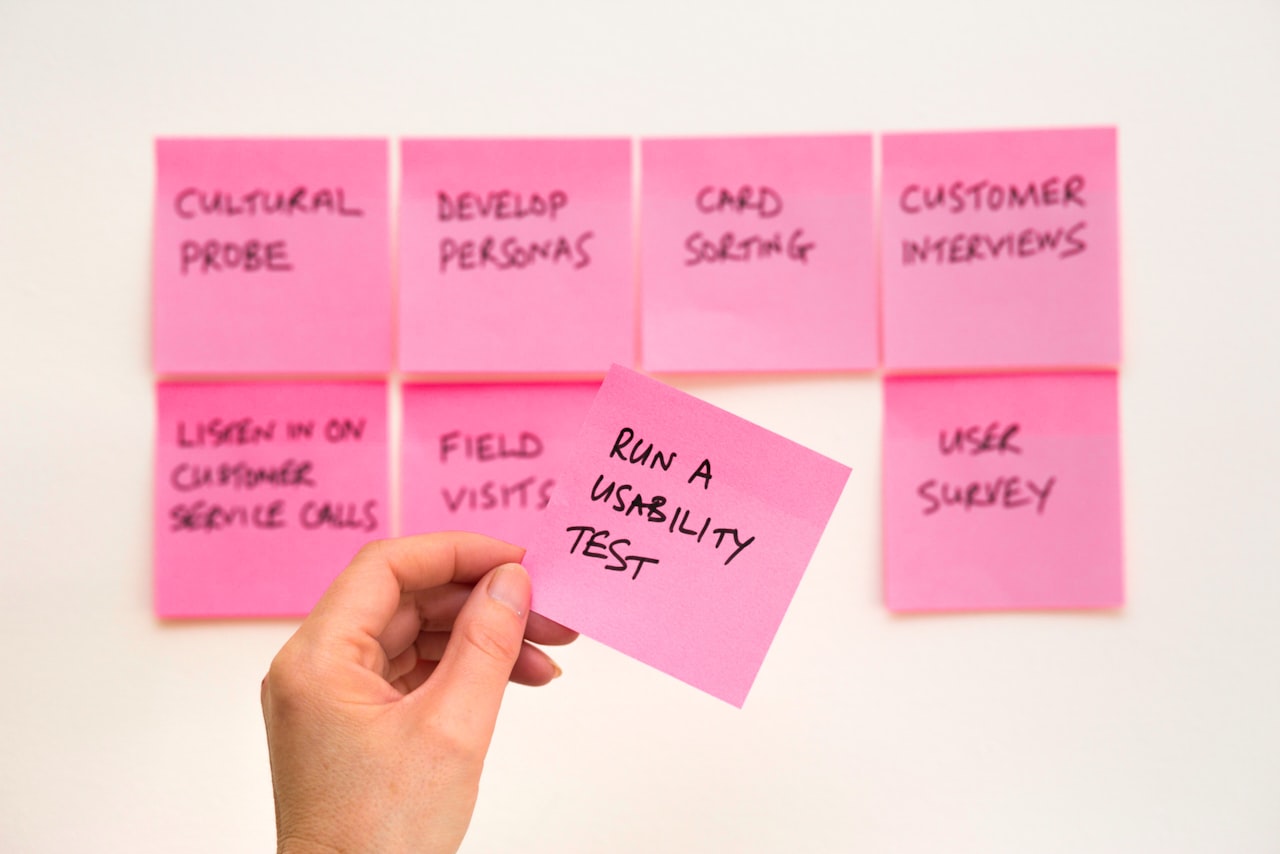
Customer retention rate measures the percentage of customers retained over a specific period. Calculate it by taking customers at the end of the period minus new customers acquired, dividing by customers at the start, and multiplying by 100. Customer churn rate is the inverse: the percentage who stop doing business with you, either voluntarily through active cancellation or involuntarily through failed payments.
Customer lifetime value represents total revenue a customer generates over the entire relationship. Calculate it as average purchase value multiplied by purchase frequency multiplied by average customer lifespan. Net Promoter Score is a leading indicator based on the question “How likely are you to recommend us?” A declining NPS often precedes increasing churn.
Repeat purchase rate tracks the percentage of customers who make more than one purchase. Monitor this by cohort to identify trends: what percentage of customers acquired in January made a second purchase within 90 days? Net revenue retention accounts for upsells and downgrades. Above 100 per cent means existing customers generate more revenue over time even without new acquisition, which is the gold standard for subscription and service businesses in Singapore.
Customer Onboarding That Sets the Foundation
The first 90 days are the most critical period for retention. Customers who have a positive onboarding experience are significantly more likely to stay long-term, making onboarding one of the most impactful customer retention strategies you can implement.
Start by defining the “aha moment,” the action or outcome that makes a customer realise your value. Design onboarding to reach that moment as quickly as possible. Set expectations clearly by telling customers exactly what happens next, what they need to do, and what results to expect. Uncertainty breeds anxiety, and anxious customers churn. Provide proactive support by reaching out at predetermined milestones with guidance rather than waiting for customers to ask for help. Celebrate early wins by acknowledging milestones with a congratulatory message that reinforces the value they are receiving.
For SaaS and subscription businesses, effective onboarding includes a welcome email sequence guiding setup over the first two weeks, in-app walkthroughs, and usage-triggered emails when key actions are not completed. For service businesses in Singapore, run a kick-off call within the first week, send a welcome pack with a process outline, deliver an early result within two weeks to demonstrate momentum, and schedule regular check-ins during the first 90 days.
For ecommerce, deploy a post-purchase email sequence covering order confirmation, product care tips, and review requests. Follow up with personalised product recommendations and a targeted offer to encourage the second purchase within 30 to 60 days. The second purchase is the critical retention trigger for most ecommerce businesses.
Loyalty Programmes That Actually Work
Most loyalty programmes are poorly designed. A programme that simply awards points without creating genuine engagement is a discount mechanism, not a retention strategy. Singapore consumers are sophisticated and compare programmes across brands, so yours must deliver genuine value.
Points-based programmes earn points for purchases and redeem for rewards. They are simple but easily replicated by competitors and best suited for frequent, low-value purchases. Tiered programmes offer progressively better benefits as spending increases, creating aspiration and achievement. They work well across different customer value levels. Paid membership programmes charge a fee for premium benefits, and the upfront commitment increases retention because customers want to extract value from their investment. Referral programmes reward customers for bringing in new business, serving both retention and acquisition simultaneously.
What makes a programme effective starts with simplicity. If a customer cannot explain it in one sentence, it is too complicated. Offer small, frequent rewards alongside aspirational larger ones, because if it takes twelve months to earn anything meaningful, customers will disengage. Include experiential rewards, not just discounts. Exclusive access, early releases, and personalised experiences create emotional loyalty that discounts cannot match. Use purchase history data to offer relevant rewards rather than generic ones.
Consider implementing your loyalty programme through a marketing automation platform that tracks behaviour and triggers rewards automatically. Manual loyalty programmes do not scale and create inconsistent customer experiences.
Email Nurturing for Retention
Email remains the most effective channel for customer retention strategies because it is direct, personal, cost-effective, and allows for sophisticated automation.
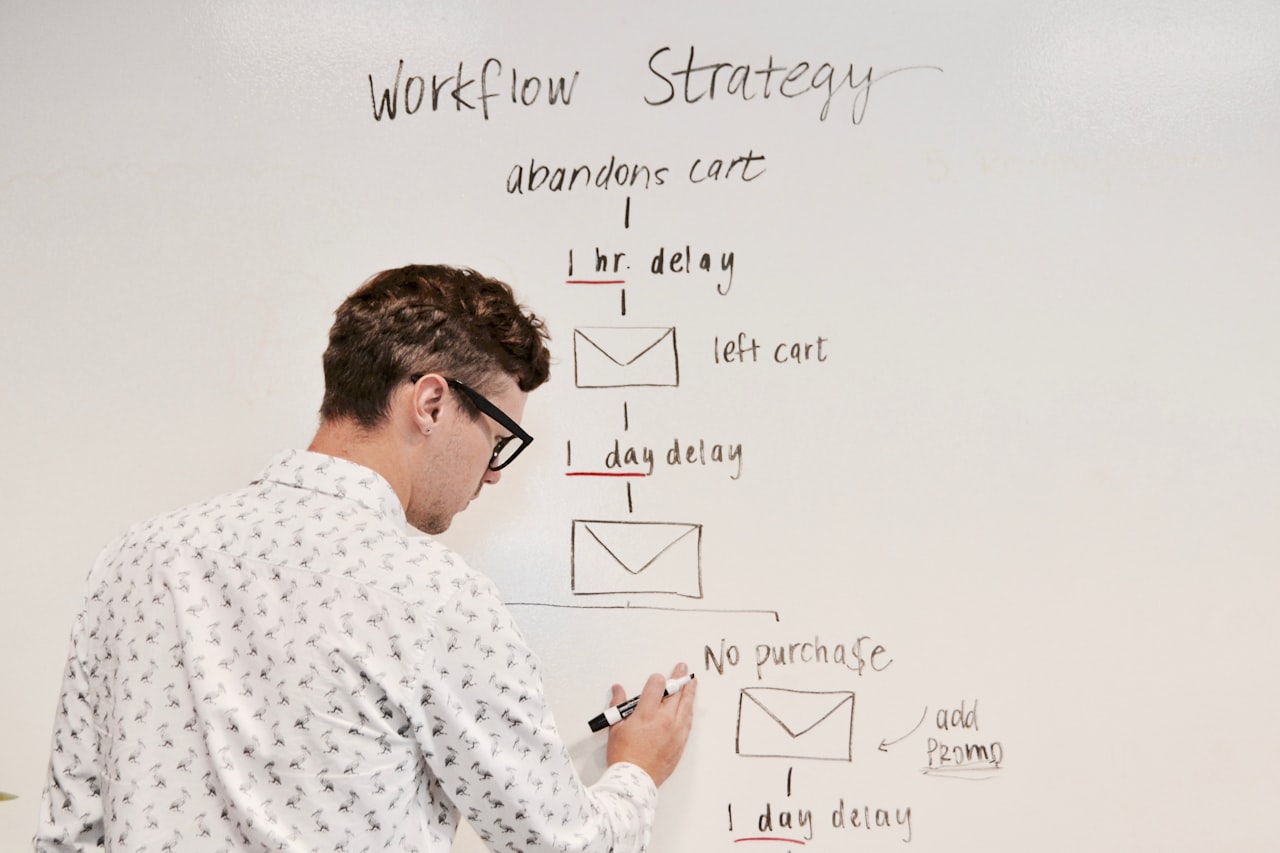
Essential retention email sequences start with post-purchase communication: order confirmation, product tips after delivery, an experience check-in at 7 to 14 days, a review request at 14 to 30 days, and a related product recommendation at 30 to 60 days. Ongoing engagement should include a regular newsletter with valuable content rather than just promotions, exclusive offers for existing customers, product updates, educational content, and customer milestone acknowledgements.
Renewal management is critical for subscription and service businesses. Send upcoming renewal reminders with value summaries showing what the customer has achieved. Follow with payment failure notifications for involuntary churn, downgrade offers as alternatives to cancellation, and win-back offers for customers who do cancel.
Aim for an 80/20 ratio: 80 per cent value-driven content and 20 per cent promotional. A customer who receives helpful tips stays subscribed while a customer who receives only sales pitches unsubscribes. For sophisticated email marketing retention, the combination of behavioural triggers, segmentation, and personalised content separates effective campaigns from generic mass messaging.
Re-Engagement Strategies for Lapsed Customers
Many lapsed customers can be won back. The cost is typically lower than acquiring new customers, and conversion rates are higher because they already know your brand.
Start by defining what “lapsed” means for your business. This might be 30 days of inactivity for a weekly service or six months for an annual product. Monitor early warning signals including declining email open rates, reduced login frequency, and fewer purchases. Use predictive churn models if your data volume supports it.
Re-engagement tactics include a personal “we miss you” email acknowledging the lapse with a specific incentive to return. Value reminders summarise what the customer achieved while active, such as “You saved $2,400 using our platform last year.” Product update emails announce improvements that address common reasons for churn. Feedback requests ask why they left, showing you care while providing data to reduce future churn. Time-limited win-back offers provide a generous discount or bonus for returning within a specific timeframe.
Re-engagement campaigns should trigger automatically based on inactivity thresholds through your marketing automation system. Manual efforts do not scale, and by the time someone notices a customer has lapsed, it is often too late. Segment customers by recency, frequency, and monetary value to tailor retention approaches. High-value customers deserve more retention investment than low-value ones.
Retention Strategies for Singapore Businesses
Singapore’s market characteristics create specific retention challenges and opportunities that businesses must account for in their strategy.
Singapore is a small, highly connected market where bad experiences spread quickly through professional networks, social media, and messaging apps. Conversely, excellent service creates powerful word-of-mouth. The limited market size means every customer matters more because losing customers here is harder to offset with new acquisition than in larger markets.
Singaporean consumers are digitally savvy. They research extensively, compare options, and expect seamless digital experiences. Retention communication must be mobile-optimised, timely, and relevant. WhatsApp and Telegram are widely used for business communication, so consider these channels alongside email for retention messaging. Responsiveness, reliability, and follow-through are baseline expectations rather than differentiators in Singapore.
Regulatory considerations include the Personal Data Protection Act governing customer data collection, use, and storage. Ensure all retention emails comply with consent requirements. The Do Not Call Registry applies to phone-based outreach, so verify numbers before making retention calls or sending marketing SMS. Compliance is not just a legal requirement but a trust signal that matters to Singapore consumers.
Building retention into your broader digital marketing strategy ensures that acquisition and retention efforts work together rather than competing for budget. The most successful Singapore businesses treat retention as a core function rather than an afterthought.
Frequently Asked Questions
What is a good customer retention rate?
Rates vary by industry. SaaS businesses typically target 85 to 95 per cent annual retention. Ecommerce sees 20 to 40 per cent repeat purchase rates. Service businesses aim for 70 to 90 per cent. Rather than benchmarking against averages, focus on improving your own rate over time and track by cohort to identify trends.
When should a Singapore business start investing in retention?
From the moment you have customers. Many growing businesses focus exclusively on acquisition, creating a leaky bucket. At minimum, implement solid onboarding, post-purchase email sequences, and regular check-ins from day one. More sophisticated strategies like loyalty programmes and predictive churn modelling make sense once you have at least a few hundred customers.
How do you reduce churn from price-sensitive customers?
The solution is not always lower prices but increased perceived value. Ensure customers know all the value they receive including unused features. Offer flexible pricing with a downgrade path instead of cancellation. Create switching costs through integrations and relationships. For customers who explicitly cite price, a retention discount costs less than replacing them at five to seven times the acquisition cost.
What role does customer service play in retention?
Customer service is the frontline of retention. Research shows 96 per cent of customers with high-effort service experiences become disloyal. Service interactions are more likely to drive disloyalty than loyalty. Focus on fast response times, first-contact resolution, and empowered support staff. In Singapore, responsive service is a non-negotiable retention requirement.
How do you measure retention ROI?
Compare the cost of retention initiatives against revenue retained: revenue from retained customers minus cost of programmes, divided by cost of programmes, multiplied by 100. Also consider indirect benefits such as referrals, testimonials, and case studies that reduce acquisition costs. A comprehensive calculation includes both direct revenue impact and reduced acquisition spending.
What is the biggest mistake businesses make with retention?
Treating it as a reactive exercise rather than a proactive strategy. Most businesses only think about retention when customers are already leaving. By then, it is often too late. The most effective approach builds retention into every customer touchpoint from the first interaction, creating ongoing value that makes leaving difficult and staying rewarding.
How does personalisation improve retention?
Personalisation makes customers feel valued and understood. Personalised product recommendations, content based on past behaviour, and communications that reference specific interactions all increase engagement and reduce churn. Singapore consumers expect personalisation from brands they do business with. Even simple touches like using a customer’s name and referencing their purchase history make a measurable difference.
Should B2B and B2C businesses use different retention strategies?
The principles are the same but the tactics differ. B2B retention relies heavily on relationship management, regular business reviews, and demonstrating ROI. B2C retention leans more on loyalty programmes, personalised offers, and consistent brand experience. B2B relationships in Singapore are typically managed through dedicated account managers while B2C retention is largely automated through email and in-app communication.
How often should we communicate with existing customers?
Frequency depends on your business type and customer preferences. Weekly emails work for content-rich businesses. Monthly works for most service businesses. Quarterly is the minimum for maintaining any relationship. The key is consistency and value. Every communication should give the customer a reason to be glad they heard from you. Monitor unsubscribe rates and engagement metrics to find the right frequency for your audience.
Can retention strategies work for businesses with naturally low repeat purchase rates?
Yes, but the focus shifts. For businesses with long purchase cycles like real estate or renovations, retention means staying top of mind for referrals and future needs. Build a content-based relationship through newsletters and helpful resources. Ask for reviews and referrals while the experience is fresh. Even if a customer only buys once, their lifetime value includes every person they refer to your business.