
CSR Marketing in Singapore: Communicate Your Impact Without Greenwashing
Table of Contents
The CSR Landscape in Singapore
Singapore has positioned itself as a leader in sustainable business practices within Southeast Asia. The Singapore Exchange requires listed companies to publish sustainability reports, and the government’s Singapore Green Plan 2030 has set ambitious national targets. In this environment, CSR marketing Singapore businesses undertake must go beyond surface-level gestures to demonstrate genuine commitment and measurable impact.
Consumers in Singapore are increasingly discerning about corporate responsibility claims. A 2024 study by the Institute of Policy Studies found that over 70 percent of Singapore consumers consider a company’s social and environmental record when making purchasing decisions. However, the same study found that trust in corporate CSR claims is declining, with many consumers suspecting greenwashing.
This creates both a challenge and an opportunity. Companies that communicate their CSR efforts authentically and transparently can build significant competitive advantage. Those that overstate their impact or use CSR primarily as a marketing tool risk reputational damage in Singapore’s tight-knit business community.
The most effective CSR marketing bridges the gap between doing good and communicating well. It requires the same strategic rigour as any other marketing discipline, combined with a genuine commitment to transparency. For a deeper dive into sustainable marketing approaches, see our guide on sustainability marketing in Singapore.
Principles of Authentic CSR Communication
Authenticity starts with substance. Before communicating anything, ensure your CSR initiatives are genuinely meaningful and aligned with your business operations. The most credible CSR programmes connect directly to a company’s core business. A food company addressing food waste, a technology firm bridging the digital divide or a logistics company reducing emissions are all examples of authentic alignment.

Be specific and evidence-based in your communications. Replace vague claims like “we care about the environment” with concrete statements like “we reduced packaging waste by 23 percent in 2025 through our redesigned shipping process.” Specificity builds credibility while vagueness invites scepticism.
Acknowledge your limitations and areas for improvement. No company has a perfect record, and pretending otherwise undermines trust. The most respected CSR communicators openly discuss their challenges alongside their achievements. Share what you have learned, where you fell short and what you plan to do differently.
Let stakeholders and beneficiaries tell the story whenever possible. Third-party endorsement is more credible than self-promotion. Feature testimonials from community partners, beneficiaries and independent assessors. Partner with recognised NGOs and social enterprises to validate your claims.
Avoiding Greenwashing and Purpose-Washing
Greenwashing occurs when a company’s environmental marketing claims are misleading, exaggerated or unsupported by evidence. Purpose-washing extends this to broader social impact claims. Both are increasingly recognised and penalised by consumers, regulators and media in Singapore.
Common greenwashing traps include cherry-picking positive data while ignoring negative impacts, using green imagery and language without substantive backing, making aspirational commitments without concrete plans, and highlighting minor initiatives to distract from larger harmful practices.
Singapore’s Advertising Standards Authority has guidelines on environmental claims in advertising. Ensure your CSR marketing complies with these standards. Additionally, the Singapore Green Labelling Scheme provides certified endorsements that carry credibility. Seek independent certification wherever possible.
Conduct a greenwashing audit of your existing communications. Review your website, social media, annual reports and marketing materials for claims that cannot be substantiated with data. Remove or revise anything that overpromises or misleads. This proactive approach protects your reputation and demonstrates integrity.
The test is simple: would you be comfortable if a journalist or activist scrutinised every claim you make? If not, revise your messaging. In Singapore’s connected media landscape, unsubstantiated claims are quickly challenged and amplified. Our content marketing services can help craft CSR narratives that are both compelling and defensible.
Storytelling That Showcases Real Impact
The best CSR marketing tells stories, not just statistics. While data provides credibility, stories create emotional connection and make your impact tangible. Focus on the human dimension of your CSR work.
Profile the individuals and communities your initiatives have benefited. With appropriate permissions, share their perspectives, challenges and outcomes. A story about one scholarship recipient’s journey is more powerful than a statistic about total scholarship funding.
Document the journey, not just the destination. Share the process of developing and implementing your CSR programmes, including the setbacks and pivots. This transparency builds trust and makes your story more relatable. Behind-the-scenes content showing employees involved in CSR activities humanises your brand.
Use multiple content formats to tell your CSR stories. Written case studies provide depth, while short videos capture emotion. Infographics make data accessible, and social media posts maintain visibility between major reports. A consistent content calendar ensures your CSR story unfolds over time rather than appearing only in annual reports.
Connect your CSR stories to broader Singapore or global themes. Frame your initiatives within the context of national priorities like the Green Plan 2030, Smart Nation goals or community resilience. This positions your company as contributing to collective progress, which resonates strongly with Singapore audiences. For broader brand storytelling approaches, our branding services team can help develop a cohesive narrative.
Channels and Tactics for CSR Marketing
Your company website should be the anchor of your CSR communications. Create a dedicated CSR or sustainability section that hosts your latest reports, stories, data and commitments. Ensure this section is easily accessible from your main navigation and regularly updated.
Social media amplifies your CSR stories and invites engagement. Share bite-sized updates, employee volunteer stories, partner spotlights and milestone celebrations. Use platform-appropriate formats: LinkedIn for professional impact stories, Instagram for visual storytelling and Facebook for community engagement. Our social media marketing services can optimise your CSR content strategy across platforms.
Earned media coverage adds third-party credibility. Build relationships with journalists covering sustainability and corporate responsibility in Singapore. Pitch stories that offer genuine news value, not just promotional content. Participate in industry forums, panels and awards that showcase your work.
Sustainability reports are increasingly expected by stakeholders, even for non-listed companies in Singapore. Follow recognised frameworks like GRI or SASB to structure your reporting. Make reports accessible and readable, not just compliant. Include clear data, honest assessments and forward-looking commitments.
Internal communications about CSR are equally important. Employees are your most credible ambassadors, but only if they understand and believe in your initiatives. Share CSR updates through your internal communications channels and create opportunities for employee participation.
Measuring and Reporting CSR Impact
Measure your CSR impact with the same rigour you apply to business performance metrics. Define clear key performance indicators for each initiative, track progress consistently and report transparently. Common CSR metrics include environmental measures like carbon emissions, waste reduction and energy efficiency, social measures like volunteer hours, funds raised and beneficiaries reached, and governance measures like board diversity, ethical compliance and supply chain standards.
Use recognised frameworks for measurement and reporting. The Global Reporting Initiative provides the most widely used sustainability reporting standards. The Sustainability Accounting Standards Board offers industry-specific metrics. The United Nations Sustainable Development Goals provide a universal framework for framing your impact.
Commission independent verification of your data where possible. Third-party assurance adds credibility and helps identify areas for improvement. Several firms in Singapore offer sustainability assurance services.
Make your data accessible to different audiences. Executive summaries and infographics serve general audiences, while detailed data appendices satisfy analysts and committed stakeholders. Interactive dashboards on your website allow visitors to explore the data most relevant to them.
Employee Involvement in CSR Communications
Employees who actively participate in CSR initiatives become powerful communicators for your brand. They share their experiences on personal social media, talk about their company’s impact in professional and social settings and contribute to employer branding that attracts like-minded talent.
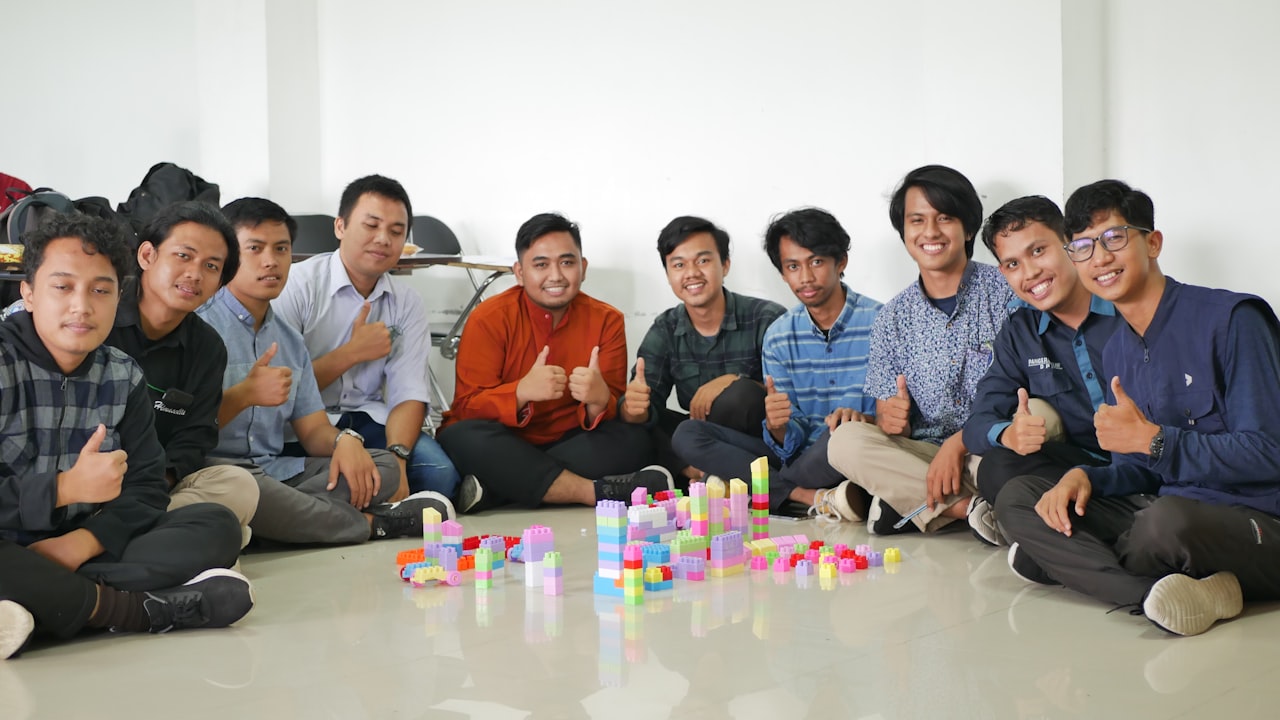
Create structured volunteer programmes that employees can participate in during work hours. In Singapore, many companies offer one to two paid volunteer days per year. Document these activities and encourage employees to share their experiences through company channels and their own networks.
Employee-generated CSR content is often more authentic and relatable than polished corporate communications. Provide guidelines and encouragement, but allow employees to share in their own voice. A team’s selfie at a beach cleanup carries more genuine warmth than a staged corporate photo.
Connect CSR involvement to your broader company culture marketing efforts. When CSR is embedded in your culture rather than bolted on, it becomes a natural part of how employees describe their workplace experience.
Recognise and celebrate employee CSR contributions. Feature active volunteers in your newsletter, create annual CSR champion awards and share the collective impact of employee participation. This recognition reinforces participation and signals that leadership values social responsibility beyond business metrics. For companies looking to amplify their digital presence around CSR, explore our digital marketing services.
Frequently Asked Questions
Is CSR marketing worth the investment for Singapore SMEs?
Yes. CSR marketing does not require a large budget. Small, authentic initiatives aligned with your business, communicated consistently, can differentiate your brand and build customer loyalty. Start with one or two meaningful programmes and grow from there.
How do we choose which CSR initiatives to communicate about?
Prioritise initiatives that are directly connected to your core business, have measurable impact, resonate with your target audience and differentiate you from competitors. Not every CSR activity needs to be marketed. Focus on the ones that tell the most compelling and authentic story.
What is the difference between CSR marketing and cause marketing?
CSR marketing communicates your company’s ongoing social and environmental commitments. Cause marketing is a specific promotional strategy that links product purchases to charitable donations. Both can be effective, but CSR marketing reflects a deeper, more sustained commitment.
How do we respond if accused of greenwashing?
Respond transparently and promptly. Acknowledge the concern, provide evidence supporting your claims and commit to addressing any gaps. Avoid being defensive. If the criticism is valid, own it and outline corrective actions. Singapore consumers respect honesty more than perfection.
Should we communicate CSR efforts that are still in early stages?
Share your commitments and progress, but be clear about what is aspirational versus achieved. Use language like “we are working toward” rather than implying you have already arrived. Sharing the journey, including early-stage efforts, is authentic as long as you are transparent about where you stand.
How do we balance CSR marketing with commercial marketing?
CSR messaging should complement rather than replace commercial marketing. Integrate CSR themes into your broader brand narrative rather than treating them as separate campaigns. The most effective approach positions CSR as intrinsic to how your company operates, not as a marketing add-on.
What Singapore-specific CSR themes resonate most with local audiences?
Environmental sustainability, community support for vulnerable populations, education and skills development, racial harmony and inclusivity, and support for local small businesses consistently resonate with Singapore audiences. Align your CSR focus with national priorities reflected in programmes like SGSecure, SkillsFuture and the Green Plan 2030.