Part of our Social & Influencer Marketing guide →
Table of Contents
- What Is Community Marketing and Why It Works
- Types of Brand Communities You Can Build
- Building the Foundation for Your Community
- Growing Your Community Organically
- Engagement Strategies That Keep Members Active
- Monetising Your Community Without Losing Trust
- Community Marketing in the Singapore Landscape
- Frequently Asked Questions
What Is Community Marketing and Why It Works
A community marketing strategy focuses on building and nurturing a group of engaged people around your brand, creating a space where customers, fans and prospects interact with each other and with your business in ways that drive loyalty, advocacy and organic growth.
Unlike traditional marketing that broadcasts messages to passive audiences, community marketing creates active participation. Members contribute content, answer each other’s questions, share experiences and develop relationships that deepen their connection to your brand. This two-way dynamic generates value that scales beyond what any marketing team could produce alone.
Community marketing works because it taps into fundamental human needs: belonging, identity and social connection. When people identify as part of a community, they become emotionally invested in its success. They defend the brand against criticism, recruit new members and provide feedback that improves products and services.
In Singapore, community marketing is particularly effective. The city-state’s compact geography, high digital penetration and culturally diverse population create ideal conditions for building both online and offline brand communities. Singaporeans actively participate in interest-based groups, professional networks and lifestyle communities, making them receptive to brands that facilitate meaningful connections.
The business case is clear. Community members spend more, stay longer, refer more frequently and cost less to serve than non-community customers. They also provide real-time market intelligence through their conversations, helping businesses stay ahead of trends and customer needs.
Types of Brand Communities You Can Build
Not all communities are the same. The type of community you build should align with your business model, customer needs and available resources. Understanding the options helps you choose the approach most likely to succeed.

Product communities centre around a specific product or service. Members share tips, troubleshoot issues, suggest improvements and showcase how they use the product. These communities work well for tech products, creative tools and hobby-related brands where users have ongoing questions and want to learn from each other.
Interest communities unite people around a shared passion or topic that relates to your brand. A fitness brand might build a community around healthy living. A financial services company might create a community for aspiring investors. These communities attract a broader audience than product communities and position your brand as a thought leader in your space.
Professional communities serve career development and networking needs. They work well for B2B brands, education providers and professional service firms in Singapore. Members join for industry insights, peer connections and career advancement opportunities.
Customer success communities focus on helping customers achieve their goals with your product or service. These are particularly effective for SaaS companies, educational platforms and service-based businesses where customer outcomes directly affect retention.
Exclusive communities create premium spaces for VIP customers, brand ambassadors or paying members. The exclusivity itself becomes a value driver, and these communities often serve as the foundation for membership marketing programmes that generate recurring revenue.
Consider which platform best suits your community type. Facebook Groups work well for consumer communities. Telegram channels suit Singapore audiences who prefer messaging-based interaction. Discord servers are ideal for tech-savvy and gaming audiences. Choose based on where your target members already spend their time.
Building the Foundation for Your Community
Successful communities are not accidents. They are built on deliberate foundations that support healthy growth and sustainable engagement. Invest time in the foundation before focusing on member acquisition.
Define your community’s purpose clearly. Every thriving community exists to serve a specific purpose beyond promoting your brand. That purpose might be helping members learn, connecting them with peers, supporting their goals or providing a space for shared interest. A clear purpose attracts the right members and gives the community direction.
Establish community guidelines and culture. Set explicit rules for behaviour, content quality and interaction standards from the start. Culture is much easier to shape when a community is small than to correct once problematic patterns have taken root. Your guidelines should encourage contribution, respect diverse perspectives and maintain a welcoming environment for newcomers.
Identify and recruit founding members. Your first 50-100 members set the cultural tone for everyone who follows. Personally invite people who embody the member profile you want to attract: engaged, knowledgeable, positive and willing to contribute. In Singapore’s connected business landscape, personal outreach to potential founding members is often more effective than open launches.
Invest in community management from the start. A community without active management quickly devolves into spam, self-promotion and inactivity. Dedicate someone to welcome new members, seed discussions, moderate content and facilitate connections. Professional online community management is not optional for brands serious about community marketing.
Create initial content and discussion frameworks. Do not launch an empty community and expect members to create value from nothing. Prepare a library of useful resources, seed initial discussion topics, create recurring content formats and establish a content rhythm that members can rely on.
Growing Your Community Organically
Community growth should be intentional and quality-focused. Rapidly filling a community with disengaged members creates the appearance of activity without the substance. Focus on attracting members who will genuinely contribute and benefit.
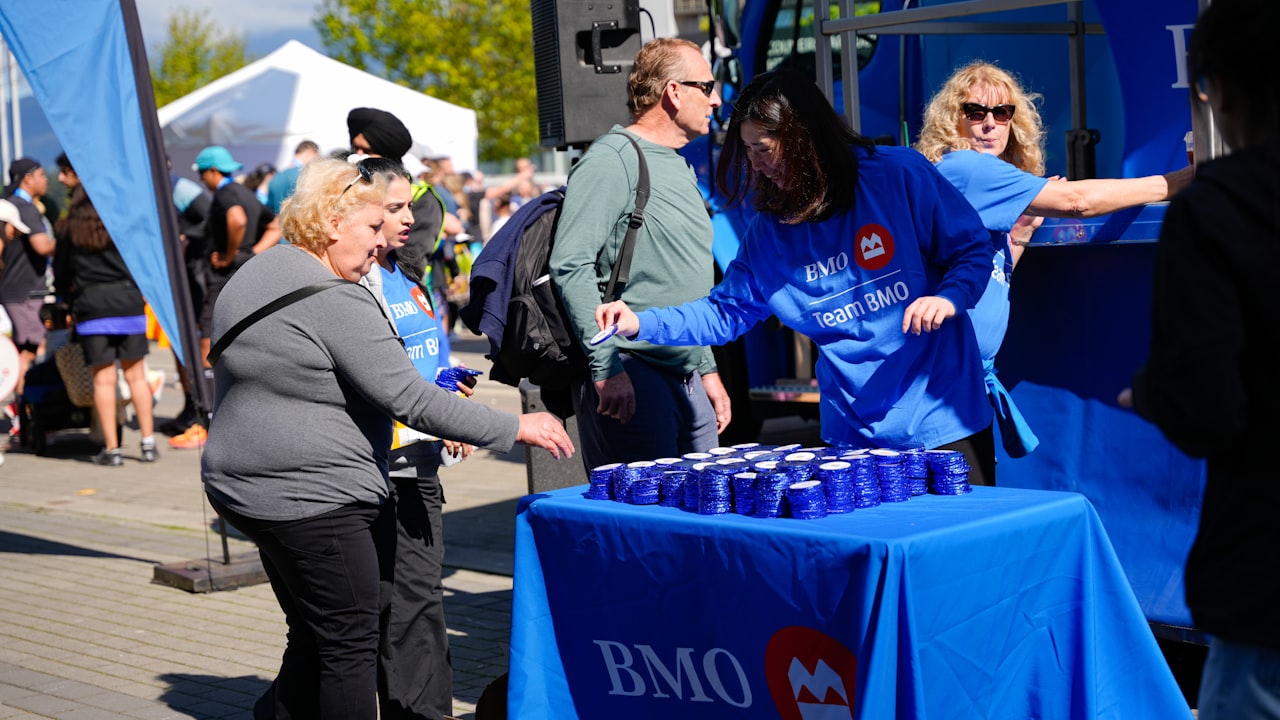
Leverage your existing customer base. Your current customers are the most natural community members because they already have a relationship with your brand. Promote the community through post-purchase communications, email newsletters, product interfaces and customer support interactions. Link your community invitation to the broader post-purchase experience to maximise conversion.
Create content that attracts your target members. Publish blog posts, guides, videos and social media content that addresses the topics your community discusses. Use SEO strategies to ensure this content ranks for relevant searches, attracting people who are actively looking for the knowledge and connections your community provides.
Encourage member referrals. Active community members who find value are your best recruiters. Make it easy for them to invite others by providing shareable links, referral incentives and pre-written invitation messages. In Singapore, personal recommendations carry significant weight, making member referrals particularly effective.
Cross-promote with complementary communities and organisations. Partner with non-competing brands, industry bodies or influencers who serve the same audience to introduce your community to relevant prospects. Guest contributions, joint events and co-created content are effective cross-promotion formats.
Promote community highlights on your public channels. Share impressive discussions, member achievements, event recaps and community milestones on your social media channels and website. These highlights demonstrate the community’s value to outsiders and create curiosity that drives sign-ups.
Engagement Strategies That Keep Members Active
A community’s health is measured by engagement, not member count. A community of 500 active participants delivers more value than a community of 5,000 passive observers. Design your engagement strategy around creating consistent reasons for members to participate.
Establish recurring content formats. Weekly discussion threads, monthly challenges, regular expert sessions and periodic member spotlights create a rhythm that members anticipate and plan around. Consistency builds habits, and habitual engagement is the foundation of community retention.
Ask questions that invite meaningful responses. The quality of discussion depends on the quality of prompts. Open-ended questions that invite members to share experiences, opinions and expertise generate richer engagement than yes/no questions or informational posts.
Facilitate connections between members. Introduce members with shared interests, create small groups for specific topics, run networking events and match mentors with mentees. Member-to-member connections are the strongest retention mechanism because they create social bonds independent of your brand.
Recognise and reward contribution. Publicly acknowledge helpful answers, thoughtful contributions and active participation. Recognition can be as simple as a thank-you message or as structured as a contributor leaderboard. Members who feel appreciated for their contributions invest more deeply in the community.
Create exclusive content and experiences for community members. Early access to products, behind-the-scenes content, exclusive workshops and member-only resources give people tangible reasons to stay engaged. These exclusives also serve as acquisition incentives when promoted externally.
Vary engagement formats to accommodate different participation styles. Some members prefer asynchronous text discussions. Others engage more in live events, polls or collaborative projects. Offering multiple engagement formats ensures that more members find ways to participate that suit their preferences and schedules.
Monetising Your Community Without Losing Trust
A thriving community can be monetised, but the approach must prioritise member value over revenue extraction. Communities that feel like sales channels lose trust and members quickly.
Offer premium tiers. A free community that provides genuine value alongside a paid tier with enhanced benefits is a proven model. The free tier attracts members and demonstrates value. The paid tier offers additional access, content or features that justify a recurring fee. This naturally evolves into a membership marketing model.
Sell products and services that genuinely serve member needs. When community discussions reveal specific needs, developing products or services that address those needs feels helpful rather than promotional. The key is that the product must be a genuine response to member demand, not a pre-planned sales pitch disguised as community engagement.
Enable member-to-member commerce. In professional and B2B communities, creating a marketplace or directory where members can offer services to each other adds economic value that strengthens the community. In Singapore’s business-friendly environment, facilitated networking that leads to deals is a highly valued community benefit.
Partner with relevant sponsors. If your community has significant reach within a defined niche, sponsorships from relevant brands can generate revenue without charging members. Ensure sponsors align with community values and that sponsored content provides genuine value rather than intrusive advertising.
Use community insights to improve your core business. The conversations, feedback and behaviour patterns in your community provide market intelligence that informs product development, marketing strategy and customer service improvements. This indirect monetisation often delivers more long-term value than direct community revenue.
Community Marketing in the Singapore Landscape
Singapore offers unique advantages and considerations for community marketing that brands should understand to maximise their community’s potential.

Singapore’s high internet penetration and smartphone usage means digital community platforms are accessible to virtually the entire population. The average Singaporean spends significant time on social media and messaging apps daily, creating ample opportunity for community engagement.
The multicultural nature of Singapore requires cultural sensitivity in community management. Content and discussions should be inclusive of different cultural backgrounds, and community events should accommodate diverse preferences and schedules, particularly around religious and cultural holidays.
Singapore’s compact geography makes hybrid online-offline communities particularly viable. Members can easily attend physical meetups and events, creating stronger bonds than purely digital communities. Monthly meetups in central locations like the CBD, Orchard Road or community spaces are logistically feasible for members across the island.
The professional and business-networking culture in Singapore makes B2B and professional communities especially well-received. Professionals actively seek opportunities to expand their networks, learn from peers and stay current with industry developments. Communities that facilitate these outcomes attract engaged, high-value members.
Use your digital marketing infrastructure to support community growth. Integrate community promotion into your paid campaigns, content strategy and social media presence to create a consistent pipeline of new members.
Privacy and data protection matter. Singapore’s Personal Data Protection Act (PDPA) governs how you collect and use member data. Ensure your community platform and management practices comply with PDPA requirements, and be transparent about how member data is used.
Frequently Asked Questions
How long does it take to build an active brand community?
Expect 6-12 months to build a community with consistent, self-sustaining engagement. The first three months require heavy seeding and personal outreach. Months four through eight typically see organic engagement patterns emerging. By month twelve, a well-managed community should have established culture, regular contributors and sustainable activity levels.
What platform should I use for my community?
Choose based on your audience. Facebook Groups work well for consumer communities in Singapore. Telegram suits audiences who prefer chat-based interaction. Discord appeals to younger, tech-savvy demographics. Dedicated platforms like Circle or Mighty Networks offer more control but require members to join a new platform. Start where your audience already is.
How many community managers do I need?
For communities under 500 active members, one part-time community manager is typically sufficient. Communities of 500-2,000 active members need one full-time manager. Beyond 2,000 active members, scale with additional moderators and community team members. Volunteer moderators from the community can supplement paid staff.
How do I handle negative content or conflicts in my community?
Address issues promptly but privately when possible. Have clear guidelines that set expectations for behaviour. Remove content that violates guidelines with a brief explanation. For interpersonal conflicts, mediate privately rather than publicly. Consistent, fair moderation builds trust and discourages future issues.
Can community marketing work for B2B businesses in Singapore?
Absolutely. B2B communities focused on industry knowledge sharing, professional networking and peer support are highly effective in Singapore. Decision-makers in Singapore actively seek professional communities where they can learn from peers and build relationships that inform purchasing decisions.
How do I measure community marketing ROI?
Track member-attributed revenue by comparing the spending, retention and referral rates of community members versus non-members. Also measure engagement metrics such as active participation rates, content volume and event attendance, and track brand metrics such as NPS, sentiment and share of voice among community members.
What is the difference between community marketing and social media marketing?
Social media marketing broadcasts brand content to followers. Community marketing creates spaces for members to interact with each other and co-create value. Social media is one-to-many and brand-controlled. Community marketing is many-to-many and member-driven. They complement each other but serve different purposes.
Should my community be free or paid?
Start free to build critical mass and demonstrate value. Once you have an established community with proven engagement, introduce a paid tier for premium access while maintaining the free community. Charging from day one creates a barrier to growth and requires an already-proven value proposition.