Singapore Market Entry for Chinese Companies: A Complete Guide
Table of Contents
- Why Singapore Is the Gateway for Chinese Companies Going Global
- Business Registration and Legal Setup
- China-Singapore Trade Agreements and Benefits
- Understanding the Singapore Market Landscape
- Marketing Localisation for Singapore
- Digital Marketing Channels That Work in Singapore
- Building Your Go-to-Market Strategy
- Common Mistakes Chinese Companies Make in Singapore
- Frequently Asked Questions
Why Singapore Is the Gateway for Chinese Companies Going Global
Singapore has long served as the preferred launchpad for Chinese companies seeking to expand beyond the Greater China region. The city-state’s strategic position at the crossroads of East and Southeast Asia, combined with its robust legal framework, bilingual workforce and pro-business environment, makes it an ideal first stop for Chinese enterprises looking to internationalise. Plan it within marketing across the APAC region rather than market by market.
The momentum behind china companies singapore market entry has accelerated significantly in recent years. According to the Accounting and Corporate Regulatory Authority (ACRA), Chinese-owned entities constitute one of the fastest-growing segments of foreign company registrations in Singapore. Major Chinese technology firms including ByteDance, Alibaba, Tencent and Shein have established substantial regional headquarters in Singapore, drawn by the city’s neutrality, intellectual property protections and access to Southeast Asian markets worth over 680 million consumers.
For Chinese companies, Singapore offers something uniquely valuable: a bridge between Chinese business culture and global standards. The significant ethnic Chinese population — roughly 74 per cent of Singapore’s resident population — means Mandarin is widely spoken, easing initial communication barriers. Yet Singapore operates under a common law system, uses English as its primary business language and maintains transparent regulatory processes that global partners and investors expect.
Key Advantages for Chinese Companies
Singapore’s appeal to Chinese businesses extends across several dimensions. The city-state ranks consistently among the top three in the World Bank’s Ease of Doing Business index. Corporate tax rates cap at 17 per cent, with effective rates often lower due to various incentive schemes. There is no capital gains tax, and Singapore’s extensive network of over 90 double taxation agreements — including the China-Singapore DTA — prevents profits being taxed twice.
The Monetary Authority of Singapore (MAS) provides a stable, well-regulated financial ecosystem that facilitates cross-border transactions, treasury management and fundraising. For Chinese fintech and technology companies, Singapore’s forward-looking regulatory sandboxes offer room to test innovations under controlled conditions before scaling regionally.
Business Registration and Legal Setup
Setting up a company in Singapore is remarkably straightforward, though Chinese companies must navigate specific requirements. The most common entity type for foreign companies is a private limited company (Pte Ltd), which provides limited liability protection, allows 100 per cent foreign ownership and carries strong credibility with local clients and partners.

ACRA Registration Process
All companies must register with ACRA through the BizFile+ portal. The process typically takes one to three business days, provided all documents are in order. Required elements include a unique company name (approved by ACRA), at least one Singapore-resident director, a local registered address and a company secretary appointed within six months of incorporation.
Chinese companies should note that a Singapore-resident director does not need to be a citizen — a permanent resident or holder of an Employment Pass, EntrePass or certain other passes qualifies. Many Chinese firms initially appoint a nominee director from a corporate services provider while arranging for a key executive to relocate on an Employment Pass.
Employment Pass and Work Visa Considerations
For Chinese nationals relocating to Singapore to manage the new entity, the Employment Pass (EP) is the standard work visa. As of 2024, the minimum qualifying salary is SGD 5,000 per month (SGD 5,500 for the financial services sector), though in practice salaries typically need to be significantly higher to secure approval, particularly under the COMPASS (Complementarity Assessment Framework) points-based system introduced in September 2023.
COMPASS evaluates EP applications across criteria including salary benchmarking, qualifications, diversity of the company’s workforce and support for local employment. Chinese companies establishing a new Singapore office should plan their hiring strategy carefully, demonstrating commitment to building a locally diverse team rather than staffing exclusively with Chinese nationals.
Bank Account Opening
Opening a corporate bank account in Singapore has become more stringent due to anti-money laundering (AML) regulations. Chinese companies should prepare comprehensive documentation including the company’s business plan, proof of business activities in China, directors’ identification documents and evidence of the source of funds. Major banks such as DBS, OCBC and UOB are experienced in serving Chinese-owned companies, though the due diligence process may take several weeks.
China-Singapore Trade Agreements and Benefits
The China-Singapore Free Trade Agreement (CSFTA), upgraded in 2019, provides significant advantages for Chinese companies operating in Singapore. The upgraded agreement expanded coverage in services, investment and rules of origin, making bilateral trade more efficient.
Key CSFTA Benefits
Under the CSFTA, Chinese companies benefit from reduced or eliminated tariffs on a wide range of goods traded between the two countries. The services chapter provides preferential market access for Chinese service providers in sectors including legal, accounting, architecture and engineering services. Investment protections ensure fair treatment, full protection and security for Chinese investments in Singapore.
Beyond the bilateral agreement, Singapore’s participation in the Regional Comprehensive Economic Partnership (RCEP) — which includes China — creates additional opportunities. Chinese companies can leverage Singapore as a hub to access RCEP markets across ASEAN, Japan, South Korea, Australia and New Zealand under harmonised trade rules.
The Belt and Road Initiative Connection
Singapore actively participates in Belt and Road Initiative (BRI) cooperation. The China-Singapore (Chongqing) Connectivity Initiative and the New International Land-Sea Trade Corridor strengthen logistics links between western China and Southeast Asia via Singapore. Chinese companies in logistics, infrastructure and technology can leverage these corridors as part of their regional expansion strategy.
Understanding the Singapore Market Landscape
Despite Singapore’s cultural familiarity for Chinese companies, the market operates very differently from China. Understanding these differences is critical for successful entry.
Consumer Behaviour and Preferences
Singaporean consumers are sophisticated, digitally savvy and brand-conscious. While they appreciate value for money, they are not solely price-driven — quality, authenticity and brand trust carry significant weight. The average Singaporean consumer researches extensively online before making purchases, with Google Search, social media and review platforms all playing important roles in the decision journey.
Importantly, Singaporean Chinese consumers are culturally distinct from mainland Chinese consumers. Communication styles, humour, cultural references and even Mandarin usage differ considerably. Content that resonates in Shanghai or Beijing may fall flat or even create misunderstandings in Singapore. Working with a content marketing specialist who understands local nuances is essential.
Competitive Landscape
Singapore is a highly competitive market. Many global brands have established presences, and local companies are sophisticated competitors. Chinese companies should conduct thorough competitive analysis before entering, identifying genuine gaps or advantages they can exploit rather than assuming success in China will automatically translate to Singapore.
Regulatory Environment
Singapore’s regulatory environment is strict and consistently enforced. The Personal Data Protection Act (PDPA) governs data collection, use and disclosure. The Advertising Standards Authority of Singapore (ASAS) enforces advertising codes. The Infocomm Media Development Authority (IMDA) oversees digital media. Chinese companies accustomed to different regulatory frameworks in China must ensure full compliance from day one — Singapore’s reputation for rule of law means enforcement is genuine and penalties are meaningful.
Marketing Localisation for Singapore
Marketing localisation for Singapore goes far beyond translation. While Mandarin is widely spoken, English is the primary language of business, government, media and education. A china companies singapore market entry strategy that relies solely on Chinese-language marketing will miss the majority of the addressable market.

Language Strategy
Most successful Chinese companies in Singapore adopt a bilingual marketing approach, with English as the primary language and Mandarin as a secondary channel for specific audience segments. The Mandarin used in Singapore differs from mainland Chinese Mandarin in vocabulary, tone and style — Singaporean Mandarin incorporates local expressions and tends towards a more understated, less hyperbolic communication style than is common in Chinese marketing.
All marketing materials, websites and customer communications should be professionally localised rather than directly translated. Machine translation, while improving, still produces awkward or culturally inappropriate results that undermine brand credibility. Investing in professional branding services ensures your brand identity resonates authentically with Singaporean audiences.
Cultural Sensitivity
Singapore is a multiracial, multi-religious society with Malay, Indian and Eurasian communities alongside the Chinese majority. Marketing that exclusively targets or references Chinese culture may alienate significant market segments. Singapore’s advertising guidelines also require sensitivity to racial and religious harmony — a core national value. Campaigns should be inclusive and representative of Singapore’s diversity.
Website Localisation
Your Singapore website should not simply be a translated version of your Chinese site. It needs a local domain or subdomain (ideally a .sg domain or .com with Singapore-specific content), hosting that delivers fast load times in Singapore, compliance with PDPA for data collection and a design aesthetic aligned with Singapore market expectations. Professional web design that accounts for local user experience preferences is a worthwhile investment.
Digital Marketing Channels That Work in Singapore
The digital ecosystem in Singapore differs markedly from China. The Great Firewall means Chinese companies are often accustomed to platforms — WeChat, Weibo, Douyin, Baidu, Xiaohongshu — that have limited reach in Singapore. A fundamental shift in channel strategy is required.
Search Engine Marketing
Google dominates Singapore’s search market with over 95 per cent market share. Baidu is essentially irrelevant for reaching Singaporean consumers. Chinese companies must invest in search engine optimisation (SEO) and Google Ads campaigns to achieve visibility. This requires keyword research specific to Singapore search behaviour, which differs from Chinese search patterns even for similar products or services.
Social Media Platforms
Facebook, Instagram, LinkedIn, TikTok and YouTube are the dominant social platforms in Singapore. WeChat has a niche presence, primarily among mainland Chinese expatriates and for specific B2B communications, but it is not a mainstream consumer platform. Xiaohongshu (Little Red Book) has growing traction among younger Singaporean Chinese women but remains niche compared to Instagram.
A comprehensive social media marketing strategy should prioritise platforms where Singaporean consumers actually spend their time. TikTok (not Douyin — the international version differs from the Chinese version) is particularly effective for reaching younger demographics, while LinkedIn is essential for B2B companies.
Content Marketing and Thought Leadership
Singaporean audiences value informative, substantive content. Blog articles, whitepapers, case studies and industry insights help establish credibility — particularly important for Chinese companies that may face initial trust barriers in the Singapore market. A robust content strategy positions your company as a knowledgeable, trustworthy player rather than an unknown foreign entrant.
Building Your Go-to-Market Strategy
A successful go-to-market strategy for Chinese companies in Singapore requires careful planning across multiple dimensions.
Market Research and Validation
Before committing significant resources, conduct thorough market research specific to Singapore. This includes competitive analysis, pricing studies, customer interviews and potentially a soft launch or pilot programme. Singapore’s compact size makes it an excellent test market, but the results must be evaluated on Singapore’s own terms rather than extrapolated from Chinese market data.
Partnership and Distribution
Local partnerships can significantly accelerate market entry. Distributors, resellers, strategic partners and industry associations provide market knowledge, existing relationships and operational infrastructure. Enterprise Singapore (EnterpriseSG) and the Singapore Business Federation can help facilitate introductions. For B2B companies, attending industry events such as Singapore Fintech Festival, Tech in Asia or Singapore Week of Innovation and Technology (SWITCH) builds visibility and connections.
Pricing Strategy
Singapore’s cost structure is significantly higher than China’s for real estate, labour and many operational expenses, but GDP per capita is also among the world’s highest. Pricing should reflect the local market’s willingness to pay, competitive benchmarks and the premium positioning most successful foreign brands adopt. Avoid the temptation to compete purely on price — this can trigger a race to the bottom and damage brand perception.
Building a Local Team
While initial operations may be managed by seconded Chinese staff, building a local team is critical for long-term success. Singaporean employees bring market knowledge, cultural fluency, professional networks and credibility with local customers. The Ministry of Manpower’s Fair Consideration Framework requires companies to consider Singaporeans fairly for roles, and companies that demonstrate genuine commitment to local hiring find it easier to secure work passes for essential foreign staff.
Common Mistakes Chinese Companies Make in Singapore
Understanding common pitfalls can help Chinese companies avoid costly errors during their Singapore market entry.
Assuming Cultural Familiarity
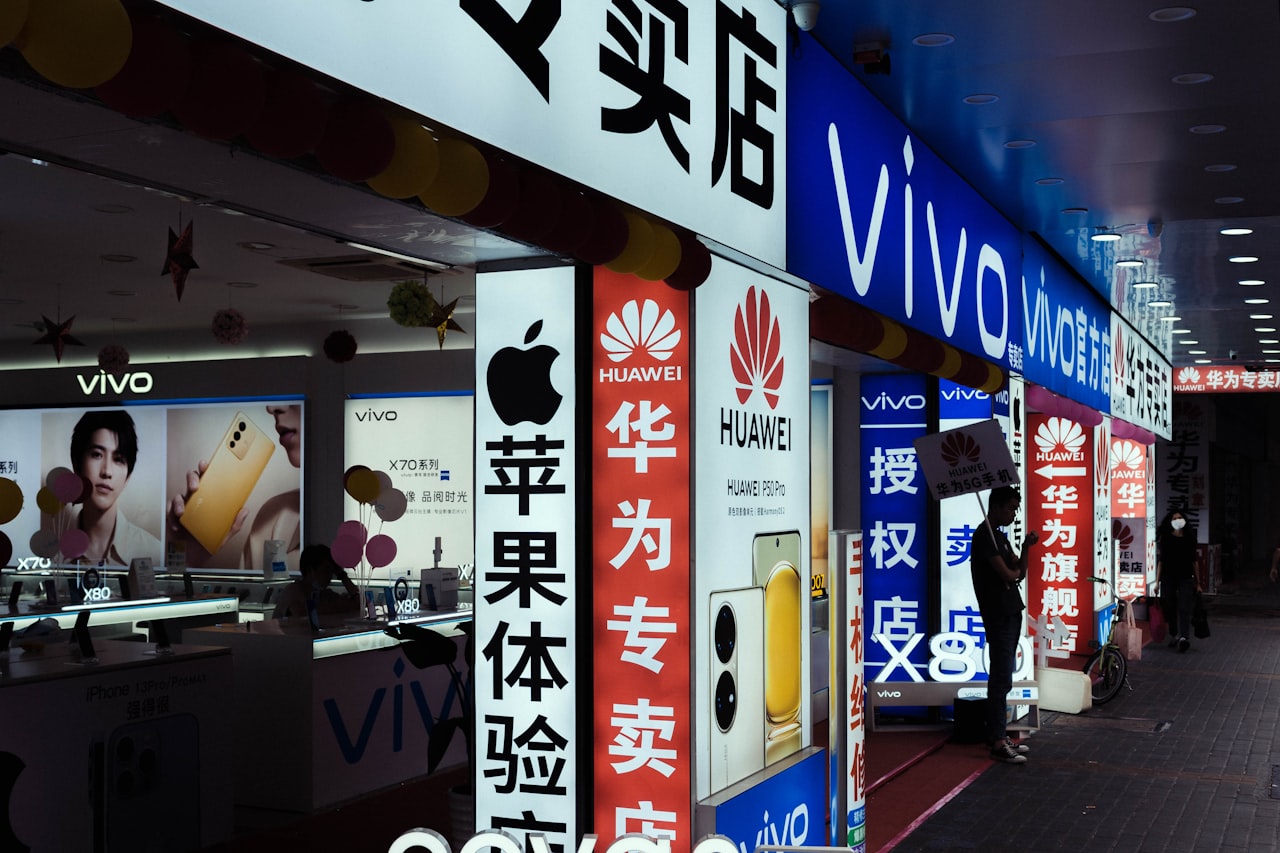
The shared Chinese heritage can create a false sense of cultural familiarity. Singapore’s Chinese community has been shaped by over two centuries of distinct history, British colonial influence, multiracial nation-building and globalised exposure. Business practices, negotiation styles, communication preferences and consumer expectations differ substantially from mainland China. Treat Singapore as a distinct market requiring its own approach.
Replicating the China Playbook
Strategies that work brilliantly in China — aggressive subsidies, rapid user acquisition at any cost, heavy reliance on Chinese social platforms, flashy marketing campaigns — often misfire in Singapore. The market rewards consistency, quality and trust-building over aggressive growth tactics. Adapt your approach to local norms rather than importing Chinese marketing playbooks wholesale.
Underestimating Compliance Requirements
Singapore’s regulatory requirements around data protection, employment law, corporate governance and advertising standards are strictly enforced. Non-compliance carries real consequences including fines, reputational damage and potential business restrictions. Invest in proper legal and compliance advice from the outset rather than retrospectively fixing violations.
Neglecting English-Language Marketing
Some Chinese companies initially focus exclusively on Mandarin-language marketing, targeting the Chinese-speaking segment. While this can generate early traction, it severely limits market reach and growth potential. English is the common language of business in Singapore, and marketing materials in English are essential for reaching the full market. A comprehensive digital marketing strategy should encompass both languages from the start.
Frequently Asked Questions
How long does it take for a Chinese company to set up in Singapore?
Company incorporation through ACRA typically takes one to three business days. However, the complete setup process — including bank account opening, Employment Pass applications, office lease and operational readiness — generally takes two to four months. Planning ahead and engaging a corporate services provider early can streamline the timeline significantly.
Do Chinese companies need a local partner to enter Singapore?
No. Singapore allows 100 per cent foreign ownership of companies. There is no requirement for a local partner, joint venture or minimum local equity. However, you must have at least one Singapore-resident director, which can be fulfilled through a nominee director arrangement if no Chinese national has Singapore residency.
What is the minimum capital required to register a company in Singapore?
The minimum paid-up capital is SGD 1, making Singapore one of the most accessible jurisdictions for company formation. However, practical considerations — including bank account opening requirements, Employment Pass applications and operational credibility — mean that most companies register with a more substantial paid-up capital, typically SGD 50,000 to SGD 100,000 or more.
Can Chinese companies use WeChat for marketing in Singapore?
WeChat has limited mainstream reach in Singapore. It is primarily used by mainland Chinese expatriates and for specific B2B communications with Chinese counterparts. For reaching Singaporean consumers, companies should focus on locally dominant platforms including Facebook, Instagram, TikTok, YouTube and LinkedIn. WeChat can be maintained as a supplementary channel for the Chinese expat community.
What tax benefits are available for Chinese companies in Singapore?
Chinese companies benefit from Singapore’s competitive corporate tax rate of 17 per cent, with partial tax exemptions for the first SGD 200,000 of chargeable income for qualifying new companies. The China-Singapore Double Taxation Agreement prevents double taxation of income. Additional incentives may be available through the Economic Development Board (EDB) for companies making substantial investments or establishing regional headquarters.
Is Mandarin sufficient for business communication in Singapore?
While Mandarin is widely spoken, English is the primary language of business, law, government and education in Singapore. Legal documents, contracts, regulatory filings and most professional communications are conducted in English. Companies should ensure key personnel have strong English proficiency and all official business materials are in English, with Mandarin as a supplementary language.
How does Singapore’s data protection law affect Chinese companies?
The Personal Data Protection Act (PDPA) governs the collection, use, disclosure and care of personal data in Singapore. Chinese companies must comply with PDPA requirements, which differ from China’s Personal Information Protection Law (PIPL). Key requirements include obtaining consent before collecting personal data, providing access and correction rights, and implementing reasonable security measures. Cross-border data transfers must meet PDPA requirements, and companies cannot simply transfer Singaporean customer data to China without proper safeguards.
What industries are most suitable for Chinese companies entering Singapore?
Chinese companies have found particular success in technology (fintech, e-commerce, SaaS), consumer electronics, gaming, electric vehicles and clean energy. Singapore actively courts investment in innovation, deep tech, biomedical sciences and sustainability. Industries that align with Singapore’s economic development priorities may qualify for additional government support and incentive programmes.
How should Chinese companies handle their brand name in Singapore?
Most successful Chinese brands in Singapore use an English brand name or a romanised version of their Chinese name, with the Chinese name as a secondary identifier. Purely Chinese-character branding limits visibility and recall among non-Chinese-speaking Singaporeans. The brand name should be easy to pronounce in English, free of unintended meanings and registered as a trademark with the Intellectual Property Office of Singapore (IPOS).
What is the cost of living and operating a business in Singapore?
Singapore is one of the most expensive cities globally. Office rent in the Central Business District ranges from SGD 8 to SGD 15 per square foot per month. Mid-level professional salaries typically range from SGD 4,000 to SGD 8,000 per month. However, Singapore’s efficiency, connectivity and strategic location often deliver strong return on investment despite higher operating costs. Many Chinese companies find that Singapore operational costs are offset by the business opportunities and regional access the city provides.