Table of Contents
Why CEO Personal Branding Matters
In Singapore’s relationship-driven business environment, CEO thought leadership is one of the most powerful yet underutilised marketing tools available. A CEO with a strong personal brand can open doors that no amount of corporate marketing can unlock. Investors, clients, partners and talent are drawn to leaders who demonstrate vision, expertise and authenticity.
Research by Edelman found that 82 percent of people are more likely to trust a company whose CEO is active on social media. In Singapore, where business relationships are often built on personal trust, this effect is even more pronounced. The CEO is the human face of the organisation, and their visibility directly influences stakeholder confidence.
CEO thought leadership also benefits the organisation internally. When leaders share their thinking publicly, employees gain insight into strategic direction and feel connected to a leader who is engaged and forward-thinking. This strengthens your internal communications and contributes to the company culture you want to build.
The competitive advantage is significant. In most Singapore industries, fewer than 20 percent of CEOs maintain a consistent thought leadership presence. Those who do stand out by default, capturing attention and credibility that their less visible peers miss entirely.
Defining Your Thought Leadership Position
Effective thought leadership requires a clear, focused position. You cannot be a thought leader on everything. Choose two to three topic areas where your expertise, passion and business relevance intersect. These topics should be specific enough to differentiate you but broad enough to sustain ongoing content.

Start by asking three questions. What do you know deeply from years of experience? What are you genuinely passionate about discussing? What topics, if you were known for them, would drive business value? The sweet spot is where all three answers overlap.
For Singapore CEOs, strong thought leadership positions often centre on industry transformation, regional business expansion, talent development, innovation in specific sectors, sustainability leadership or digital transformation. The key is specificity. Being a thought leader on “business in Asia” is too broad. Being a thought leader on “scaling fintech across Southeast Asia” is focused and ownable.
Develop a clear point of view that sometimes challenges conventional wisdom. Thought leaders do not simply repeat industry consensus. They offer fresh perspectives, connect unexpected dots and take positions that provoke constructive discussion. If your content could be published by any CEO in your industry, it is not distinctive enough.
Document your thought leadership platform in a one-page brief that covers your core topics, key messages, target audiences, unique perspective and desired outcomes. This brief guides all content creation and ensures consistency across channels and over time.
Content Strategy for Executives
A sustainable content strategy for CEOs must balance ambition with practicality. Most executives cannot dedicate hours daily to content creation. The most effective approach combines original thinking from the CEO with execution support from skilled writers, strategists or agencies.
Create a content mix across four tiers. Tier one consists of flagship content published quarterly: major articles, research reports or keynote presentations that showcase deep thinking. Tier two includes regular commentary published weekly or fortnightly: LinkedIn posts, short articles and responses to industry news. Tier three covers curated and shared content several times per week: sharing others’ content with your perspective added. Tier four encompasses reactive content as needed: timely responses to breaking news, industry developments or trending topics.
Develop content through conversations, not writing sessions. Most CEOs communicate better verbally than in writing. Schedule monthly 30-minute interviews with a content strategist who captures your thinking, identifies compelling angles and drafts content for your review. This approach produces authentic content efficiently.
Build a content calendar that aligns with your business calendar and industry events. Publish perspectives ahead of major conferences, comment on quarterly industry trends and tie content to seasonal themes relevant to your audience. Planning ahead reduces the pressure of constant content creation.
Our content marketing services team specialises in executive content development, helping Singapore CEOs maintain a consistent thought leadership presence without consuming excessive time.
LinkedIn Mastery for CEOs
LinkedIn is the single most important platform for CEO thought leadership in Singapore. With over three million Singapore users, LinkedIn provides direct access to decision-makers, investors, talent and media. A strong LinkedIn presence can transform a CEO’s influence and the company’s business development pipeline.

Optimise your profile as a thought leadership platform, not just a digital CV. Write a compelling headline that communicates your expertise and focus areas. Craft an About section that tells your story, shares your perspective and invites connection. Feature relevant content, publications and media appearances.
Post consistently, ideally two to four times per week. Mix long-form posts of 800 to 1,500 characters with shorter observations and questions. Share personal reflections on leadership lessons, comment on industry trends with data and insight, celebrate team achievements and engage with others’ content through thoughtful comments.
Master the LinkedIn algorithm by understanding what drives visibility. Posts with high early engagement receive broader distribution. Text-only posts often outperform link posts. Asking genuine questions drives comments. Responding to every comment on your posts extends their reach and demonstrates accessibility.
Build strategic connections intentionally. Connect with industry peers, potential clients, media professionals, investors and emerging leaders. Engage with their content before expecting engagement on yours. LinkedIn thought leadership is a community activity, not a broadcast channel.
For leaders who want to amplify their LinkedIn presence alongside other digital channels, our social media marketing services offer comprehensive executive branding support.
Speaking Engagements and Media Opportunities
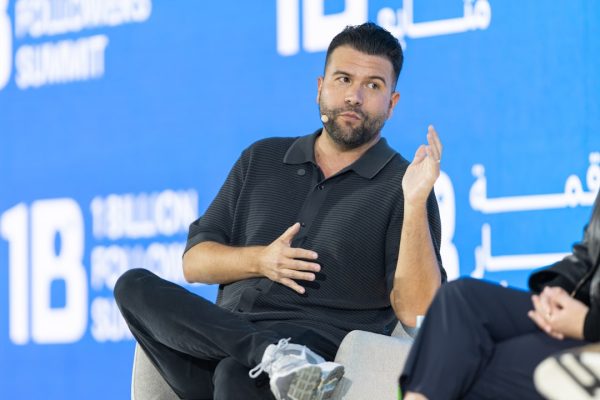
Speaking engagements accelerate thought leadership credibility faster than almost any other tactic. In Singapore, numerous industry conferences, business forums and networking events seek speakers with genuine expertise and engaging delivery.
Start with smaller, targeted events before pursuing keynote stages. Industry association meetings, business school guest lectures, podcast appearances and panel discussions build confidence and content. Record these appearances for repurposing across your digital channels.
Develop a speaker kit that includes your biography, headshot, topic descriptions, past speaking samples and testimonials. Submit proposals to relevant conferences in Singapore and the region, including events like Tech in Asia, Singapore Week of Innovation and Technology, and industry-specific summits.
Media relationships are valuable but require cultivation. Identify journalists covering your industry in Singapore business media such as The Business Times, The Straits Times, Channel NewsAsia and regional publications. Offer yourself as an expert source for industry stories. Provide timely, quotable commentary that adds value to their reporting.
Contributed articles in business publications extend your reach and credibility. Publications like the Singapore Business Review, The Edge Singapore and industry-specific trade media accept expert contributions. Pitch topics that align with current news themes and your thought leadership position.
Podcasts represent a growing opportunity. Both appearing as a guest on established podcasts and potentially launching your own offer intimate, long-form platforms for sharing your thinking. Singapore’s business podcast ecosystem is expanding rapidly with an engaged professional audience.
Managing Time and Resources
The most common barrier to CEO thought leadership is time. Executives are understandably focused on running their businesses. The solution is efficient systems that capture your thinking without consuming your calendar.
Dedicate 60 to 90 minutes per week to thought leadership activities. This might include a 30-minute content interview, 15 minutes reviewing and approving drafted content, 15 minutes engaging with others on LinkedIn and occasional speaking or media commitments.
Build a support team. This might be an internal communications manager, an external content strategist, a ghostwriter or an agency that specialises in executive branding. The CEO provides the thinking and perspective. The support team handles research, writing, editing, scheduling and analytics.
Create efficiency through repurposing. A single 30-minute interview can generate a LinkedIn article, three to four short posts, a newsletter section and speaking points for an upcoming engagement. A conference presentation can be transformed into a blog post, infographic, video clip and social media series. Maximise the value of every piece of original thinking.
Batch content creation when possible. Record multiple interviews or writing sessions in one block rather than spreading them throughout the week. This focused approach produces better content and protects your schedule from constant interruptions.
Measuring Thought Leadership Impact
Thought leadership impact should be measured across multiple dimensions: visibility, engagement, influence and business outcomes. Visibility metrics include LinkedIn follower growth, post impressions, media mentions and speaking invitations received.

Engagement metrics reveal whether your content resonates: comments and discussions on posts, shares and reposts, newsletter subscribers and direct messages initiated by your content. Quality of engagement matters more than quantity. Ten comments from industry peers or potential clients are worth more than a hundred generic reactions.
Influence metrics are harder to quantify but critically important. Are you being cited by other thought leaders? Are journalists seeking your commentary? Are conference organisers inviting you to headline? Are industry bodies consulting you on policy? These indicators suggest genuine thought leadership standing.
Business outcome metrics connect thought leadership to commercial results. Track leads and opportunities attributed to thought leadership content, client mentions of your content during sales processes, talent who cite your personal brand as a factor in applying and investor or partner interest generated through your visibility.
Report these metrics quarterly to maintain focus and justify ongoing investment. Use the data to refine your content strategy, doubling down on topics and formats that drive results and adjusting those that do not. For comprehensive digital marketing measurement, explore our digital marketing services and SEO services to build an integrated analytics approach.
Frequently Asked Questions
Do I need to write all my own content?
No. Most high-profile thought leaders work with writers, strategists or agencies who capture their thinking and craft it into polished content. The ideas and perspectives must be genuinely yours, but the writing and production can be supported. This is standard practice for busy executives globally.
How long does it take to build a thought leadership presence?
Expect six to twelve months of consistent effort before you see meaningful traction. LinkedIn presence can grow faster with three to six months of active posting, while broader industry recognition through media and speaking typically takes one to two years to develop.
What if I am not comfortable being public?
Start with lower-exposure formats like written articles and gradually build toward speaking and video. Many Singapore CEOs who are naturally reserved have built strong thought leadership positions through thoughtful written content. Authenticity does not require extroversion.
Should I share personal content or keep it strictly professional?
A mix of professional expertise and personal perspective performs best. Sharing leadership lessons, career reflections and personal values makes you relatable without compromising professionalism. In Singapore, audiences appreciate authenticity but generally prefer measured personal disclosure over oversharing.
How do I handle controversial topics?
Take positions on industry issues where you have expertise and genuine conviction. Avoid partisan political commentary and social issues outside your domain. When addressing sensitive topics, be thoughtful, evidence-based and respectful of different perspectives. In Singapore’s diverse society, cultural sensitivity is essential.
Can thought leadership generate direct leads?
Yes, though often indirectly. Potential clients who follow your content develop familiarity and trust before they ever contact your company. When they are ready to buy, you are already positioned as a credible expert. Many Singapore CEOs report that their best clients came through thought leadership channels.
What mistakes should I avoid in CEO thought leadership?
Avoid inconsistency in posting, overly promotional content, ignoring engagement on your posts, claiming expertise outside your domain, failing to credit your team and inauthenticity. The biggest mistake is starting strong then abandoning the effort after a few months.