When to Refresh Your Brand: Signs Your Growing Company Has Outgrown Its Image
Table of Contents
- The Brand-Growth Gap: When Image Lags Reality
- Seven Warning Signs Your Brand Needs a Refresh
- Brand Refresh vs Full Rebrand: Know the Difference
- Planning Your Brand Refresh: Strategy First
- Executing the Refresh Without Losing Momentum
- Measuring the Impact of Your Brand Refresh
- Singapore-Specific Considerations for Brand Refreshes
- Frequently Asked Questions
The Brand-Growth Gap: When Image Lags Reality
A brand refresh growing company undertakes is not a vanity exercise. It is a strategic response to a genuine business problem: the gap between what your company has become and how your brand represents it. This gap develops naturally in growing companies because growth changes the business faster than branding typically evolves.
When you started, your brand was built for a different company. Perhaps you were a two-person startup with a limited product and a narrow target audience. Now you are a 30-person company with a comprehensive offering serving enterprise clients. Your brand identity, from visual design to messaging to market positioning, may still reflect the company you were rather than the company you have become.
This gap creates real business consequences. Prospects who encounter your brand form expectations that do not match the experience. Enterprise buyers hesitate because your brand looks too small. Strategic partners pass because your image does not convey the sophistication of your offering. Top talent chooses competitors whose brands better communicate ambition and professionalism.
In Singapore’s market, where perception carries significant weight in business relationships, brand-growth misalignment is particularly costly. Decision-makers in Singapore assess credibility quickly and often rely on brand signals as shortcuts for evaluating unknown companies. A brand that undersells your capabilities means lost opportunities that you may never even know about.
The challenge is timing. Refresh too early and you waste resources on a brand that will change again as the company evolves. Refresh too late and you leave revenue on the table while your brand actively holds back growth. Understanding the signals that indicate the right moment for a refresh is essential for making this investment wisely.
Seven Warning Signs Your Brand Needs a Refresh
The first sign is a disconnect between how your team describes the company and how your brand materials represent it. When sales presentations start with an apology about the website, or when team members avoid sharing marketing materials because they feel outdated, your brand has fallen behind your reality.

The second sign is moving into a new market segment that your current brand does not serve well. If you are expanding from SMB to enterprise, from local to regional, or from one industry to multiple industries, your original brand positioning and visual identity may not resonate with the new audience. Your digital marketing efforts for new segments will underperform if they direct prospects to a brand that speaks to a different audience.
The third sign is competitive pressure. If newer competitors have entered your market with more polished, contemporary brands and you are losing deals or mindshare despite having a superior product, your brand has become a competitive liability. In Singapore’s increasingly design-savvy market, dated branding signals stagnation even when the underlying business is thriving.
The fourth sign is inconsistency across touchpoints. Over time, growing companies accumulate brand assets created by different people at different times with different interpretations of the brand. The website looks one way, the sales deck looks another, and the social media presence looks like a third company entirely. This inconsistency confuses prospects and dilutes brand equity.
The fifth sign is difficulty attracting talent. Your employer brand is closely tied to your company brand. If candidates consistently express surprise at the quality of the opportunity after learning more, your brand is underselling the reality. In Singapore’s competitive talent market, brand perception directly affects your ability to recruit top marketers, developers, and business leaders.
The sixth sign is messaging that no longer resonates. The value propositions and taglines that worked when you launched may not reflect your current strengths or your customers’ evolved needs. If your messaging feels generic or interchangeable with competitors, it is time to sharpen your positioning through a brand refresh.
The seventh sign is mergers, acquisitions, or significant product additions that change the scope of your business. Any structural business change that alters what you offer, who you serve, or how you operate warrants a brand evaluation. Continuing with a pre-change brand creates confusion for both existing customers and new prospects.
Brand Refresh vs Full Rebrand: Know the Difference
A brand refresh updates and modernises your existing brand identity while maintaining continuity with your established brand equity. A full rebrand involves changing fundamental brand elements including name, positioning, visual identity, and market strategy. Most growing companies need a refresh, not a rebrand.
A refresh typically involves updating your visual identity, including logo refinement, colour palette modernisation, typography updates, and design system creation. It also includes messaging refinement, where you sharpen your value propositions and update your voice while maintaining your core brand narrative. Finally, it includes digital presence overhaul, redesigning your website and digital touchpoints to reflect the updated brand.
A full rebrand is appropriate when your company name no longer fits, when you are entering a fundamentally different market, when your brand carries negative associations you need to shed, or when a merger creates a new entity that needs its own identity. These scenarios are less common than many companies assume.
The key question is whether your existing brand equity has value worth preserving. If customers recognise and trust your brand name, if you have built SEO authority around your brand terms, and if your market position is associated with your current identity, a refresh preserves this equity while updating the expression. A rebrand sacrifices this equity and requires rebuilding recognition from scratch.
For most growing companies in Singapore, a strategic refresh delivers the update needed without the disruption and cost of a full rebrand. Budget SGD 15,000 to SGD 50,000 for a comprehensive refresh including strategy, visual identity, and website redesign. A full rebrand including naming and complete repositioning can cost SGD 50,000 to SGD 200,000 or more.
Whichever path you choose, involve your branding partner early in the strategic process. The most effective brand updates are strategy-led rather than design-led. Visual changes without strategic foundation are cosmetic improvements that do not address the underlying brand-growth gap.
Planning Your Brand Refresh: Strategy First
Begin with a brand audit that objectively assesses your current brand against your business reality and growth objectives. Review all brand touchpoints including website, social media, sales materials, email templates, packaging, and environmental branding. Document what is working, what is outdated, and what is missing.
Gather input from three sources: internal stakeholders, existing customers, and target prospects. Internal interviews reveal how your team perceives the brand and where they see gaps. Customer feedback identifies what your brand communicates about your value and credibility. Prospect research uncovers how your brand compares to competitors in the eyes of potential buyers.
Define your brand strategy before touching any design elements. This includes your positioning statement, which articulates who you serve and why you are the best choice; your brand personality, which defines how your brand should feel; your messaging framework, which structures your key messages for different audiences; and your brand architecture, which organises your offerings under a coherent brand hierarchy.
Set clear objectives for the refresh. Are you trying to attract a more senior buyer? Enter a new market? Differentiate from a specific competitor? Unify a fragmented brand experience? Each objective shapes different aspects of the refresh. Without clear objectives, the refresh becomes an opinion-driven exercise rather than a strategic investment.
Create a comprehensive brief that captures the strategy, objectives, audience insights, competitive landscape, and practical requirements. This brief becomes the reference point for every creative decision during the refresh. Invest time in getting it right because a strong brief produces strong creative work while a weak brief produces endless revisions.
Plan the timeline realistically. A thorough brand refresh takes three to six months from strategy through implementation. Rushing the process produces surface-level changes that need redoing within a year. Allow time for strategic thinking, creative exploration, stakeholder feedback, and careful implementation across all touchpoints.
Executing the Refresh Without Losing Momentum
The execution phase must balance thoroughness with business continuity. Your marketing cannot stop while the refresh happens. Plan for parallel operations where current marketing continues on the existing brand while the new brand is developed behind the scenes.
Prioritise your refresh implementation by customer impact. Start with your highest-visibility, highest-traffic touchpoints: website homepage, Google Ads landing pages, email templates, and sales deck. Then expand to secondary touchpoints: blog, social media profiles, and marketing collateral. Finally, update peripheral materials: internal documents, partner-facing materials, and physical assets.
Create a comprehensive brand guideline document that covers logo usage, colour specifications, typography rules, imagery style, tone of voice, and application examples for every common format. This document ensures consistency as different team members and external partners produce materials. Without guidelines, your refreshed brand will fragment just as quickly as the one it replaced.
Launch internally before launching externally. Your team should understand and embrace the new brand before customers see it. Run internal workshops that explain the strategic rationale, present the new visual identity, and demonstrate proper usage. When your team is aligned and enthusiastic, the external launch carries authenticity.
Plan your external launch as a marketing moment. A brand refresh provides a natural hook for PR, social media content, email communication, and customer outreach. Frame the refresh as a reflection of your company’s growth and evolution, not as a correction of past mistakes. Use the launch to re-engage lapsed prospects and remind existing customers of your evolving capabilities.
Set a transition timeline that is ambitious but realistic. Not every touchpoint needs to update on day one. Define a 30-60-90 day implementation plan where critical touchpoints launch on day one, secondary touchpoints within 30 days, and complete implementation within 90 days. This phased approach prevents the overwhelming effort of a single-day transition.
During the transition, maintain your content marketing and performance marketing activities without interruption. A brand refresh should enhance these activities, not pause them. Update ad creative and content templates as part of the refresh implementation rather than waiting for the complete rollout.
Measuring the Impact of Your Brand Refresh
Establish baseline measurements before the refresh launches so you can quantify its impact. Track brand awareness metrics, website performance metrics, conversion rates, and customer perception scores in the two to three months preceding the launch.
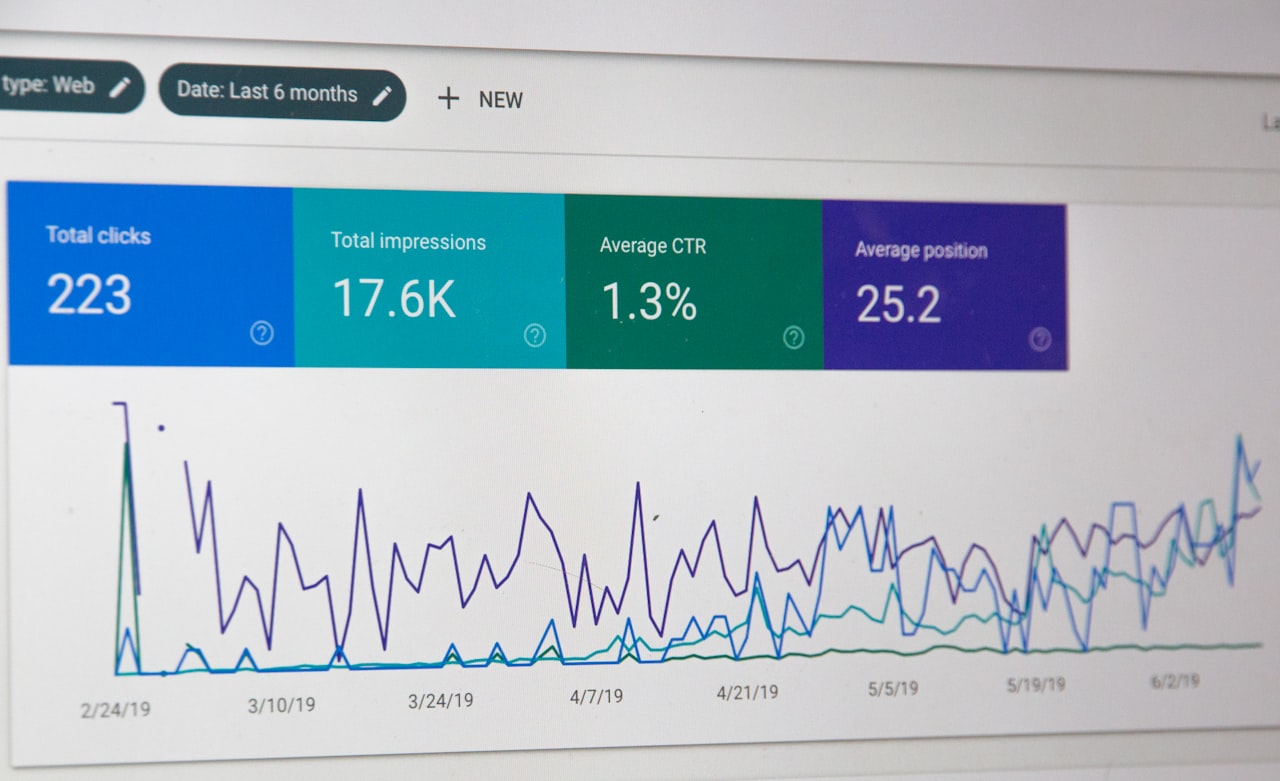
In the short term, monitor website metrics that reflect visitor response to the new brand. Bounce rate, time on site, pages per session, and conversion rates should improve if the refresh successfully communicates your value proposition more effectively. Pay particular attention to conversion rate changes on key landing pages, as these directly impact your customer acquisition cost.
Track branded search volume as a medium-term indicator of brand awareness. An effective refresh, especially when accompanied by a promotional launch, should increase the number of people searching for your brand name. Google Search Console provides this data, and month-over-month trends reveal whether the refresh is building brand awareness.
Measure qualitative impact through customer and prospect feedback. Survey customers about their perception of the new brand. Ask sales teams whether prospect conversations have changed. Monitor social media responses and online mentions. Qualitative feedback often reveals insights that quantitative metrics miss.
Assess competitive impact by monitoring your share of voice and competitive win rates. If the refresh successfully differentiates your brand, you should see improvements in competitive situations. Track whether the refresh affects which competitors you face in deals and how often you win when competing against specific rivals.
Evaluate talent acquisition impact by tracking application quality and volume for open positions. If employer brand improvement was an objective of the refresh, changes in candidate quality and enthusiasm during interviews indicate progress. In Singapore’s tight labour market, this can be one of the most financially significant impacts of a successful refresh.
Set realistic timelines for impact measurement. Visual identity changes may affect website metrics within weeks. Messaging and positioning changes typically take three to six months to show commercial impact. Brand awareness shifts may take six to twelve months to fully materialise. Patience and consistent measurement reveal the true return on your refresh investment.
Singapore-Specific Considerations for Brand Refreshes
Singapore’s multicultural market requires sensitivity to cultural nuances in brand design and messaging. Colour associations, visual symbols, and language choices can carry different meanings across Chinese, Malay, Indian, and Western cultural contexts. Ensure your refresh considers these nuances, particularly if your audience spans multiple ethnic communities.
The local market values professionalism and credibility highly. Singapore businesses and consumers prefer brands that appear established and trustworthy over those that appear flashy or disruptive. Your refreshed brand should convey competence and reliability while expressing the energy and innovation that drive your growth.
Consider bilingual or multilingual requirements. If your business serves customers who prefer Chinese or Malay language communications, your brand refresh should include guidelines for these languages. Typography, layout, and messaging may need adaptation rather than direct translation to maintain brand quality across languages.
Singapore’s digital-first market means your brand refresh will be experienced primarily through screens. Prioritise digital applications in your design process. Ensure your logo works at small sizes on mobile screens, your colours are vibrant on various displays, and your typography is legible across devices and contexts.
Leverage Singapore’s business networks to amplify your refresh. Industry associations, business chambers, and professional networks provide platforms to announce and celebrate brand milestones. A well-executed refresh launch at a relevant industry event can generate attention and credibility that pure digital promotion cannot match.
If your growth plans include regional expansion, design your refreshed brand with Southeast Asian markets in mind. Visual elements that work in Singapore should translate well across the region. Brand names and taglines should be checked for unintended meanings in Bahasa, Thai, Vietnamese, and other regional languages. Building regional flexibility into your refresh now saves costly adaptations later.
Work with branding professionals who understand Singapore’s market dynamics. Local agencies bring cultural sensitivity and market knowledge that global agencies may lack. The best results typically come from teams that combine international design standards with deep local market understanding.
Frequently Asked Questions
How often should a growing company refresh its brand?
Most growing companies benefit from a significant brand refresh every three to five years. However, the cadence should be driven by business changes rather than arbitrary timelines. If your company undergoes rapid growth, market repositioning, or structural changes, a refresh may be needed sooner. Minor updates such as template refreshes and messaging fine-tuning should happen annually.
How much does a brand refresh cost in Singapore?
A comprehensive brand refresh including strategy, visual identity design, brand guidelines, and website redesign typically costs SGD 20,000 to SGD 80,000 from a reputable Singapore agency. Strategy-only engagements range from SGD 5,000 to SGD 15,000. Visual identity design alone costs SGD 8,000 to SGD 25,000. Website implementation is additional and varies by complexity. Budget more for established agencies with stronger track records.
Should we refresh our brand before or after fundraising?
Ideally, complete your brand refresh before fundraising outreach. A polished, professional brand strengthens investor perception and demonstrates market awareness. However, do not delay fundraising solely for a refresh. If timing is tight, prioritise your pitch deck and website refresh, which are the touchpoints investors will see. Complete the full refresh post-funding. Our guide on marketing during fundraising covers this alignment in more detail.
How do we manage the transition without confusing existing customers?
Communicate proactively. Send existing customers a preview of the new brand with an explanation of why the change is happening. Frame it as evolution, not revolution. Maintain familiar elements like your brand name and core colour palette when possible. A dedicated transition email, social media announcement, and in-app notification ensure customers recognise the change as intentional rather than confusing.
Can we do a brand refresh in-house?
Strategy and messaging can be developed in-house if you have experienced marketing leadership. Visual identity and design system creation typically benefit from professional agency involvement because design quality directly affects brand perception. A common approach is to lead strategy in-house and engage an agency for design execution and brand guideline creation.
What should we refresh first: the brand or the website?
Always refresh the brand strategy and visual identity first, then implement through the website. Redesigning a website without updated brand guidelines produces a site that looks good but lacks strategic coherence. The brand refresh provides the design system, messaging framework, and visual standards that guide every page and element of the website redesign.
How do we maintain SEO during a website rebrand?
Preserve URL structures wherever possible. When URLs must change, implement 301 redirects from old URLs to new ones. Maintain your existing content and metadata while updating design and layout. Monitor Search Console for crawl errors after launch and address them promptly. A well-planned SEO migration strategy ensures your organic traffic is preserved through the transition. Most sites experience a temporary dip followed by recovery or improvement within four to eight weeks.
When is a full rebrand necessary instead of a refresh?
A full rebrand is necessary when your company name is misleading or limiting, when you are merging with another company, when your brand carries significant negative associations, or when your business has changed so fundamentally that the existing brand identity has no relevant connection to what you do now. These situations are less common than many founders assume. Most growing companies in Singapore need a strategic refresh, not a complete reinvention.