
Part of our Marketing by Industry & Audience guide →
Marketing a blockchain project is unlike marketing any other product or service. Your audience is technically sophisticated, deeply sceptical of hype, and scattered across platforms that traditional marketers rarely touch. The channels that work for consumer brands — Google Ads, Meta Ads, influencer partnerships — are either restricted or ineffective for crypto and Web3 projects.
Yet blockchain marketing is not some mysterious dark art. The fundamentals of effective marketing still apply: understand your audience, communicate value clearly, build trust, and reach people where they spend their time. The difference lies in the specific channels, tactics, and regulatory constraints that define the Web3 space.
This guide is for blockchain founders, project leads, and marketing teams operating in or targeting the Singapore market. Singapore remains one of Asia’s most important blockchain hubs, with a regulated but supportive environment under the Monetary Authority of Singapore (MAS). We cover everything from community building to token launch campaigns to compliance considerations — practical strategies you can implement immediately.
The Blockchain Marketing Landscape in 2026
The blockchain marketing landscape has matured considerably since the speculative mania of earlier cycles. In 2026, the market has settled into a more rational phase where projects must demonstrate genuine utility, working products, and sustainable tokenomics to attract attention. The days of raising millions on a whitepaper and a Telegram group are effectively over.
Several trends define the current landscape:
- Regulatory clarity is increasing. Singapore, through MAS, has established clearer frameworks for digital payment tokens and security tokens. Marketing activities must comply with these frameworks, particularly around advertising restrictions for Digital Payment Token (DPT) services.
- Institutional participation is growing. Traditional financial institutions, corporates, and government agencies are engaging with blockchain technology. This shifts marketing requirements toward professional communication, compliance documentation, and enterprise-grade credibility.
- Platform restrictions persist. Google, Meta, X (formerly Twitter), and other major advertising platforms maintain varying degrees of restrictions on crypto advertising. While policies have relaxed compared to the blanket bans of 2018, advertisers must navigate approval processes, geographic restrictions, and content guidelines.
- Community quality matters more than size. A Discord server with 50,000 inactive members is worth less than one with 2,000 engaged participants who understand and use your protocol. Marketing strategies are shifting from vanity metrics to engagement quality.
For Singapore-based projects, the regulatory environment is both an advantage and a constraint. MAS licensing provides credibility, but the associated advertising restrictions require careful marketing planning. A specialist blockchain marketing agency understands these nuances and can navigate them effectively.
Community Building Strategies
Community is the backbone of every successful blockchain project. Unlike traditional businesses where customers buy a product and move on, blockchain projects rely on active communities of users, developers, token holders, and advocates who contribute to the ecosystem’s growth.

Discord. Discord remains the primary community platform for Web3 projects. An effective Discord server requires more than channels and roles — it needs active moderation, regular engagement activities, clear onboarding flows for new members, and genuine interaction from the project team. Structure your server with dedicated channels for announcements, general discussion, technical support, governance proposals, and regional communities. For Singapore-focused projects, a dedicated APAC or Singapore channel helps build local engagement.
Telegram. While Discord is the community hub, Telegram serves as the fast-communication channel. Use Telegram for quick updates, real-time announcements, and casual community interaction. Manage expectations — Telegram groups can become chaotic without active moderation. Use bots to manage spam, enforce rules, and provide automated responses to common questions.
X (Twitter). X is where the broader crypto conversation happens. Your X presence should balance project updates with thought leadership, market commentary, and community engagement. Crypto Twitter (CT) rewards consistency, authenticity, and responsiveness. Engage with other projects, respond to mentions, and participate in relevant conversations. Threads that explain complex concepts in accessible language perform particularly well.
Ambassador programmes. Identify your most engaged community members and formalise their contribution through ambassador programmes. Ambassadors can create content, moderate community channels, represent your project at local events, and provide feedback from the ground level. Compensate ambassadors fairly — whether through tokens, merchandise, or exclusive access — but ensure the programme is structured to reward genuine contribution rather than gaming.
Governance participation. If your project has on-chain governance, actively encourage and facilitate community participation in governance proposals. Projects that give community members a genuine voice in decision-making build deeper loyalty and engagement than those that treat governance as a formality.
Community building intersects with broader social media marketing strategies, but the platforms, tone, and engagement patterns are distinctly different in the Web3 space.
Content Marketing for Web3
Content marketing in blockchain serves a dual purpose: educating your audience and establishing your project’s credibility. The crypto audience is information-hungry and technically discerning. Surface-level marketing content will not resonate. You need depth, accuracy, and genuine insight.
Technical documentation. Your documentation is marketing material whether you think of it that way or not. Developers and sophisticated users evaluate projects based on the quality and completeness of their technical docs. Invest in clear, comprehensive, and up-to-date documentation. Use tools like GitBook or Docusaurus to maintain versioned documentation that evolves with your protocol.
Blog content and thought leadership. Publish regular blog posts covering protocol updates, market analysis, use case explorations, and technical deep dives. The most effective Web3 blog content is substantive rather than promotional. A 2,000-word analysis of a DeFi mechanism or a detailed post-mortem of a protocol upgrade generates more credibility and engagement than a press release about a partnership.
Educational content. Create content that helps people understand the problem your project solves and the technology behind your solution. Tutorial videos, explainer articles, and interactive demos lower the barrier to adoption. For Singapore audiences, content that connects blockchain concepts to local financial systems and use cases (such as cross-border payments to Southeast Asia or tokenised real estate) performs particularly well.
Research and reports. Publishing original research — market analyses, ecosystem reports, or benchmark studies — positions your project as a thought leader. Data-driven content gets cited, shared, and referenced, extending your reach beyond your immediate community.
Newsletter and email marketing. Despite the focus on social platforms, email remains an effective channel for blockchain projects. A weekly or biweekly newsletter summarising development updates, market insights, and community highlights keeps your audience informed without requiring them to monitor multiple social channels constantly.
Strong B2B content marketing principles apply to blockchain projects targeting enterprise and institutional audiences, where decision-makers expect rigorous, well-documented content.
Token Launch and IDO Campaigns
A token launch is one of the highest-stakes marketing moments for any blockchain project. Whether you are conducting an Initial DEX Offering (IDO), a public sale, or an airdrop campaign, the marketing execution around the launch determines initial trading volume, community growth, and long-term market perception.

Pre-launch phase (8 to 12 weeks before). Build anticipation through a structured campaign that progressively reveals information about your tokenomics, utility, and launch mechanics. Start with the problem and solution, then introduce the token’s role in the ecosystem, followed by detailed tokenomics, and finally launch logistics. Each phase should generate its own wave of content and community engagement.
Launchpad partnerships. Partner with established launchpads that have existing user bases and vetting credibility. A launch on a reputable platform signals quality and provides access to an audience of active token buyers. Research launchpad track records carefully — the reputation of your launchpad partner reflects on your project.
Influencer and KOL campaigns. Key Opinion Leaders (KOLs) in the crypto space can amplify your launch significantly. However, the quality and relevance of the KOL matter more than follower count. Select KOLs whose audience aligns with your project’s target demographic. Provide them with genuine talking points rather than scripted promotional content. Always disclose sponsored content to maintain compliance and credibility.
Airdrop campaigns. Airdrops can generate significant user acquisition, but poorly designed airdrops attract mercenary participants who claim tokens and leave. Design airdrop criteria that reward meaningful engagement — holding a minimum balance, completing specific protocol interactions, participating in governance, or contributing to testnet. Retroactive airdrops that reward genuine early users tend to create more lasting community growth than prospective airdrops.
Post-launch support. The marketing does not end at Token Generation Event (TGE). Post-launch marketing is critical for maintaining momentum, supporting token price stability, and converting speculators into long-term holders. Continue publishing development updates, announcing partnerships, and engaging the community consistently in the weeks and months following launch.
Paid Advertising Channels for Crypto
Paid advertising for blockchain projects requires navigating a patchwork of platform policies, geographic restrictions, and approval processes. Here is what works in 2026.
Google Ads. Google permits cryptocurrency advertising in certain jurisdictions, subject to certification requirements. Advertisers must be registered with the relevant financial authority (for Singapore, this typically means holding a MAS licence or exemption). Once certified, you can run Search and Display ads, though creative content must comply with Google’s financial products policies.
X (Twitter) Ads. X allows crypto advertising from licensed and registered entities. The platform’s crypto-native audience makes it one of the most effective paid channels for Web3 projects. Promoted tweets, follower campaigns, and video ads can all be effective. Target by interests and follow relationships to reach crypto-engaged users.
Crypto-native ad networks. Platforms such as Coinzilla, Bitmedia, and A-ADS specialise in serving ads across crypto websites, publications, and applications. These networks bypass the restrictions of mainstream platforms and reach a pre-qualified crypto audience. The targeting may be less sophisticated than Google or Meta, but the audience relevance is typically higher for blockchain projects.
Programmatic display on crypto media. Direct advertising or programmatic placements on crypto publications — CoinDesk, The Block, CoinTelegraph, and regional outlets — put your project in front of an information-seeking crypto audience. These placements work well for brand awareness and credibility building, though CPMs tend to be higher than general display advertising.
Podcast sponsorships. Crypto podcasts command loyal, engaged audiences. Sponsoring relevant podcasts provides an intimate, long-form advertising format that builds trust more effectively than banner ads. Focus on podcasts whose audience demographics align with your project — DeFi podcasts for DeFi protocols, NFT podcasts for NFT projects, and so on.
Event sponsorships. Singapore hosts numerous blockchain events, from large conferences like Token2049 to smaller meetups and hackathons. Sponsoring or presenting at these events provides face-to-face credibility, media coverage, and networking opportunities. For Singapore-focused projects, participation in local events builds the regional community that sustains long-term growth.
An experienced Web3 marketing agency can navigate platform restrictions and identify the most cost-effective advertising channels for your specific project type.
Compliance and Regulatory Considerations
Singapore’s regulatory framework for blockchain and cryptocurrency is among the most developed in the world. The Payment Services Act (PSA) and MAS guidelines establish clear rules for Digital Payment Token (DPT) service providers, and these rules extend to marketing activities.
DPT advertising restrictions. MAS has issued guidelines restricting how DPT services can be marketed to the public in Singapore. Advertising must not trivialise the risks of cryptocurrency trading, target the general public through mass media, use public figures or influencers, or appear in public spaces. Marketing should be factual, risk-balanced, and directed at audiences who have actively sought information about the service.
Anti-money laundering (AML) compliance. If your marketing activities involve customer acquisition for DPT services, ensure your onboarding processes comply with AML and Know Your Customer (KYC) requirements. Marketing funnels that collect user information must handle data in accordance with Singapore’s Personal Data Protection Act (PDPA).
Securities considerations. If your token could be classified as a security under Singapore law, additional regulations under the Securities and Futures Act (SFA) apply. Marketing materials for security tokens must comply with prospectus requirements unless an exemption applies. Consult legal counsel to determine your token’s classification before launching any marketing campaign.
Cross-border considerations. Blockchain projects typically operate globally, but marketing regulations vary by jurisdiction. Content accessible in the United States, European Union, or United Kingdom may trigger compliance obligations in those jurisdictions. Implement geographic targeting and disclaimer frameworks that account for multi-jurisdictional requirements.
Practical compliance steps:
- Include clear risk disclaimers in all marketing materials.
- Avoid guaranteed return claims or misleading performance representations.
- Maintain records of all advertising content for regulatory review.
- Implement age-gating and geographic restrictions where required.
- Review all marketing materials with legal counsel before publication.
A cryptocurrency marketing agency with Singapore experience understands these compliance requirements and builds them into campaign planning from the outset.
Measuring Marketing Success
Blockchain marketing metrics differ from traditional marketing KPIs. While website traffic and social media followers have some relevance, the metrics that truly matter are those tied to protocol adoption, community health, and token ecosystem growth.
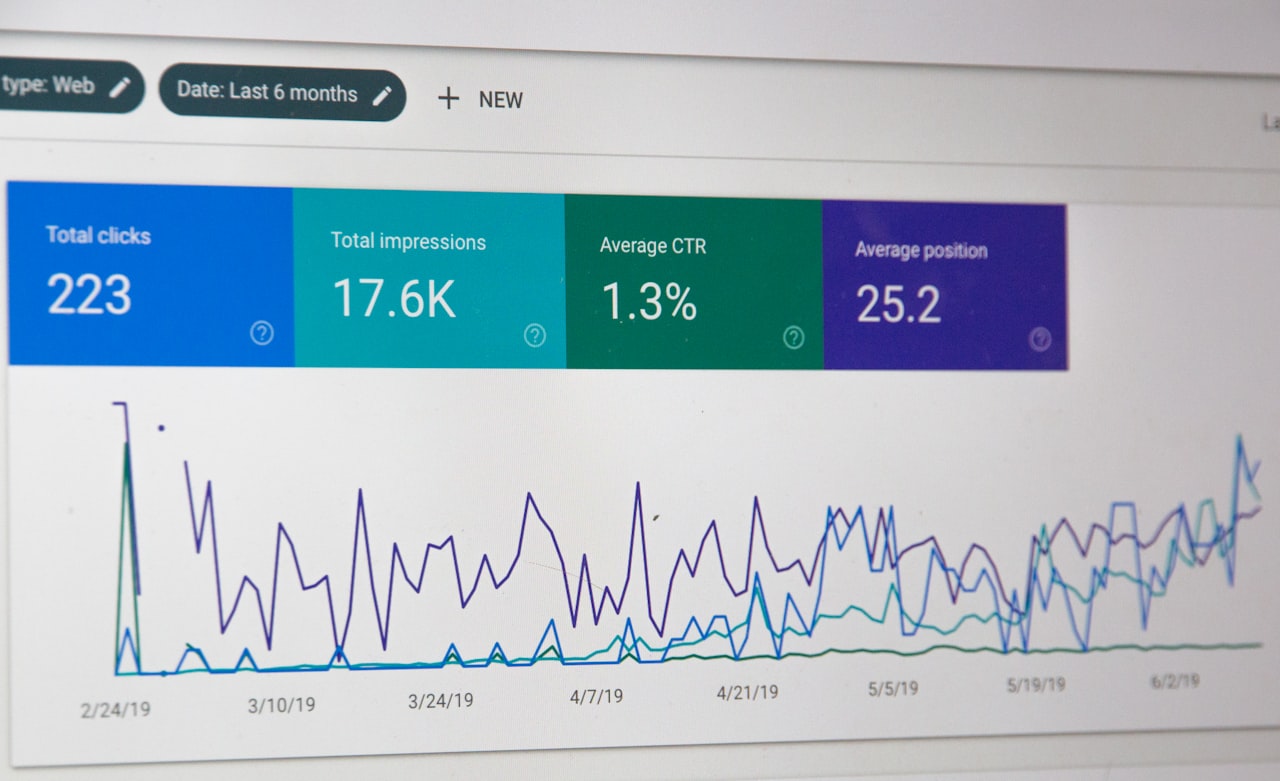
Community metrics. Track daily active members (not total members), message volume, unique contributors, and sentiment trends across Discord, Telegram, and X. A growing number of unique contributors is a stronger signal than raw member count. Tools like LunarCrush and custom analytics dashboards can provide community health scoring.
On-chain metrics. Unique wallet addresses, daily active users (DAU), transaction volume, total value locked (TVL), and protocol revenue are the definitive measures of adoption. Connect your marketing campaigns to on-chain activity — if a content campaign or influencer partnership does not result in measurable on-chain engagement, reassess the strategy.
Token metrics. Trading volume, holder distribution (number of unique holders and concentration), and liquidity depth indicate market health. While marketing teams cannot and should not try to influence token price directly, healthy marketing activities should correlate with improving holder distribution and trading volume over time.
Content performance. Track blog traffic, documentation page views, video watch time, and newsletter engagement. Content that drives both traffic and on-chain conversions is the most valuable. Set up attribution tracking that connects content consumption to wallet connections and protocol interactions where possible.
Campaign-specific metrics. For paid advertising, track cost per wallet connection, cost per protocol interaction, and cost per token holder acquired. These are more meaningful than generic cost-per-click or cost-per-lead metrics because they tie marketing spend directly to ecosystem growth.
Frequently Asked Questions
Is blockchain marketing legal in Singapore?
Yes, blockchain marketing is legal in Singapore, but it is subject to specific regulations. DPT service providers must comply with MAS guidelines on advertising, which restrict mass-market promotional campaigns, influencer endorsements to the general public, and advertisements that trivialise risks. Marketing must be factual, risk-balanced, and targeted at audiences who have actively sought information about cryptocurrency or blockchain services. Non-DPT blockchain projects (such as enterprise blockchain solutions) face fewer advertising restrictions but should still comply with general advertising standards.
How much should a blockchain project budget for marketing?
Marketing budgets for blockchain projects vary enormously depending on project stage, category, and objectives. Early-stage projects typically allocate 15 to 25 per cent of their funding round to marketing activities. For a seed-stage project with a SGD 2 million raise, that translates to SGD 300,000 to SGD 500,000 for pre-launch through initial growth marketing. Established protocols with ongoing revenue may allocate 5 to 15 per cent of treasury funds to marketing. Token launch campaigns specifically often require SGD 100,000 to SGD 500,000 for a competitive multi-channel campaign.
Which social platform is most important for Web3 marketing?
X (Twitter) is the most important platform for broad crypto visibility and industry conversation. Discord is the most important platform for deep community engagement and user support. Both are essential, but if forced to choose one, X provides broader reach and brand building, while Discord provides the community infrastructure that sustains long-term project health. Telegram supplements both as a fast-communication channel.
How do you market a blockchain project without paid ads?
Organic blockchain marketing relies on community building, content marketing, ecosystem partnerships, developer relations, and earned media. Publish high-quality technical and educational content consistently. Build genuine relationships with other projects in your ecosystem. Contribute to open-source development and blockchain standards. Participate in and sponsor industry events. Engage actively on social platforms with substantive commentary rather than promotional content. These organic strategies often produce more durable results than paid advertising because they build genuine credibility and community ownership.
What are the biggest blockchain marketing mistakes?
The most common mistakes include: prioritising hype over substance, which erodes trust quickly in the crypto community; spending heavily on influencers without vetting their audience quality; neglecting post-launch marketing after the token generation event; ignoring regulatory compliance, which can result in platform bans, legal action, or reputational damage; and measuring vanity metrics like follower count rather than meaningful adoption metrics like on-chain activity. Projects that treat marketing as a launch event rather than an ongoing function consistently underperform those that maintain sustained, quality-focused marketing efforts.