
ASEAN Marketing Guide: How Singapore Businesses Can Expand Across Southeast Asia
Table of Contents
- Why ASEAN Matters for Singapore Businesses
- Understanding the ASEAN Digital Landscape
- Market Entry Strategies for Each Major Market
- Platforms and Channels Across ASEAN
- Consumer Behaviour and Cultural Nuances
- Regulations and Compliance by Market
- Building Your Regional Marketing Team
- Measuring Cross-Border Marketing Performance
- Frequently Asked Questions
Why ASEAN Matters for Singapore Businesses
Southeast Asia represents one of the fastest-growing digital economies in the world. With over 700 million people and a combined internet economy projected to exceed USD 600 billion by 2030, the region offers Singapore businesses a massive opportunity for growth. Any credible ASEAN marketing guide must start with the fundamental reality: Singapore’s domestic market of 5.9 million people is simply too small for ambitious businesses to remain local.
Singapore serves as a natural launchpad for regional expansion. The city-state’s position as a financial and logistics hub, combined with strong trade agreements under the ASEAN Economic Community, gives Singapore-based businesses structural advantages when entering neighbouring markets. Many global brands already use Singapore as their ASEAN headquarters for precisely these reasons.
The digital maturity of ASEAN markets varies significantly. While Singapore leads in per-capita digital spending, Indonesia leads in absolute user numbers, and Vietnam and the Philippines are growing at rates that dwarf more developed markets. Understanding these differences is the foundation of any successful regional digital marketing strategy.
Understanding the ASEAN Digital Landscape
ASEAN’s internet population exceeds 500 million users, and mobile is the dominant access point across every market. In Indonesia, the Philippines, and Vietnam, smartphone penetration exceeds 70 percent, and most consumers access the internet exclusively through mobile devices. This mobile-first reality shapes everything from website design to advertising formats to payment methods.

Social media usage across ASEAN is among the highest in the world. The average Southeast Asian spends over three hours daily on social platforms. However, the dominant platforms differ by market. While Facebook remains strong across the region, LINE dominates messaging in Thailand, Zalo leads in Vietnam, and TikTok has become a primary discovery platform for younger demographics everywhere.
E-commerce platforms also vary by market. Shopee holds the strongest position across most ASEAN markets, while Lazada maintains a significant presence, particularly in Indonesia, Thailand, and the Philippines. Tokopedia remains a major player in Indonesia. Understanding which platforms matter in each market is essential before committing advertising budget.
Digital payment infrastructure is evolving rapidly. GrabPay, GoPay, ShopeePay, and various bank-backed e-wallets compete for dominance. Cash on delivery remains a significant payment method in less urbanised areas of Indonesia, Vietnam, and the Philippines. Your checkout and payment strategy must account for local preferences.
Market Entry Strategies for Each Major Market
Indonesia is the largest market in ASEAN with over 280 million people. The market is highly price-sensitive but spending power is growing rapidly, particularly in Greater Jakarta, Surabaya, and Bandung. Enter Indonesia through marketplace platforms like Shopee and Tokopedia before investing in standalone e-commerce. Digital advertising costs are significantly lower than Singapore, making it possible to test campaigns with modest budgets.
Thailand offers a more urbanised and digitally sophisticated consumer base. Bangkok dominates economic activity, and Thai consumers are highly receptive to brand-driven marketing. LINE is essential for customer communication, and social commerce through Facebook and Instagram drives significant sales. Thai consumers respond well to influencer marketing and tend to be brand-loyal once trust is established.
Vietnam is the fastest-growing digital economy in the region. The population skews young, with over 60 percent under 35. Vietnamese consumers are active on Zalo, Facebook, and TikTok. The market rewards businesses that invest in local-language content and localised pricing. Entry through e-commerce platforms and social commerce is the most efficient path.
The Philippines has the highest social media engagement in ASEAN. Filipinos spend an average of four hours daily on social platforms and are highly responsive to video content, promotions, and community-driven marketing. English proficiency is high, which simplifies content creation for Singapore businesses. GCash and Maya are the dominant e-wallet platforms.
Platforms and Channels Across ASEAN
Facebook and Instagram remain the most versatile advertising platforms across ASEAN. Meta’s advertising tools allow granular targeting by country, city, language, and interest, making it straightforward to run market-specific campaigns from a single account. However, creative must be localised. A Singaporean English ad will not resonate in Jakarta or Ho Chi Minh City.
TikTok has transformed from an entertainment platform into a serious commerce channel. TikTok Shop is now operational in Indonesia, Thailand, Vietnam, the Philippines, and Malaysia. For consumer products, a strong TikTok marketing strategy can drive both brand awareness and direct sales across multiple ASEAN markets simultaneously.
Google Search and Google Ads remain important for capturing intent-driven demand, but search behaviour varies. Indonesians and Filipinos rely heavily on Google, while Thai consumers often search within LINE and social platforms. Keyword research must be conducted in local languages to capture the full search landscape in each market.
Marketplace advertising on Shopee and Lazada is essential for e-commerce brands. Both platforms offer sponsored product ads, display ads, and promotional tools that can drive visibility in crowded categories. These platforms provide built-in logistics and payment infrastructure, removing two of the biggest barriers to cross-border selling.
Consumer Behaviour and Cultural Nuances
Price sensitivity varies significantly across ASEAN. Indonesian and Filipino consumers are highly price-conscious and respond strongly to promotions, flash sales, and bundle deals. Thai and Vietnamese consumers are willing to pay premium prices but expect clear value justification and strong social proof. Pricing strategies must be market-specific.

Trust signals differ by culture. In Indonesia, customer testimonials and user-generated content carry enormous weight. In Thailand, celebrity and influencer endorsements are particularly effective. In the Philippines, community recommendations and word-of-mouth referrals drive purchasing decisions. Vietnamese consumers value detailed product specifications and comparison information.
Communication styles also vary. Thai consumers prefer polite, indirect communication. Filipino consumers appreciate warmth and humour. Indonesian consumers respond to respectful, community-oriented messaging. Avoid assuming that Singaporean communication norms transfer directly to other markets. Localisation goes far beyond translation.
Religious and cultural calendars affect campaign timing. Ramadan is a major promotional period in Indonesia, Malaysia, and Brunei. Chinese New Year drives spending across the region but particularly in Singapore, Malaysia, and Vietnam. Songkran in Thailand, Tet in Vietnam, and Christmas in the Philippines each create distinct seasonal marketing opportunities.
Regulations and Compliance by Market
Each ASEAN market has its own advertising regulations, data protection laws, and business registration requirements. Indonesia’s data protection law (PDP Law) came into effect in 2024 and requires explicit consent for data collection. Vietnam’s cybersecurity law mandates local data storage for certain categories. The Philippines has the Data Privacy Act, one of the strictest in the region.
Advertising content regulations vary. Thailand has strict rules around comparative advertising and requires careful treatment of the monarchy in any content. Indonesia regulates advertising related to food, health supplements, and financial products. The Philippines requires advertising to be truthful and not misleading, with enforcement through the Ad Standards Council.
Business registration requirements also differ. Some markets require a local entity to operate e-commerce businesses, while others allow cross-border selling through marketplace platforms. Tax obligations, including VAT and withholding tax on digital services, vary by country and change frequently. Consult legal advisors in each target market before committing to a market entry strategy.
Building Your Regional Marketing Team
The most common mistake Singapore businesses make in ASEAN expansion is trying to manage regional marketing entirely from Singapore. While strategy and brand governance should remain centralised, execution requires local expertise. Native speakers who understand cultural nuances, platform norms, and consumer expectations produce significantly better results than translated content from headquarters.
Consider a hub-and-spoke model. Your Singapore team sets the overall content marketing strategy, brand guidelines, and performance targets. Local teams or agency partners in each market handle content creation, community management, and market-specific campaign execution. This balances consistency with localisation.
Freelance platforms and local agencies can provide market-specific support without the overhead of establishing offices in every country. For initial market testing, work with local freelancers for content creation and community management, then invest in dedicated resources once a market proves viable.
Measuring Cross-Border Marketing Performance
Establish market-specific KPIs rather than applying Singapore benchmarks universally. Cost per acquisition in Indonesia will be a fraction of Singapore costs, but conversion rates and average order values will also differ. Set realistic expectations based on local market conditions and adjust targets as you accumulate data.
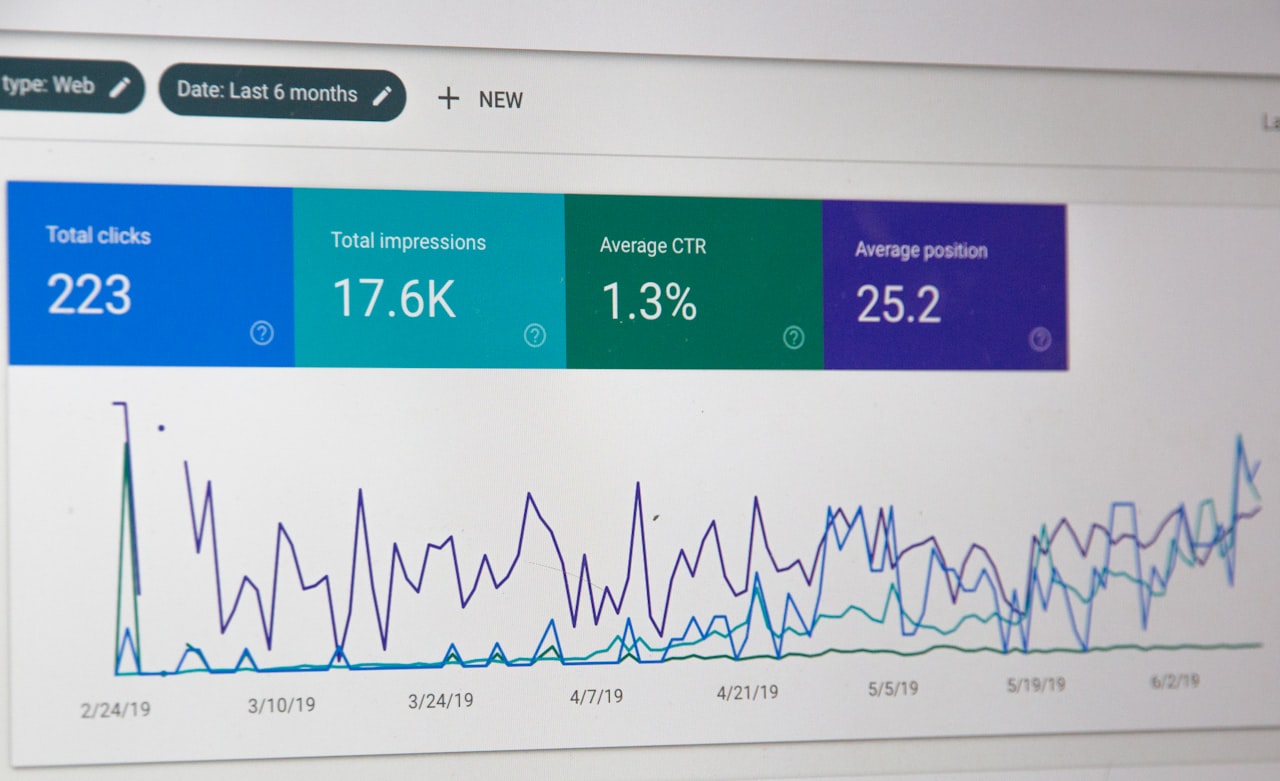
Use consistent analytics infrastructure across all markets. Google Analytics 4, combined with platform-specific analytics from Meta, TikTok, and marketplace dashboards, provides the visibility needed to compare performance across markets. Ensure UTM parameters and tracking conventions are standardised so data is comparable.
Attribution is more complex in multi-market operations. Customers may discover your brand on TikTok in one market but convert through a marketplace in another. Build a reporting framework that captures the full customer journey rather than relying solely on last-click attribution. Regular cross-market performance reviews help identify which strategies are transferable and which require market-specific approaches. This ASEAN marketing guide framework should be revisited quarterly as regional markets evolve rapidly.
Frequently Asked Questions
Which ASEAN market should Singapore businesses enter first?
Malaysia is often the easiest first step due to cultural and linguistic similarities. However, Indonesia offers the largest market opportunity, and the Philippines is accessible due to high English proficiency. Your choice should depend on product fit, budget, and existing demand signals from each market.
How much does it cost to run digital marketing campaigns in ASEAN?
Advertising costs are significantly lower than Singapore across most ASEAN markets. Facebook CPMs in Indonesia and the Philippines range from USD 1-4 compared to USD 8-15 in Singapore. However, lower costs also mean lower average order values, so ROAS calculations must account for market-specific economics.
Do I need a local entity to sell in ASEAN markets?
For marketplace selling through Shopee and Lazada, cross-border seller programmes allow you to sell from Singapore without a local entity. For standalone e-commerce, local entity requirements vary by market. Indonesia and Vietnam have stricter requirements than Thailand and the Philippines.
Should I translate content or create original local content?
Create original local content wherever possible. Direct translation misses cultural nuances, idiomatic expressions, and local search intent. At minimum, work with native speakers to adapt content rather than simply translating it. This applies to ad copy, social media posts, product descriptions, and website content alike.
What payment methods should I support in ASEAN?
Support local e-wallets (GoPay and OVO in Indonesia, GCash in the Philippines, TrueMoney in Thailand), bank transfers, and cash on delivery where applicable. Credit card penetration is low outside Singapore and Malaysia. Marketplace platforms handle payments automatically, which is one reason they are the preferred entry channel.
How important is influencer marketing in ASEAN?
Extremely important. Southeast Asian consumers trust peer recommendations and influencer opinions more than brand advertising. Micro-influencers with 10,000-100,000 followers often deliver better ROI than celebrities. Budget for influencer marketing from the outset when entering any ASEAN market.
Can I manage ASEAN campaigns from Singapore?
You can manage strategy and paid advertising from Singapore, but content creation and community management should involve local talent. Time zone differences are minimal within ASEAN, which makes coordination easier than managing campaigns in other regions.
What are the biggest mistakes Singapore businesses make in ASEAN expansion?
The three most common mistakes are assuming Singaporean strategies will work elsewhere, underinvesting in localisation, and trying to enter too many markets simultaneously. Focus on one or two markets first, invest properly in understanding local consumers, and scale only after proving your model works.
How long does it take to see results from ASEAN marketing campaigns?
Allow three to six months for initial market testing and data gathering. Marketplace channels can generate sales within weeks, but building brand awareness and organic traffic takes longer. Set realistic timelines and budget for a sustained effort rather than expecting immediate returns.
Is this ASEAN marketing guide applicable to B2B businesses as well?
Yes, though B2B expansion typically involves LinkedIn, Google Ads, and direct outreach rather than marketplace selling. B2B sales cycles are longer in ASEAN, and relationship-building is even more important than in Singapore. Local representation or partnerships are often essential for B2B market entry.