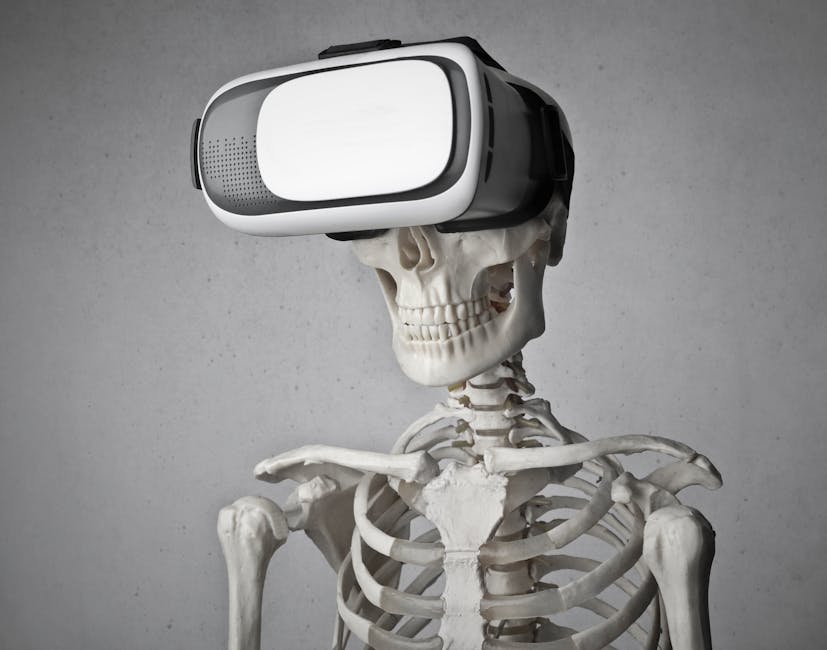
AR and VR Marketing in Singapore: Immersive Experiences for Brands
Table of Contents
Understanding AR and VR Marketing
AR VR marketing Singapore is rapidly transforming how brands connect with consumers by replacing passive content consumption with active, immersive participation. While the two technologies are often grouped together, they serve fundamentally different marketing purposes and require distinct strategic approaches.
Augmented reality overlays digital elements onto the real world through smartphone cameras or AR glasses. Consumers see their actual environment enhanced with virtual product placements, interactive information layers or gamified brand experiences. The barrier to entry is low because AR works on devices people already own, making it highly accessible for mass-market campaigns.
Virtual reality creates entirely digital environments that users enter through headsets like the Meta Quest or Apple Vision Pro. VR offers total immersion and is ideal for experiences that benefit from transporting the user to a different location, such as virtual property tours, immersive brand storytelling or experiential product demonstrations.
Mixed reality, which blends elements of both AR and VR, is an emerging category that allows digital objects to interact with the physical environment in more sophisticated ways. For marketers, the technology choice should always follow the strategy rather than the other way around. Start with the customer experience you want to create, then select the technology that delivers it most effectively.
The Singapore AR and VR Landscape
Singapore is exceptionally well-positioned for immersive marketing adoption. The city-state has one of the highest smartphone penetration rates globally, with over 97 percent of residents owning a smartphone capable of running AR experiences. The 5G network rollout provides the bandwidth and low latency needed for complex AR applications in public spaces.
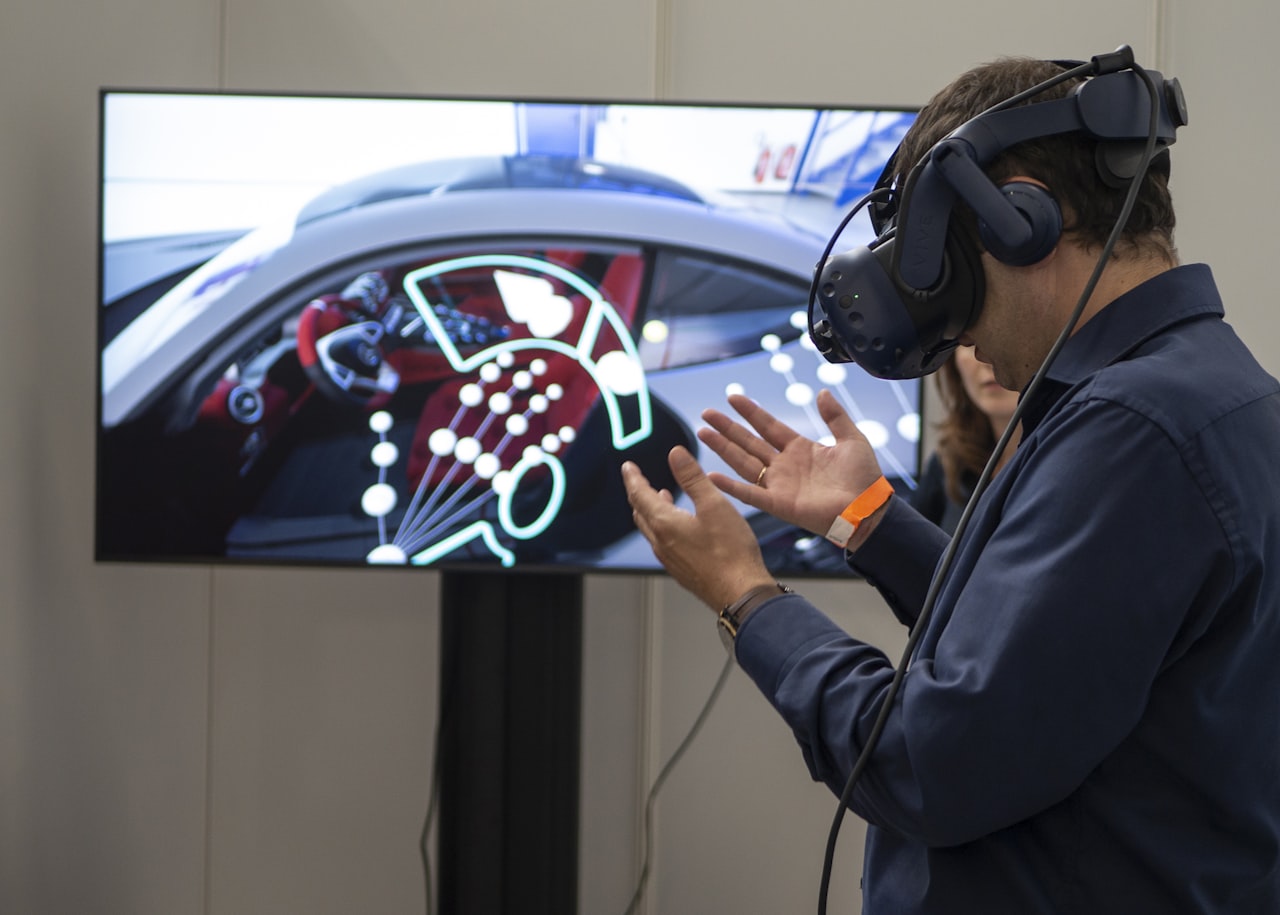
The Singapore government has actively invested in immersive technology through initiatives like the Infocomm Media Development Authority’s innovation programmes and the Smart Nation initiative. These investments have created a growing ecosystem of local AR and VR development studios, making it increasingly affordable for mid-market brands to commission immersive experiences.
Consumer readiness is strong. Singaporeans are early technology adopters and are already familiar with AR through popular applications like Instagram and Snapchat filters, Pokemon Go and IKEA Place. This existing familiarity reduces the education barrier that brands in less digitally mature markets face when deploying AR campaigns.
Retail environments in Singapore, from Orchard Road malls to Jewel Changi Airport, are investing in immersive installations that blend physical retail with digital experiences. These venue partnerships offer brands opportunities to deploy AR and VR experiences in high-traffic locations without building standalone infrastructure. Integrating immersive technology into your digital marketing services creates memorable touchpoints that differentiate your brand from competitors.
The compact geography of Singapore also means that location-based AR experiences can achieve meaningful population coverage with relatively few activation points, making campaigns more cost-effective per impression than in larger, more dispersed markets.
AR Marketing Applications for Brands
Augmented reality offers Singapore brands a range of practical marketing applications that go far beyond novelty filters and gimmicks.
Virtual try-on experiences have become mainstream for beauty, eyewear, fashion and accessories brands. Consumers can see how products look on their face or body before purchasing, reducing return rates and increasing purchase confidence. Singapore beauty retailers have reported conversion rate increases of 20 to 40 percent when virtual try-on is integrated into the purchase journey. This technology is especially powerful for e-commerce where physical product interaction is impossible.
Product visualisation allows consumers to place virtual products in their real environment. Furniture, home decor and renovation brands benefit enormously from enabling customers to see how a sofa looks in their HDB flat or how a new kitchen layout fits their space. This application directly addresses the challenge of selling large or expensive items online where size and fit are primary purchase barriers.
Interactive packaging transforms physical products into digital content portals. Scanning a product package with a smartphone can trigger recipe demonstrations, usage tutorials, origin stories or loyalty programme interactions. F&B brands in Singapore are using AR packaging to share sourcing stories and preparation methods that build deeper product relationships.
Location-based AR experiences turn physical spaces into interactive brand environments. A retail store can create an AR treasure hunt that guides customers through the space, a tourism brand can overlay historical information onto real locations, or an event sponsor can create shareable AR photo opportunities that extend brand exposure beyond the venue. These campaigns pair well with broader social media marketing strategies because the shareable moments drive organic reach.
AR business cards and print materials bridge offline and online marketing. Scanning a printed brochure, namecard or poster can trigger video content, 3D product models or interactive presentations that transform static materials into rich media experiences.
VR Marketing Applications for Brands
Virtual reality marketing excels in scenarios where complete immersion adds significant value to the brand experience, and Singapore brands across multiple industries are finding compelling use cases.
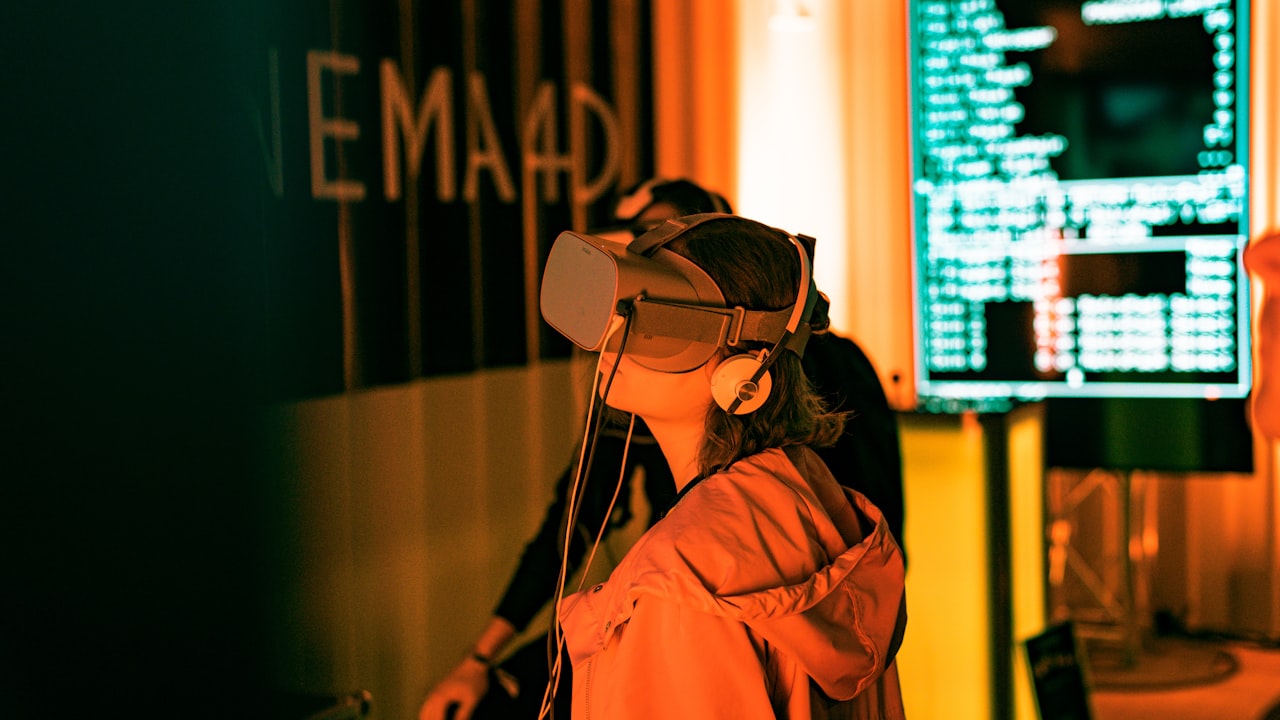
Property developers are among the most active VR marketing adopters in Singapore. Virtual showflat tours allow potential buyers to walk through units that have not been built yet, experiencing the space, views and finishes in a way that floor plans and renderings cannot match. Some developers report that VR tours reduce the sales cycle by enabling earlier engagement with prospective buyers and allowing overseas investors to experience properties remotely.
Tourism and hospitality brands use VR to let potential guests experience destinations, hotel rooms and attractions before booking. A resort can transport a prospective guest to its beachfront, a cruise line can offer a virtual ship tour, and a tour operator can provide a preview of key experiences. This preview capability is particularly valuable for premium experiences where the investment is significant and the decision-making process is longer.
Automotive brands deploy VR showrooms that let customers configure and experience vehicles without requiring physical inventory. In Singapore where showroom space is expensive, VR allows brands to showcase their full range including models not physically present. Test drive simulations add another dimension to the pre-purchase experience.
Training and education applications have strong marketing crossover potential. Brands that create VR training experiences for their industry can position themselves as thought leaders while generating valuable leads. A kitchen equipment manufacturer offering VR cooking classes or a fitness brand providing VR workout experiences builds brand affinity through genuine value delivery.
Brand storytelling through VR creates emotional connections that flat content cannot achieve. Documentary-style VR experiences that show a brand’s manufacturing process, supply chain or social impact initiatives immerse viewers in the brand story rather than simply telling it. This format is particularly effective for brands with strong sustainability or craftsmanship narratives that need your branding strategy to communicate values authentically.
Planning an Immersive Marketing Campaign
Successful immersive campaigns require careful planning that balances creative ambition with practical constraints. The most common failure point is prioritising technology spectacle over user experience and business objectives.
Begin with clear objectives. Are you trying to drive product trial, reduce return rates, increase dwell time, generate social sharing, collect customer data or build brand awareness? The objective determines whether you need AR or VR, whether the experience should be mobile or venue-based, and how you will measure success.
Define your audience’s technology comfort level. For mass-market consumer brands targeting broad demographics, smartphone-based AR is almost always the right choice because it requires no additional hardware. For niche B2B audiences or premium consumer segments where you control the environment, VR headset experiences can deliver more impactful results.
Design the user journey from discovery to engagement to action. How will people find the experience? What is the onboarding process? How long should the experience last? What action should the user take afterwards? Every friction point in this journey reduces completion rates, so simplicity is essential. The best immersive experiences require no more than three taps to begin.
Budget realistically. AR experiences built on platforms like Spark AR or Lens Studio can be developed for $5,000 to $30,000 in Singapore, depending on complexity. Custom AR applications with advanced features range from $30,000 to $100,000. VR experiences start at approximately $20,000 for basic environments and can exceed $200,000 for high-fidelity productions. Include ongoing hosting, maintenance and update costs in your budget.
Plan for content integration. Immersive experiences should not exist in isolation but rather connect to your broader content marketing ecosystem. Create supporting content that promotes the experience, document user reactions for social proof, and use insights from immersive interactions to inform future content creation.
Test extensively before launch. Immersive experiences that glitch, load slowly or produce poor visual quality damage brand perception more than having no immersive presence at all. Test across multiple devices, lighting conditions and user scenarios to ensure consistent quality.
Technology Platforms and Tools
Choosing the right technology platform affects development cost, distribution reach and ongoing maintenance requirements. The platform landscape is evolving rapidly, but several established options serve Singapore brands well.
For social AR, Meta Spark AR and Snapchat Lens Studio are the dominant platforms. Both offer free development tools and distribute experiences through their respective social networks, providing immediate access to millions of Singapore users. These platforms are ideal for branded filters, try-on experiences and interactive effects that drive social sharing.
WebAR platforms like 8th Wall, Zappar and Blippar enable AR experiences that run directly in mobile web browsers without requiring app downloads. This removes the single biggest friction point in AR marketing, as users simply scan a QR code or tap a link to begin. WebAR is ideal for packaging, print activation and location-based experiences where you cannot assume users have a specific app installed.
For custom AR applications, ARKit for iOS and ARCore for Android provide robust development frameworks. These native platforms offer the best performance and access to advanced features like environmental understanding, face tracking and body tracking. However, they require dedicated app development, which adds cost and limits distribution.
Unity and Unreal Engine are the primary development platforms for VR experiences. Both support Meta Quest, Apple Vision Pro and other headsets. Unity is generally more accessible for marketing-focused projects, while Unreal Engine offers higher visual fidelity for premium experiences. Many Singapore development studios specialise in one or both platforms.
Cloud-based VR streaming services like Nvidia CloudXR allow high-fidelity VR experiences to be delivered to lightweight headsets over 5G networks. This technology is particularly relevant for Singapore venue-based activations where you want premium visual quality without the cost of high-end hardware at every station.
Measuring ROI on Immersive Experiences
Measuring the return on investment for AR and VR marketing requires metrics that go beyond standard digital marketing KPIs, though traditional metrics remain important components of the overall picture.
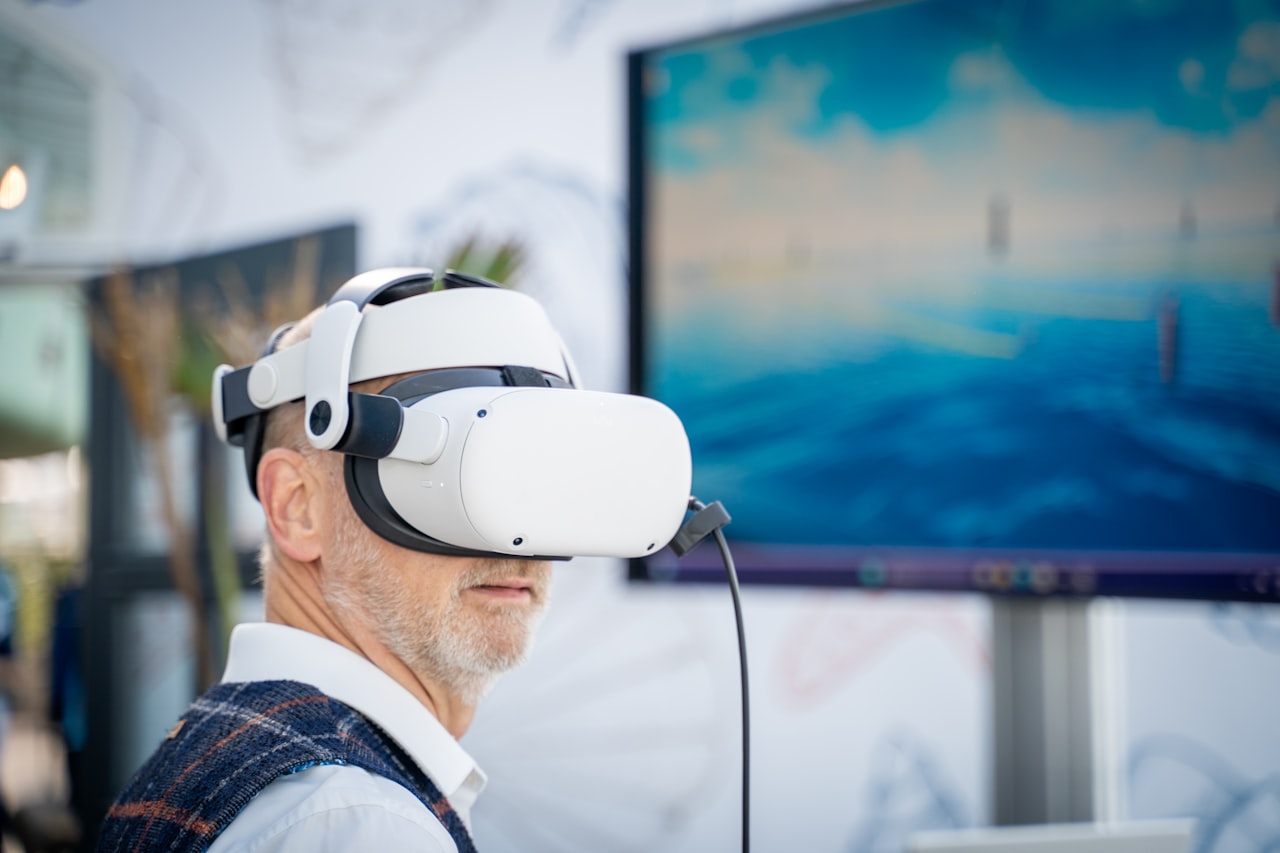
Engagement depth is a critical metric unique to immersive experiences. Track average session duration, interaction frequency within the experience, completion rates and return visit rates. An AR experience where users spend an average of 90 seconds interacting delivers far more brand exposure per impression than a social media ad that receives a two-second glance.
For AR try-on and product visualisation experiences, track the conversion pathway from AR interaction to purchase. Many platforms provide analytics showing which products were tried virtually and whether the session led to an add-to-cart or purchase action. Compare conversion rates between customers who used AR features and those who did not to quantify the direct sales impact.
Social amplification metrics capture the viral potential of immersive experiences. Track how many users share their AR experience to social media, the reach of shared content and whether shared content drives new users to the experience. This earned media value often exceeds the cost of the campaign development.
Lead generation and data collection from immersive experiences can be substantial. VR experiences at events or showrooms can capture detailed prospect information and behavioural data that informs sales follow-up. Track lead quality and conversion rates from immersive touchpoints compared to other lead sources and use these insights alongside your SEO and inbound strategies.
Brand lift studies provide longer-term ROI measurement. Conduct pre and post-campaign surveys measuring brand awareness, brand perception and purchase intent among exposed and control groups. Immersive experiences typically produce stronger brand lift than equivalent spending on display or video advertising because the depth of engagement creates stronger memory formation.
Calculate total cost of engagement by dividing total campaign investment by the number of meaningful interactions. Compare this cost per engagement against other channels to contextualise the investment. While the upfront development cost of immersive experiences is higher than standard content, the cost per meaningful engagement is often competitive when the depth and quality of each interaction is factored in.
Frequently Asked Questions
How much does an AR marketing campaign cost in Singapore?
Costs vary significantly based on complexity. A basic social AR filter or lens can be developed for $3,000 to $8,000. A WebAR experience with product visualisation typically costs $10,000 to $40,000. Custom AR applications with advanced features can range from $50,000 to $150,000 or more. These costs cover development only and do not include media spend to promote the experience. Many Singapore agencies offer packages that bundle development with campaign management.
Do consumers actually use AR and VR marketing experiences?
Yes, when the experience provides genuine value. AR try-on features for beauty and fashion consistently show adoption rates of 15 to 30 percent among website visitors when prominently placed in the purchase journey. Social AR filters can achieve millions of impressions when they are entertaining and shareable. The key is providing a clear benefit such as utility, entertainment or social currency rather than deploying technology for its own sake.
Which industries benefit most from immersive marketing in Singapore?
Real estate, retail, beauty, automotive, tourism, F&B, education and events currently see the strongest results. However, the applications are expanding rapidly. Any industry where the customer benefits from experiencing a product before purchase or where storytelling adds significant value to the brand proposition can leverage immersive marketing effectively.
Should we build a custom app or use existing platforms for AR?
For most marketing campaigns, use existing platforms. WebAR and social AR platforms provide adequate functionality for the majority of marketing use cases while eliminating the app download barrier. Custom apps are justified only when you need advanced features unavailable on existing platforms, when the AR experience is a core ongoing product feature rather than a campaign, or when you need full control over the user data and experience.
How long does it take to develop an immersive marketing experience?
Simple social AR filters can be developed in two to four weeks. WebAR experiences typically take four to eight weeks. Custom AR applications require eight to sixteen weeks or more depending on complexity. VR experiences range from six weeks for basic environments to six months for high-fidelity productions. Always add buffer time for testing, iteration and platform approval processes.
Is VR marketing practical for small businesses in Singapore?
Standalone VR development is often beyond small business budgets, but there are accessible entry points. Some VR platforms offer templated solutions for specific use cases like virtual tours at lower costs. 360-degree video, which is a simpler form of immersive content, can be produced affordably and viewed on smartphones without headsets. Small businesses should generally start with AR, which offers lower costs and broader reach, before exploring VR.
How do we promote an AR or VR experience once it is built?
Promotion is critical because even the best immersive experience fails if nobody discovers it. Use QR codes in physical locations, promote through social media with video previews of the experience, integrate AR calls to action in email campaigns, train retail staff to demonstrate the experience, partner with influencers to showcase the technology and consider paid media to drive initial awareness. The experience itself should also be designed to encourage sharing, creating organic amplification.
What are the main technical challenges to consider?
Device fragmentation is the primary challenge. AR experiences must work across hundreds of different smartphone models with varying camera capabilities and processing power. File size and loading times affect user experience, especially on mobile networks. Environmental factors like lighting conditions impact AR tracking quality. Privacy regulations govern data collection through camera-based experiences. Work with experienced developers who understand these constraints and can design experiences that perform consistently across conditions.