How to Set Up an Affiliate Program: Platforms, Commission and Recruitment
Table of Contents
Prerequisites Before You Start
This affiliate program setup guide walks you through every step of launching a successful affiliate programme. Before diving into the technical setup, ensure your business is ready for affiliate marketing. Several foundational elements must be in place to give your programme the best chance of success.
First, your website must convert well. Sending affiliate traffic to a poorly converting website wastes everyone’s time and discourages affiliates. Aim for a conversion rate of at least one to two percent for e-commerce or a clear, optimised lead capture process for service businesses. If your site needs improvement, consider our web design services to optimise your conversion funnel before launching.
Second, understand your unit economics. Calculate your customer acquisition cost ceiling by working backwards from your average order value, gross margin and customer lifetime value. This determines how much you can afford to pay affiliates while maintaining profitability.
Third, have adequate product or service inventory and fulfilment capacity. Nothing damages affiliate relationships faster than stockouts, long delivery times or service failures. Affiliates stake their reputation on your products, and poor customer experiences reflect badly on them.
Fourth, establish your tracking infrastructure. Ensure your website has proper analytics, conversion tracking and attribution in place. You need to accurately measure where sales come from before adding affiliate tracking to the mix.
Choosing Your Affiliate Platform
Your platform choice is one of the most important decisions in your programme setup. You have two main options: join an affiliate network or use self-hosted affiliate software. Each has distinct advantages for Singapore businesses.

Affiliate networks like Involve Asia, ShareASale, CJ Affiliate, Rakuten and Impact connect you to an existing base of affiliates. They provide built-in tracking, payment processing, fraud detection and reporting. The trade-off is higher costs, typically a setup fee plus 20 to 30 percent commission override on every transaction, and less control over the programme experience.
Self-hosted platforms like Post Affiliate Pro, Refersion, PartnerStack, Tapfiliate or FirstPromoter give you full control over your programme. You own the data, set the rules and manage relationships directly. Monthly costs range from SGD 50 to 500 depending on features and volume. The trade-off is that you must recruit affiliates yourself and handle payment processing.
For most Singapore SMEs launching their first programme, starting with a network provides the fastest path to results. The existing affiliate base means you can recruit partners immediately rather than building from scratch. As your programme matures, you may consider transitioning to a self-hosted solution for greater control and lower costs.
Evaluate platforms based on affiliate base quality and size in Singapore, tracking reliability and attribution models, reporting and analytics capabilities, payment processing options including SGD support, integration with your e-commerce platform or CRM and customer support quality. For a detailed comparison of networks operating in Singapore, see our article on affiliate networks in Singapore.
Setting Up Commissions and Payouts
Your commission structure must balance three objectives: attracting quality affiliates, incentivising desired behaviours and maintaining profitability. Research competitor programmes in your category to understand market expectations. Affiliates will compare your offer against alternatives and choose programmes with competitive commissions.
Determine your commission type. Percentage-of-sale commissions work well for e-commerce with variable order values. Flat fee commissions suit lead generation or products with consistent pricing. Some programmes combine both, offering a flat fee per conversion plus a percentage bonus for higher-value orders.
Set competitive initial rates. For Singapore e-commerce, standard rates by category include 8 to 15 percent for fashion and lifestyle, 5 to 10 percent for health and beauty, 3 to 8 percent for electronics and gadgets, 10 to 20 percent for digital products and software and SGD 20 to 200 flat fee for services and subscriptions.
Define your cookie duration carefully. This is the window between a consumer clicking an affiliate link and completing a purchase during which the affiliate receives credit. Standard durations are 30 days for impulse purchases, 60 days for considered purchases and 90 days or more for high-value or B2B products. Longer cookie windows attract more affiliates.
Establish payment terms and thresholds. Most programmes pay monthly, 30 to 60 days after the transaction to allow for returns and cancellations. Set a minimum payout threshold, commonly SGD 50 to 100, to keep payment processing costs manageable. Offer multiple payment methods including bank transfer and PayPal for international affiliates.
Creating Programme Terms and Guidelines
Your programme terms protect your brand and set expectations. A well-drafted agreement prevents disputes and provides grounds for removing non-compliant affiliates. Cover the following areas comprehensively.
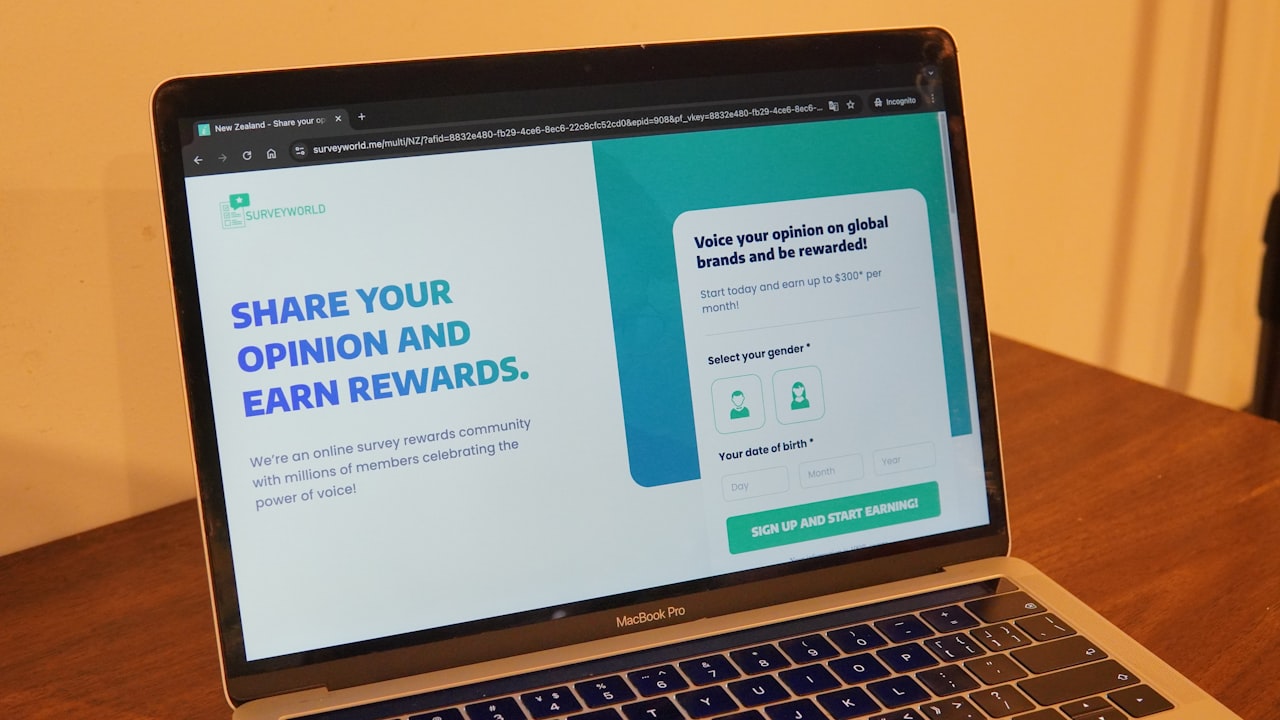
Prohibited promotional methods should be explicit. Common restrictions include no spam or unsolicited email marketing, no trademark bidding in paid search without approval, no coupon code sites unless authorised, no incentivised traffic such as paid-to-click, no misleading claims or false advertising and no adult, violent or illegal content.
Intellectual property guidelines specify how affiliates may use your brand name, logos, product images and marketing copy. Provide approved assets and restrict modifications. Require affiliates to remove your branding promptly upon programme termination.
Disclosure requirements reflect Singapore’s advertising standards and global best practices. Require affiliates to clearly disclose their commercial relationship with your brand in all promotional content. Provide sample disclosure language to make compliance easy.
Commission and payment terms should cover rates, cookie duration, payment schedule, minimum thresholds, chargeback and return policies and any performance bonuses. Clearly state under what circumstances commissions may be reversed or withheld.
Termination provisions give you the right to remove affiliates who violate terms, engage in fraud or damage your brand reputation. Include provisions for commission forfeiture in cases of fraud. Have your programme agreement reviewed by a legal professional familiar with Singapore’s digital marketing regulations. Our branding services team can advise on brand protection guidelines for affiliate programmes.
Building Creative Assets and Resources
Provide affiliates with everything they need to promote your products effectively. The easier you make it for affiliates to create quality promotional content, the more active and successful they will be.
Design a range of banner advertisements in standard sizes including 728 by 90 pixels, 300 by 250 pixels, 160 by 600 pixels and 320 by 50 pixels for mobile. Create seasonal variations and update banners regularly to prevent ad fatigue. Ensure banners are on-brand and include clear calls to action.
Write pre-approved text links and promotional copy that affiliates can use in blog posts, emails and social media. Provide multiple variations to prevent duplicate content issues. Include product descriptions, unique selling points and promotional messaging.
Create a product data feed for comparison shopping affiliates. This structured file should include product names, descriptions, prices, categories, images and deep links. Update the feed regularly to reflect current inventory and pricing.
Develop an affiliate resource centre or portal where partners can access all creative assets, programme information, commission details, best practices and contact information. This self-service hub reduces support requests and helps affiliates get started quickly.
Provide conversion tips and best practices based on your top-performing affiliates. Share insights about which products convert best, which promotional angles resonate and which traffic sources deliver quality customers. This information helps new affiliates succeed faster. Our content marketing services can help develop compelling affiliate creative assets and content templates.
Affiliate Recruitment and Launch
Your launch strategy should combine proactive recruitment with inbound attraction. Start recruiting affiliates two to four weeks before your official launch date so you have active partners ready to promote from day one.
Create a compelling programme landing page that sells affiliates on partnering with you. Highlight your commission rates, cookie duration, average order value, conversion rate, brand recognition and any unique programme benefits. Include testimonials from beta affiliates if available.
Reach out directly to your top 20 to 30 target affiliates with personalised invitations. Research their content, audience and current partnerships. Explain specifically why your programme would be a good fit for their audience. Personal outreach converts far better than mass invitations.
Leverage your network’s recruitment tools to invite affiliates who are already active in your product category. Filter by geography to focus on Singapore-based affiliates or those with Singapore audience traffic. Review applications carefully and prioritise quality over quantity.
Announce your programme launch through your existing marketing channels. Mention it in your email newsletter, social media, blog and even on your website. Existing customers who love your products can become excellent affiliates. Consider a special launch bonus or enhanced commission for early adopters.
For additional reach, list your programme in affiliate programme directories and forums where affiliates discover new opportunities. Participate in affiliate marketing communities in Singapore and the region to build visibility. For those just starting to explore affiliate marketing, our article on affiliate marketing for beginners provides foundational knowledge.
Your First 90 Days
The first 90 days set the trajectory for your programme. Focus on three priorities: activating affiliates, optimising performance and building relationships.

In the first 30 days, focus on activation. Many affiliates who join programmes never generate their first click. Send welcome emails with getting-started guides, offer one-on-one onboarding calls for top prospects and follow up with inactive affiliates after two weeks. Aim to have at least 20 to 30 percent of your affiliates active within the first month.
In days 31 to 60, shift to optimisation. Analyse which affiliates are driving traffic, which are converting and which are attracting valuable customers. Adjust your creative assets based on performance data. Test different banner designs, landing pages and promotional offers. Begin identifying your super affiliates and invest in those relationships.
In days 61 to 90, focus on scaling. Intensify recruitment efforts based on the affiliate profiles that have proven most successful. Launch your first promotional campaign or seasonal offer through affiliates. Begin developing a regular communication cadence with newsletters, updates and performance insights.
Throughout the first 90 days, be responsive and supportive. Answer affiliate questions quickly, resolve tracking issues promptly and process payments on time. Early affiliate experiences shape their long-term commitment to your programme. A responsive, professional programme manager can differentiate your programme in a competitive landscape. For broader digital marketing strategy to complement your affiliate programme, explore our digital marketing services.
Frequently Asked Questions
How many affiliates do I need for a successful programme?
Quality matters more than quantity. Most programmes see 80 percent of revenue come from 20 percent of affiliates. Start with a goal of recruiting 30 to 50 affiliates in your first three months, with a focus on activating 10 to 15 who are genuinely engaged and producing results.
Should I approve all affiliate applications?
No. Review each application against your programme standards. Check the applicant’s website or social media for content quality, audience relevance and compliance with your brand values. Rejecting low-quality applicants protects your brand and maintains programme quality. Politely decline with constructive feedback.
How do I set up tracking on my Shopify or WooCommerce store?
Most affiliate platforms offer direct integrations with major e-commerce platforms. Shopify apps like Refersion, GoAffPro and UpPromote install in minutes. WooCommerce integrates with AffiliateWP and Post Affiliate Pro through plugins. Follow the platform’s setup guide and test thoroughly before launching.
What if an affiliate makes a sale but the customer returns the product?
Include a return and chargeback policy in your programme terms. Most programmes reverse commissions for returned products during a validation period, typically 30 to 60 days. Process commission payments after this validation window to minimise adjustments. Communicate this policy clearly to affiliates.
Can I run an affiliate programme alongside Google Ads?
Yes, and most successful brands do. However, set clear guidelines to prevent channel conflict. Typically, restrict affiliates from bidding on your brand terms in paid search to avoid paying affiliate commissions for traffic you would capture through your own campaigns. Our Google Ads services can help coordinate your paid and affiliate strategies.
How often should I communicate with affiliates?
Send a monthly newsletter at minimum, covering programme updates, new products, promotional opportunities and performance highlights. Top affiliates warrant more frequent, personalised communication. Responsive support for individual queries should aim for same-day response times.
When should I consider hiring a dedicated affiliate manager?
Consider hiring or outsourcing to a dedicated affiliate manager when your programme exceeds 50 active affiliates or generates more than SGD 10,000 in monthly commission payments. At this scale, the programme complexity requires dedicated attention to maintain growth and quality.
What is the biggest mistake when setting up an affiliate programme?
Setting commission rates too low to attract quality affiliates, then wondering why no one is promoting your products. Research competitor programmes, understand market rates and offer competitive commissions from the start. You can always adjust rates down later, but starting too low kills momentum. For context on how the wider affiliate ecosystem works in Singapore, see our guide on affiliate marketing in Singapore.